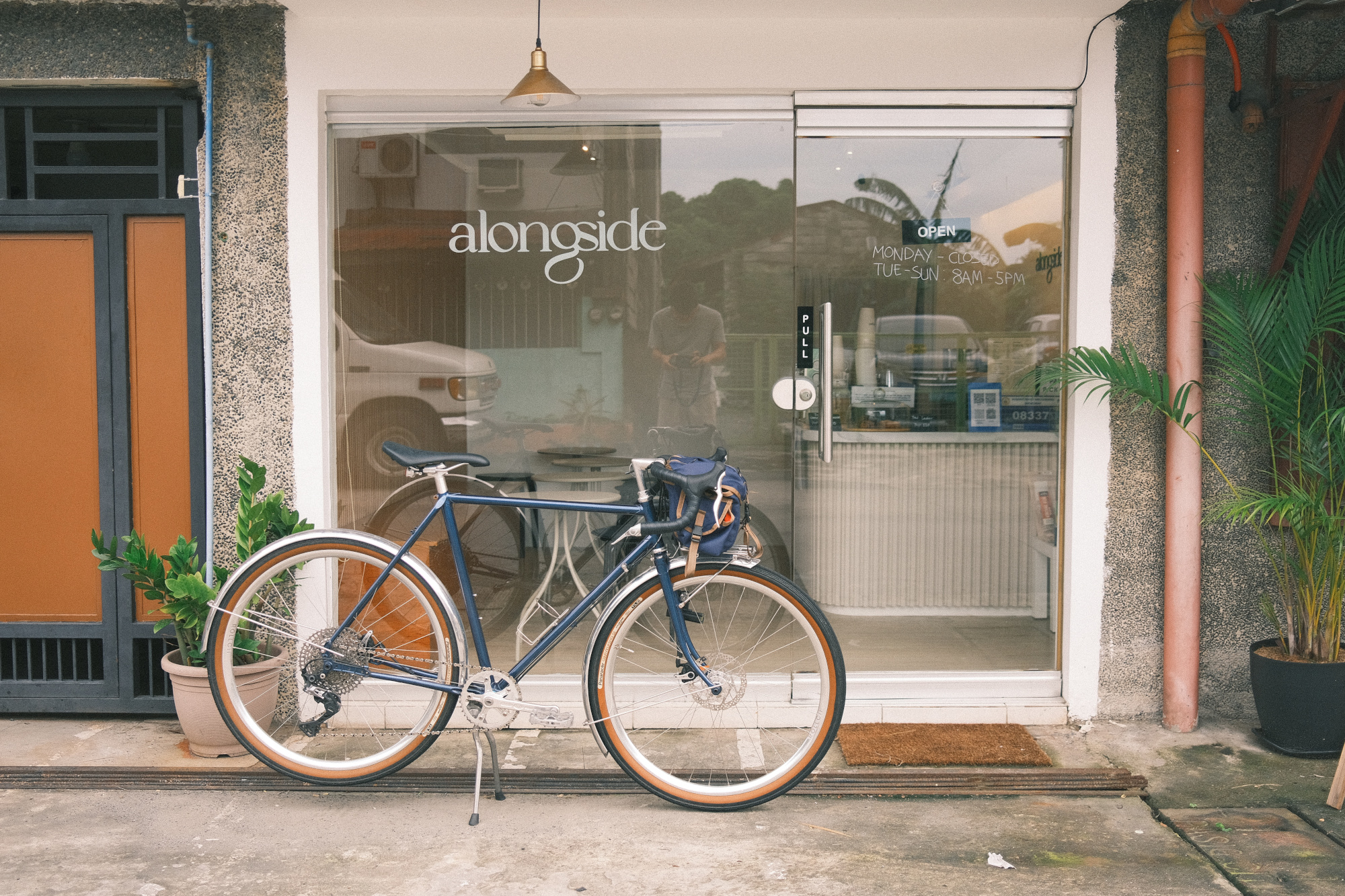
Do you have any places that you visit, not because you have to but because you want to?
A “third place” is a sociological term coined by Ray Oldenburg. It refers to places outside of the home (the first place) and the workplace (the second place).
Third places are crucial because they foster organic social interaction and serve as the backbone of communities. But should there be a cost in order for people to benefit from them?

I came across this concept through cycling. Cafés are popular destinations for bikers. And, a bicycle is a very practical tool for exploring the city.
Put two and two together, and it’s no surprise why many bike commuters end up immersed in urbanism, not just mobility.

Discovering cafés around Kapitolyo and meeting people was exciting as a new bike commuter in 2022. But with how much I’ve spent in these places, I began to think: Are cafés actually third spaces?
I’m no coffee enthusiast. To be honest, coffee is the last reason why I go to these places. So it feels awkward when I pop in at a cafe to check for friends, with no intention of ordering a drink worth at least P150.
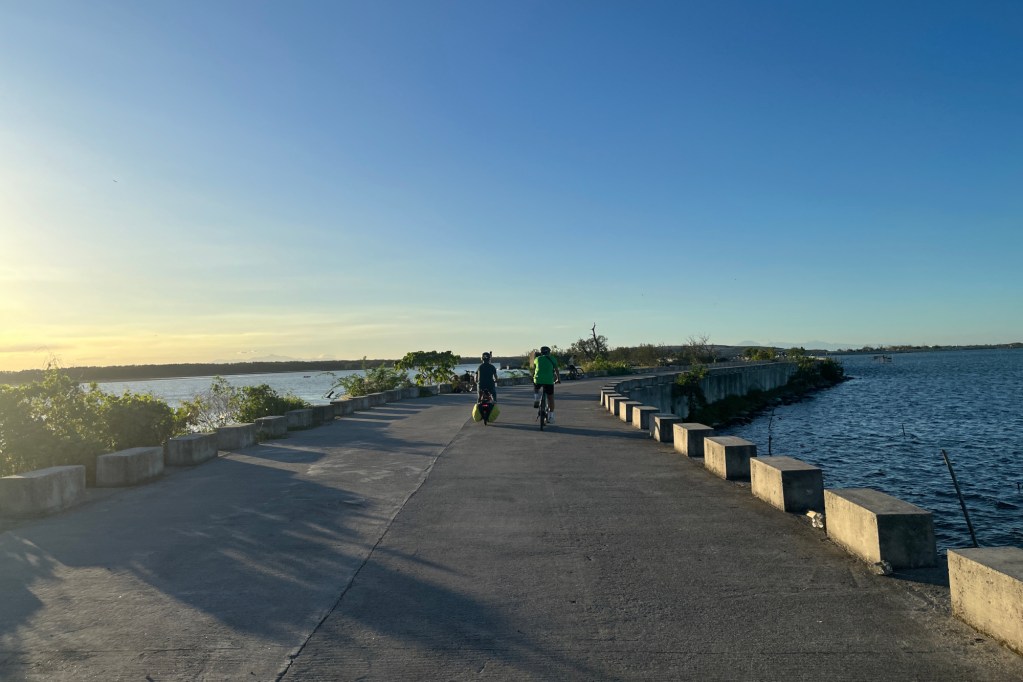
Some people find leisure in biking around the city. I don’t anymore. At first, it was fun being able to go for a quick night ride to BGC. But I eventually realized that I was just aimlessly wandering around the same streets, until I arrived somewhere to order food or a drink.
If there is an expectation for people to spend in order to enjoy a cafe, what makes them different from a mall? Are cafes accessible as third spaces?
After giving it some thought, here’s what I realized: Cafes are great third spaces, but they are not public spaces. At the end of the day, these establishments are businesses that need to earn a profit. And there’s nothing wrong with that.

The real problem is the lack of public spaces. Those who can afford would spend P200 on coffee for the luxury of being able to make tambay for hours.
I’ve been to many countries abroad and the best cities have these in common: they are all walkable (because there are sidewalks and efficient public transit), and they have accessible green spaces.
More than tourist attractions, these destinations have places where people are free to relax and unwind. And that’s what makes them popular travel spots.

The sad reality is that Metro Manila is unlivable in different ways, the lack of green spaces is one of them. However, the flocks of people at Car-Free Sundays prove that there is great demand for these.
Think about this the next time you’re having coffee in your favorite café: What can be done in Metro Manila to make it a place that you’d want to live in?


