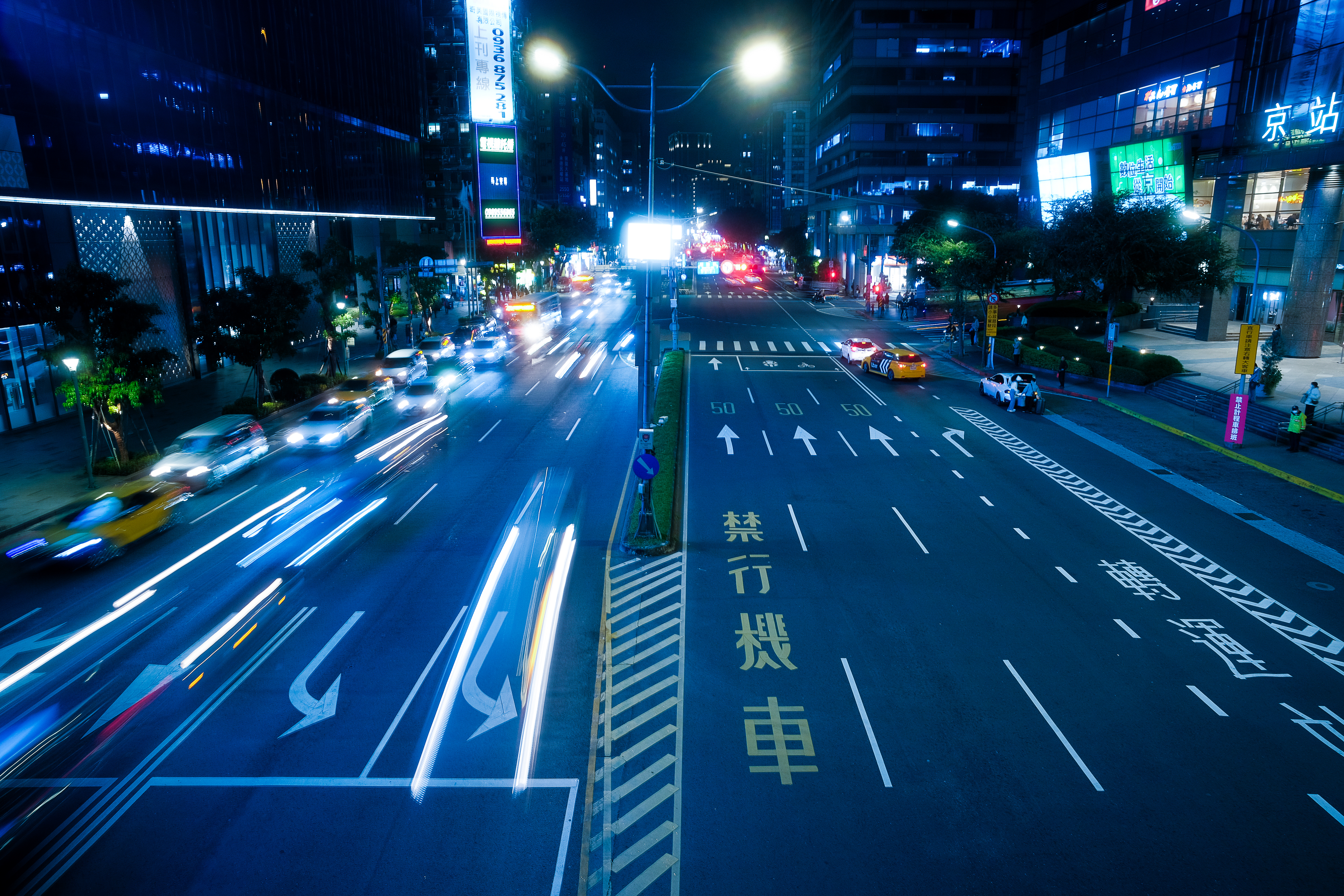
Last November was my first time in Taipei, Taiwan, and my first time traveling outside the country since my mom passed away in August. I was with my best friend of seven years, and we decided to travel together since we hadn’t done so.
I don’t know why Taiwan was a personal travel goal of mine. It doesn’t really stand out like Japan, Bali, or Thailand. But my friends who had gone a few times in the past talked about the night markets, the walkable places, the cheap(er) stuff you can buy… and I was like, sure, okay. But what else?
That was when mobility in Taipei began to catch my attention. So… why not try writing about the mobility scene there while also having a good time with a good friend?
First Impressions

We arrived in Taoyuan International Airport just after 1 a.m., which meant there wasn’t much to take in at first. The MRT was closed until 5:30am, so we got on the bus to Taipei. By the time we reached the Main Station, we were greeted by closed shops. There was really nothing to do at this point except find our AirBnB and get some sleep.
Even then, getting around didn’t feel tense. I noticed that the pedestrian stoplights had long timers, and stoplights worked beyond midnight. Things worked the way they were supposed to.

It wasn’t until morning that the city began to reveal itself. Mobility in Taipei is immediately felt at street level: Sidewalks are wide enough for bikes and pedestrians to coexist, and even in alleys without sidewalks, there are designated areas where pedestrians are meant to pass. Public transit, particularly YouBikes and the MRT, was the best way to get around, despite the number of cars on the road.
By the end of the trip, we were averaging around 25,000 steps a day, not because we were pushing ourselves, but because walking kept being the most sensible option when you don’t have EasyCard.
What Mobility in Taipei Gets Right


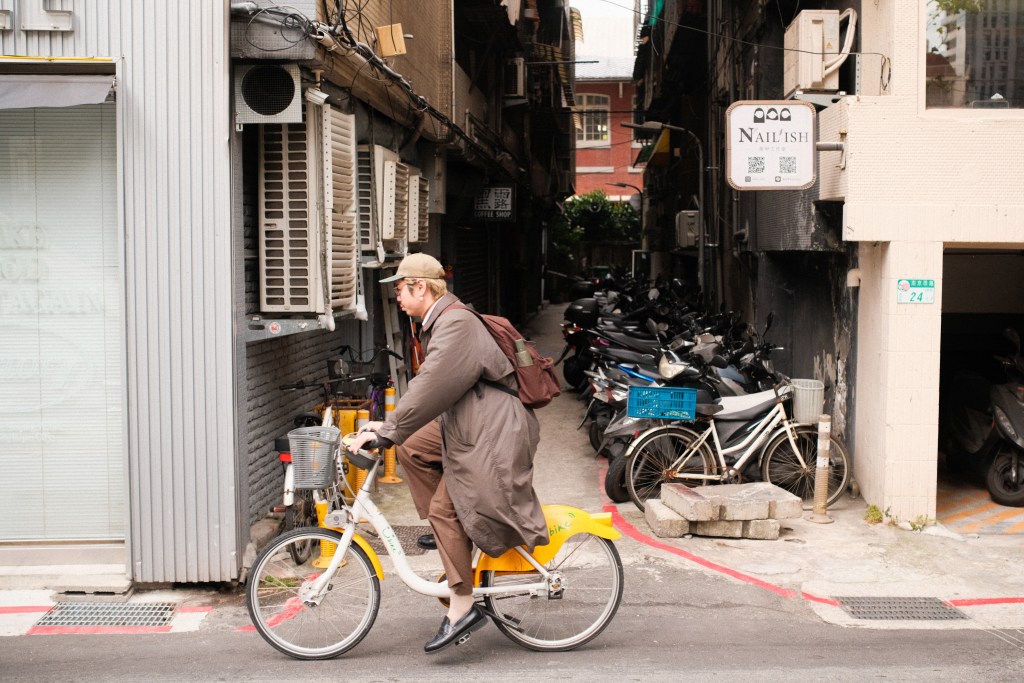
What struck me first wasn’t any single transport system, but the fact that there were always multiple ways to move. If I felt like walking, I could just walk long distances, short ones, through neighborhoods that didn’t feel hostile to people on foot. I could safely waltz into alleyways without fearing for my life or getting lost. When my legs were tired, Uber was an option to take. The MRT was a joy to use, too.
Then there was the YouBike. Every other street corner had fleets of these yellow and orange bikes around. And, man, I was elated. Having bike-sharing systems filled in the gaps between walking and transit felt too long or too short, respectively.
Experiencing mobility in Taipei felt more like just getting along with the city. None of the modes of transportation were competing with one another. They felt like one entire web.
What a stark contrast from Metro Manila.
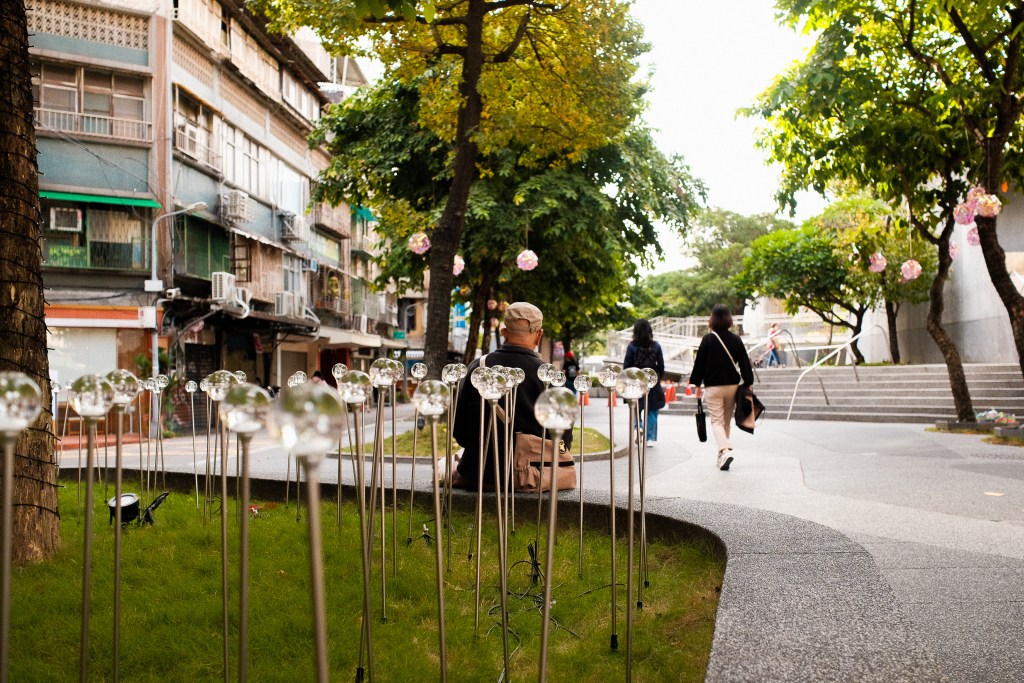
What made all of this work, though, was how rest was built into the environment. Parks weren’t rare finds; they were part of the city. And beyond parks, there were plenty of informal places to sit: Benches, edges, shaded spaces. I didn’t have to wait for a mall or a cafe to open. It didn’t feel like rest had to be earned by buying something.
Where Taipei Falters
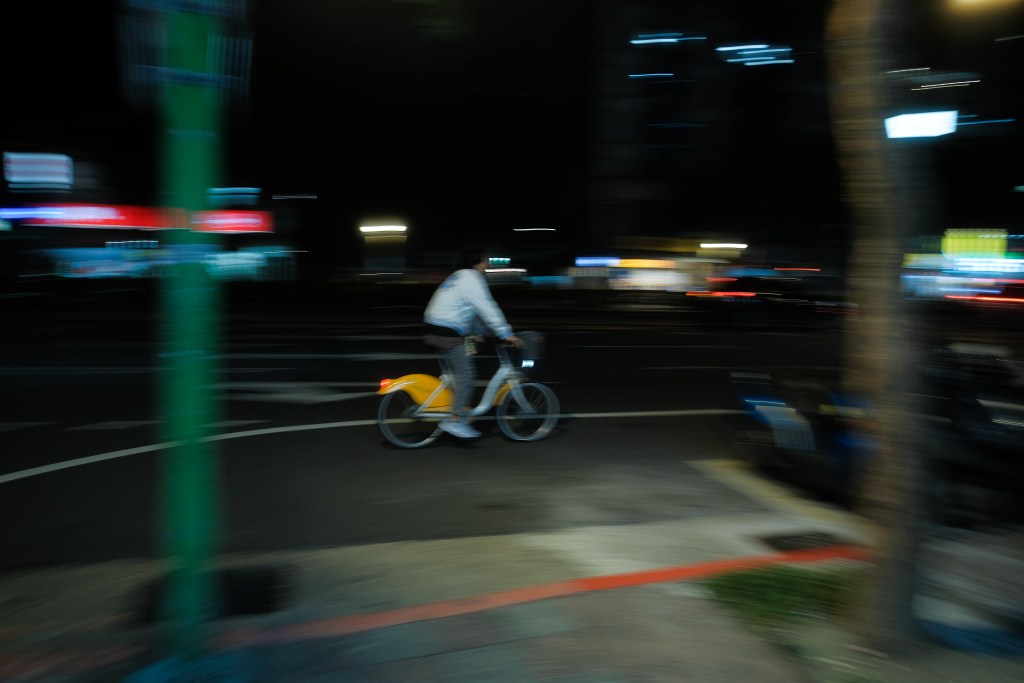
Of course, mobility in Taipei isn’t perfect.
There are clear gaps once you start paying attention to the edges. One of the biggest is first- and last-mile connectivity around the MRT. The MRT itself is efficient and easy to use, but some destinations are still far enough from stations that walking becomes impractical. From the Xianshang Station, I still had to walk a while to get to where I needed to go. It was too short for an Uber ride, and since I had no EasyCard for a YouBike, I had to keep walking.
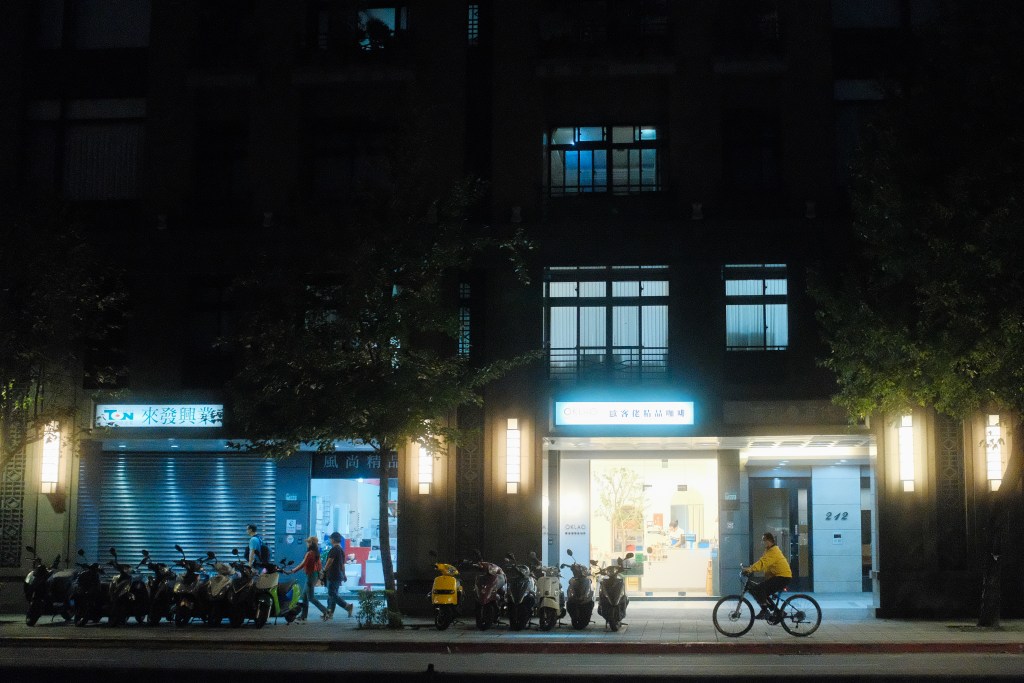
Additionally, cycling feels designed more for moving with traffic than moving with people. Vehicular cycling is common. Sidewalks are shared spaces, creating situations where pedestrians, cyclists, and even scooters and motorcycles must adjust to one another. They’re wide enough, and most of the time it didn’t feel chaotic, but there were a couple of times I jumped when a motorcycle entered the sidewalk. I guess that tension is part of mobility in Taipei.
Then, finally, there’s time. The MRT shuts down around midnight, so your choices for returning to your AirBnB or hotel narrow to walking back, taking an Uber, a bus, or YouBike. These are all safe to take beyond 12am, as Taipei tends to quiet down once you’re out of the vicinity of the night markets.
What Metro Manila Can Learn From Taipei

After paying close attention to mobility in Taipei, one thing became clear: A people-centric city can coexist with cars. They’re unfortunately still prioritized, with how wide the roads can be, but Taipei still manages to make walking, micromobility, and public transit feel viable every day.
Taipei shows us that it’s possible to organize a city around people, even when cars haven’t been entirely pushed aside. Sidewalks are usable. Crossing the street doesn’t feel like a test of patience. Public transport is reliable enough, rather than becoming a last resort. The presence of cars doesn’t automatically erase dignity for those moving without them.
But there are limits of that approach. When cars are still given significant priority, compromises show up at the margins: Shared sidewalks, first- and last-mile gaps, and cycling that often defaults to traffic rather than protected space. Taipei works, but not without trade-offs, and these almost always fall on people outside of cars.
For Metro Manila, this matters. The problem isn’t that we haven’t eliminated cars; it’s that we’ve organized our culture and policies around them. Taipei shows that even within a car-present reality, choices can still be made in favor of pedestrians and commuters.
My main takeaway isn’t that Taipei has figured everything out, but it does get mobility just right. The city government has decided movement is worth organizing. And NCR must take public transit and micromobility more seriously, especially in the messy spaces between infrastructure, time, and daily life.
Metro Manila doesn’t need to become Taipei. But it does need to be easier and safer to move in. That way, maybe coming home from a place with good transport systems won’t feel resentful or exhausting.


One response to “Taipei, Taiwan Gets Mobility Just Right”
[…] was in Taiwan admiring the diversity of available transportation options, including e-bikes, when I saw that the […]