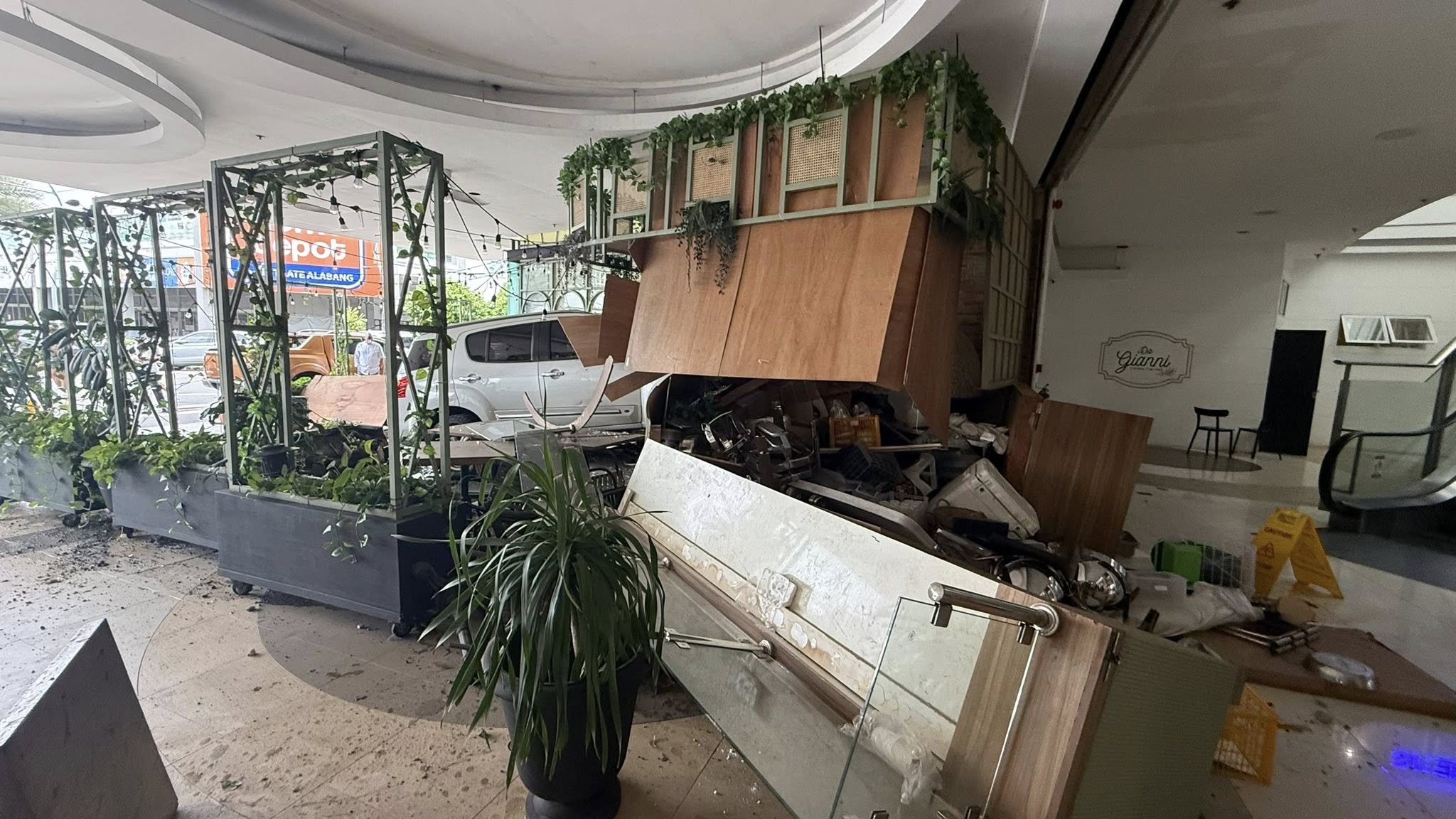
On February 8, Matteo Guidicelli shared a Facebook post about an incident that happened at Da Gianni Cucina Italiana in Alabang.
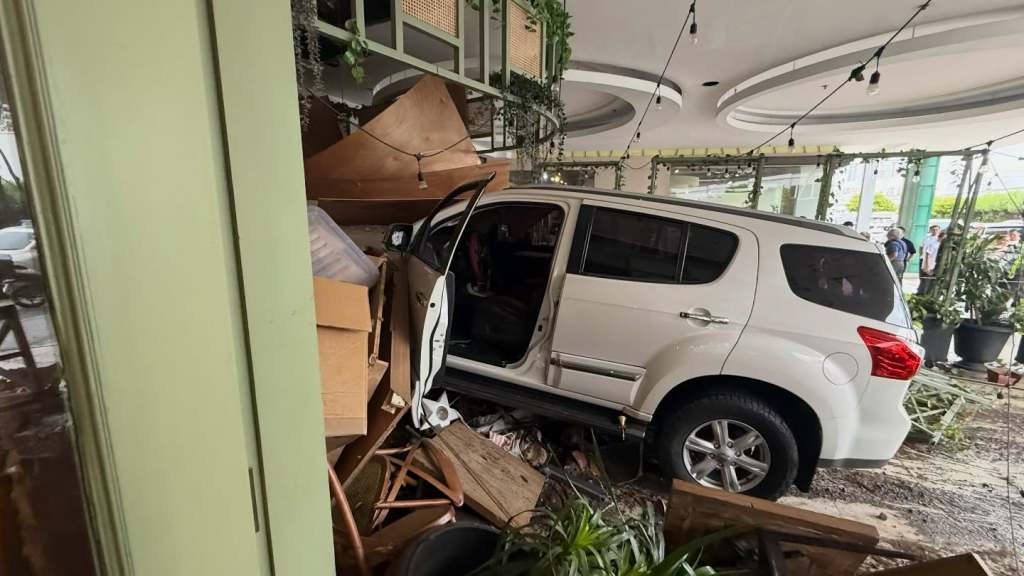
Apparently, a driver rammed her SUV into the al fresco area of his restaurant. No one was killed, but two employees, who were resting in the stock area, got hurt and were given medical attention.
Matteo Guidicelli’s reaction
Although the property damage was great, the deeper tragedy is the discourse surrounding this event. In the aftermath of the collision, Matteo Guidicelli gave a statement that was just as blood-boiling as the driver’s carelessness.
According to him, situational awareness is crucial because this can happen to anyone, anywhere, anytime. As for the driver, he described her as a “very innocent, beautiful lady” who happened to black out, and step on the gas instead of the brakes.
Enough with the victim-blaming
This must be some kind of PR work, but it’s very problematic because it propagates senseless violence. You could have Spider-Sense and still get hurt because of a negligent driver.
While some netizens were praising Matteo Guidicelli for his kindness, others actually sympathized with the driver—as if what happened was business as usual. And that’s the problem.
“Shit happens in the bathroom, not in the driver’s seat.” Cars don’t drive themselves, and if there is a one out of 10 chance that you mistake the gas for the brakes, then you shouldn’t be driving.
Motor vehicles are inherently dangerous, which is why people need a license to drive them. The moment you overlook this crucial fact, it opens the door to victim-blaming when collisions occur.
Driving is a privilege, not a right. That is why not everyone should be behind the wheel. However, because of the car-centric narrative, we treat automobiles as essential modes of transportation.
It reaches the point of double standards where we neglect all the negative consequences, such as loss of life, damage to property, congestion, and air pollution, just so more people can continue motoring.
There’s a term for that; two actually. Car brain is the more common word on social media, while motonormativity is the fancier-sounding term. I actually first heard of the latter from a GCN video of all sources.
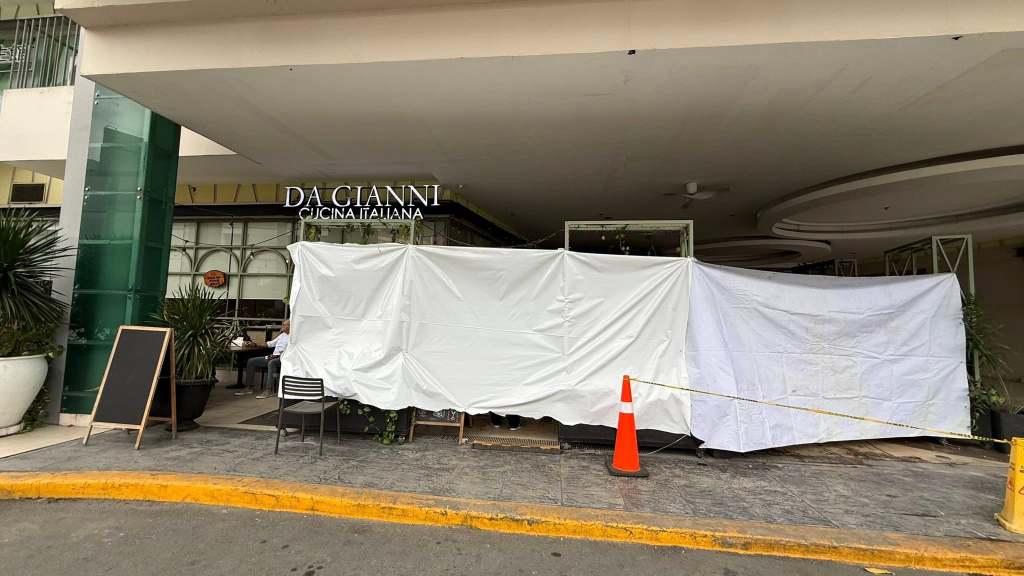
Storefront crashes aren’t common in Metro Manila, but they aren’t new either. The term is more common in the United States of America, where 60 collisions occur each day, according to the Storefront Safety Council. Yes, it’s that bad that such an organization exists, and there’s even a blog post on how to prevent this “epidemic.”
So, how do we solve the issue of storefront crashes?
I read some comments suggesting putting up bollards—similar to the issue with the NAIA T1 crash. However, that doesn’t solve the root of the problem: There are too many cars on the road, and more often than not, they’re being driven by people who shouldn’t be behind the wheel.
If the government is serious about addressing the road-safety crisis, then the Land Transportation Office needs to be stricter with how it hands out driver’s licenses. Knowing how to operate a motor vehicle is not the same as being a safe driver.
The greater tragedy with this storefront crash is this: If the authorities continue handing out licenses to unqualified people (and if law enforcement doesn’t punish dangerous driving), then collisions like this will continue to happen again and again.
We can’t afford to stand still and do nothing. According to the Department of Health, around 12,000 Filipinos die each year due to road crash incidents. This might not sound much to you, but it will matter the moment one of these individuals is someone that you care about.
“Mamma mia!” won’t be enough to describe the pain and grief of losing a loved one.


Leave a Reply