On February 27, 2026, 350 Pilipinas held the “Life with LEVs” event in Quezon City. It was a two-part panel discussion regarding the benefits and challenges facing the adoption of light electric vehicles (or LEVs) and e-trikes. I hoped it would spark meaningful dialogue between commuters and government representatives, but the event gave a glimpse of the true colors of the people in power.

What are light electric vehicles and e-trikes?
Under the Electric Vehicle Industry Development Act, light electric vehicles are electric vehicles that weigh less than 50kg, and are used for private transportation. These usually include pedal-assist bicycles, some e-scooters, and electric kick scooters.
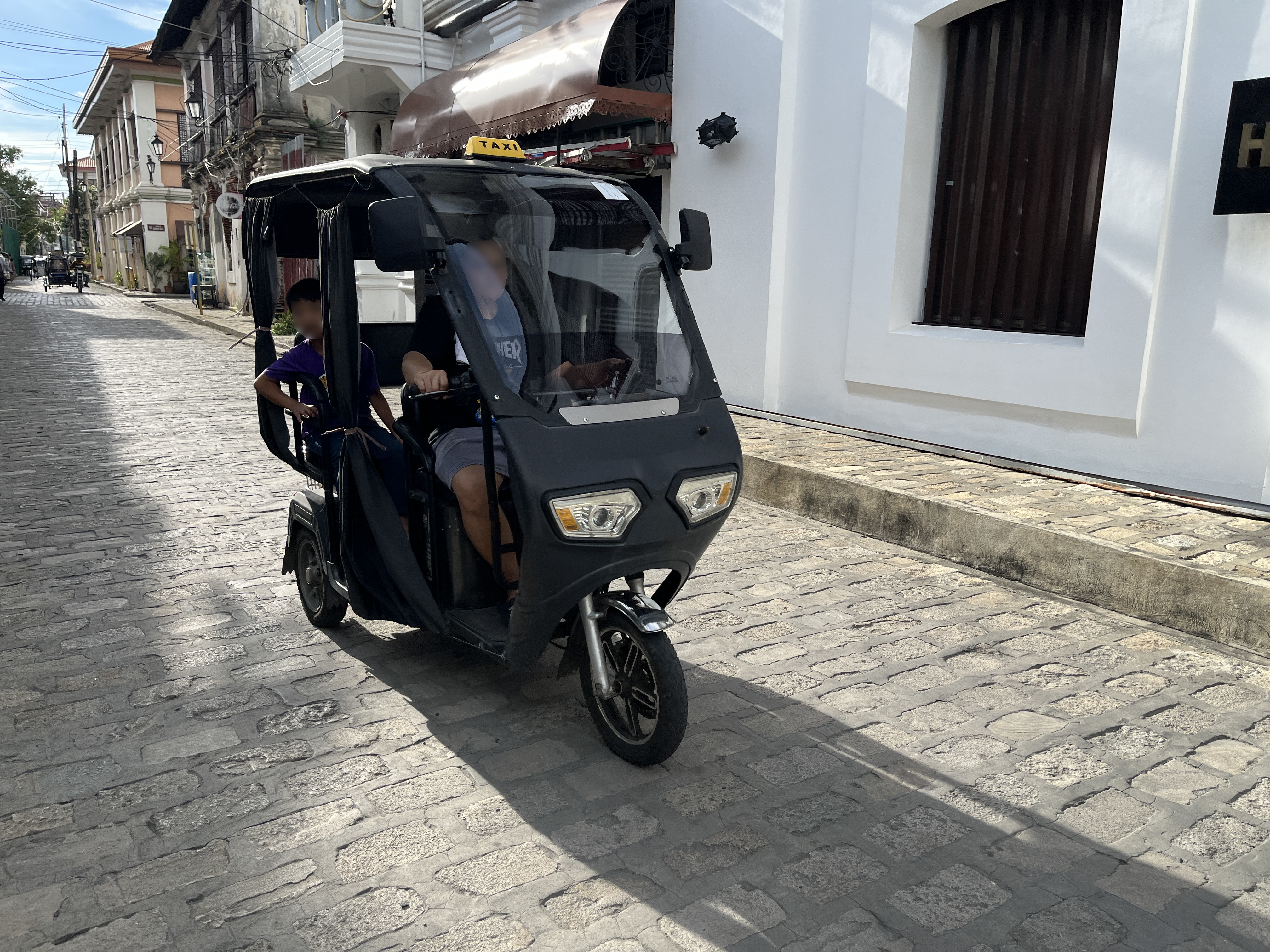
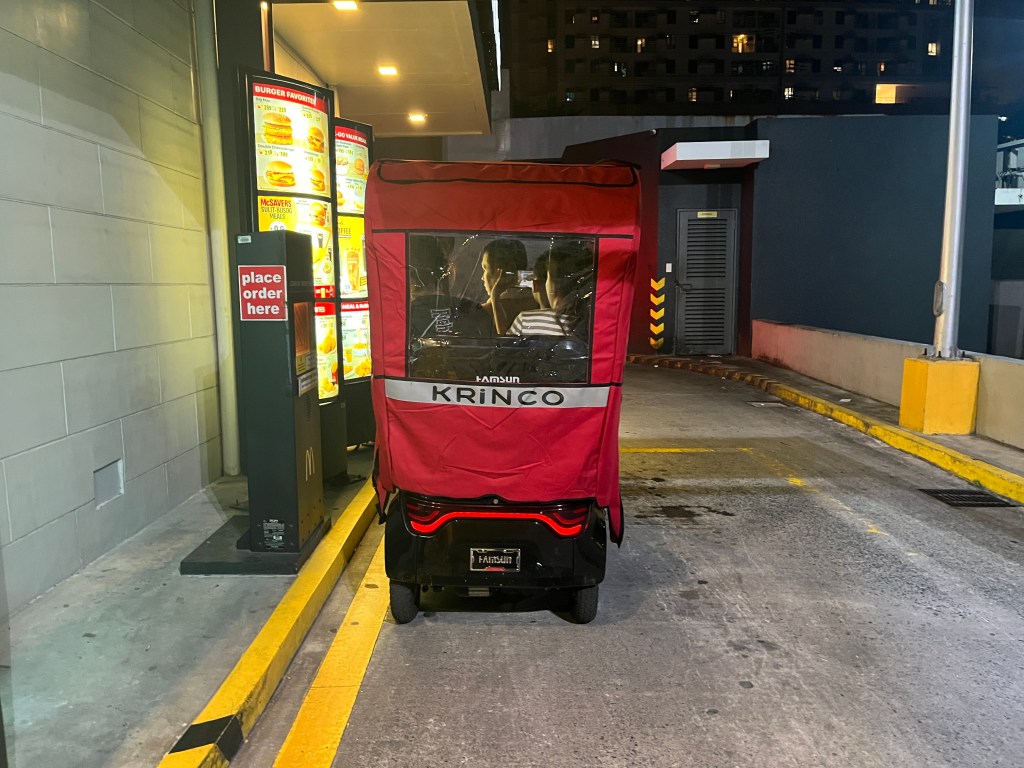
E-trikes are similar in that they serve the same purpose, but the usual electric three-wheelers you see on the road weigh more than 50kg. Because of that, they need registration and shouldn’t mingle with active-transport users on bike lanes.
Before I proceed further, let me make this clear. The point of light electric vehicles and e-trikes is to provide a sustainable mode of transportation, so that Filipinos do not have to resort to motor vehicles, which cause congestion and pollution. Despite the benefits, their adoption is hindered by the lack of safe infrastructure and unclear policy. This is why panel discussions like this matter.
The panels
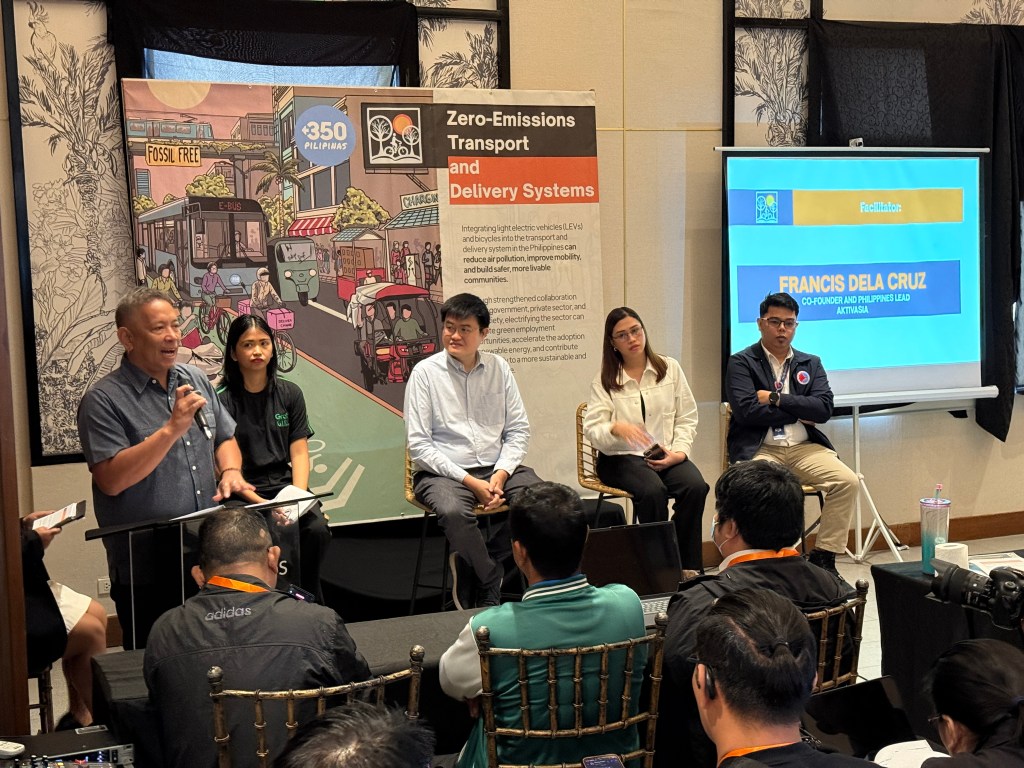
The first panel consisted of Joshua Gan of Exion Cycles, food-delivery service rider Sarah Francesca Aguja (or Sasapaprika) Annmarie Diane Marquinez of the Quezon City Department of Public Order and Safety Green Transport Division, and Rowin Alpeurto of the Department of Transportation.
The insights of Gan and Aguja were valuable since they highlighted the positive impact that light electric vehicles have on the lives of Filipinos. Meanwhile, Marquinez discussed the active-transport planning of Quezon City as part of its sustainable development goals.
This part would have gone smoothly if it weren’t for the car-centric remarks of the moderator, Atty. Ipat Luna of the Department of Environment and Natural Resources. The subject of the whole event is light electric vehicles, so there’s no room to talk about electric cars and charging stations for them. Also, Alpuerto was out of place since he said his scope of work doesn’t cover active transportation or micromobility.
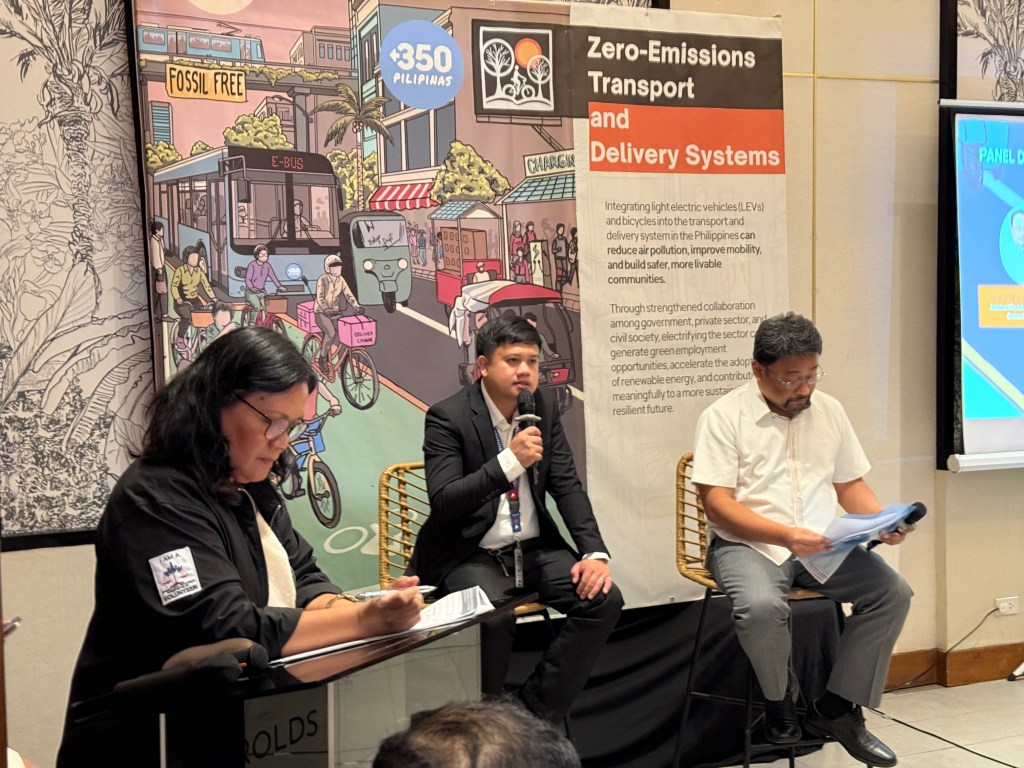
For the latter session, the panel comprised Alberto Kimpo from the Quezon City LGU, Engineer Jan Karlo Reyes of the Land Transportation Office, and Andy Ulgado from the Department of Energy (who was absent). Whereas the first panel talked more about the on-the-ground-experience, this one covered the governance aspect surrounding light electric vehicles.
It was utterly disappointing.

Regulate, don’t eliminate light electric vehicles
Kimpo, in particular, has recognition within the cycling advocacy because of his efforts as assistant city administrator for operations in promoting active transport in QC. He even bought a Popcycle Friend and commuted with it. However, hearing his statements made me question whether he was actually an ally.
For him, the biggest challenge is harmonizing the policies. Everyone needs to be on the same page. And apparently, even he doesn’t see eye-to-eye with the people he’s supposed to be serving. He thinks that light electric vehicles (and even bicycles) need to be registered. This is ironic considering that he’s a government official who has ridden his own unregistered e-bike on public roads.
“Pag-tiyagaan niyo nalang.”
What irked me the most was this: He believes that light electric vehicles should be restricted to bike lanes. Yet, when asked what if they aren’t usable, he said that users should just put up with shitty infrastructure.
This is someone who knows the challenges of cycling on Elliptical Road, but tells people to use the overpass to cross Commonwealth Avenue—because they can’t afford to inconvenience motorists for the sake of road safety. But hey, at least there’s a bike ramp.
As much as I’d like to commend QC for progressively supporting active transport, the statements of Kimpo showed that he still believes that users of LEVs do not share the same right to the road as motorists. And this runs contrary to the LGU’s advocacy for sustainable mobility.
What is the LTO even trying to regulate?
If anyone played the “villain” throughout the event, it would have been Engineer Reyes of the LTO. His agency was in hot water because of how proactive it’s been in trying to ban LEVs (or anything that isn’t a motor vehicle) from the road. Its representative was no different.
According to Engr. Reyes, the LTO has these objectives to make the roads safer: motor-vehicle registration, driver’s licensing, and law enforcement. It only concerns itself with motorized transport, so active transport falls out of its jurisdiction. Yet, the agency is going out of its way to restrict LEVs, as if they governed anything and everything on the road.
He also said the reason why light EVs should not need registration is that they were never supposed to traverse public roads, to begin with. This statement is contrary to EVIDA, which mandates that LGUs develop pathways for them for safe and efficient travel.
Tone-deaf is the best way to describe these two individuals, considering what they said in front of commuters, delivery riders, and transport workers who depend on LEVs for their mobility, and struggle with the lack of safe infrastructure and unclear policy.
Absence speaks louder than words
Ugaldo’s absence spoke louder than the words he delivered via pre-recorded video. Despite all the efforts of the DOE that Ugaldo spoke about in his video, these charging stations cater mostly to electric cars. And when he said that road safety is a concern for light EVs, I knew that was a smokescreen, saying they’re road hazards and obstructions.
I’ve heard Ugaldo speak at a different event about electric cars, where he shared comprehensive information about the developments within the DOE. His department is putting in a lot of work. But when you look at its database of recognized EVs, there is not a single LEV on the list, as of writing. This just goes to show where the priorities lie.
Casting pearls to the swine
“Life with LEVs” had great potential because it could have been the venue where stakeholders brainstormed solutions to address the biggest issues regarding the adoption of LEVs. Instead, the only thing clear was that the people from the government doubled down on registration and restriction. They utterly neglected the premise that these are supposed to be solutions to traffic congestion and climate change.
If this is what our public servants and leaders think when it comes to micromobility, then they deserve all the traffic of Metro Manila. Yet, the problem of transportation is not just one individual’s issue, for it affects everyone. If there’s anything I learned from this event, it’s that we vigilantly need to continue holding our government officials accountable—so that they solve problems, instead of creating them.


Leave a Reply