Bicycles are wonderful machines that have greatly improved the lives of countless people. However, the same can’t be said for the industry.
Buying a bike is great if you want to go fast on the road or ride hard on trails. But for those who just want something simple to commute around the city, you’d be hard-pressed to find the right bike—especially with classic styling.
That’s what I realized when I tried to help my cousin find a full-size bike as an upgrade to her Cranston trifold.
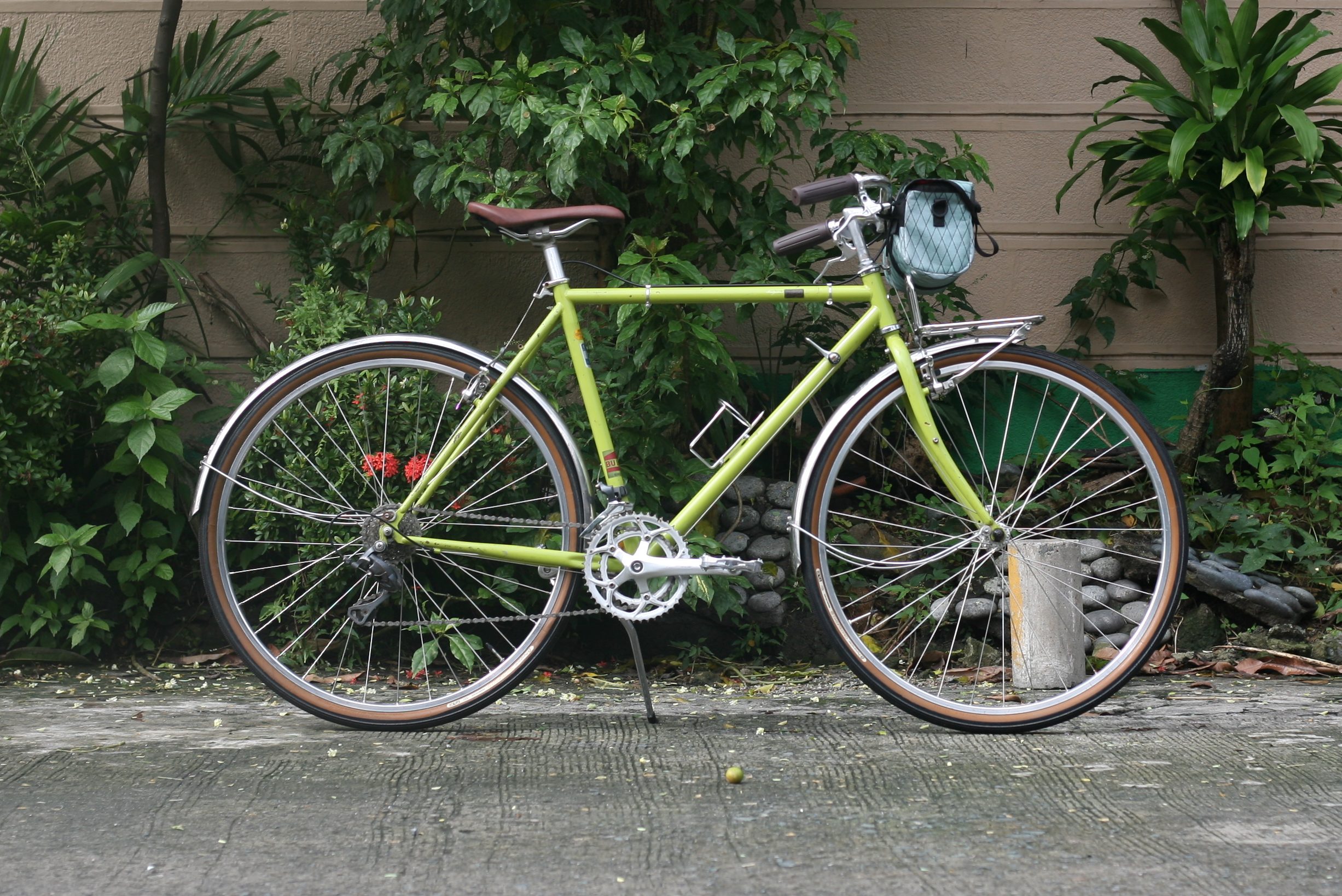
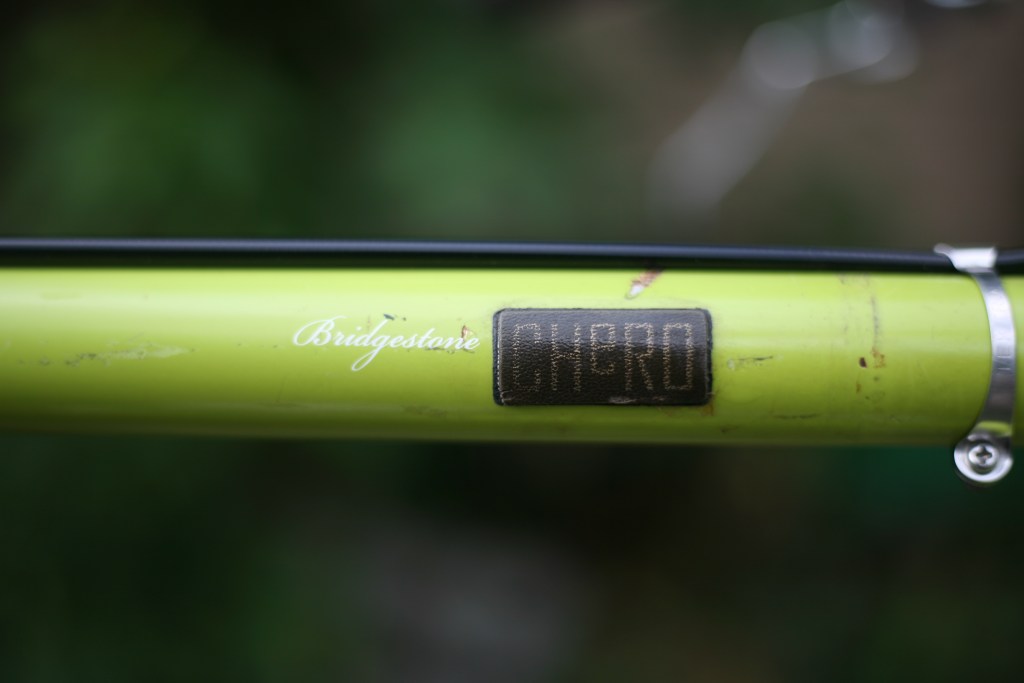
Thankfully, I remembered that an acquaintance of mine from the classic-bike community had a Bridgestone Chero touring bike for sale. Acting as her budol buddy, I helped her build a neo-retro bike for an ordinary person who cares more about style than specs.


What matters in a bike
What makes a good bike? The answer depends on who you ask. However, because people usually associate cycling with sports, they prioritize performance above all else. This makes sense in a competitive context, but this is not what the ordinary person should want or need.
A good bike needs to be simple, comfortable, reliable, and practical. Just as iPhone users appreciate their gadget for its usability, ordinary people should be able to appreciate a bike without getting into the nitty-gritty. The best kinds of bikes are the ones that don’t get in the way of your enjoyment of cycling.


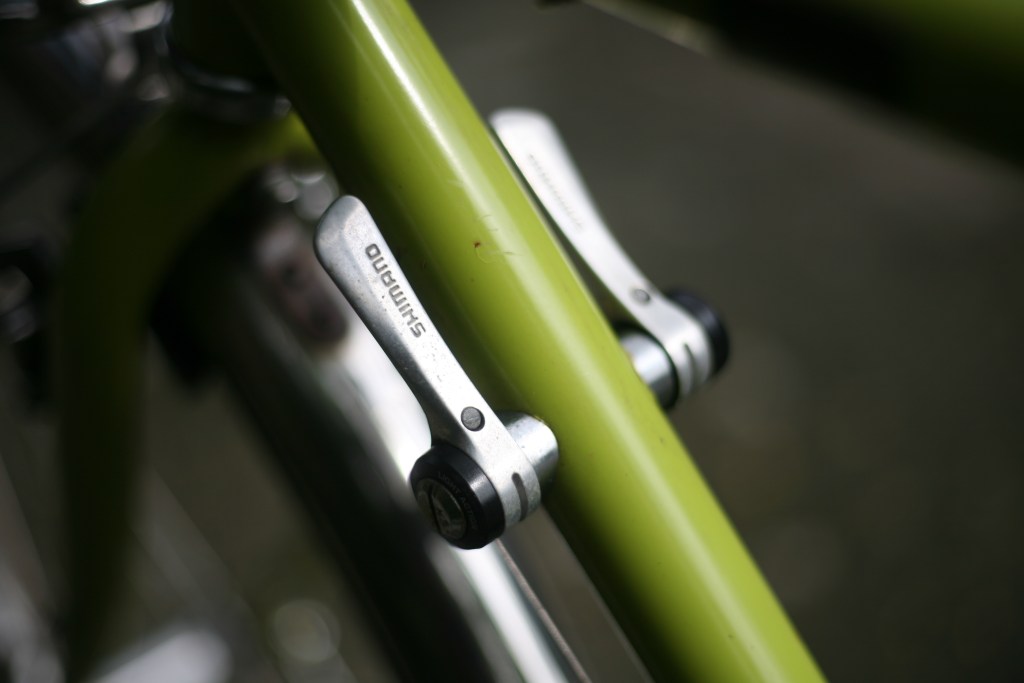
What makes the Bridgestone Chero a good bike?
The Bridgestone Chero is a touring bike sold exclusively in Japan (not to be confused with the mini velo). I was surprised to find a product listing with the exact same color from Yodobashi, of all places—the same department store where you could get a Fujifilm camera and a shit ton of Gunpla. The bike was available more than ten years ago with an SRP of roughly ¥60,000 (or P23,400), which is not bad for a department store bike this stylish.
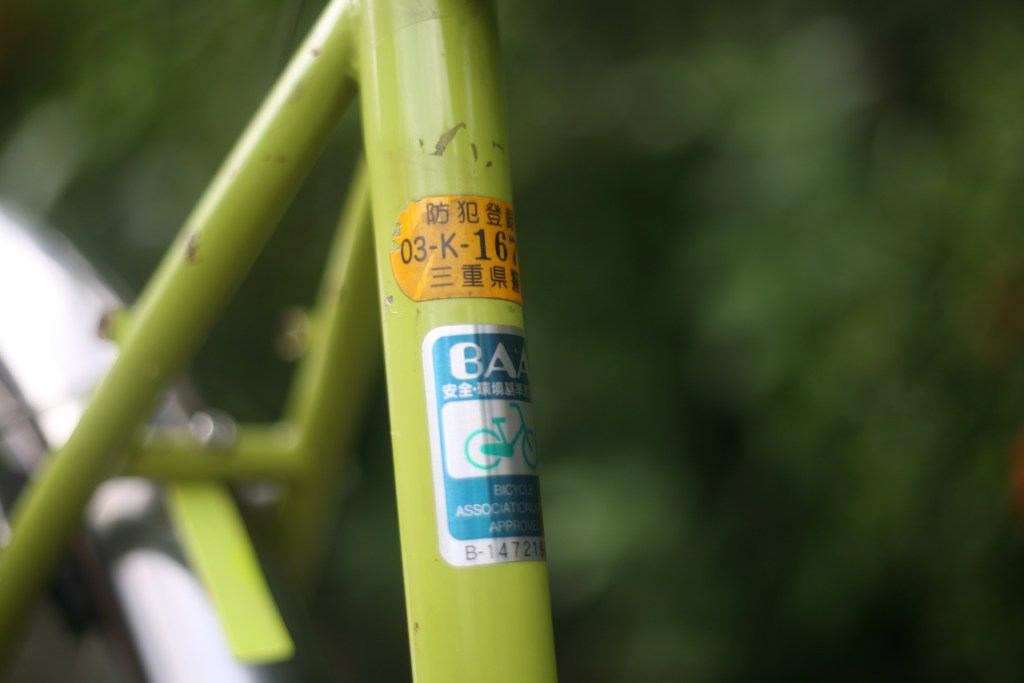
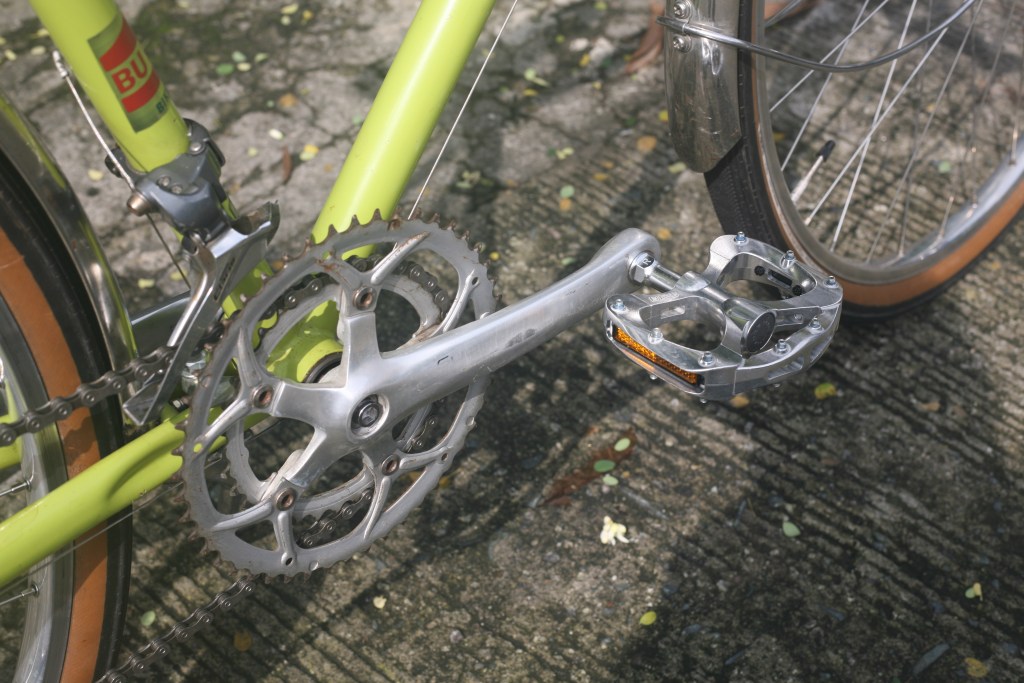
The specs were basic but functional: 700c wheels with silver fenders, cantilever brakes, an eight-speed Shimano Claris drivetrain. Interestingly, the steerer used a quill stem instead of the modern 1 1/8” standard, and the crank was a silver Sugino XD-2. Also, you could still see the registration stickers plastered on the frame.
Based on my previous experience with a Riteway Sonoma, I figured this was a good platform to build a neo-retro commuter. The steel touring frame had the necessary mounts for racks and fenders, and the geometry didn’t require the rider to contort their body for the sake of aerodynamics. The Bridgestone Chero is not as rugged as a mountain bike, nor is it as speedy as a road bike. But that’s fine for someone who just wants to ride casually and leisurely.

Checking out the Bridgestone Chero
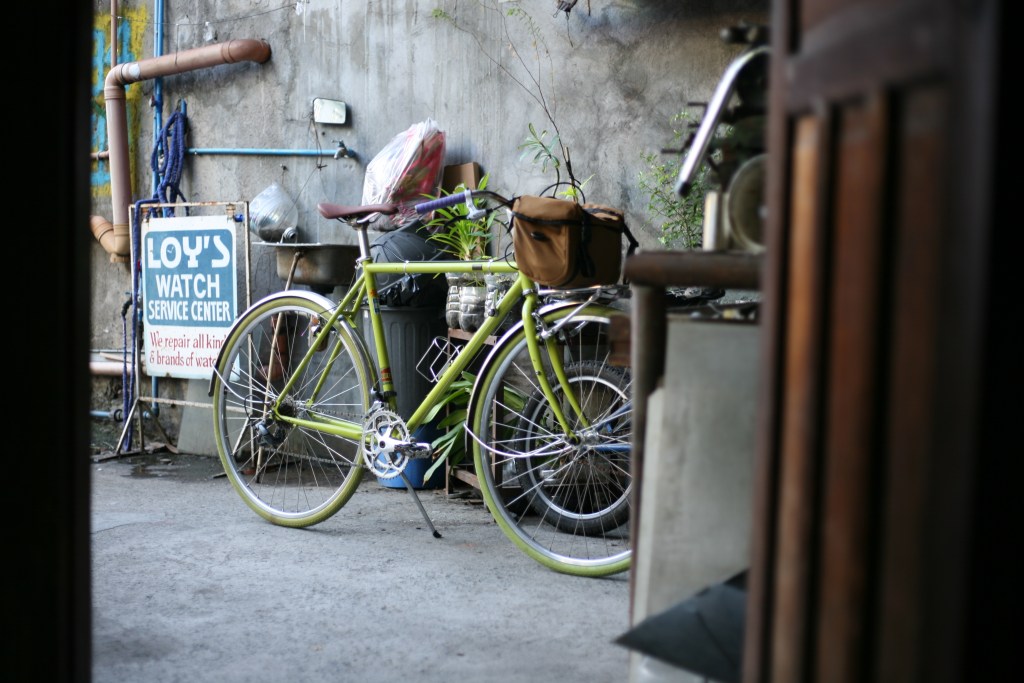
My cousin actually checked out the Bridgestone Chero twice. Although she liked the Tea Green colorway, she wasn’t sure about the fit and condition of the bike. The frame had rust all over while the handlebars were aggressive with a long stem, drop bars, and Guidonnet brake levers.
I accompanied her on the second visit to inspect the bike myself. Based on my assessment, the bike didn’t seem to have any serious issues. But it did need some work for sure. Despite the weird cockpit, we were able to swap out the parts for a shorter stem and a swept-back handlebar to make the fit even more upright.
The Bridgestone Chero was originally posted at P18,000, with P14,000 given as the last price for a friend. However, due to a personal emergency, my cousin was able to get it for P12,000. You’ll find out later one whether or not this was actually a good deal.
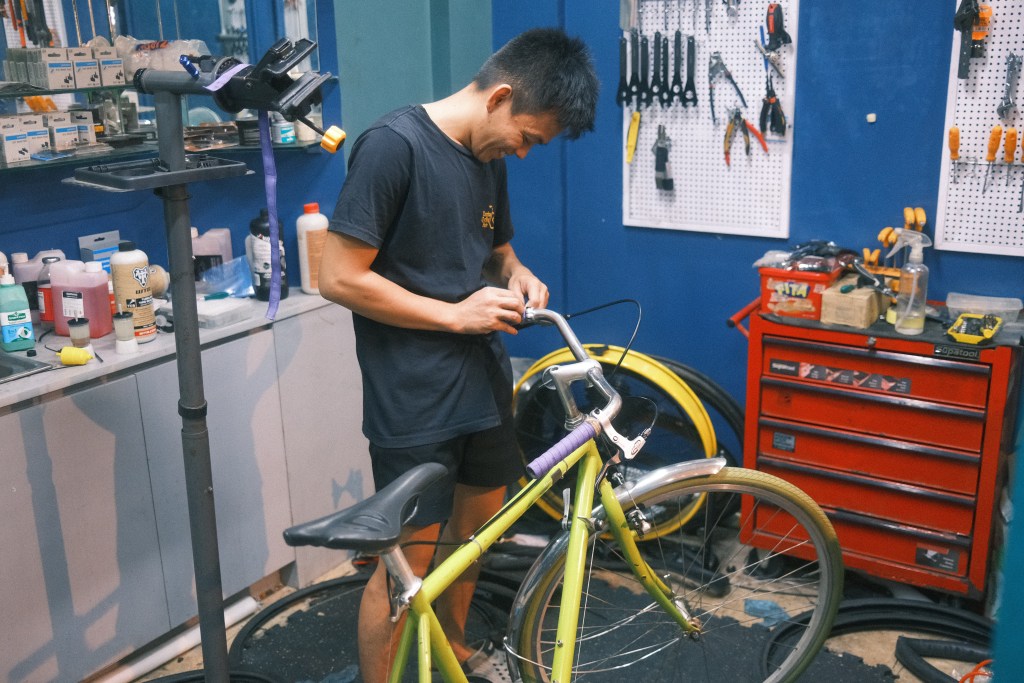
With the deal settled, I loaded the bike into my car and went directly to Tambay Cycling Hub to begin the resto-mod process.

Restoring the Bridgestone Chero
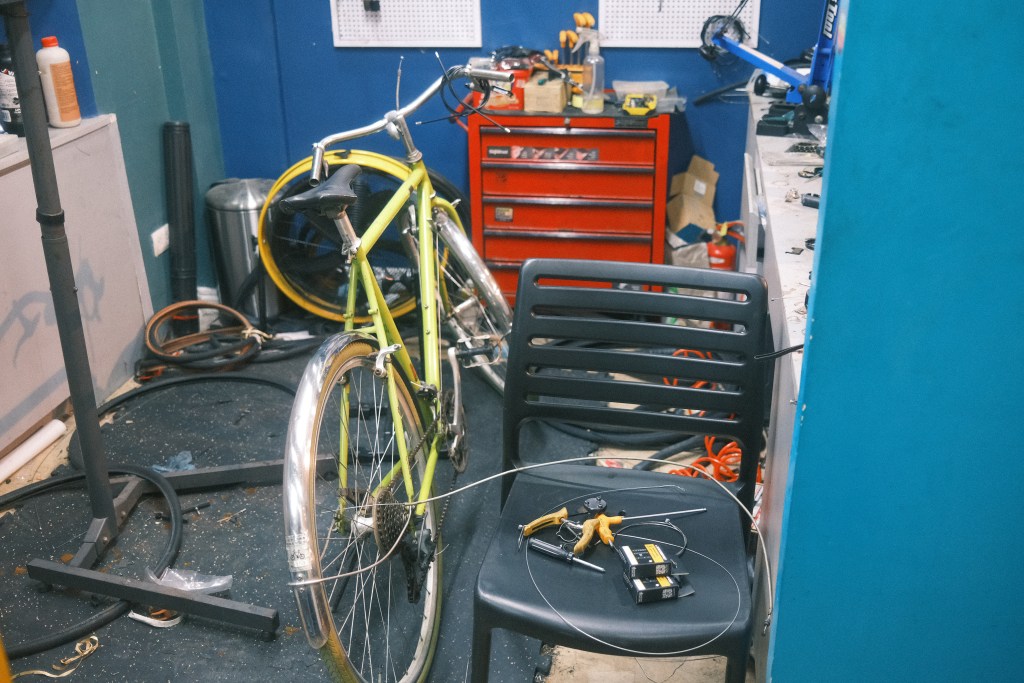
I presumed that since the Bridgestone Chero is relatively new (it’s not a classic bike like my Bridgestone Eurasia or a retro MTB), the restoration would be minimal. I was mistaken.
Looking at the bike, it clearly looked like Japan surplus. There’s nothing seriously wrong with the frame, but it was adorned with scratches and rust—probably from being jammed into a ship container along with many other bikes.
The first order of business was to install the brake levers and change the cables and housing. Apparently, the pads also had to be replaced because they were worn out. The rusted chain was beyond redemption, so I had to change it with a brand-new one. Once everything was installed, the bike was rideable, but not without a few noticeable quirks.
The chain would skip at regular intervals due to a stiff link, so pedaling the bike wasn’t smooth. Adding to the annoyances were the noisy brakes. It was more apparent at the rear because the wheel had a noticeable wobble (also known as “nag-ootso” in Filipino). The chain was fixed eventually, but the brakes and wheels continued to grate on me.
Not only were the spokes stuck due to the seized nipples, but even after replacing those with new pieces, the rear wheel was still wobbling. There were only one of two options: Either Eugene would use brute force to try to bend the rim back into shape, or we would purchase another pair of hoops. Since my cousin was willing to spend, we opted for the latter.
Thankfully, I was able to find parts from an Ave Maldea fixie. The only parts I needed were actually the H Plus Sons TB14 rims, but we didn’t have a choice but to spend P6,000 on the whole wheelset. I’d say this was worth the money since the rims look much nicer than the stock ones (I also wanted to put TB14s on my Bridgestone Eurasia before).

Secondary budol for the Bridgestone Chero
Although the wheelset was a significant expense, it wasn’t the only budol brewing in the background. I told my cousin that she technically didn’t need to change the rest of the parts. But if she were to spend on those, she might as well splurge on the ones that offer the most value for money.
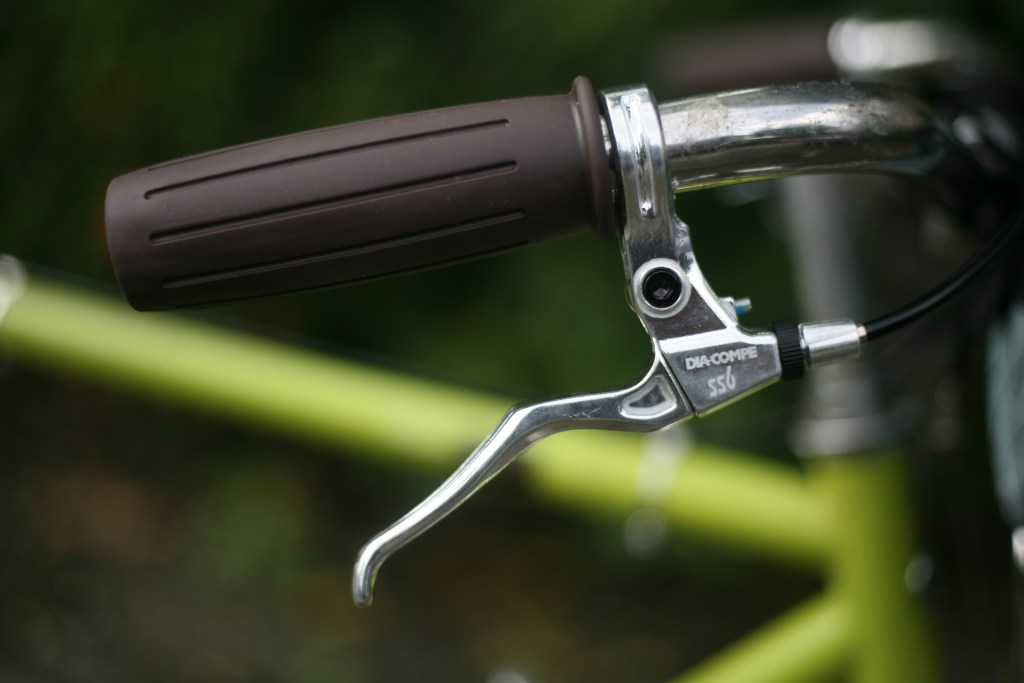
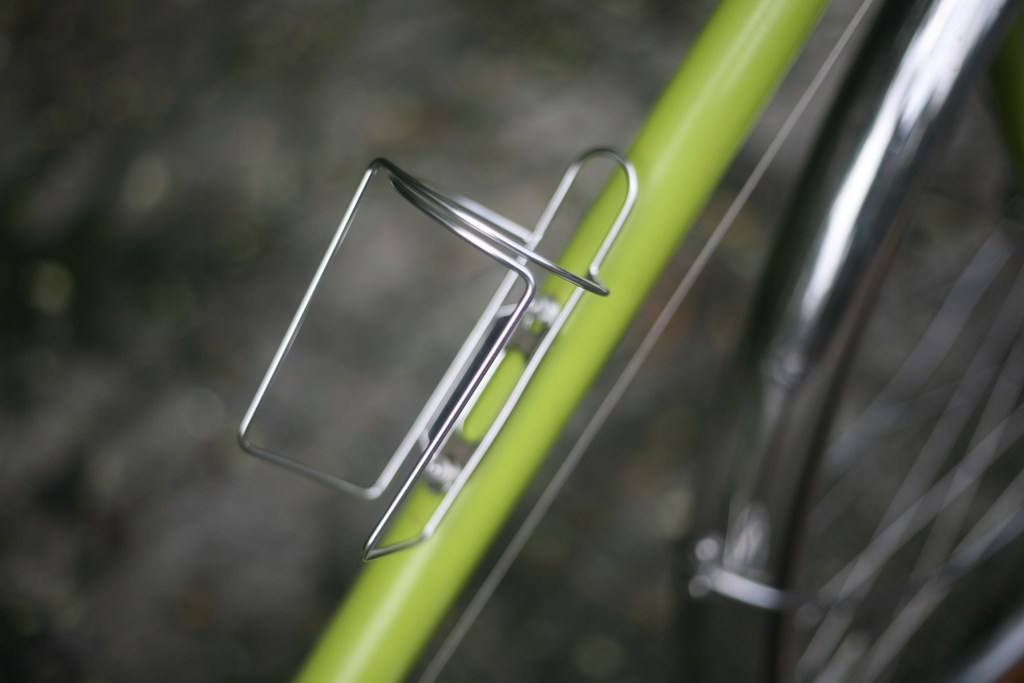
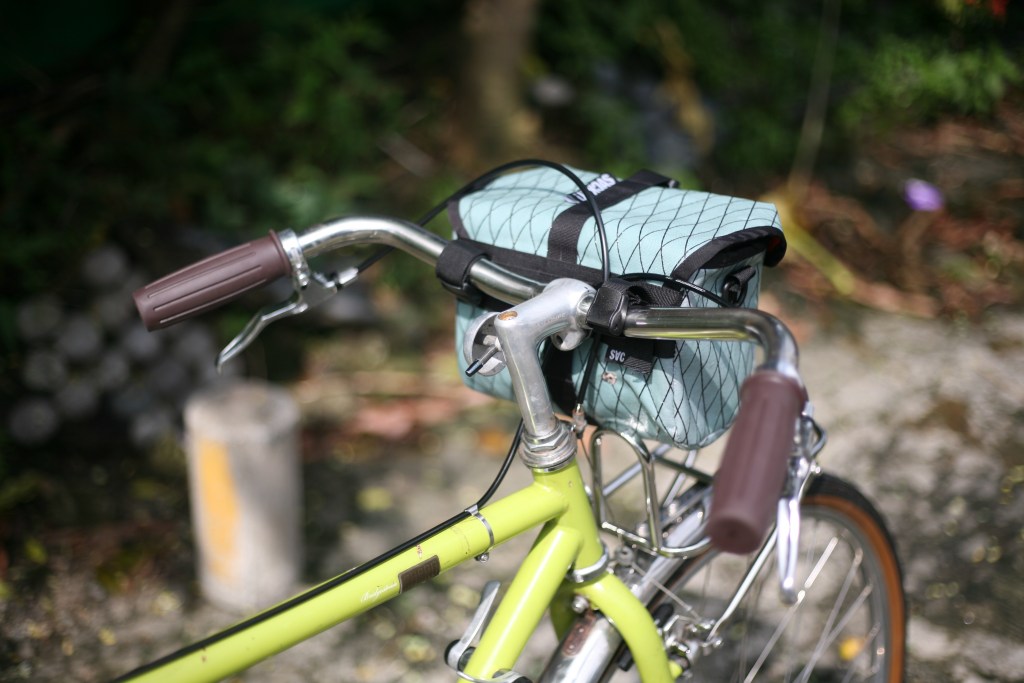
That’s how we ended up with the brown Ritchey Classic Saddle, silver MKS Pretzels, polished Dia Compe SS6 brake levers, and brown Tarugata grips. The first and last were sourced locally, while the other two were ordered from Japan through Shopee.
We also ordered a front rack from Bikedelic so that the bike is ready to carry a bag or a basket, whichever its owner would choose.
The final budol was a pair of tanwall Panaracer GravelKings. The original 32c green tires were visually striking, but their reliability was questionable because of their age. I was hoping the Bridgestone Chero could fit 38c tires like my previous bike, but apparently the frame could only take up to 35c.

How does the Bridgestone Chero ride?
Fixing up the Bridgestone Chero took up more work than I expected. But the end result was worth it. Despite the initial condition of the bike, the owner was determined to restore it because she loved the color that much.
The bike rides just fine. It’s not particularly fast nor slow. The tires don’t feel bone-shattering like a road bike, but neither are they cloud-like as with a gravel bike. Even with the low stack, the riding position is relaxed, and the improvements in ergonomics were worth more than the sum of their parts.
The shifting is a bit awkward due to the placement of the shifters, and as someone used to friction shifting, I’m even less of a fan of the index shifting. Still, they get the job done, and there’s no need to change things up unless the owner notices something.
The brakes are the most important safety feature of any bicycle. It’s not enough that they stop the bike; they must do so with confidence and ease. Despite being rim brakes, the cantilevers bite hard with the new Jagwire pads. And adding the Dia Compe parts made the lever travel even smoother.
If there’s anything that I’d personally add to the Bridgestone Chero, it would be a 3x crank with a granny gear for the hills of Kapitolyo. But since the owner lives in a relatively flat area, and she has no plans of biking to Antipolo and beyond, this is a non-issue.
Cascading expenses
The first cost of P12,000 might sound like a steal, that is until you realize how quickly the expenses stacked up. If you’re planning on building your own bike, it helps to identify what is essential and what is non-essential for your use case and preferences.
The essential repairs and labor amounted to around P3,000, which is perfectly fine. However, because the wheels needed replacing, a new wheelset added around P12,000 to the total bill. Meanwhile, the secondary budol totaled to around P13,000—this would have been the same even for a modern bike.
P40,000 sounds like a big amount for a classic bike, but the numbers alone don’t tell the whole story with this one because of the repairs. That’s why if you’re eyeing a specific classic bike, consider whether the repair costs to get it running will be worth it, in addition to the upgrades and budol that you already may have in mind.
It also helps if the bike was used by its owner. If they ride it regularly, there’s a good chance they’d take better care of it and would be more aware of its issues. That deformed rim was something that even I failed to notice.
Final thoughts on the Bridgestone Chero
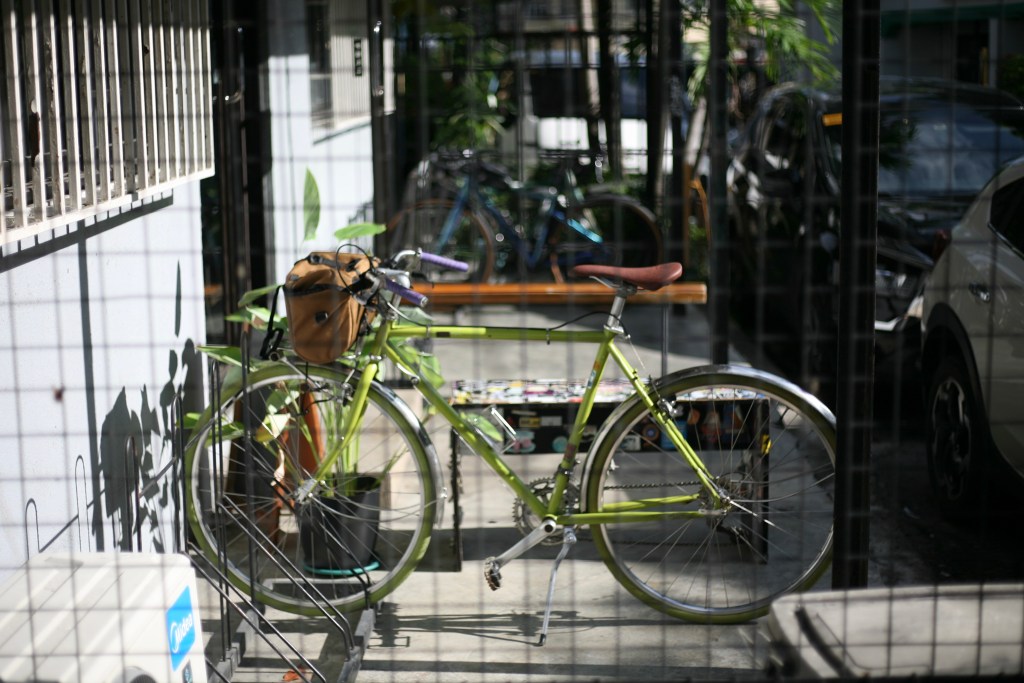
The goal for this Bridgestone Chero build is to create a bicycle that would help its owner appreciate cycling even more. I enjoyed getting creative and resourceful with the parts, and the end result was great.
However, this exposes a deeper problem: Finding bicycles that are simple, affordable, and aesthetically pleasing should not be such a hassle. This just shows how the industry and society at large still view cycling as a sport rather than a form of mobility.
Just as how mobility advocates lobby for better policy and infrastructure, perhaps we should also clamor for more practical products in the market.


Leave a Reply