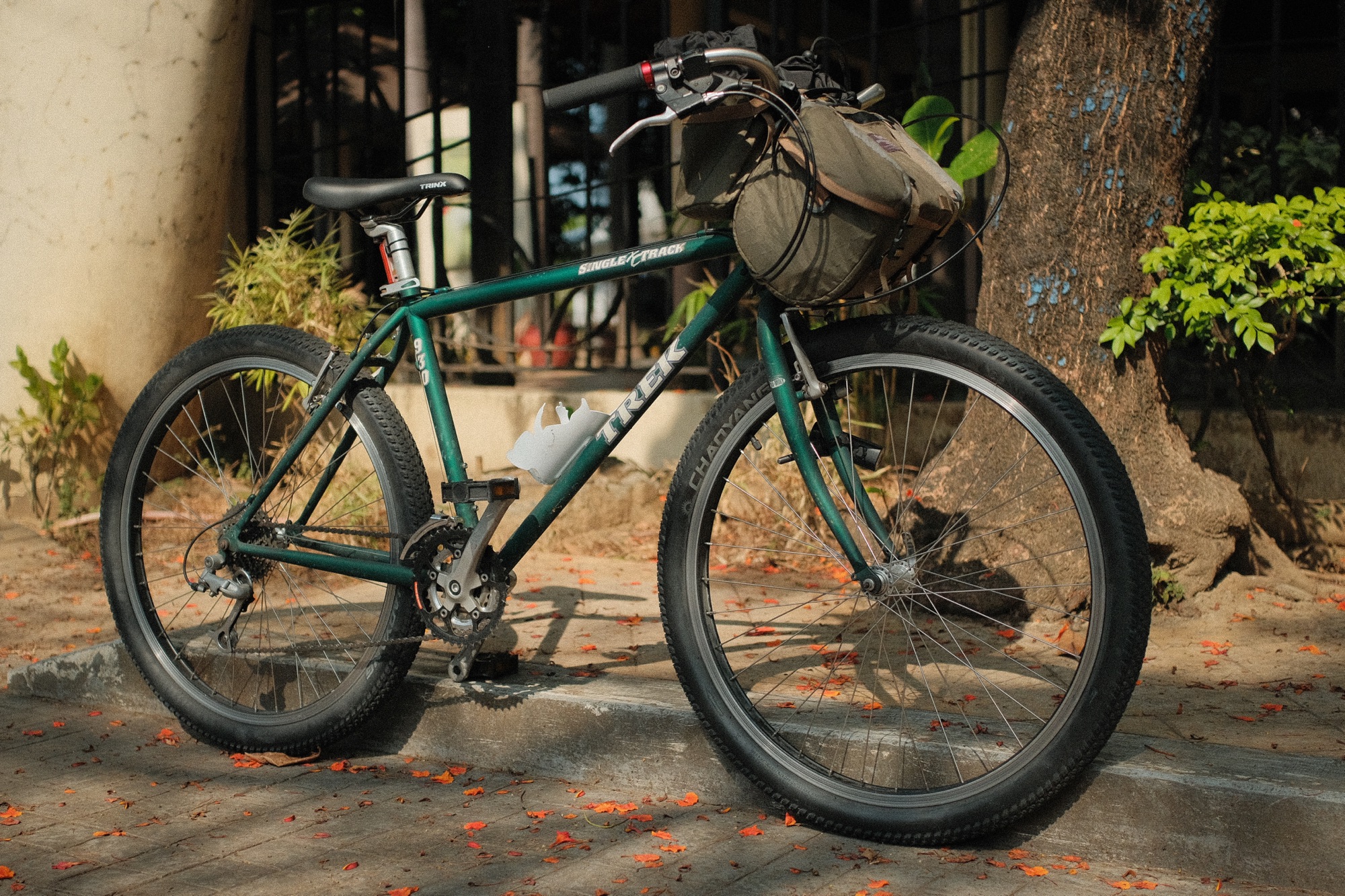
There are so many types of bikes nowadays, and the “specializations” within cycling can be a maze to navigate. Road bikes. Mountain bikes. Gravel bikes. Fixies. Rando bikes. So if you’re looking for that one bike that satisfies most, if not all, your needs, look no further than the retro MTB.
What is a retro MTB?
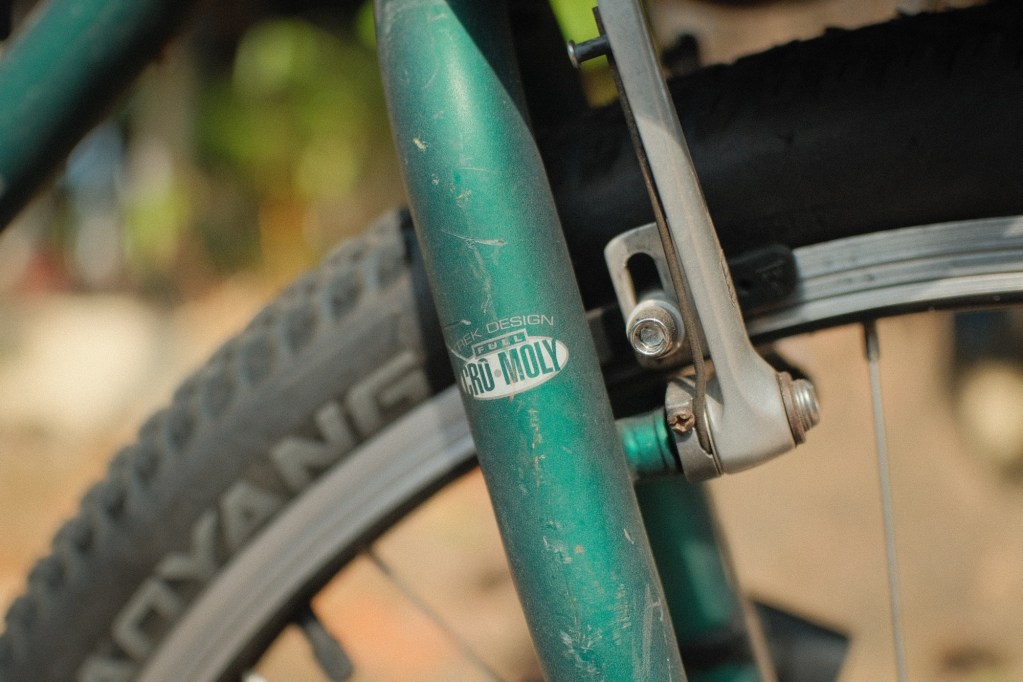
A retro MTB is any steel mountain bike that was produced between the late 1980s and late 1990s. The more common brands out there are: Trek, Cannondale, Specialized, GT, and Bridgestone. And you can tell if it’s a retro MTB if it’s got the following:
- Rigid steel frame (usually chromoly steel)
- Uses 26″ wheelsets
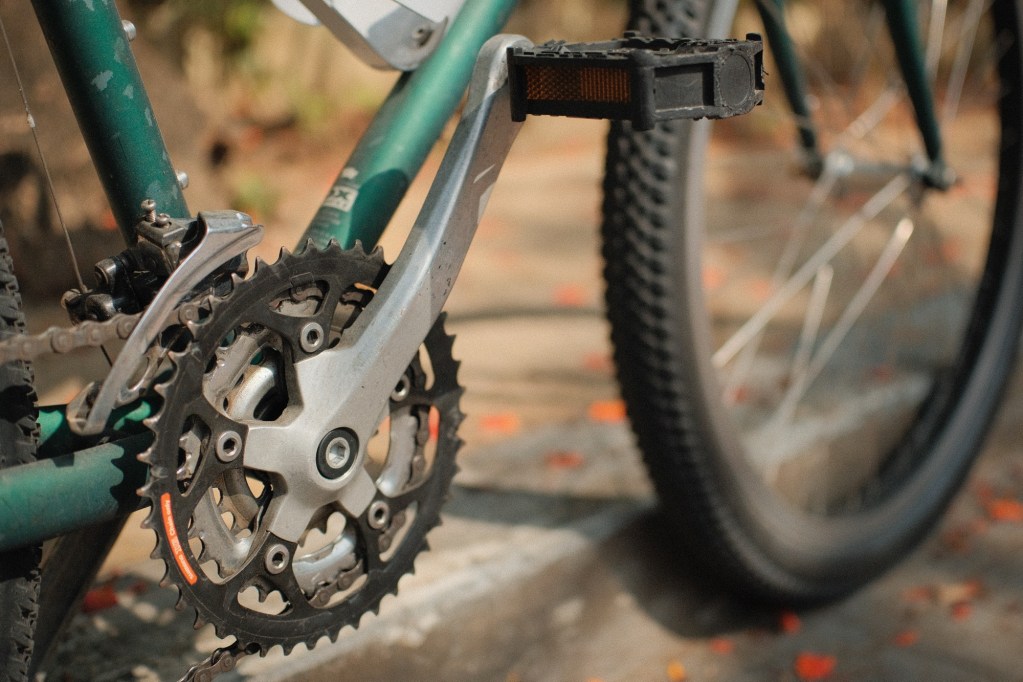
- Equipped with flat handlebars, triple chainrings, and thumb shifters
- Uses cantilever or v-brakes
Most bikes available on the second-hand market are usually around 30-40 years old. That may be dated for some, but with a little care, this bike can get you to places much better than the latest road bike.
I loved my days with the Trek 930

Before getting sucked into rando bikes, I initially wanted a retro MTB because it was far more accessible for my height. When Leandro kept showing me a listing for the Trek 930, I figured it was time.
I bought it from my friend Nigel, who also sold the Fuji Olympic to Leandro around the same time. It was my go-to bike on most days, whether catching up with friends in my neighborhood or going all the way to Intramuros to give a tour to my office mates. It’s much lighter than Lucien and, despite being a 26er with knobby tires, it’s fairly zippy; I can easily maintain an average speed of 19kph on flat terrain. Given the bike’s wheel size and the handlebars, the ride feels generally easy, and I feel confident on it.
The braking power was great as well, since its bite really stopped the bike from moving. I’ve always disliked rim brakes, despite their simplicity, but this one made me rethink my choices (I will still use mechanical disc brakes on my steel bikes, though).
But my ownership was short-lived. I had to sell it because my minivelo project is nearing completion, and the Trek might feel out of place between Lucien and the MV.
Nonetheless, it’s a formidable commuter bike that turned heads and became a consistent conversation piece. It’s one of my favorite bikes that I’ve owned, albeit briefly, and I hope the new owner will enjoy it as much as I did.
But why do people like Retro MTBs?
When I had the Trek, I finally understood why people like retro MTBs, and why others use them as commuters, touring bikes, cafe cruisers, and even grocery haulers. Their popularity is driven by both nostalgia and by their adaptability, durability, and repairability, qualities that are not always prioritized in modern bikes.
But that’s me. Here are 4 other reasons why people love retro MTBs.
1. They’re versatile
One of the biggest reasons people gravitate toward retro MTBs is that they can do almost anything reasonably well. In many ways, they embody the idea of the “all-around bike” better than many modern bicycles, which are often designed for very specific purposes.
This versatility comes in handy in a place like Metro Manila, where the roads are bad, and traffic is even worse. This is one bike that can easily go over potholes and uneven roads without a hitch… well, mostly.
They’re also easy to customize. You can add a rear rack for panniers, a sweptback handlebar, and other components to make your bike commuting experience more enjoyable.
2. They’re mechanically simple
Retro MTBs came from a time when bikes didn’t rely on proprietary standards. They’d use external cable routing, threaded bottom brackets, rim brakes, and mechanical drivetrains that can be repaired with basic tools. If you enjoy understanding how your bikes work, this simplicity is part of the appeal.
Mechanical simplicity also makes these bikes easier to keep alive for decades, which is why the retro MTB has pedaled through the test of time. While some parts may be harder to source, these bikes are rather easy to repair and maintain.
3. They blur cycling categories
I’m the type to compartmentalize my bikes based on use case. Lucien is the bike that gets out more, while the minivelo will tread parts of my neighborhood and its environs. I’ll most likely get my own Java Neo for bimodal trips.
But if you’re happy with a one-bike-fits-all affair, the retro MTB could be for you.
A single retro MTB can be a commuter during the week, a touring bike during long weekends, and a casual social bike when you’re itching for a city ride. Build them into bikepacking rigs or transform them into urban utility bikes with baskets and racks. Or simply leave them mostly stock and enjoy their adaptability as-is.
Many cyclists are less interested in optimizing for speed or competition and just want to have a good time. Retro MTBs fit naturally into that mindset because they were designed during a period when bikes were often expected to handle a little bit of everything.
4. They’re affordable entry points into cycling
While contemporary gravel or commuter bikes can be expensive, even at entry level (with shitty entry-level components), older mountain bikes are often available secondhand at far more affordable prices.
(I bought the Trek 930 at P15,000. Others can go for much lower, but do check the state of the bike if it sounds too good to be true.)
If you want to go back to bike commuting because of the oil crisis, retro MTBs offer a sensible starting point. A used steel-frame mountain bike paired with a few thoughtful upgrades can become a capable and enjoyable everyday commuter without requiring a massive financial investment.
As you get used to the bike, you’ll feel more comfortable modifying it, repainting it, attaching racks and bags, or learning mechanical skills. Instead of being treated as fragile performance machines, a retro MTB can be the only bike you’ll ever need.
Would you get a retro MTB?

Retro MTBs aren’t perfect, though. They can be heavier, slower, and less technically refined than many contemporary bikes. But that’s why they’re well-loved in the cycling community.
Cycling isn’t always about performance metrics. Sometimes, a good bike is simply one that gets you out of the house, brings you to work, and lets you explore your city comfortably.
This is the allure of retro MTBs: practical bikes with the ability to adapt to everyday life.


Leave a Reply