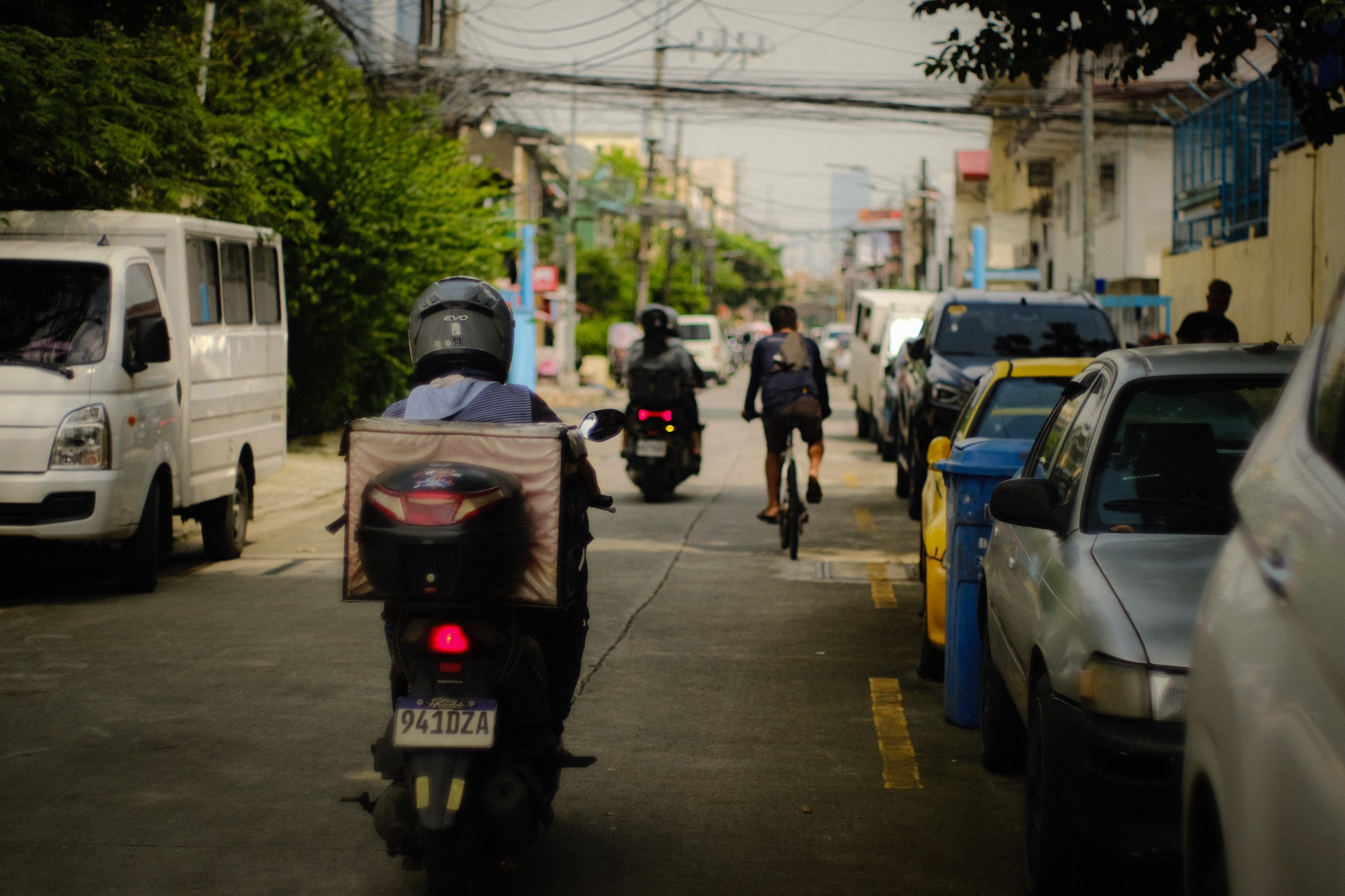
When will our local government units ban street parking?
Social media was lightly abuzz with news about a car blocking the way of fire trucks in Brgy. Bangkal, Makati. The trucks had to squeeze in between several parked cars on both sides of the already narrow street, and one truck damaged a black sedan on the right side, slightly dragging it out, scratching the paint of the doors on the driver’s side, and detaching part of the bumper.
The driver, who was inside the sedan when the fire trucks passed through, dared to smack the car on the left side of the street out of frustration.
The Land Transportation Office (LTO) is investigating the matter and has issued a Show Cause Order while placing the driver’s license under a 90-day preventive suspension during said investigation, and “placing the vehicle under an alarm status,” according to ABS-CBN News. This means that the owner cannot register and transfer ownership of the vehicle should they be found guilty of violating Republic Act No. 9514, or the Revised Fire Code of the Philippines of 2008, for blocking an emergency vehicle.
This is clear: The negative effects of car centrism, which includes street parking, affect everyone.
The Street isn’t your Extended Garage

Here’s the thing that car owners do not understand.
Roads are for passing through, not for storing your vehicle.
Last March, a fire erupted in Brgy. Kapitolyo. I was on my way home from Manila when I saw a dark puff of smoke near where both Leandro and I live. I arrived in the midst of chaos, but after a while, we were given clearance to go back to our respective homes via Sta. Maria, especially since we were both on bikes. However, it was a tight fit: we had to squeeze between cars and fire trucks. If cars weren’t parked on the street, we wouldn’t have a hard time going back home.
Emergency responders, be they firemen, police officers (begrudgingly), or healthcare professionals, know that every second matters when they need to save lives and property, so every obstruction in their path stops them from doing their job. This is more evident in one-way streets or narrow pathways where two cars can snugly fit if they need to pass each other. Now, add parked cars on both sides, and these create bottlenecks that block emergency vehicles. It’s even worse when a car parks directly in front of fire hydrants.
Making It Inconvenient In the Pursuit of Convenience
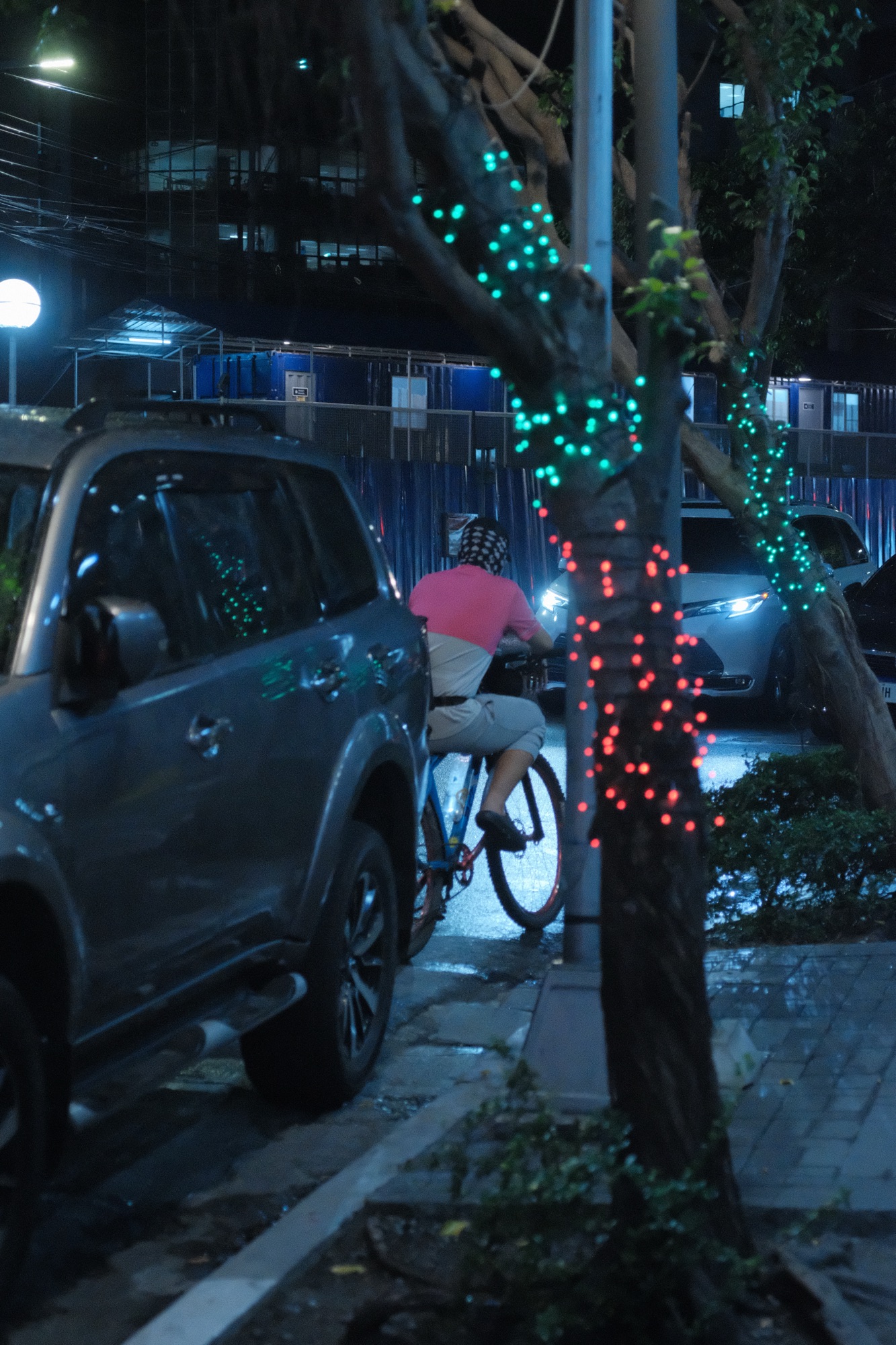
The issue of street parking is a bit nuanced in financial centers.
Makati CBD, particularly in mixed-use neighborhoods like Salcedo and Legazpi Villages, is full of street parking, but unlike illegal or informal parking spaces, this is a profitable business. For a set time, motorists can park their cars at street level and do what they need to do, whether that’s having lunch with their friends or doing their errands. If they need to extend, they either need to move their car to another vacant spot or pay more. To most people, this is a “necessary evil.”
To some extent, I agree that privatized street parking is an unfortunate requirement of being in a business district. A total ban on street parking in business districts is unlikely for the time being. A bigger issue, though, is that motorists will still park in spaces where car parking is not allowed, with the excuse that they or their passenger will just take a few minutes to purchase something at a convenience store or cafe. These few minutes of idleness and waiting choke thoroughfares and create artificial bottlenecks, thereby increasing risks for all road users, especially vulnerable road users and emergency services.
Imagine your car being the reason why an ambulance or fire truck is stuck on that street for five to ten minutes because you’re getting coffee at the corner cafe. Doesn’t that bug your conscience?
Convenience as a Hazard
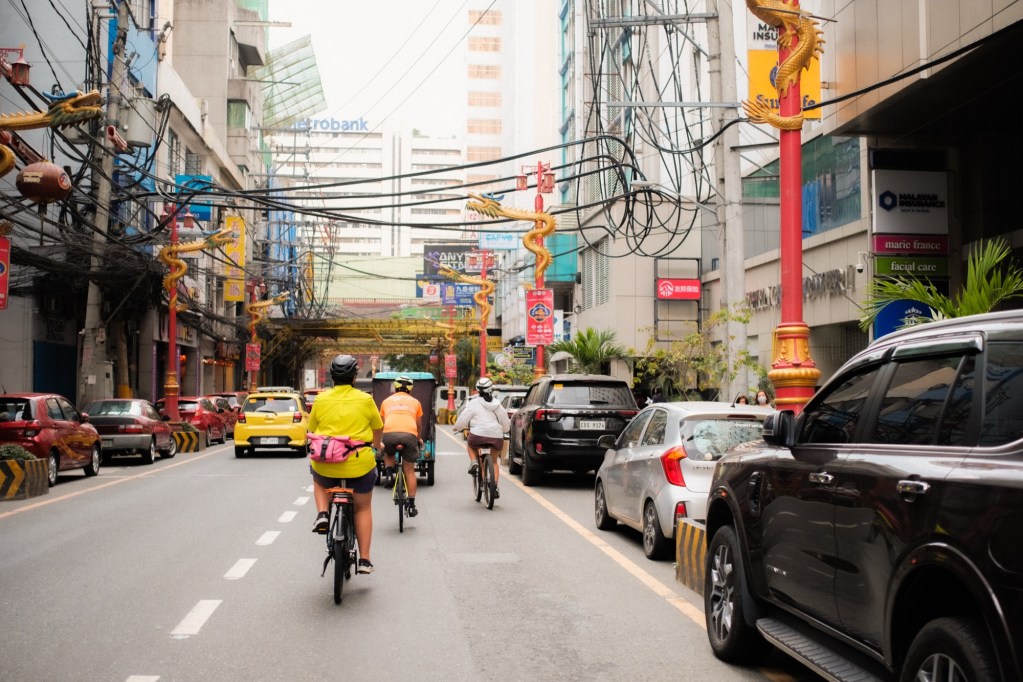
It’s not just emergency responders who have a difficult time going through these car-riddled streets: It’s the residents themselves.
Ideally, urban design approaches should minimize or totally clear any visual distraction at certain parts of the street, like intersections. That is the daylighting principle. But the opposite is in effect: Street parking turns residential roads into obstacle courses.
For example, when a car parks right up to the corner of an intersection, pedestrians crossing the street will be blind to oncoming traffic. In several cases, the pedestrian is forced to go into the road and extend their neck to look if there’s an incoming vehicle. This norm is dangerous. It’s worse if it’s a child or a senior crossing the street.
On the other hand, drivers may have to maneuver their way around inside the car to see if the coast is clear. This could lead to distractions and unwanted incidents.
As well, if a sidewalk is nonexistent and cars are parked too near the wall, or if a car is directly parked on the sidewalk, pedestrians are forced to walk directly along moving traffic.
What can LGUs Do Now?
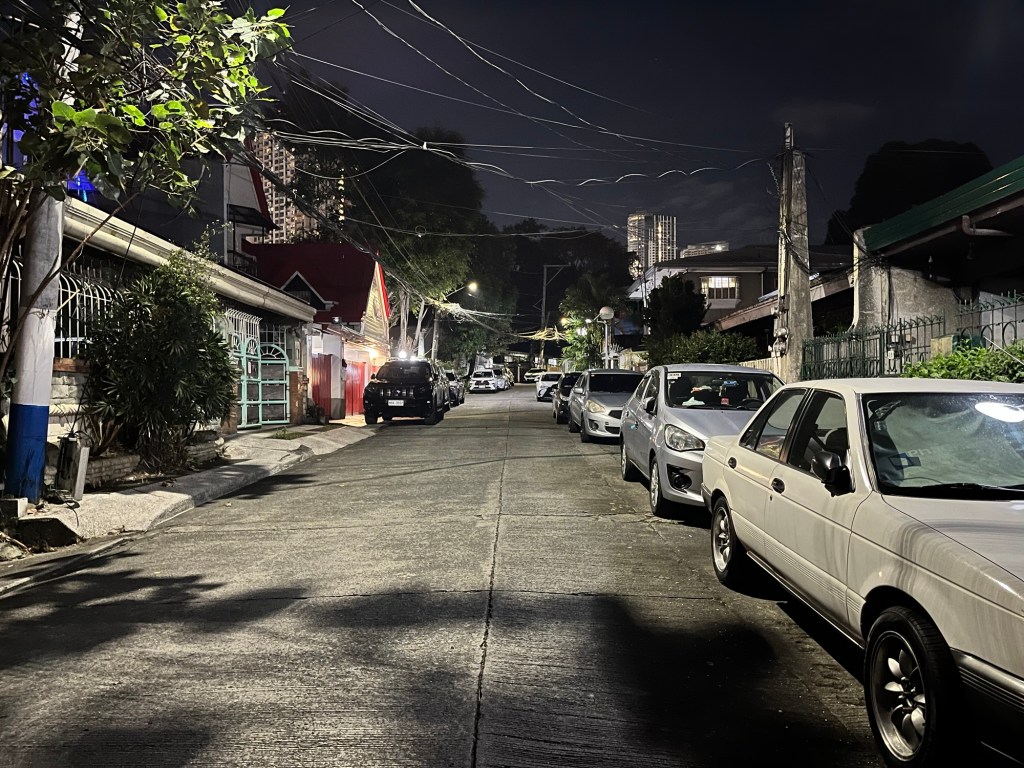
National policies will definitely take time to change, but I think at the city and barangay levels, change can happen quickly… as long as there is political will.
For starters, barangays can designate mandatory “no parking” buffer zones before and after every intersection, especially before crossings. This is to restore sightlines for drivers and pedestrians. Maybe the city’s Traffic Management Office can enforce zero-tolerance double parking: Think of instant clamping, towing, and heavy fines for cars blocking bike lanes, a majority of the road, fire hydrants, intersection corners, and even the gates of houses that aren’t theirs.
Most importantly, LGUs need to collaborate with their barangays and prioritize active transport and open corridors. To be honest, as someone who lives in the residential area, I hate how the streets here aren’t pedestrianized. These roads should be for the people. Many streets here are too narrow for traffic and parking, so the LGU should prioritize emergency access, better footpaths, and encourage people to bike or take micromobile transport (tricycle, bike) around their area.
Time to Park the Car Somewhere Else
If we want safer, liveable communities, we need a city-wide change of mindset, and LGUs need to stop treating street parking and the inconveniences it causes as an aspect of the everyday.
A car owner’s convenience is not worth more than someone else’s safety, and certainly a car user does not have more rights than a residential pedestrian. Clear the streets; our lives literally depend on it.


Leave a Reply