
Ever since my mom died last August, I’ve been commuting to and biking in Valenzuela almost every month to learn more about my grandfather’s hometown–and of course, visit the family grave. Valenzuela is known as Metro Manila’s industrial backbone because of its numerous warehouses and factories, especially along MacArthur Highway. Because of this, it’s seen only as a pass-through city. Most travelers don’t give it a second thought as they ride into Central and North Luzon via NLEX.
But what people don’t know is that Valenzuela is rich in architectural heritage, and many of these places are accessible by bike… with some caveats. Now that the Polo Riverwalk is gaining traction in the bike community, it’s time to show people that this city offers more than just logistics centers.
A DIY City Bike Tour
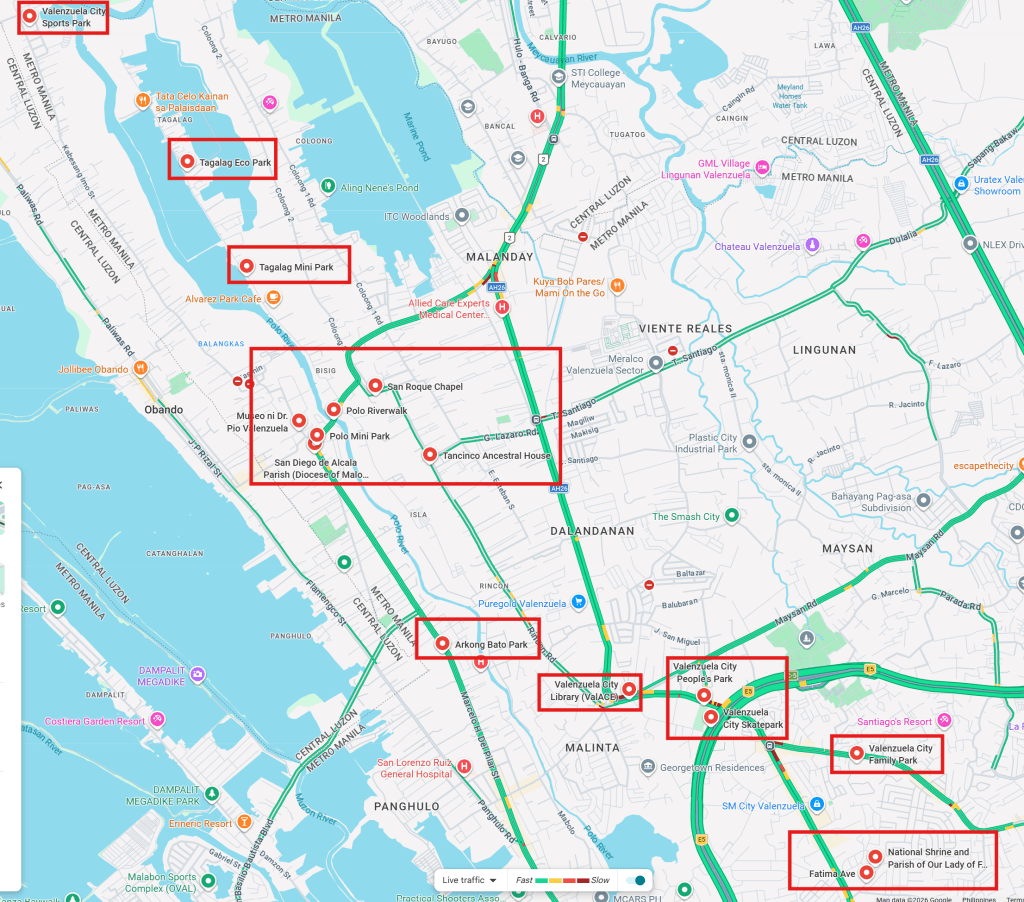
For this trip, my friend Wil of Sakay.ph joined me in visiting some of Valenzuela’s older sites. Despite living in Valenzuela for most of his life, he wasn’t aware that most of these places exist, so this is something new for him, too.
I took my Brompton C Line with me and used the MRT to reach Wil’s place in the Scout Area. A little after lunch, we rode out in his car. The ride was uneventful, and by the time we reached our destination, the Museo ni Dr. Pio Valenzuela, we took out our folding bikes and waited for my point of contact.
There wasn’t a clear agenda; we were hoping the tourism office would join us or, at the very least, give us a set route to follow. Instead, we created a plan based on the city map and checked what we could cover in less than two hours. After the museum tour, Wil and I decided to stop by:
- San Diego de Alcala Church and Bell Tower
- Pio Valenzuela’s gravesite (next to my family’s grave)
- Arkong Bato
- Tancinco Heritage House
Museo ni Dr. Pio Valenzuela

While waiting for our contact, we decided to take a free tour around Pio Valenzuela‘s ancestral home-turned-museum.
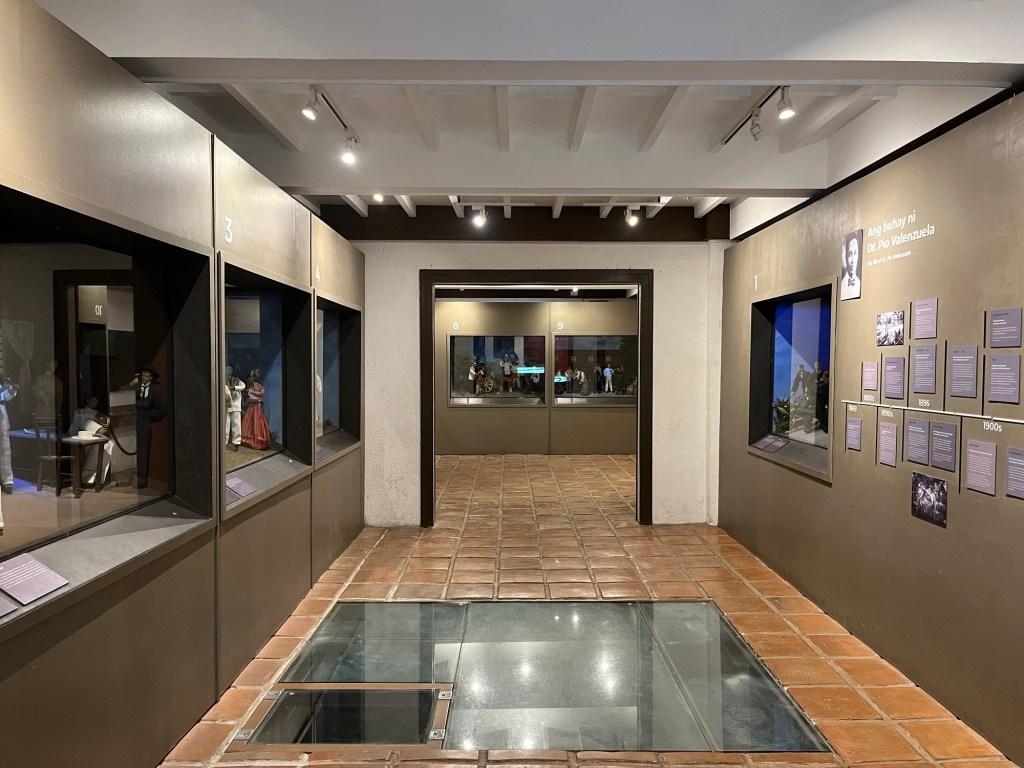
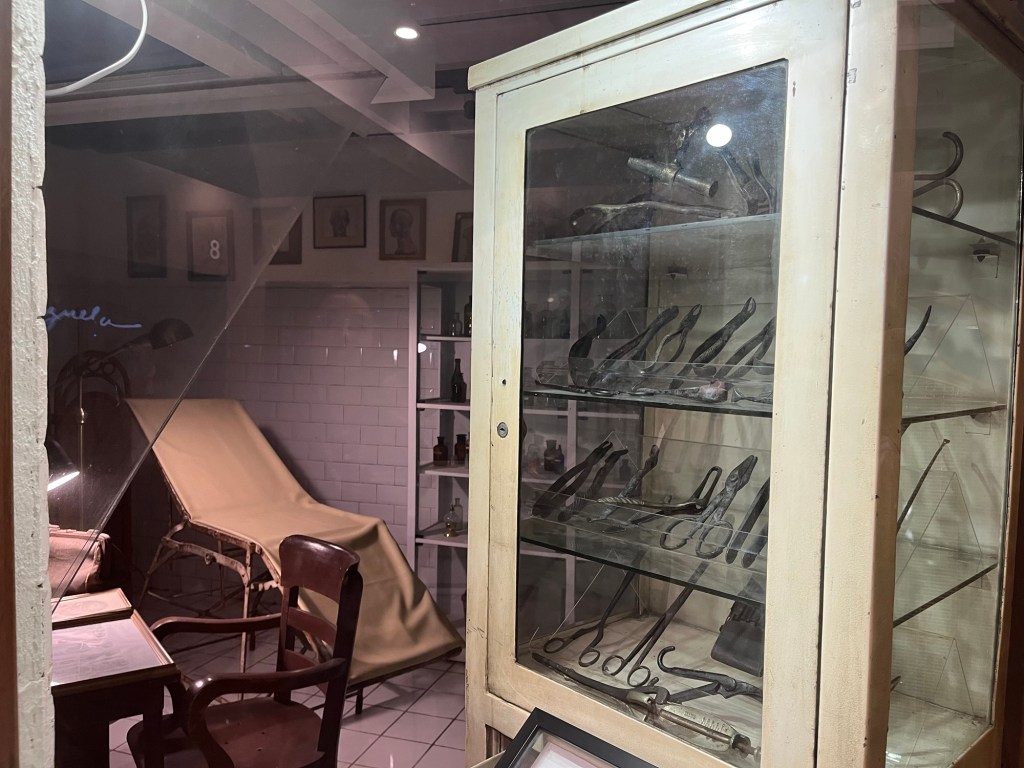
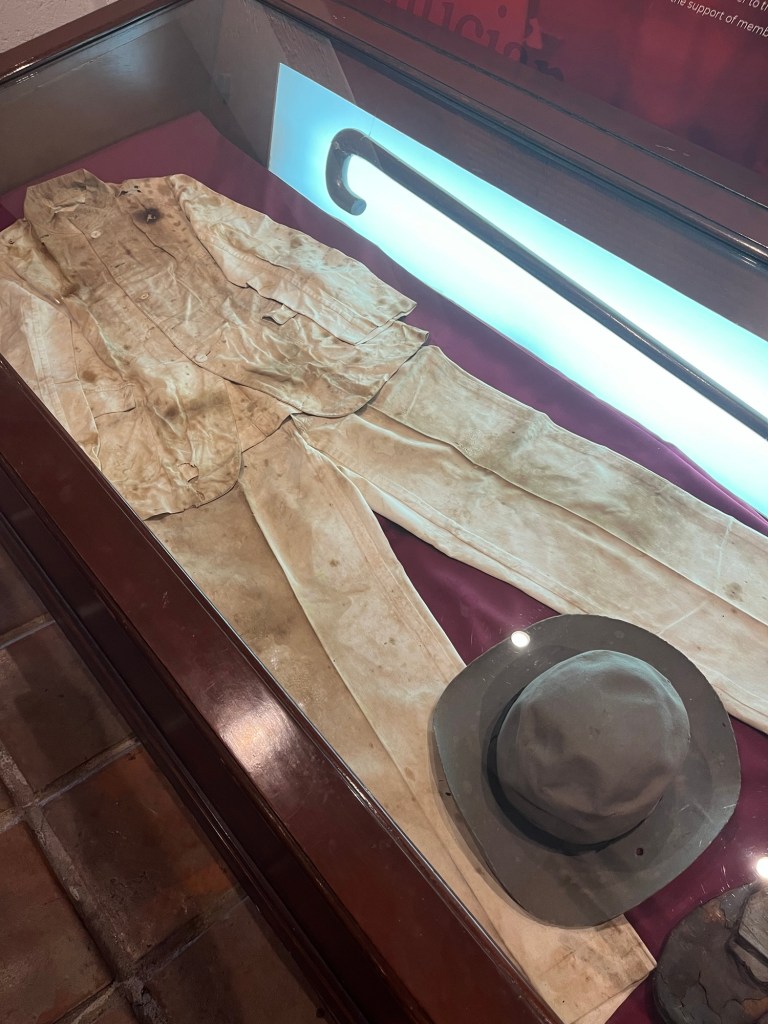
The museum features a diorama exhibit of Valenzuela’s history on the first floor, with a glass floor section showing a well that was used for cleaning dishes and apparatus of the late physician and governor. This area also displays some of his clothes and even his clinic with all sorts of instruments and amber glasses.

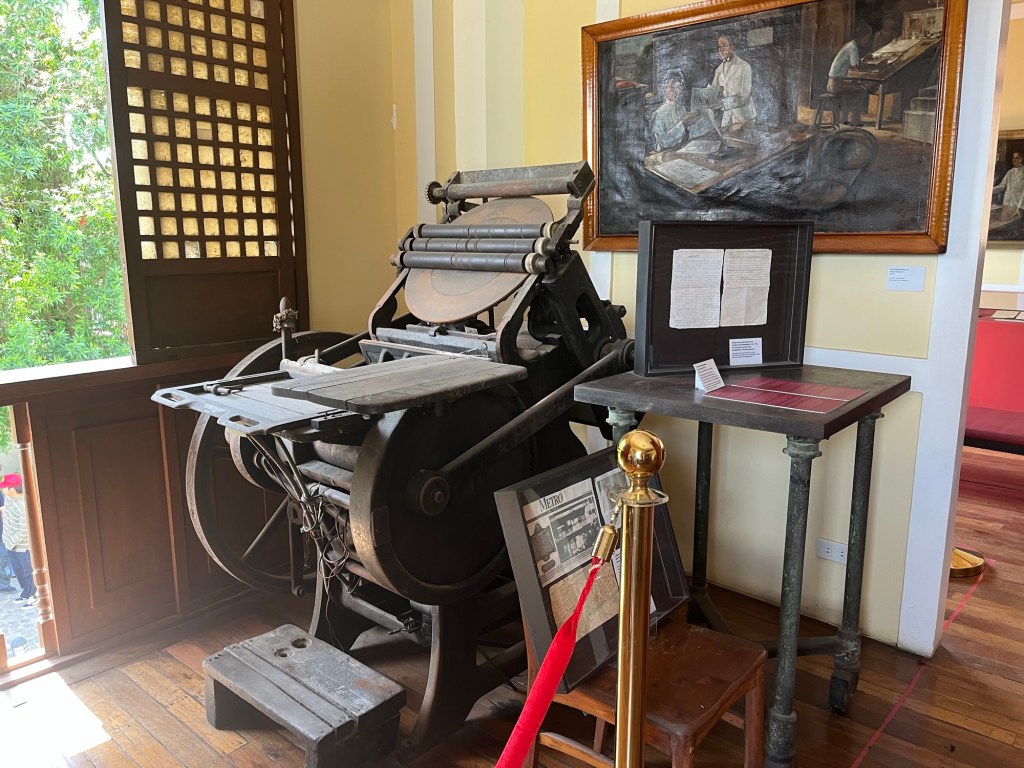
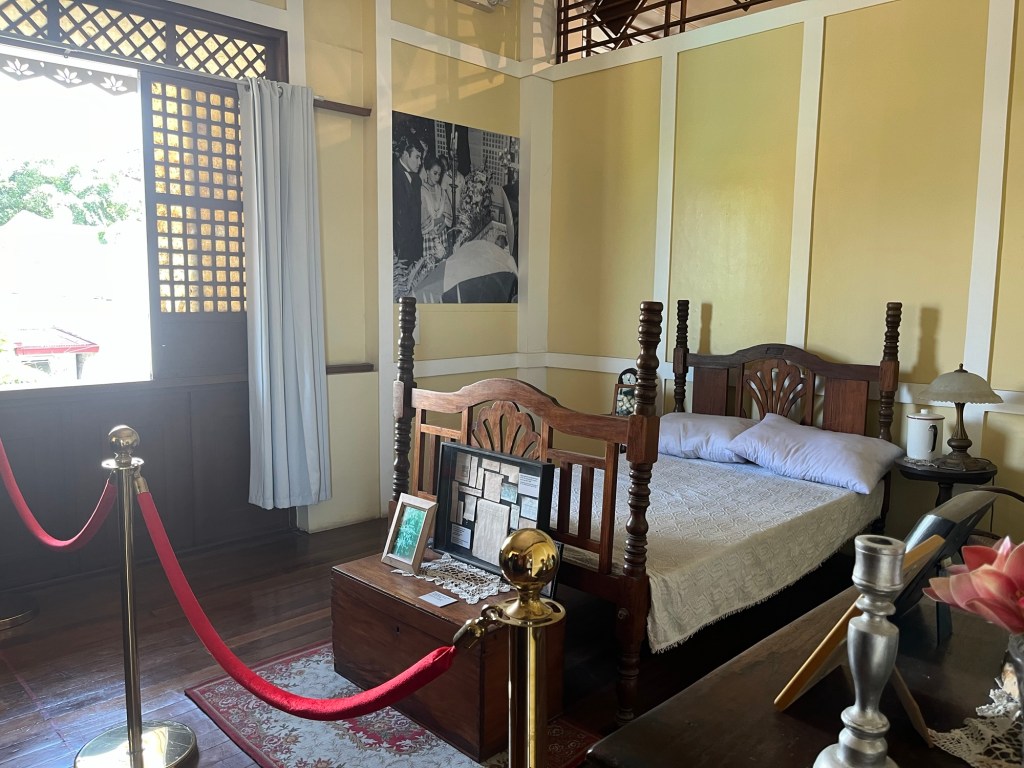
The second floor is much brighter and airy, typical of bahay na bato architecture. Each room and hall had its own theme, showcasing furniture popular in the day and tools and gear used during Dr. Pio’s time in the Katipunan and as the Governor of Bulacan during the American occupation.
San Diego de Alcala Church and Bell Tower
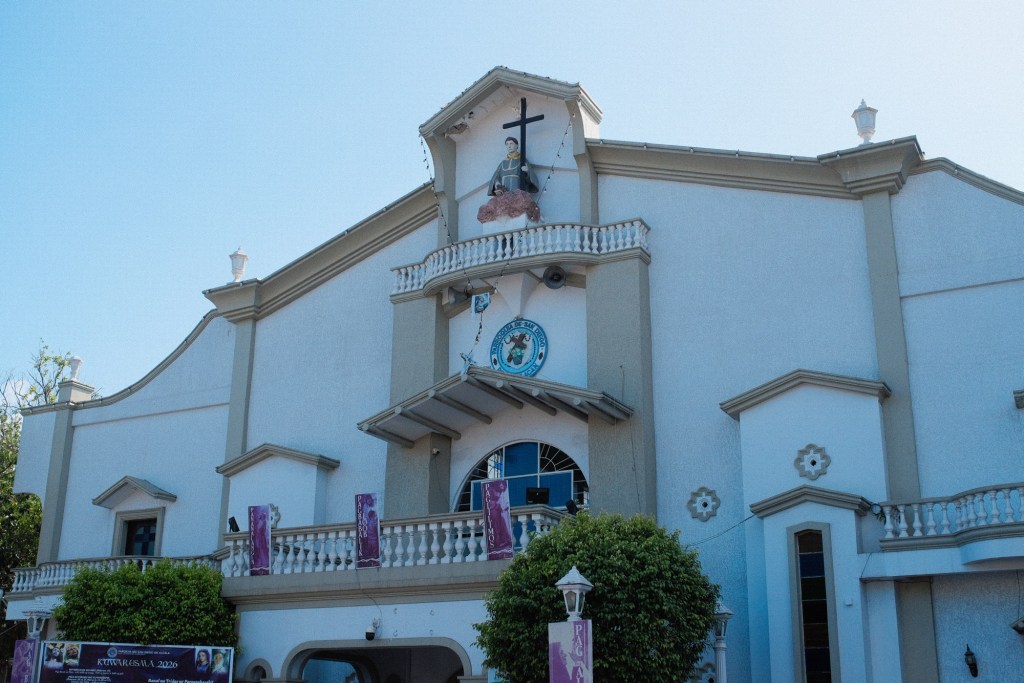
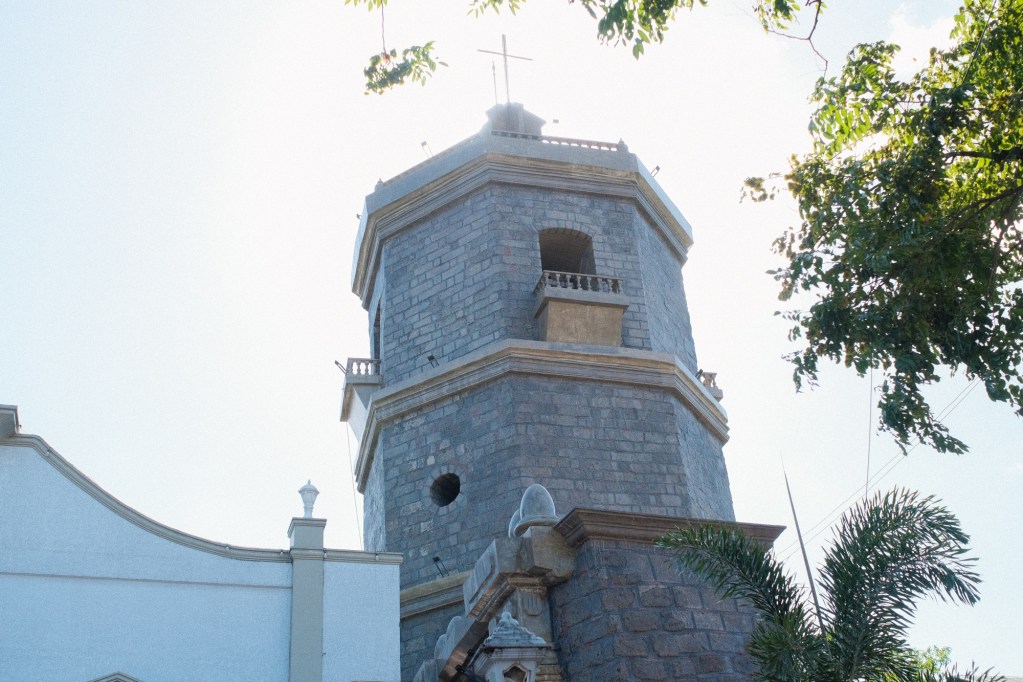
We soon set off with our bikes to visit other sites, with the San Diego de Alcala Church and Bell Tower being the nearest landmark on the way to my mom’s grave. The church is one of the oldest surviving landmarks in Valenzuela, built in 1632. It’s dedicated to San Diego de Alcala, a Franciscan saint known to have been a “friend to the poor.” It was originally made from stone and brick.
The separate bell tower is something of note. The original church was destroyed during WWII by the Americans as collateral damage to drive out the Japanese from the town, and only the tower survived. The new church was built on a different lot, this time facing the main road.
Dr. Pio Valenzuela’s Grave
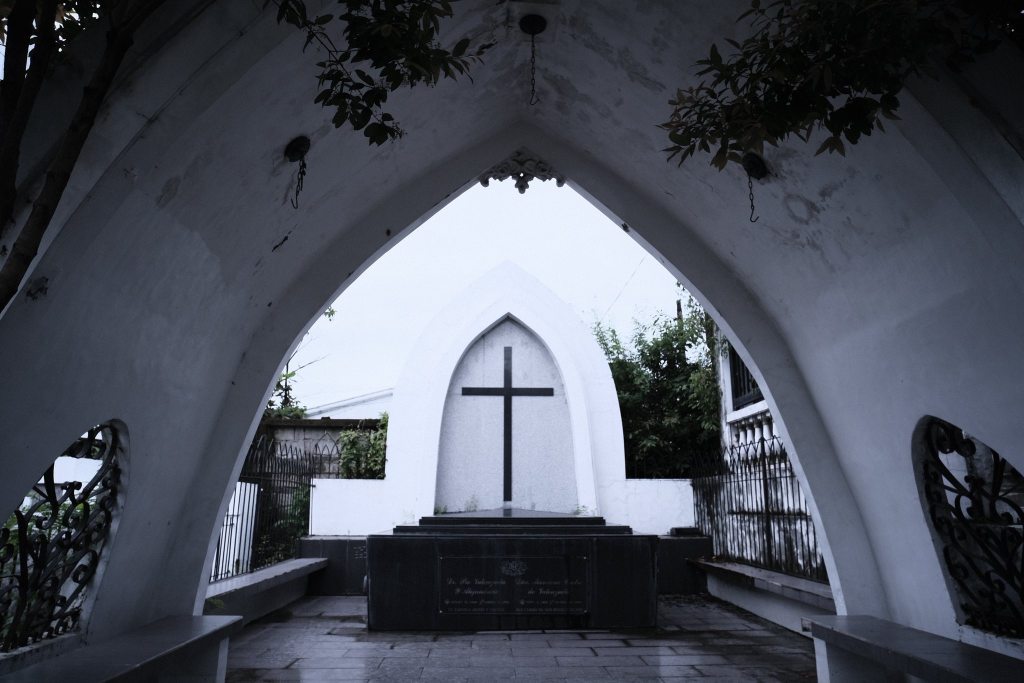
We continued biking along M.H. Pilar St., with some twists and turns and a near-death experience with a counterflowing truck, to pay our respects to the man himself (and my mom afterward).
Located in Palasan Cemetery, Dr. Pio Valenzuela’s grave is simple and understated, unlike other heroes of his time. It’s not a tourist site per se, but I always pass by here to say hello to the man the city was named after. As a kid, I used to complain that his grave was always flooded and unkempt; I’m glad today people are maintaining his final resting place.
My grandparents, sister, and mother are buried next to him, so it’s like I’m visiting a beloved relative as well.
Arkong Bato

Next on our list is biking to Arkong Bato. My mom used to tell me that her family was one of the first ones to get a car in Valenzuela (then Polo); back then, the town was full of farmland, with little to no tall buildings for miles around. My grandfather, coming from Manila via Avenida Rizal, would honk his horn, and that sound would travel all the way to their house, a ways away from the stone arch.
Today, it stands as a reminder of the old road network connecting Bulacan and Manila. The original adobe blocks are now preserved within a white cement structure. And if you noticed “Rizal” on the arch, don’t get confused. Back then, the surrounding cities of Malabon, Quezon City, and Caloocan were part of Rizal Province. Valenzuela, on the other hand, was part of Bulacan. These were only separated and added to Metro Manila as recently as 1975. So that sign is accurate.
Tancinco Heritage House

The end of our tour was rather anticlimactic. Friends in heritage circles have been talking to me about the Tancinco Heritage House, and I have been informed that part of the second level will be dedicated to displaying Valenzuela’s film history–my family has contributed so much to what film historians now call “cinematic gems.”
Built in 1924, this house is one of the few remaining bahay na bato in Valenzuela and was once a favored filming location for the likes of Fernando Poe Jr. and possibly my own family.
Unfortunately, though, the site is still under renovation. I had to peek into the closed property to get the shot above. Without much information about it, Wil and I headed back to Museo ni Dr. Pio Valenzuela to pack our bikes and head to Monumento, where Wil dropped me off, and I took the LRT and MRT back to Pasig.
A Major Roadblock for Biking in Valenzuela? Literally, the Roads
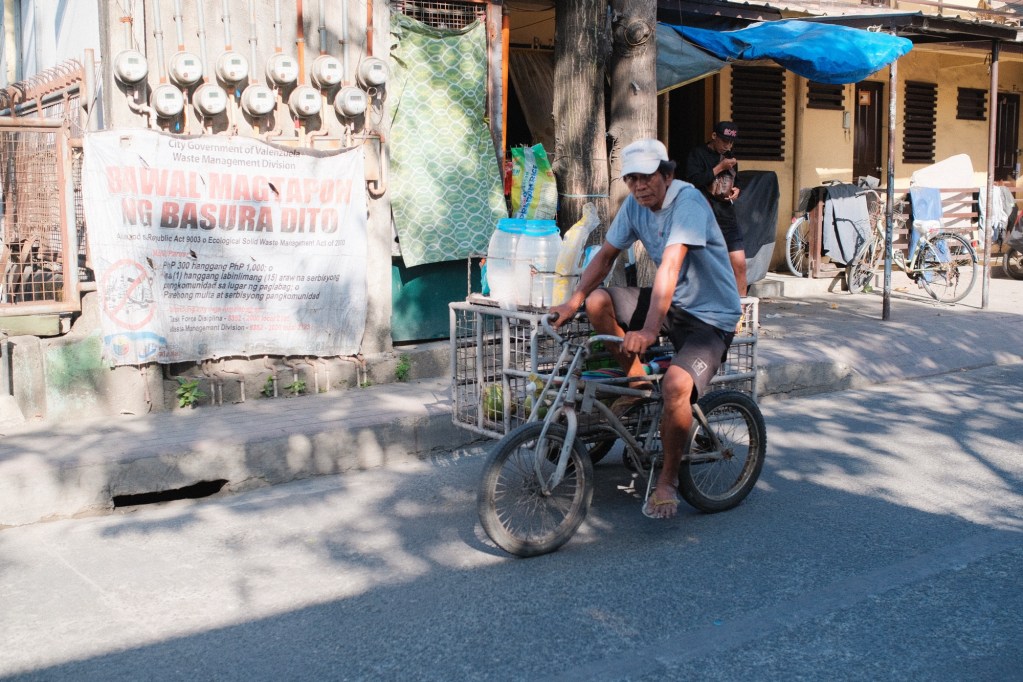
Biking in Valenzuela is extremely doable, and its residents are testament to that. The roads are narrow, and except for the main streets, much of the city’s pathways are quiet and car-lite. There are so many women and seniors on mamacharis–primarily because Valenzuela is a “dumping point” for old Japanese bikes that people can buy for cheap.
But because of how Valenzuela grew to accommodate factories and warehouses to stimulate the local economy, the roads have become dangerous to traverse for commuters on two wheels. Additionally, narrow sidewalks indicate that Valenzuela devolved into a city for trucks in addition to cars, not for people.
Case in point: the way to the landmarks on our list was literally paved with negligent drivers, especially truck drivers.
This is a challenge for the Cultural and Tourism Development Office to market Valenzuela’s rich cultural and architectural assets, as well as its proposed bike-friendliness.
It isn’t the CTDO’s mandate to do so, but they are working with the Traffic Office. According to tourism officer Jonathan Balsamo, his office does not have the power to enforce. It falls on the community to complain and make suggestions to the powers that be to improve road infrastructure. But no local advocacy groups are doing so.
But why should it be the city’s constituents’ responsibility to tell the LGU that they want safer roads?
How can people go to these parks, riverwalks, and museums without congesting the roads? Why accommodate cars and only cars, when there are so many people already biking in Valenzuela who should have primary access to these places?
I hope the offices under the Valenzuela LGU would band together and create a safer commuting system for locals and tourists alike. Because pushing for a local tourism boom while doing nothing to improve road infrastructure feels so ironic. I want to continue visiting my mom and show people what Valenzuela City has to offer, especially on a bike, but if the roads are this hostile… what’s the point?


Leave a Reply