
Earlier this year, I reviewed the Java Neo 3 trifold and was impressed by the base model with 16-inch wheels and an aluminum frameset. However, now that even more variants have popped up, customers are spoiled with choices.
The biggest one, though, is whether to go with 16-inch or 20-inch wheels. I always thought the former was a no-brainer for a bimodal commuter, but the latter has its own use case. If you’re considering getting a Java Neo 3, I suggest that you first read a review of the 16-inch variant because they share more similarities than differences when stock.
The Java Neo 3 I tested was a customized demo unit from Exion Cycles. The modifications are important because they give the 20-inch variant distinct advantages over its smaller siblings.
Wheels and groupset


The stock tires are 20-inch by 1.5-inch, but there is enough clearance for 1.95-inch tires with fenders. The chunkier rubber significantly improves the ride quality, providing much better grip and comfort. You won’t notice the road chatter as much, and rolling over bumps and potholes is much easier. The steering is also more stable and neutral, even when the front is unloaded.
For speed freaks like me, the 406mm rims of the 20-inch variant roll much faster than the 349mm rims of the 16-inch variant. I tested it during my usual commute, and I was able to maintain an average speed of 20km/h.
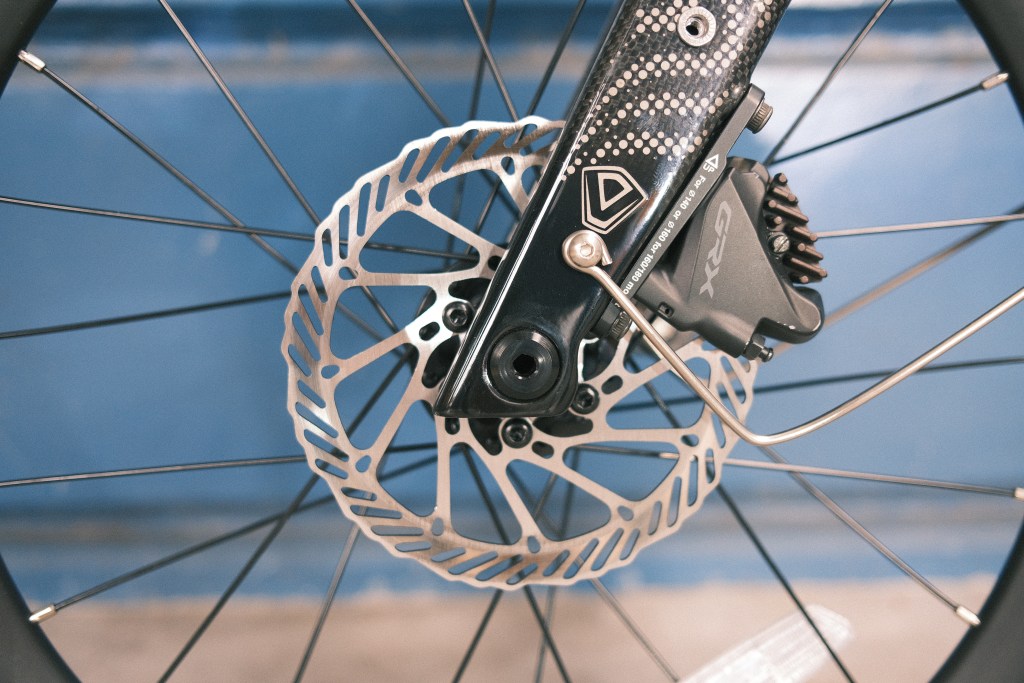
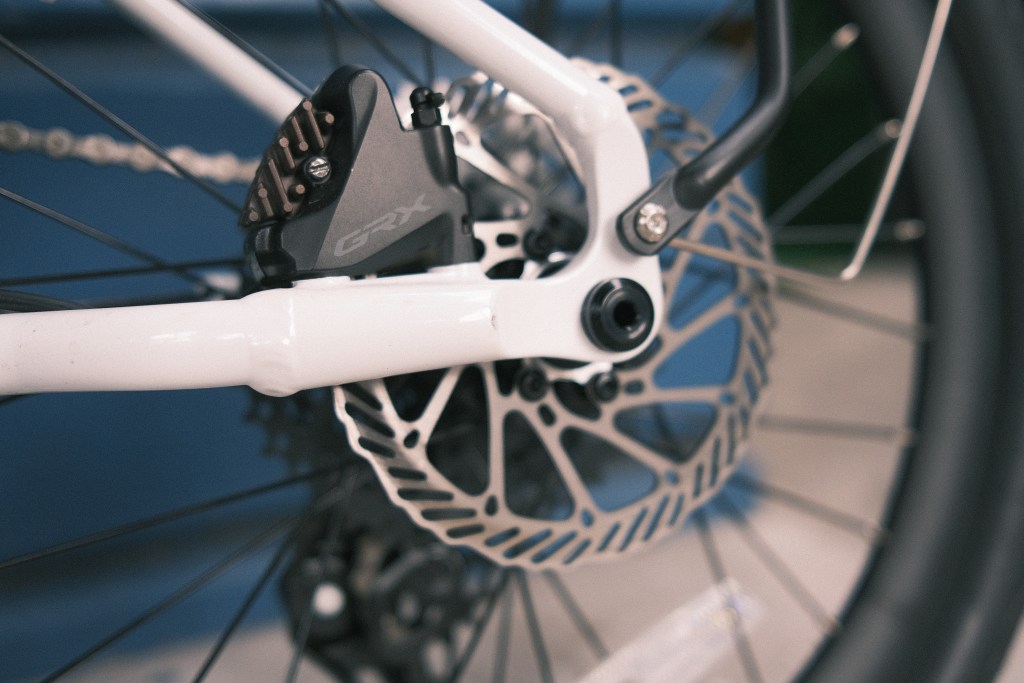
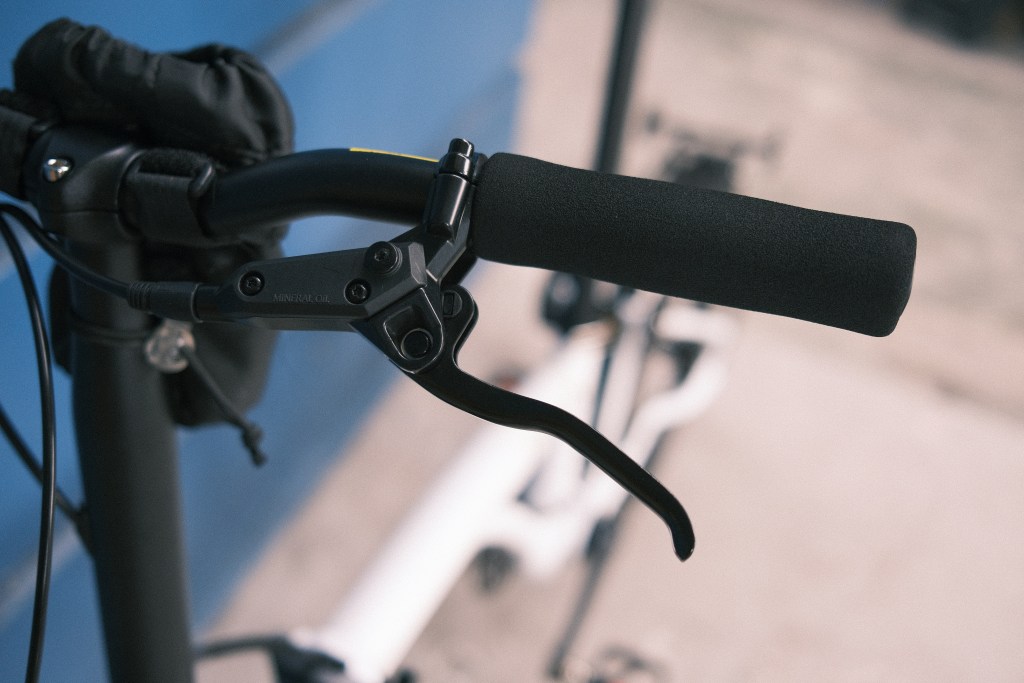
This is not far from what I’d achieve on a full-size bike. But I was more exhausted from the higher cadence. There really is no choice but to spin-to-win to build up and maintain speed. Thankfully, the hydraulic brakes are smooth and powerful. The Shimano GRX calipers are nice to have, but you won’t notice a difference in city riding.
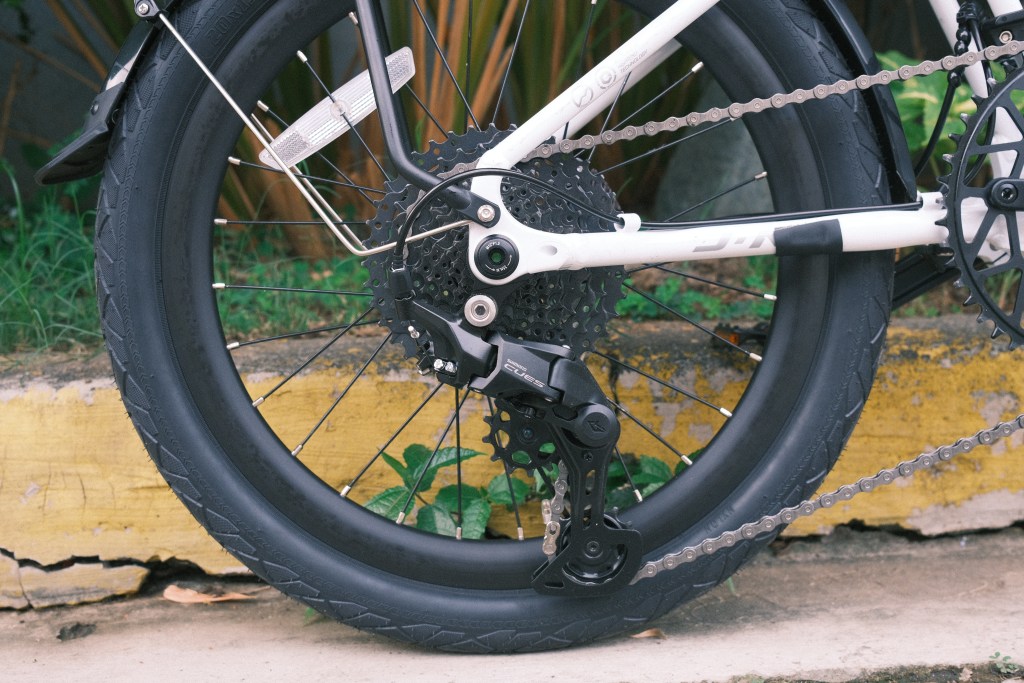


Whereas the 16-inch comes with an 11-34T cassette, this 20-inch Java Neo 3 comes with a nine-speed, 11-40T Shimano CUES drivetrain. I was hoping that climbs would be effortless with the big plate at the rear, until I realized the benefit was negated by the bigger wheel size. But compared to the usual 11-28T gearing, this is much better for hilly areas like Kapitolyo and Pineda.
Accessories
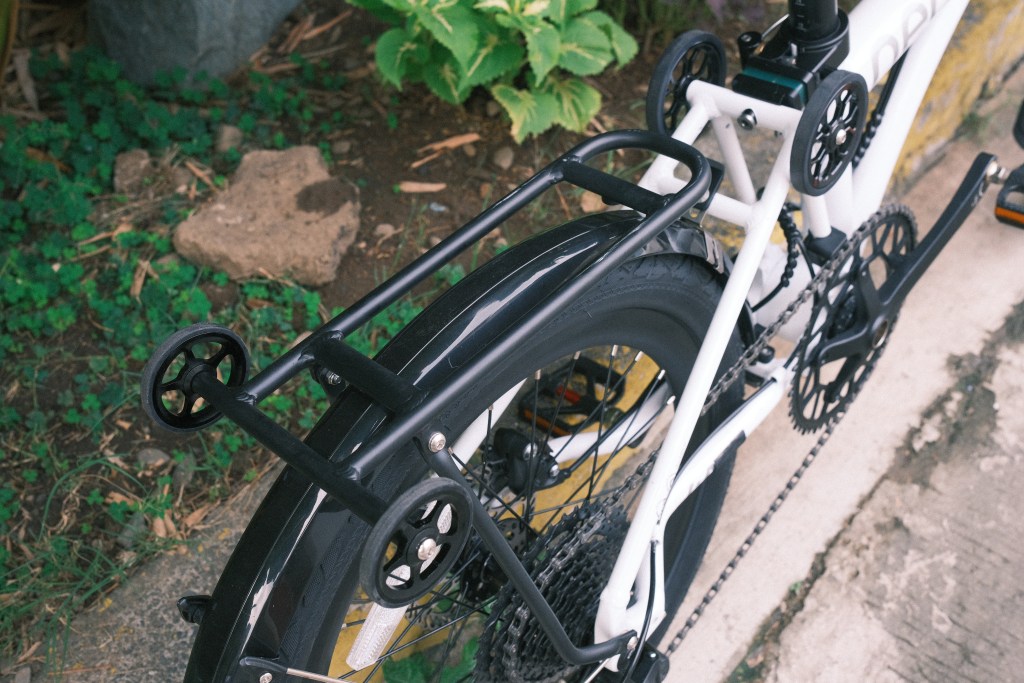
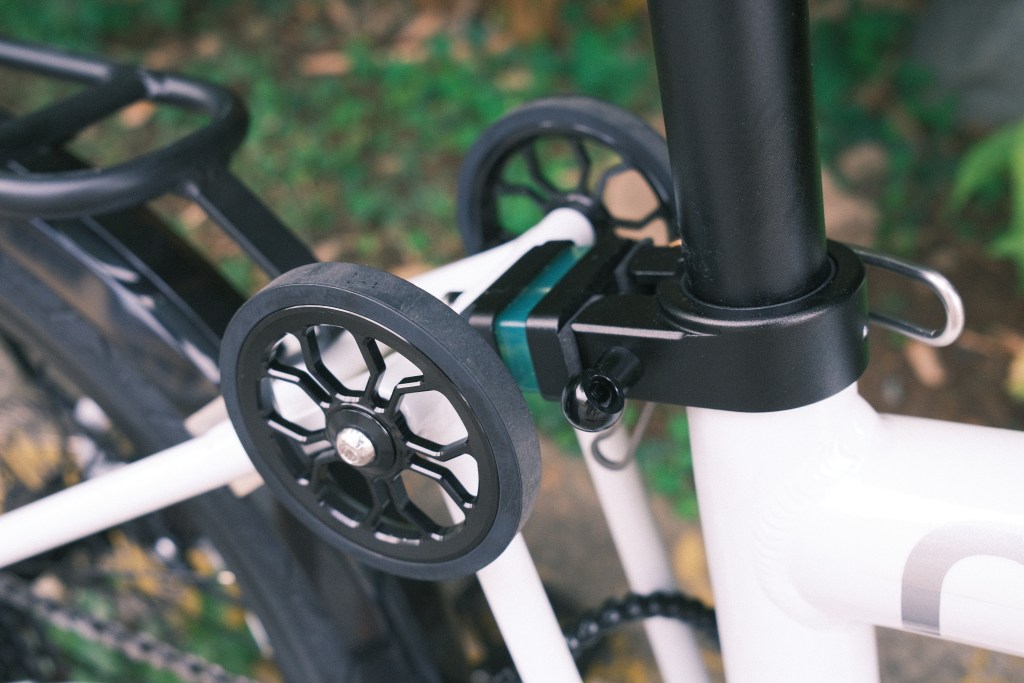
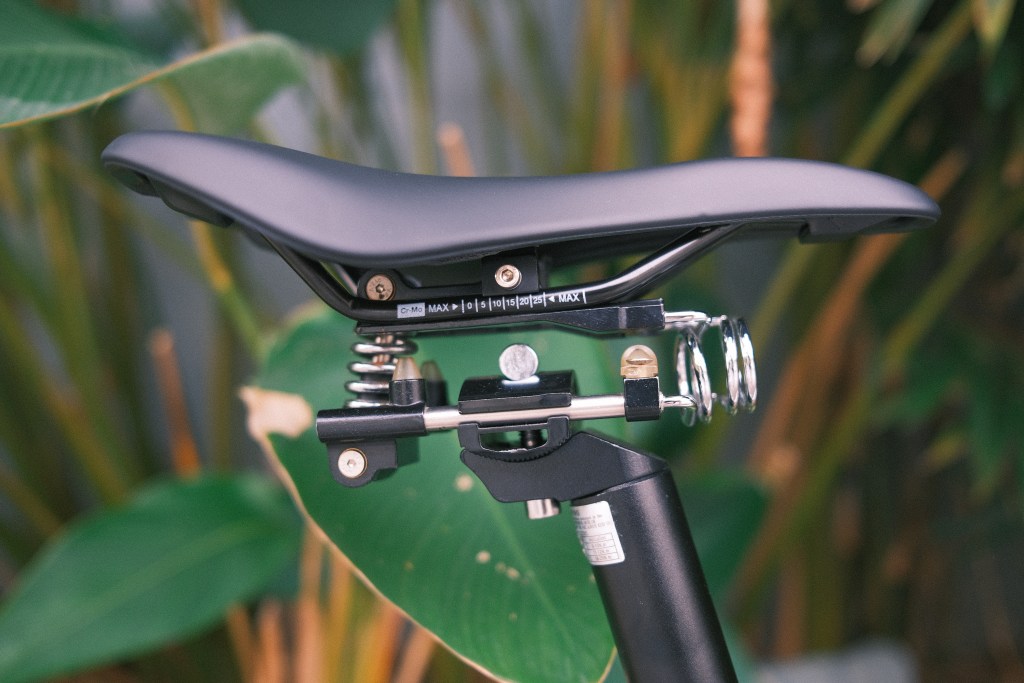
One thing to note when purchasing a Java Neo 3 is that you will need to add accessories for greater convenience, regardless of variant.
This custom unit comes with a rear rack for easy rolling and fenders for splash protection. I transferred the front carrier block from my own unit so I could put a bag at the front. The demo unit also came with an Air Seat, but it didn’t improve comfort since I don’t like the stock saddle to begin with.


If you want to put thicker tires on the 20-inch variant, you’ll need to modify the hook so that it latches onto the chainstay properly. This was achieved by Exion with the use of a spacer and an extender, so that the hook doesn’t rub against the tire.
Size and weight comparison

Put the 16-inch and 20-inch variants side by side, and you’ll notice that the latter isn’t significantly larger. Still, every inch counts when passengers in the MRT easily get packed like sardines. Another thing I noticed was the weight.

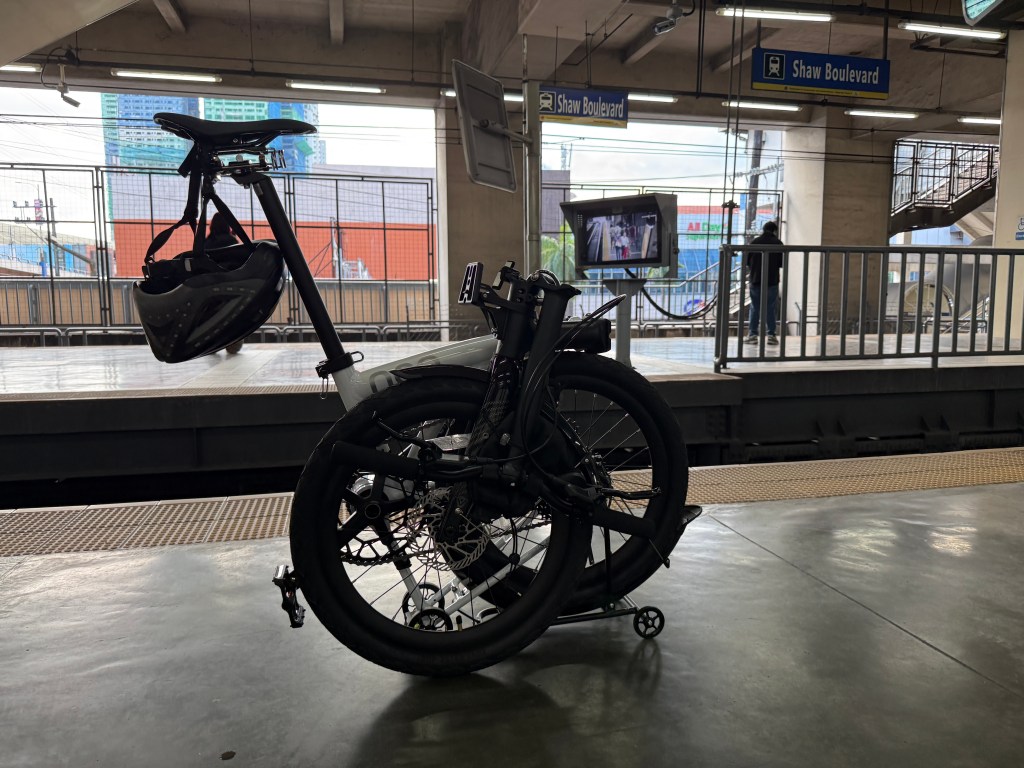
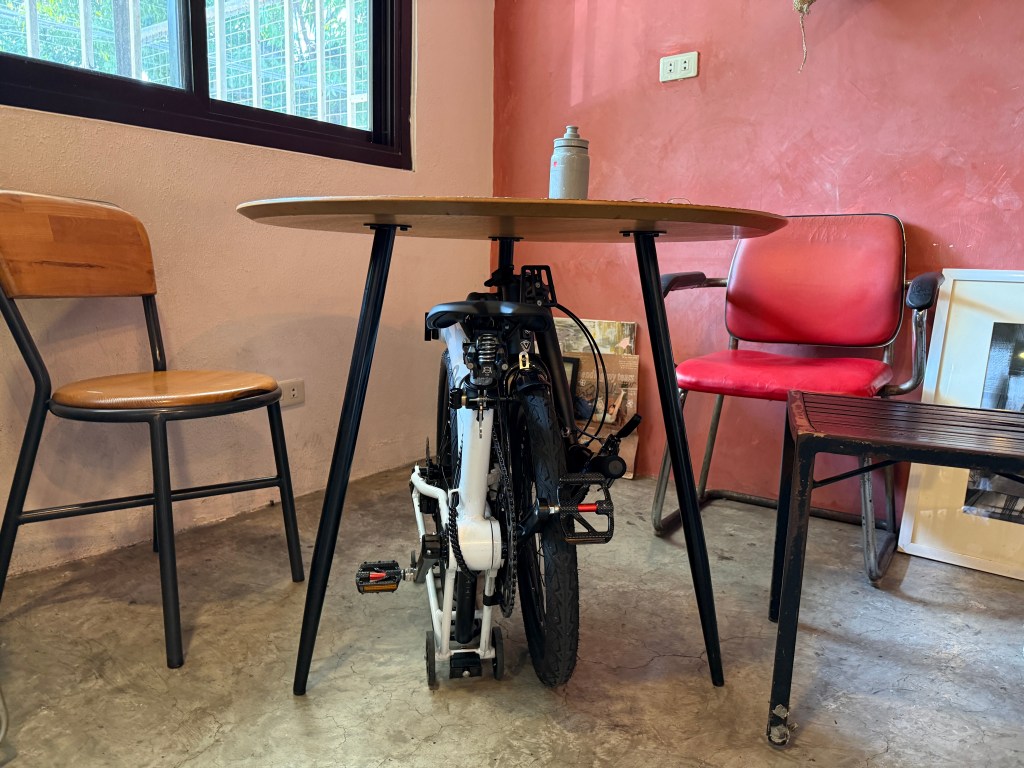
The bike isn’t heavy at 12.2kg, but it is noticeably weightier for me, who’s used to the 16-inch variant. Compared to the Tern Link D8, which is also a 20-inch folding bike, the Java Neo 3 is easily the better choice in terms of price, specs, features, and convenience.
So, is bigger better with Java Neo 3?

I used to think that 16-inch wheels were the way to go with trifolds. But that isn’t always the case. The price differences of the Java Neo 3 variants aren’t too far apart for the same specs, so your use case will matter more than the budget.
The 20-inch Java Neo 3 is more versatile with its larger wheel size and wider tire clearance, making it more suitable for long rides. But if you need a smaller footprint, then you’ll be better off with the 16-inch, or maybe the 14-inch variant (I haven’t tried this yet).
If you already own a full-size bike, then the 16-inch Java Neo 3 would complement it better. However, if you plan on owning only one bike, or if you don’t ride the MRT or LRT at peak hours, then you’ll benefit more from the 20-inch Java Neo 3.
Just make sure to swap out the stock tires and get the necessary accessories to fully maximize the benefits. Thankfully, Exion has sorted that out, so that you won’t have to hunt for the parts yourself.


Leave a Reply