
The Java Neo 3 made waves when it entered the Philippine market. It’s a lightweight trifold with modern parts, all for a starting price of P30,000.
Just when I thought it couldn’t be more affordable, here comes the Java Neo Eco at P23,900. Despite the entry-level name, this variant is practically as good as the Neo 3 for first-timers and beginners.
Whether you’re looking for your first bicycle or a new trifold, here are the key differences you should know.



The recipe for success
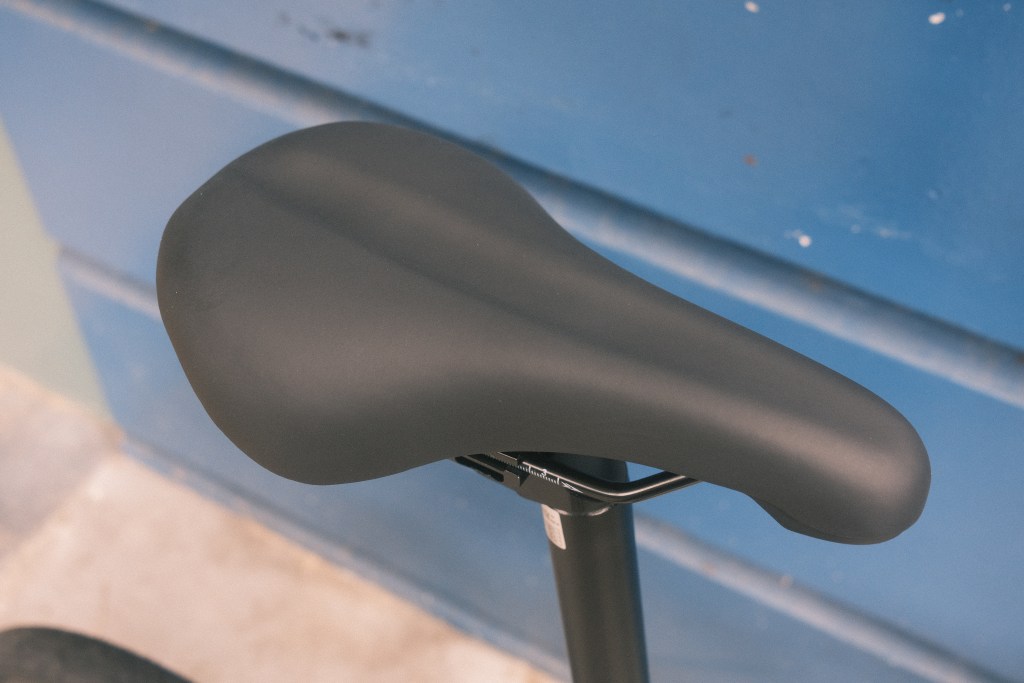
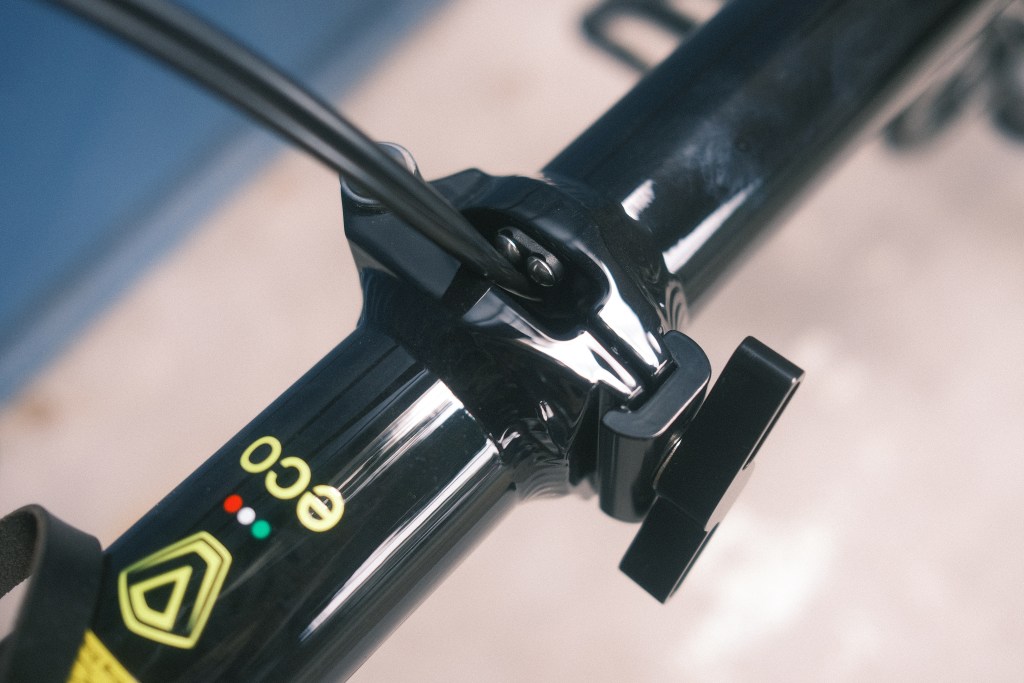
Although the Java Neo Eco is supposed to be a more affordable variant, it still has the same recipe that made the Neo 3 a bestseller.
The Java Neo Eco has an aluminum frame and fork with 20-inch by 1.5-inch wheels. It’s not as light as the Neo 3, but it is still easy to carry at approximately 11.6kg.
The trifold design makes it compact and portable. This means you can bring it indoors, or inside another vehicle—whether that be a car, a bus, or a train.
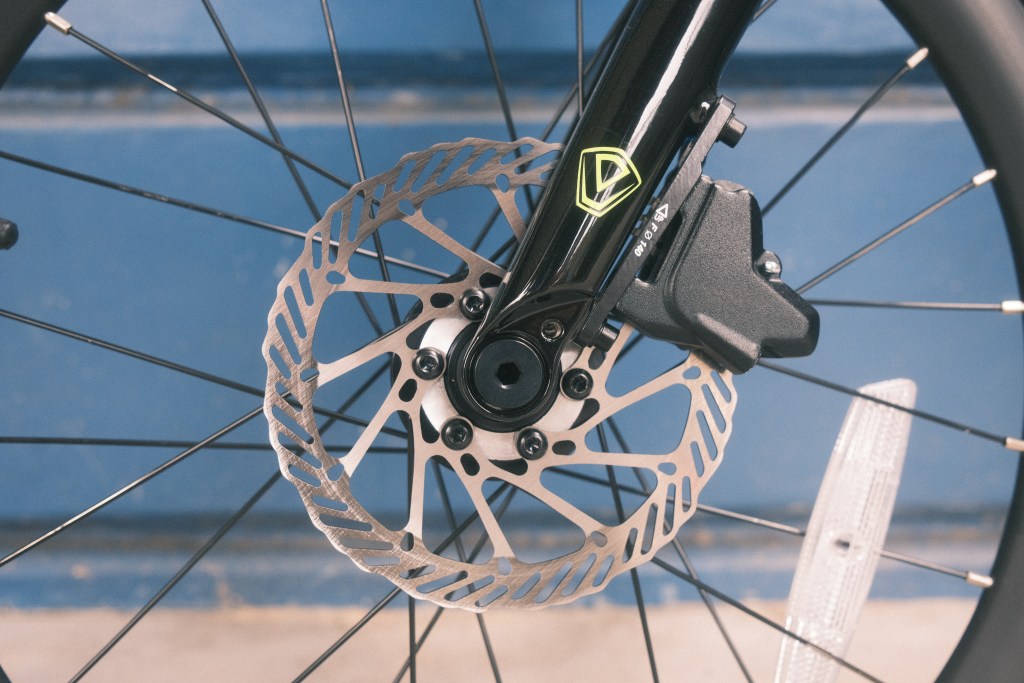
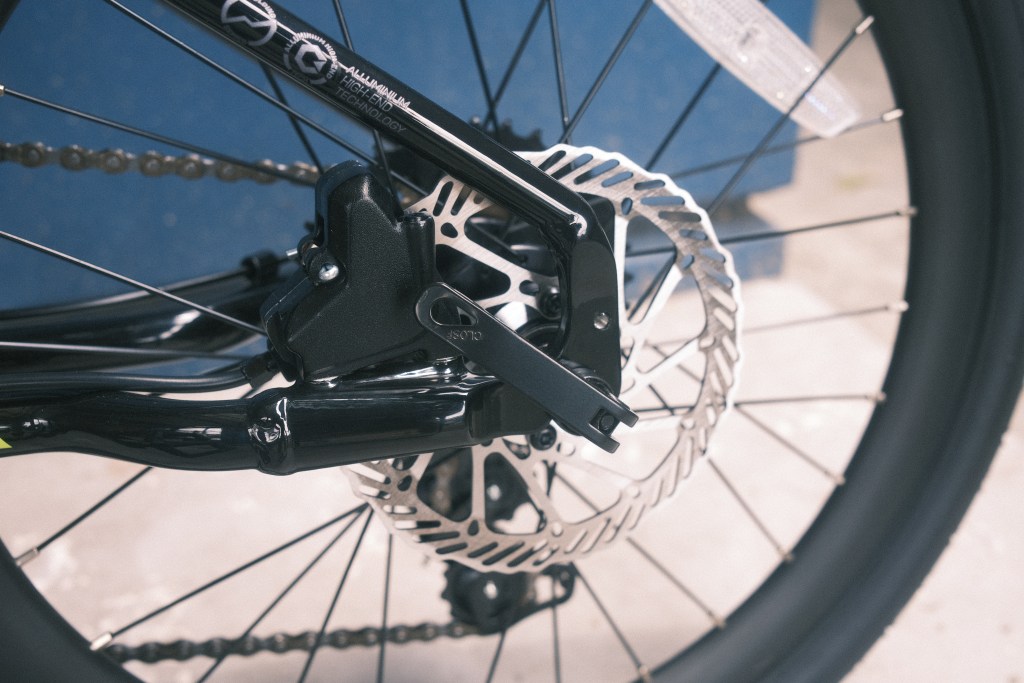
Meanwhile, the stopping power is still confidence-inspiring thanks to the hydraulic disc brakes. You’ll appreciate it especially when riding in wet conditions or when going downhill.


Trade-offs
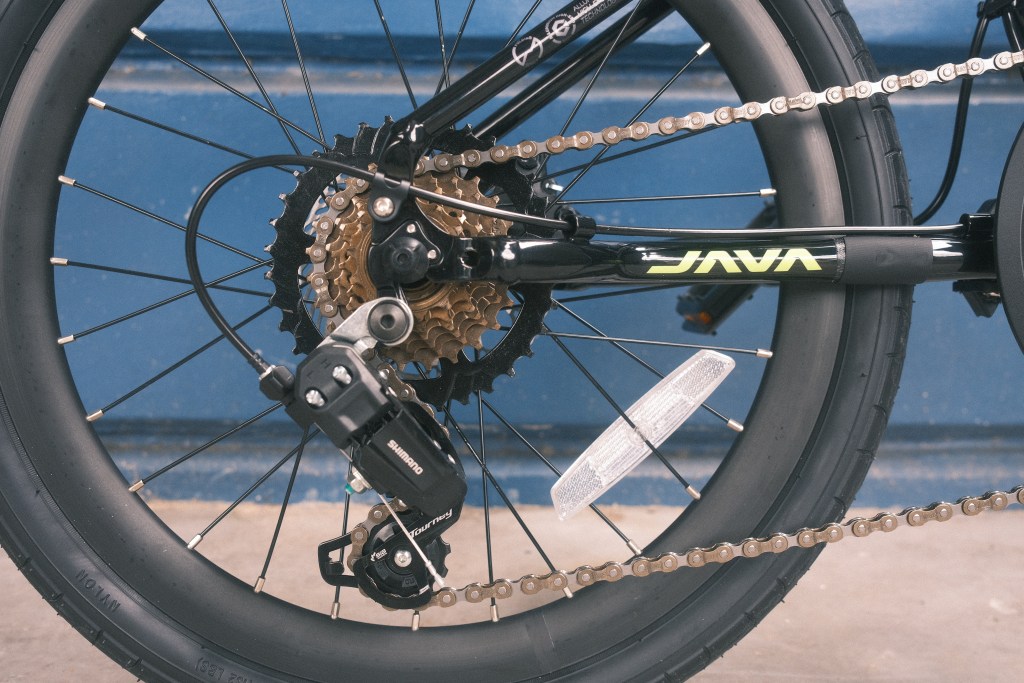
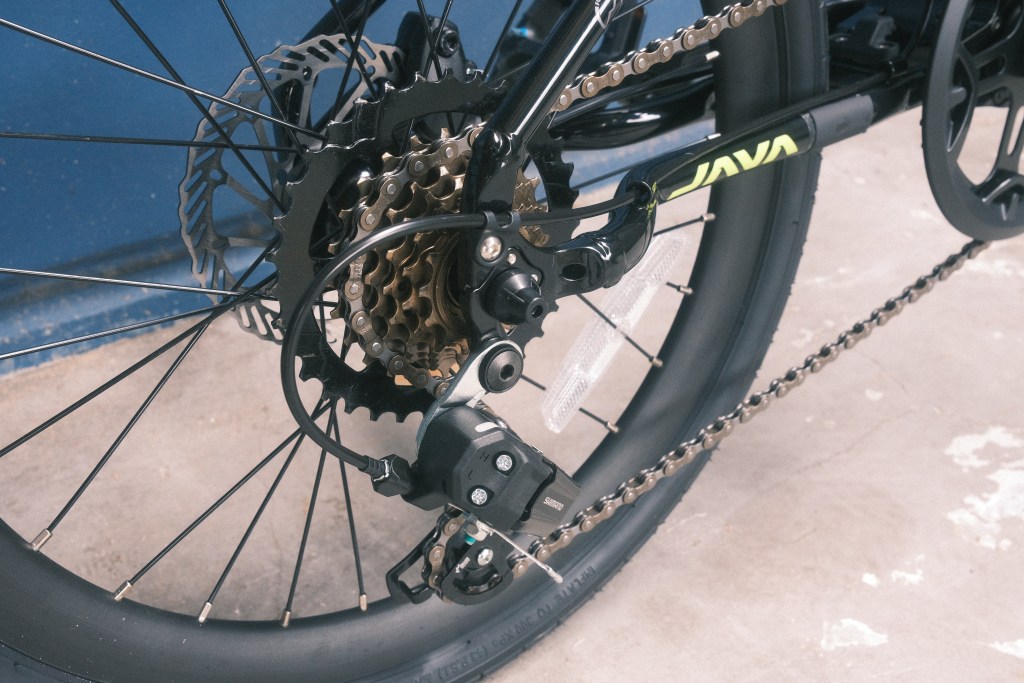
The trade-off with the Java Neo Eco can be found in the groupset: seven-speed Shimano Tourney with a grip shifter, 13-34T screw-type cogs, square-taper bottom bracket and crank, and quick-release dropouts at the rear.
Basically, the parts aren’t as light, the shifting isn’t as precise or smooth, and your top speed will be limited.
If you can’t tell the difference between a square-taper BB and an outboard BB (sometimes known as Hollowtech) or cassette-type vs. thread-type cogs, then the Eco will be the safer choice. However, if you want to leave room for performance upgrades, go for the Neo 3.

Recommended accessories
Just like the other variants, the Java Neo Eco is bare-bones out of the box. You’ll need to outfit it with accessories for greater convenience and comfort.
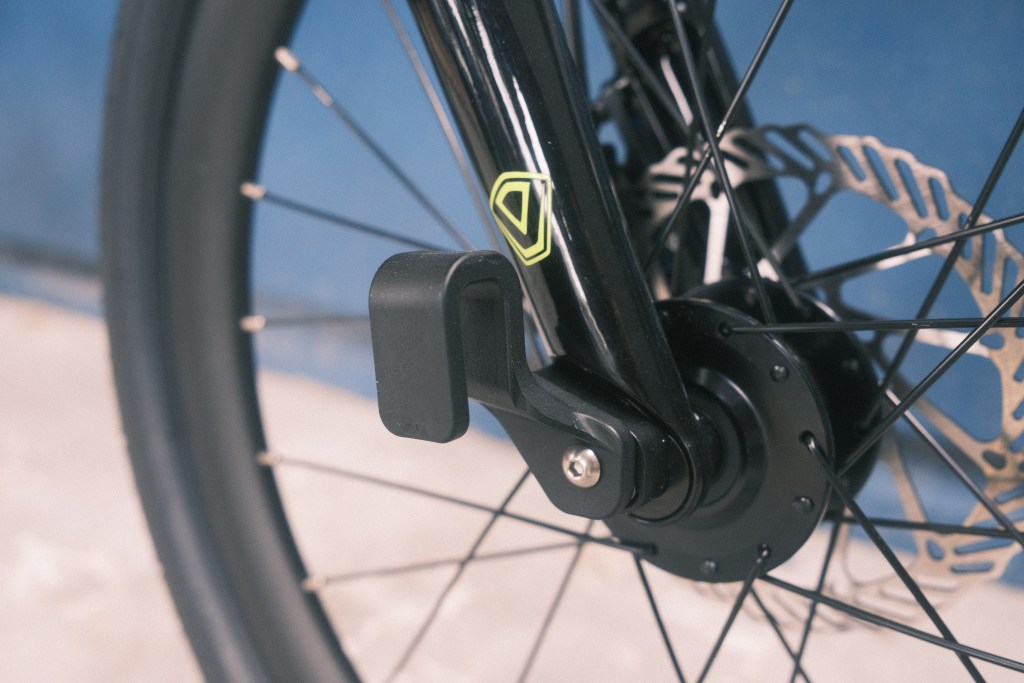
The most important piece for me is the front carrier block (FCB) because it lets me attach a bag or basket to hold my things when biking.
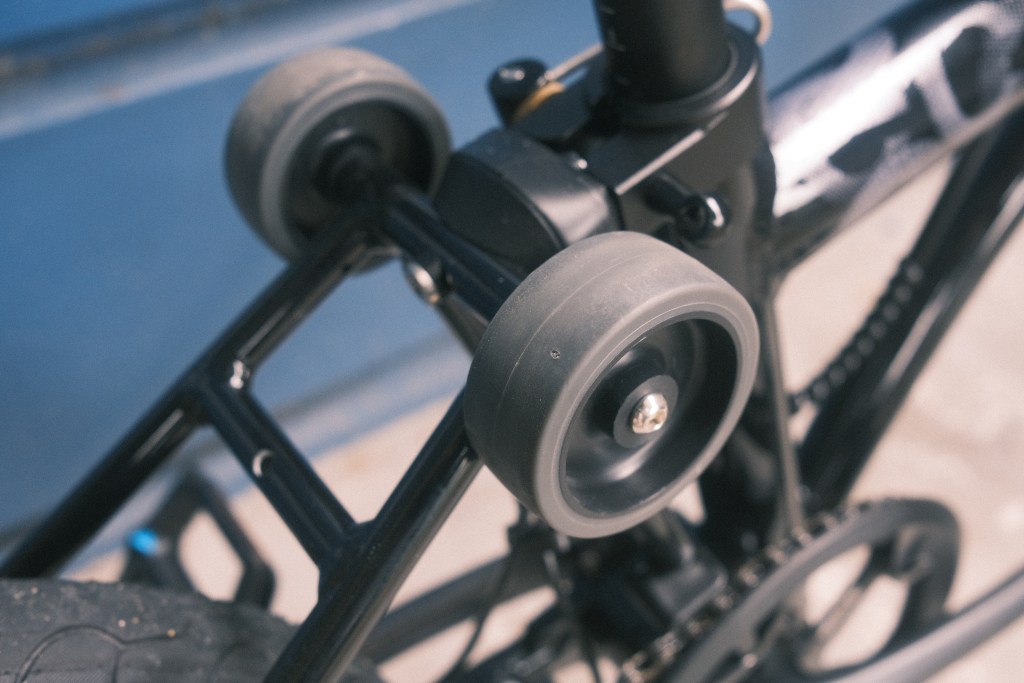
These are other accessories you can attach: A kickstand lets you balance the bike without leaning it on the wall; a rear rack with roller wheels will let you roll the bike like a stroller; fenders help protect against splashes (especially with the rainy weather); and a fork-mounted light holder lets you attach a light without having to strap it on the handlebar.
You can get all of these through Lazada, Shopee, or local shops such as Exion Cycles and HK Folding Bikes Ph.
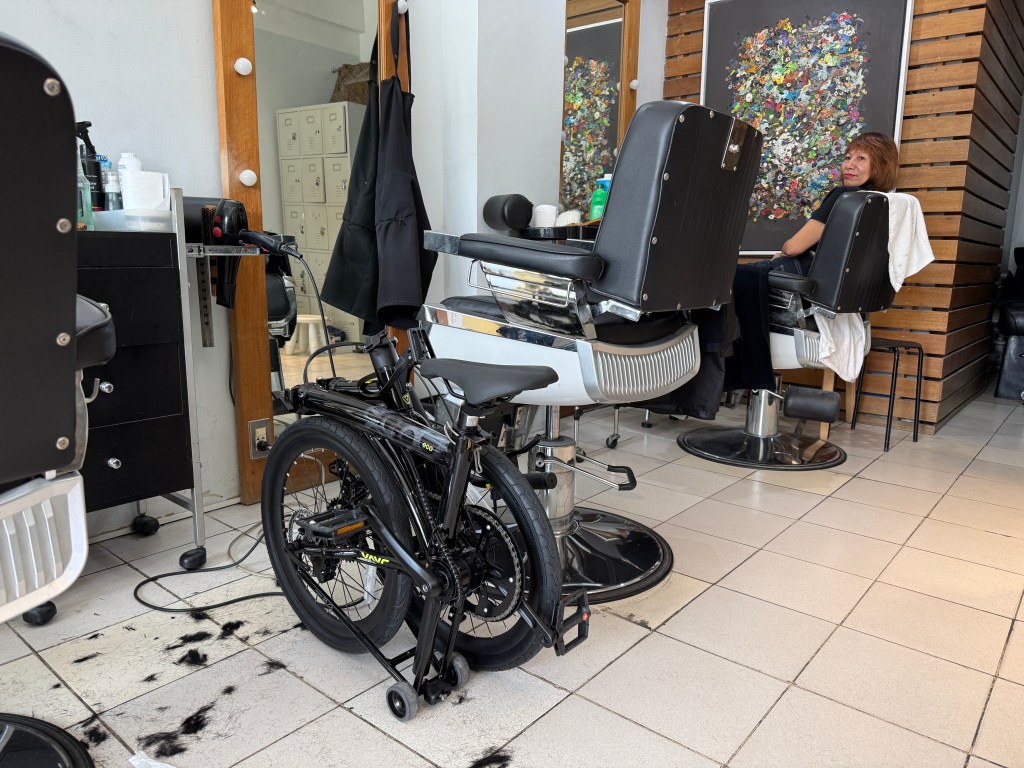


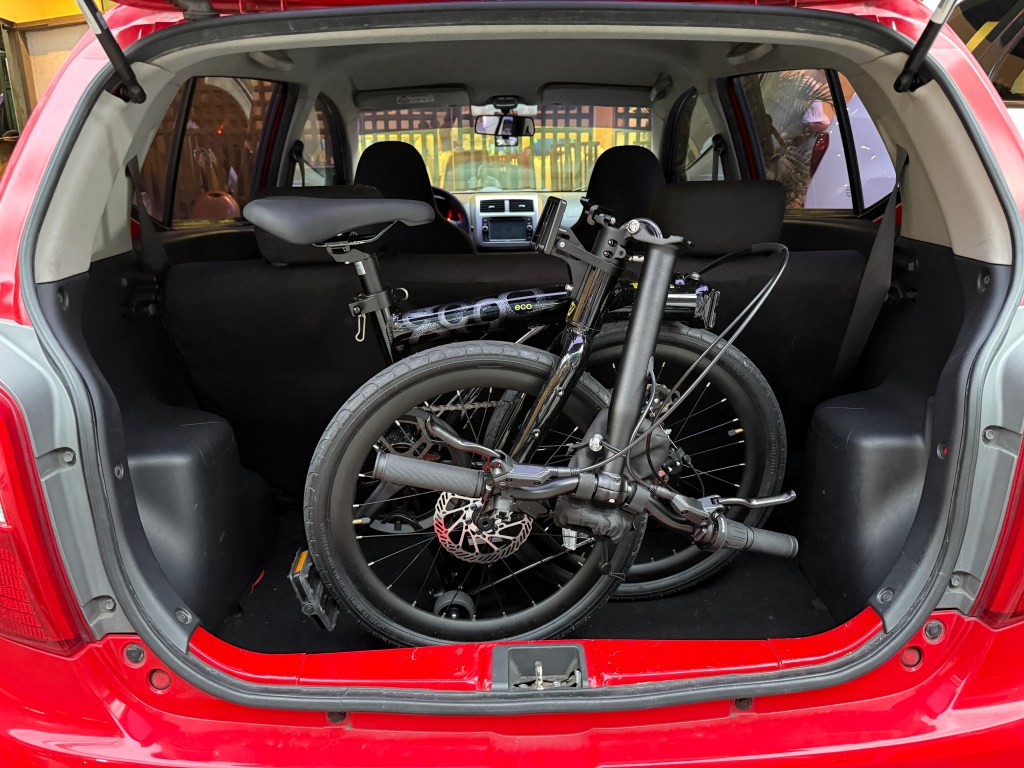
Personal experience
Even though I’ve experienced much more premium folding bicycles, I had a great time with the Java Neo Eco.
The bike was reliable even in the heavy rain, and riding out with it was easy and convenient, whether I was going around Barangay Kapitolyo, meeting up with a camera seller at SM Aura, or eating with family and carpooling.
The Java Neo Eco never felt like it was an obstacle that I had to adjust to.
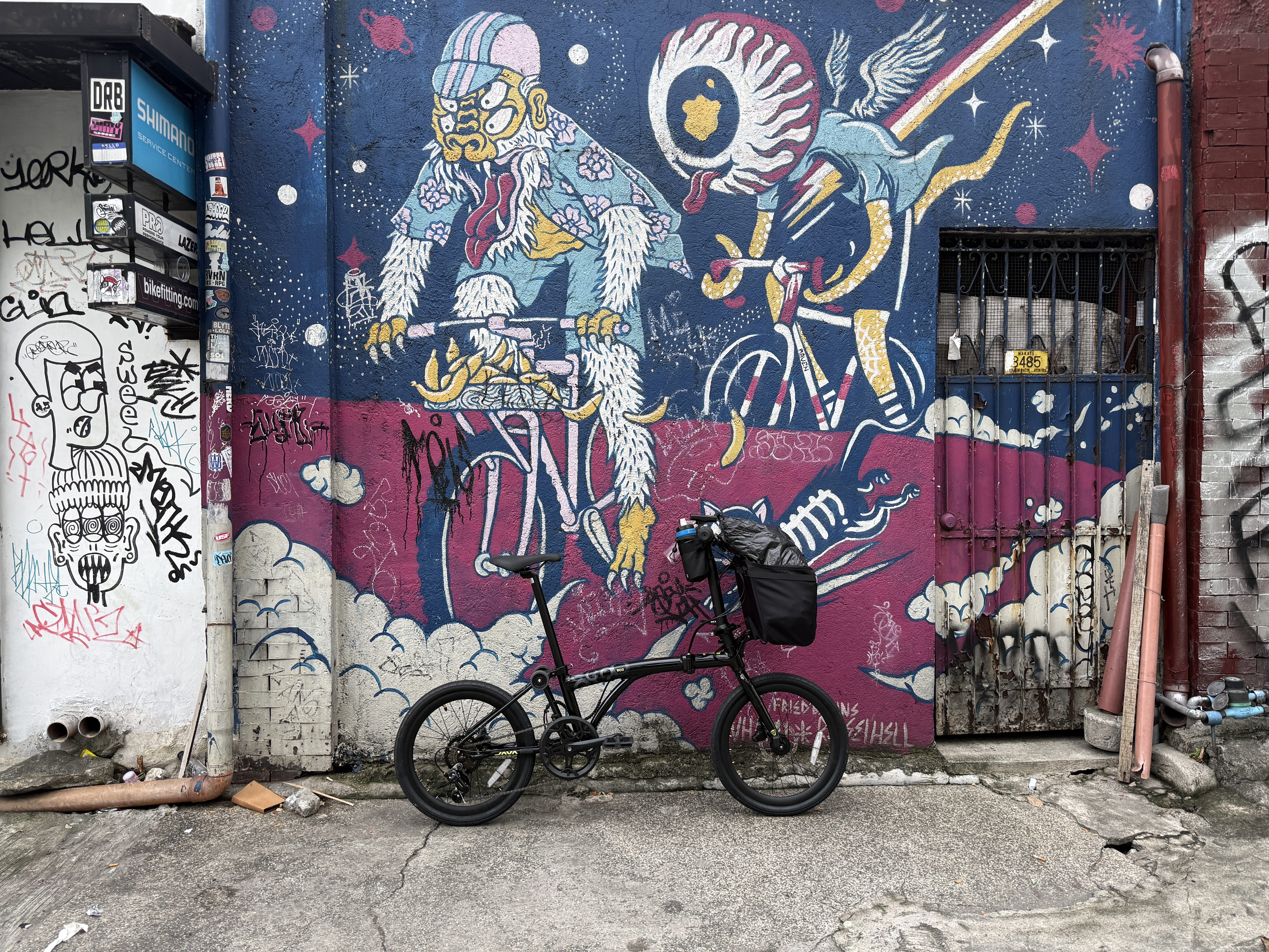
Spoiled with choices
The biggest problem you might encounter is deciding which Java Neo variant to buy. It’s the paradox of choice, and there are many ways things could pan out.
If you want to minimize your expenses, then the Java Neo Eco is the best choice hands down. It’s the most affordable variant and the least susceptible to upgraditis. However, if you want a more compact trifold that’s also lighter, there are options with 14-inch and 16-inch wheels.
Should you decide to get into bike-commuting with a Java Neo, there are two possible outcomes. You could be perfectly happy with the trifold as your only bike, and that’s great.
But if you’re like me, who really fell in love with cycling, it’s not unlikely that you’d want at least one full-size bike that could do more, whether that be a gravel bike, a road bike, or a mountain bike.
Although you can’t go wrong with a Java Neo, you can make a better decision by considering your budget and use case for the trifold.
Where to get the Java Neo Eco
The Java Neo Eco is available for P23,900 at Exion Cycles. At that price point, it offers serious value for money, undercutting Tern and other established brands while offering much better performance and convenience.
It may look plain, and it might not be a head-turner. But that won’t matter when you’re having a blast skipping traffic and saving time, money, and energy from bike-commuting.


Leave a Reply