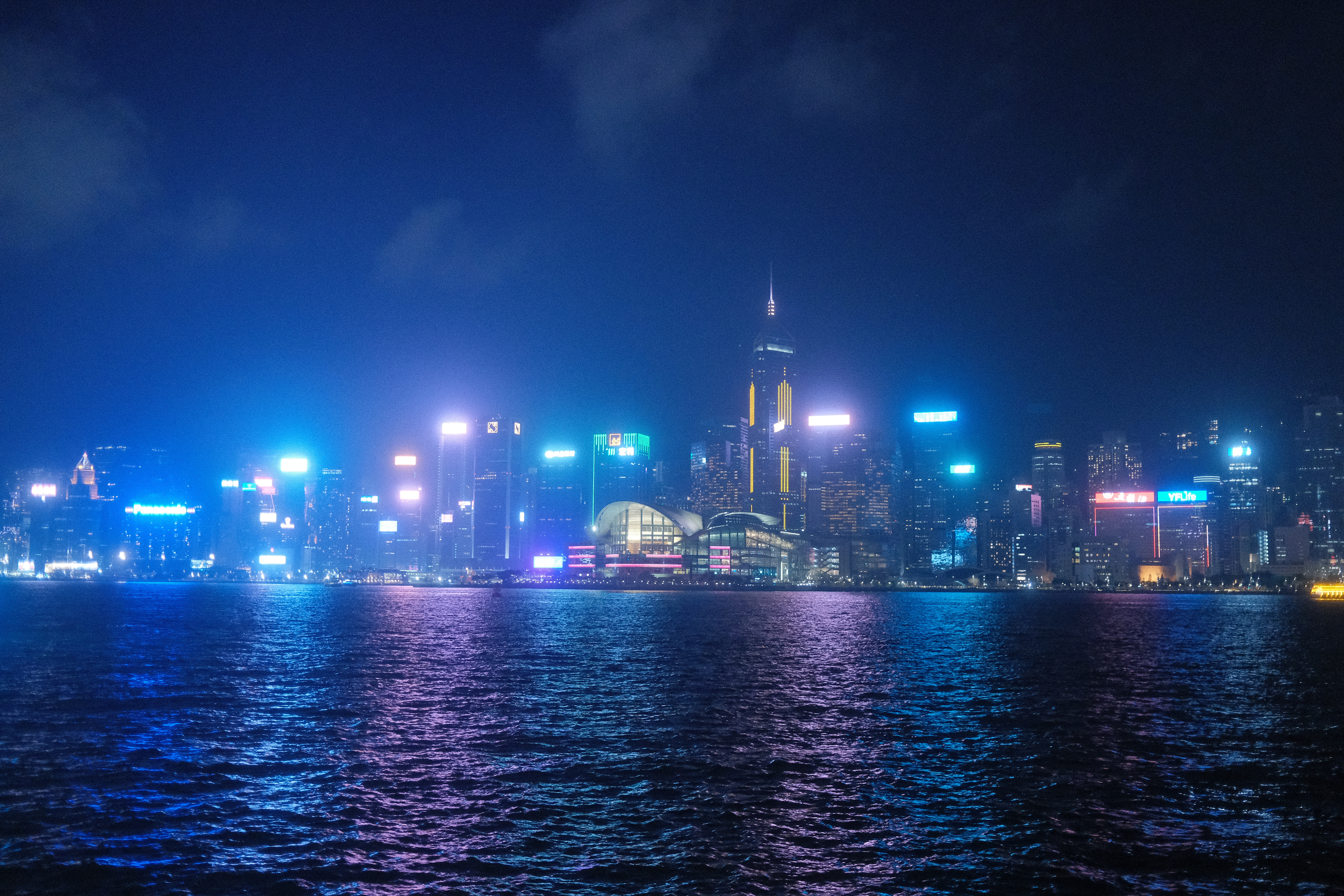
I first visited Hong Kong in October 2008. Back then, I was a 12-year-old boy on vacation, who was preoccupied with getting 100% completion in Kirby Super Star Ultra on his Nintendo DS Lite.
They say children don’t have the same awareness of the real world as adults, and this has never felt more apparent than on my trip this year.
I’ve been led to believe Hong Kong is one of the world’s great cities because of its unique position as a global finance hub. However, visiting as a mobility advocate and urbanist made me question the kind of progress and prosperity the metropolis has built its reputation on.
In a nutshell, I’d say that Hong Kong is efficient but not necessarily people-friendly. Read on to figure out how I arrived at that conclusion.
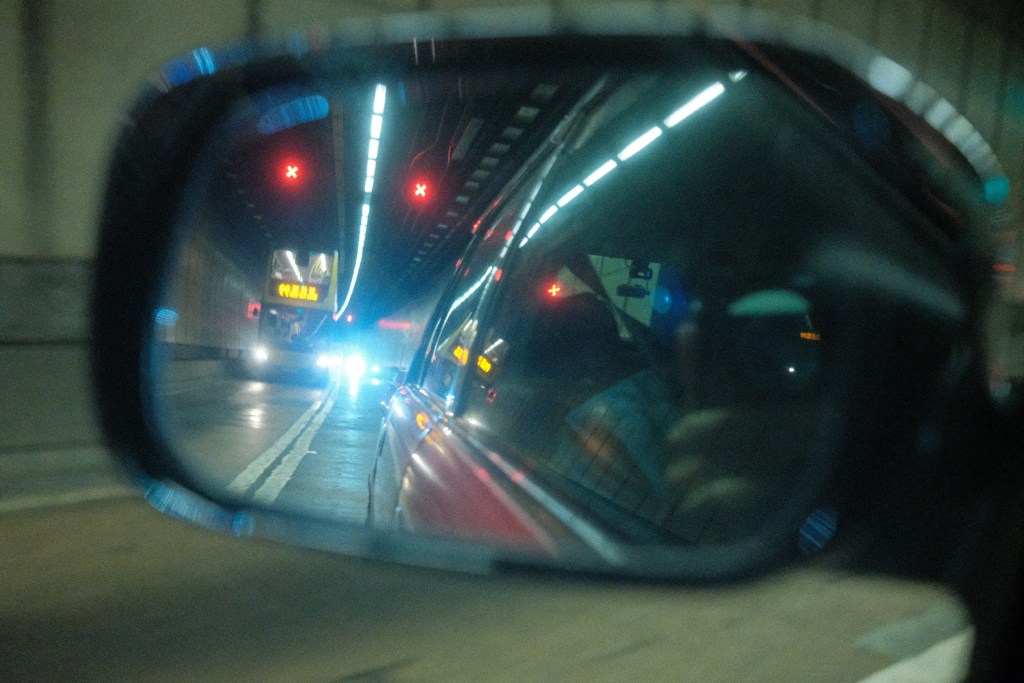
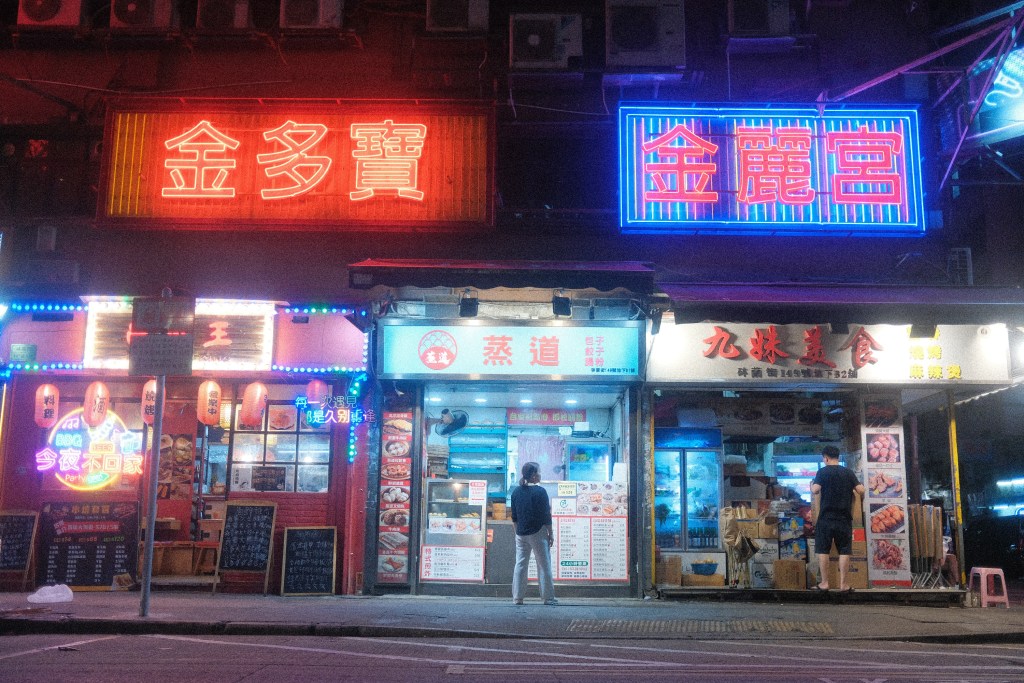
An overview of my trip
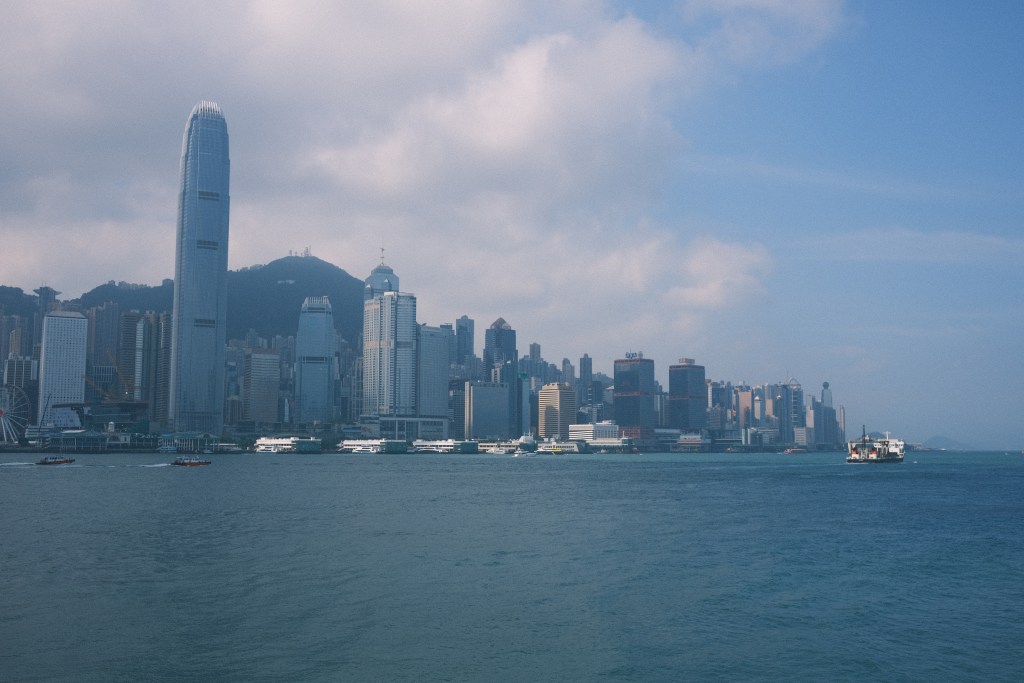
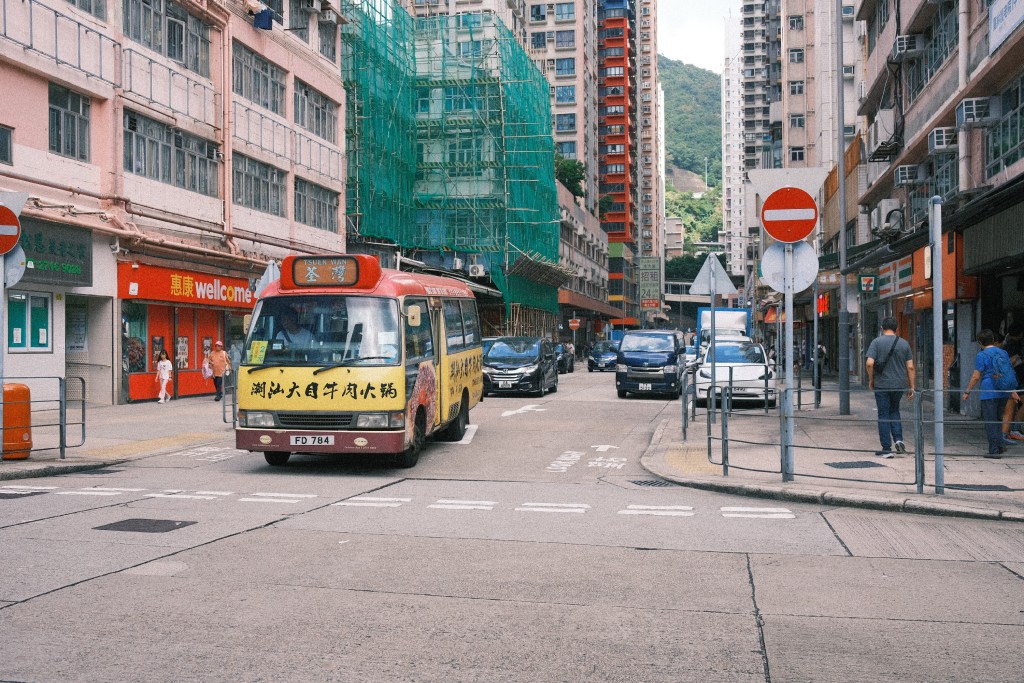
I had to be wise with my time since I had only three days to explore Hong Kong. I began by exploring Tsim Sha Tsui and Mong Kok on the first day to get a feel for Kowloon.
The next day, I went over to Hong Kong Island, where I went around a bit in Central during the day before going on a long walk from Quarry Bay to Wanchai along the waterfront walkway.
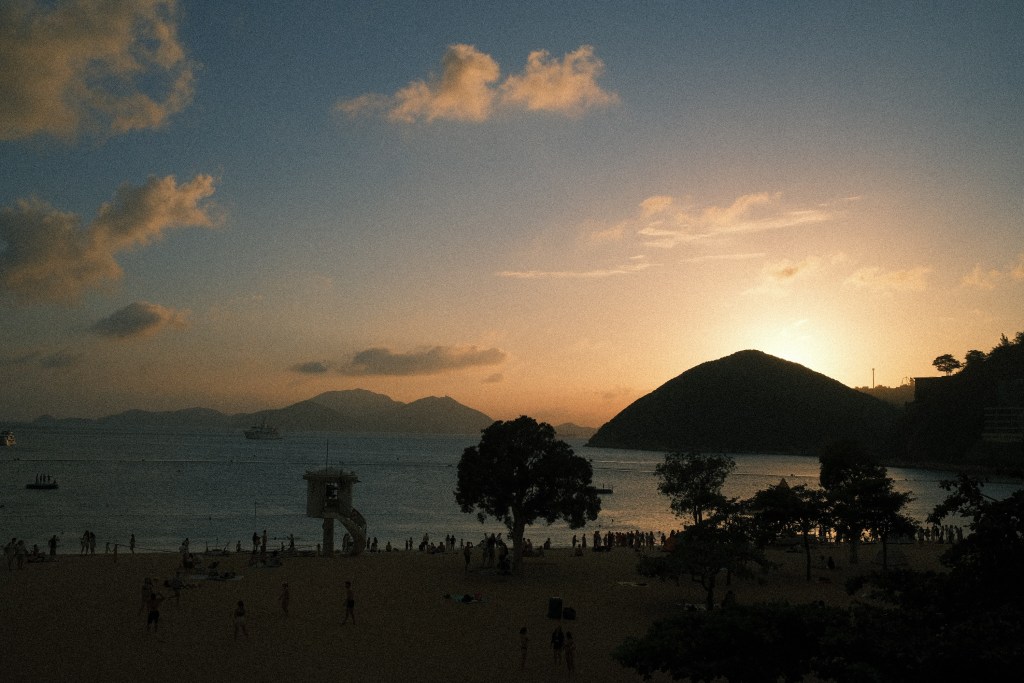
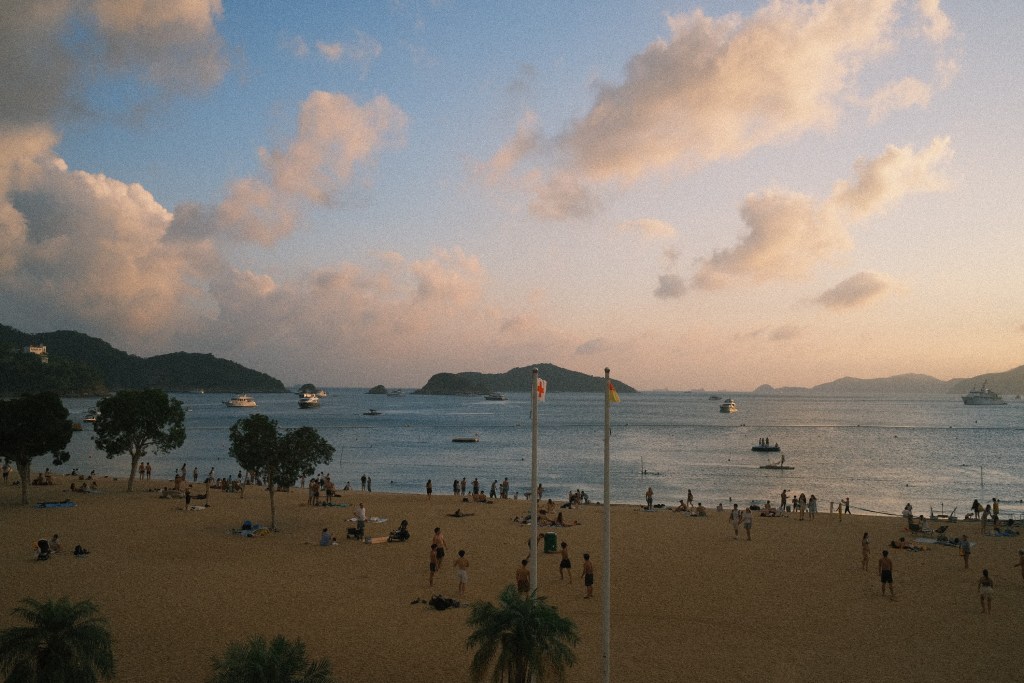
The final day was spent in Sham Shui Po, where I visited a few bike shops and climbed up Garden Hill. After having an early dinner at Repulse Bay, I went on one last photo walk around Sham Shui Po, Mong Kok, and Yau Ma Tei.
One headache after another
I was hoping to have a good time in Hong Kong since I expected it to be the opposite of Singapore, which was sterile, expensive, and car-centric. Although the two metropolises are distinct from each other, they both had their fair share of headaches.
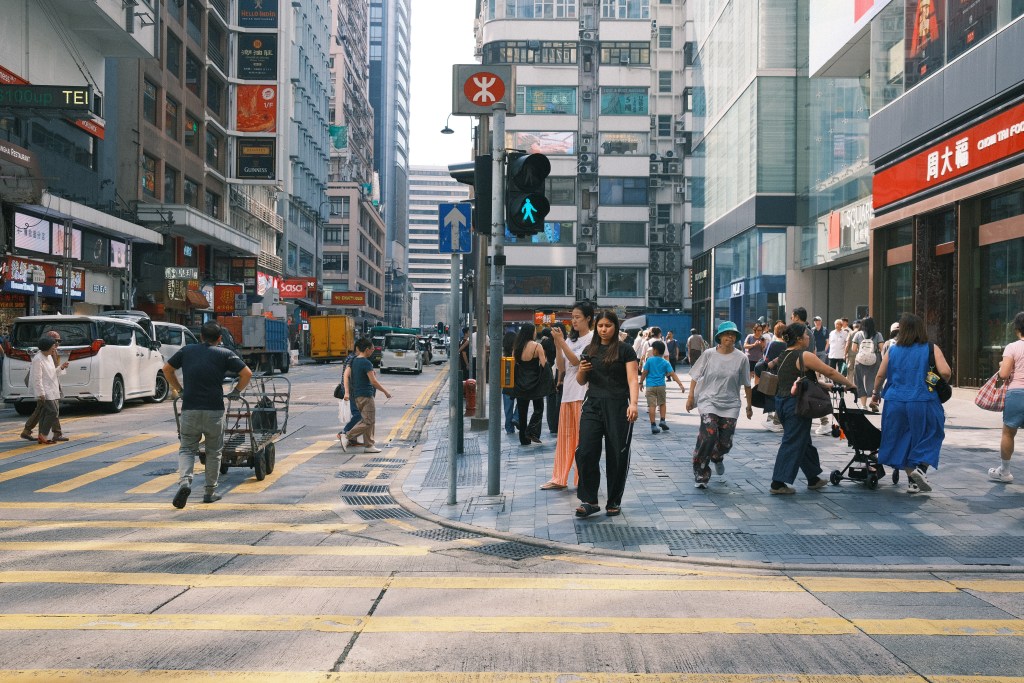
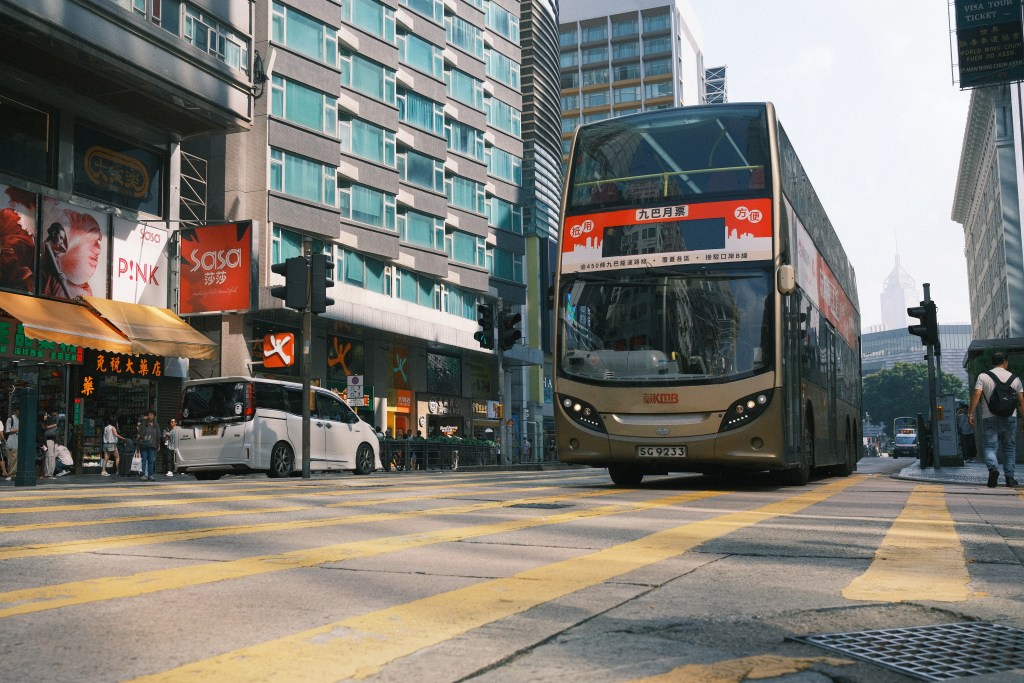
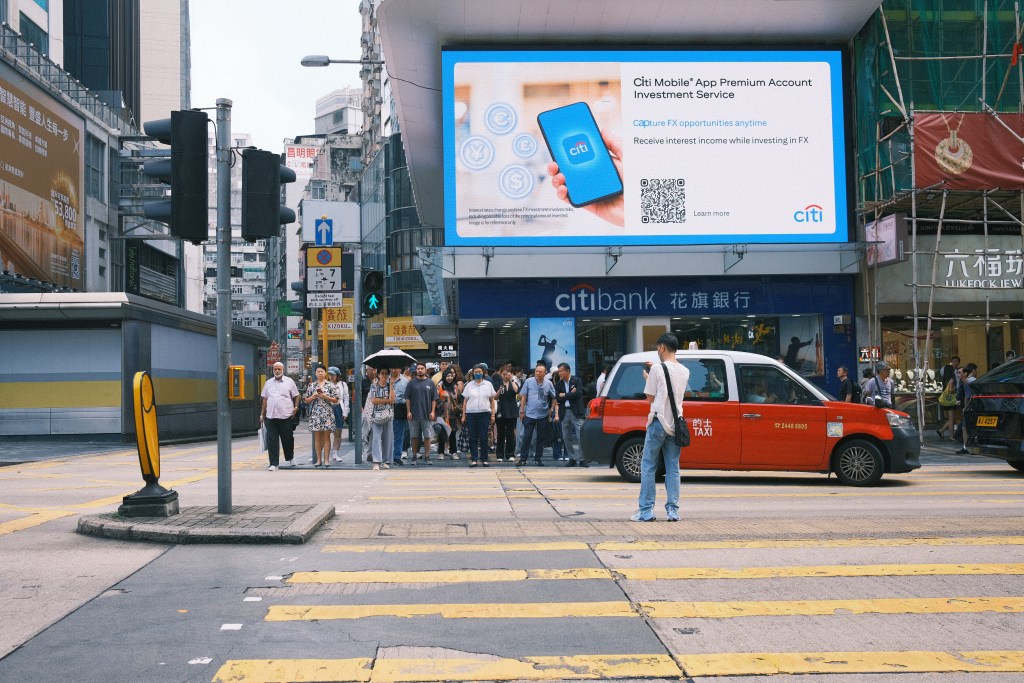
Somewhat similar to Singapore, Hong Kong was walkable but not pedestrian-friendly. The streets are narrow and filled with activity and foot traffic. Yet, vehicular traffic was still prioritized, even in the busiest areas such as Nathan Road and Central.
Pedestrian timers are found at almost every possible intersection, and they take a while to go green. It’s most frustrating when the road is only one- or two-lanes wide, and you’re tired from walking in the afternoon heat. That’s why it’s no surprise that people disregard the pedestrian signals when there are no cars approaching.
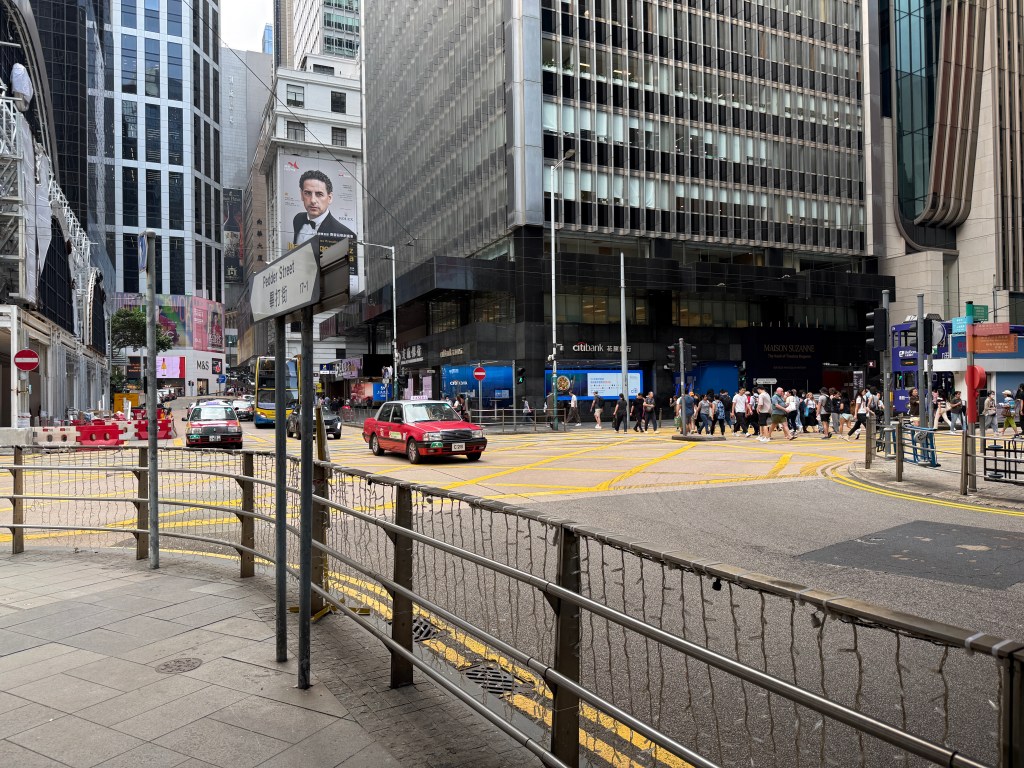
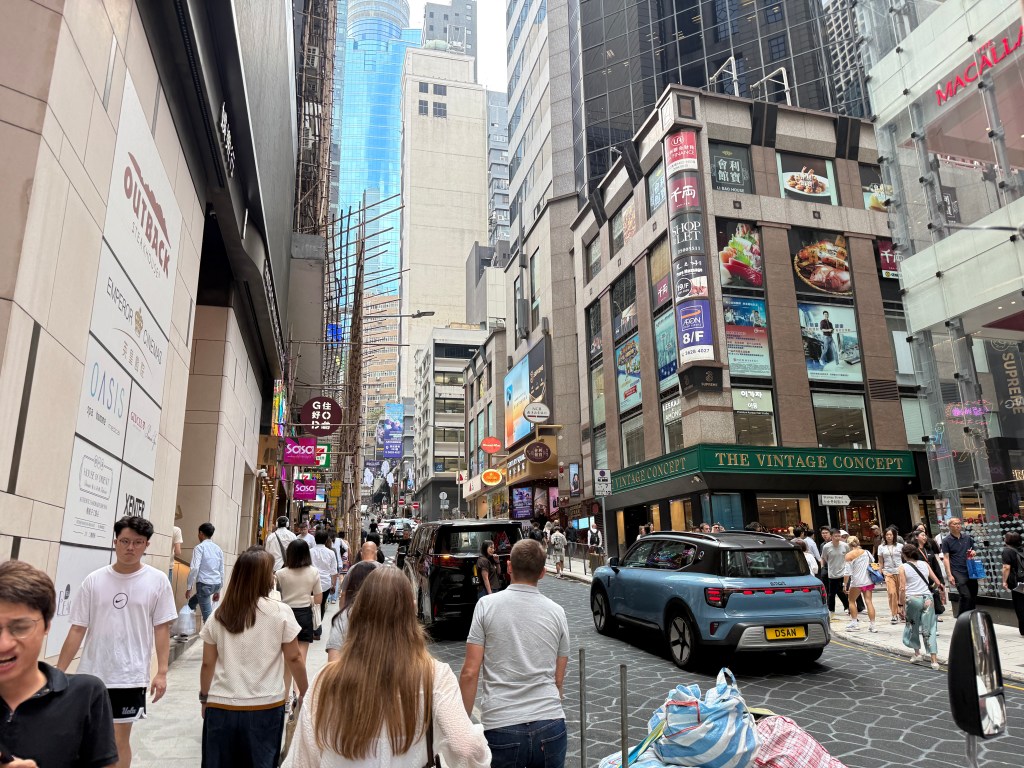
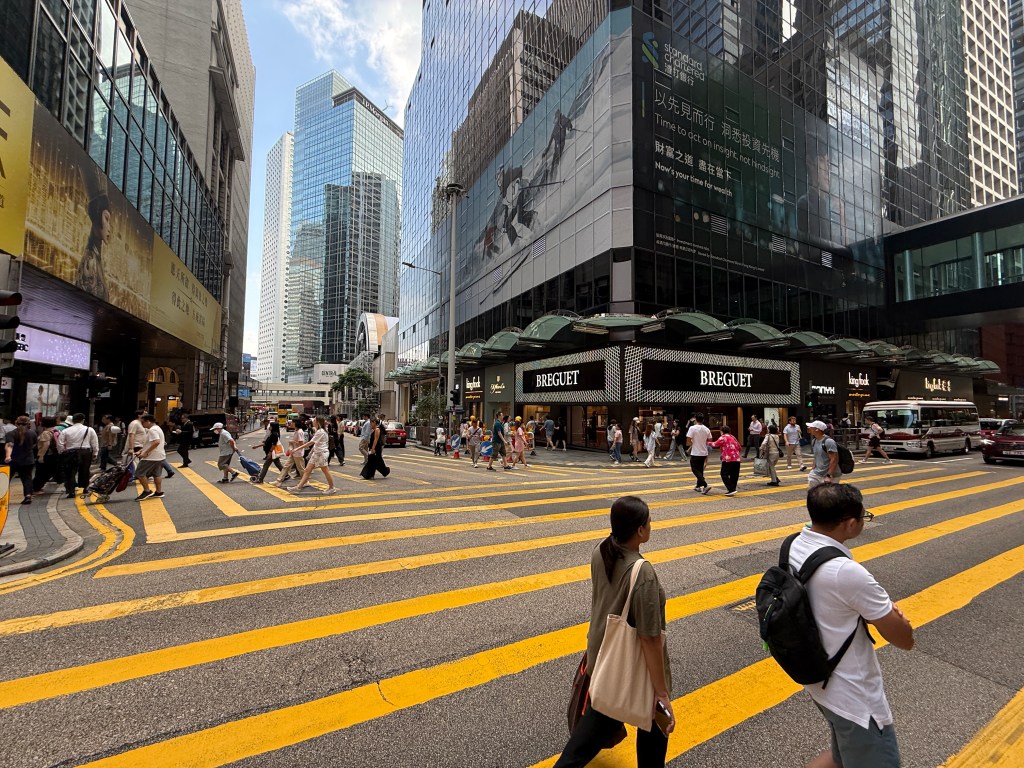
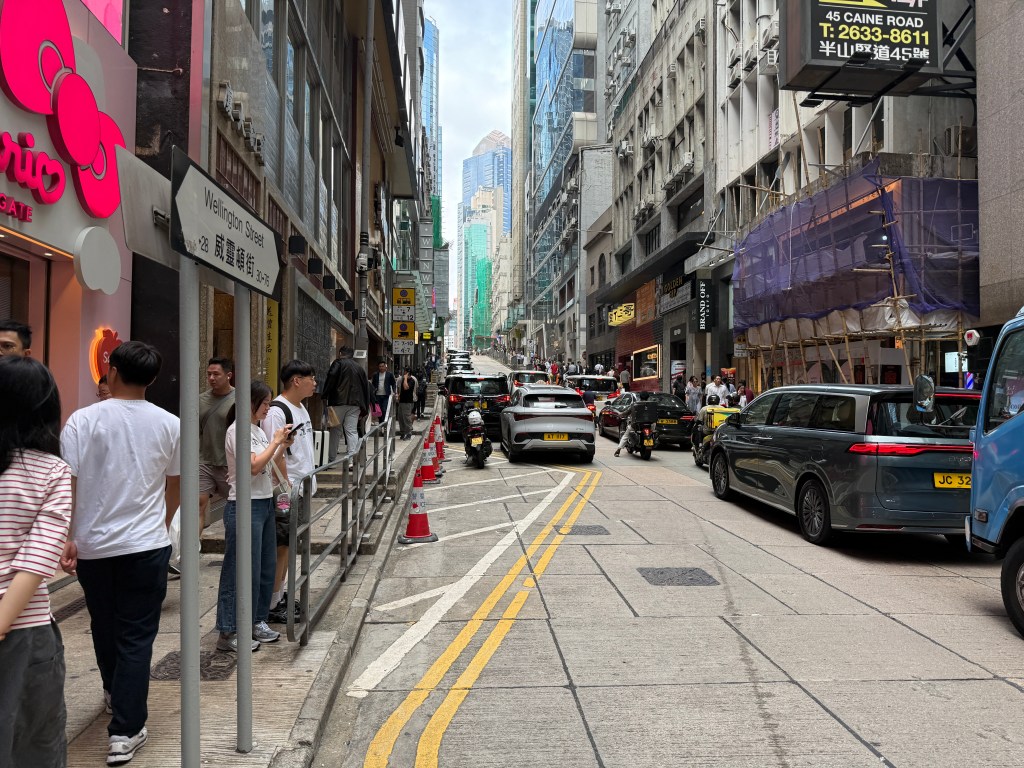
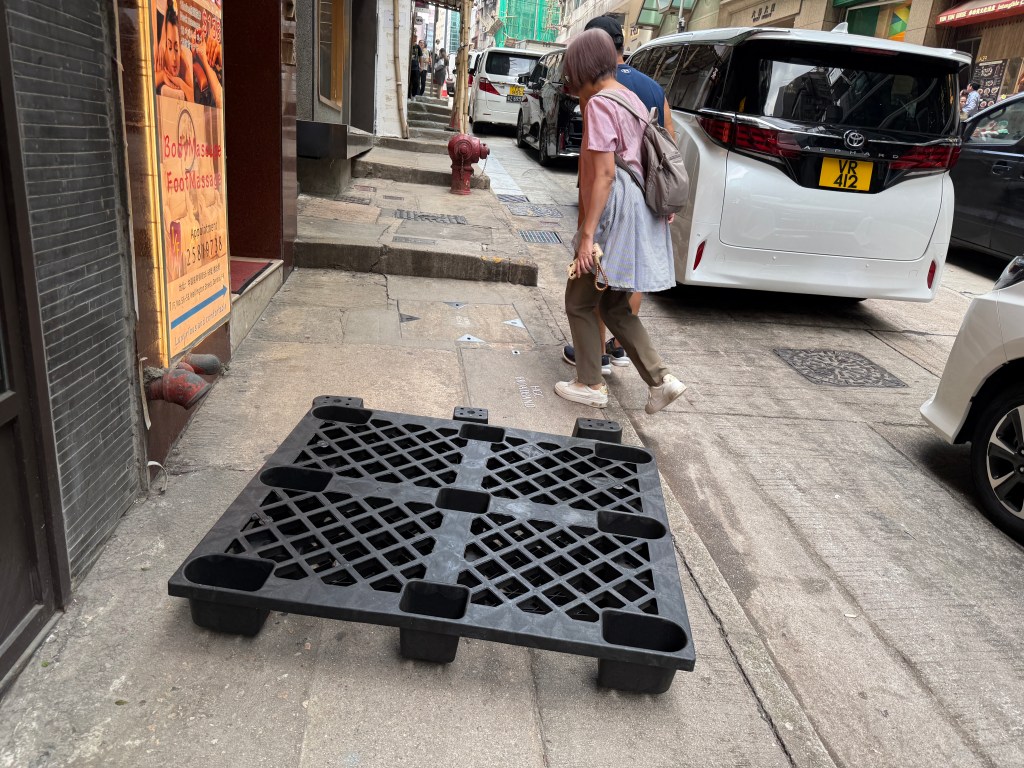
Central was particularly worse because of the absence of accessibility. The terrain is steep, and the sidewalk is narrower (and sometimes obstructed), yet cars still get priority—even when the crowd of pedestrians overflows into the road. I could have put up with it, but not my mother, which is why we didn’t stay long there.
The MTR is efficient, just like the metro systems in Singapore, Taipei, and Tokyo. But since the walking experience at the ground level feels disjointed with the pedestrian timers, I didn’t bother walking far from the stations. This really hindered me from exploring the inner streets.
Waterfront should be prime real estate
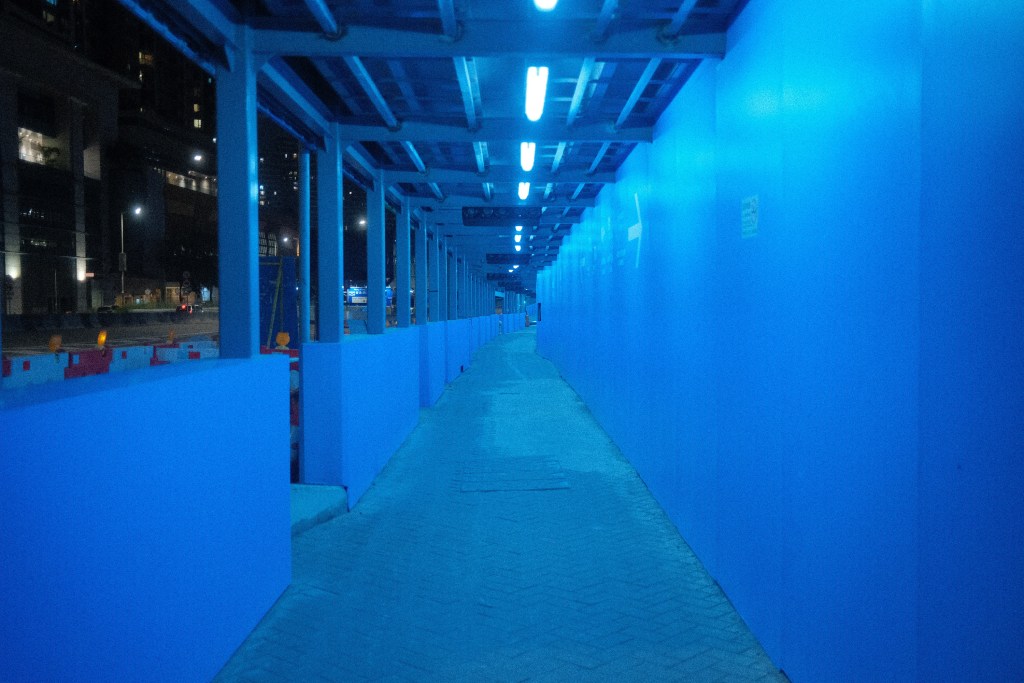
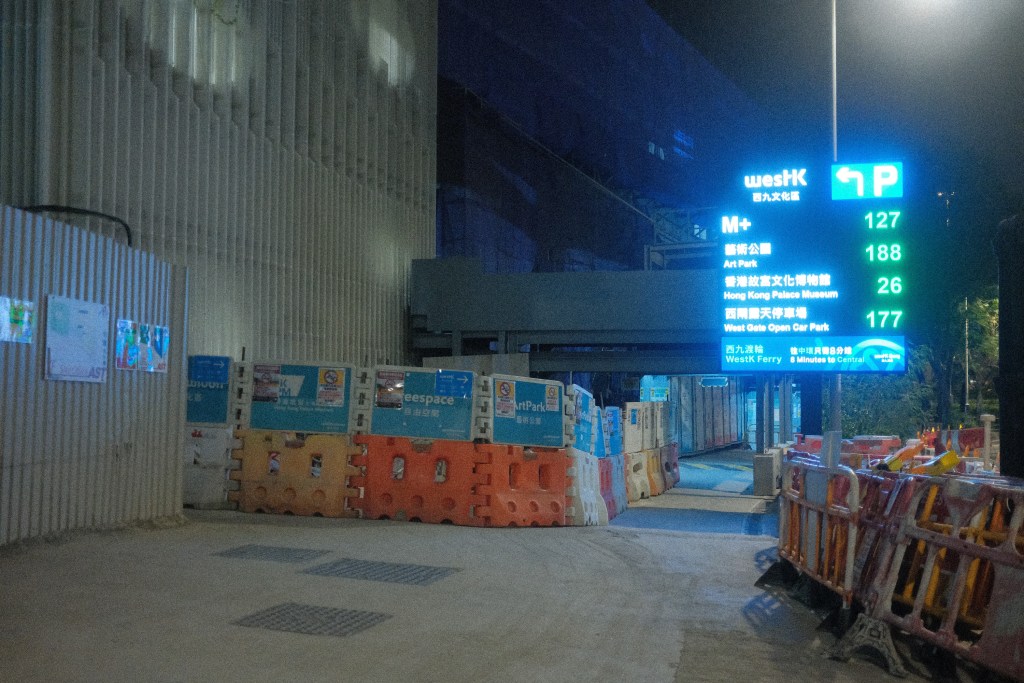
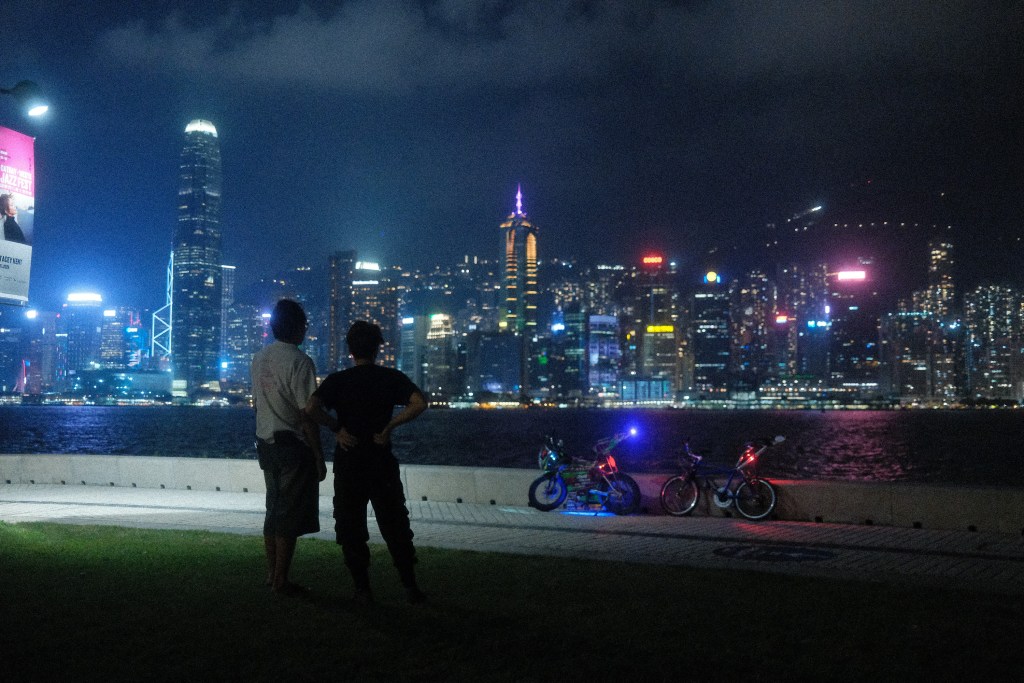
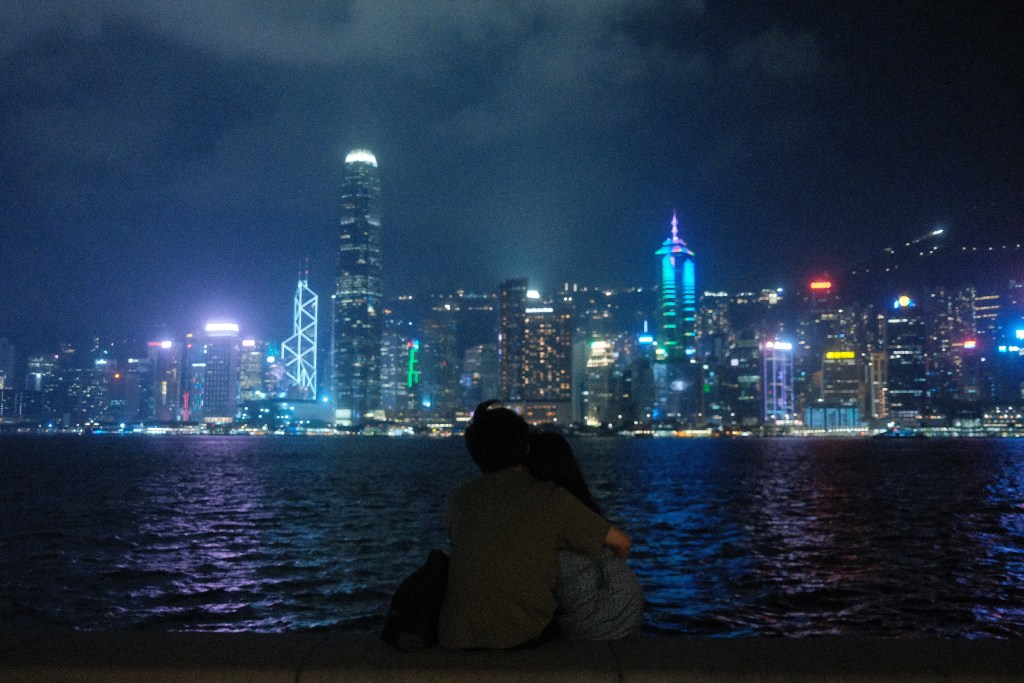
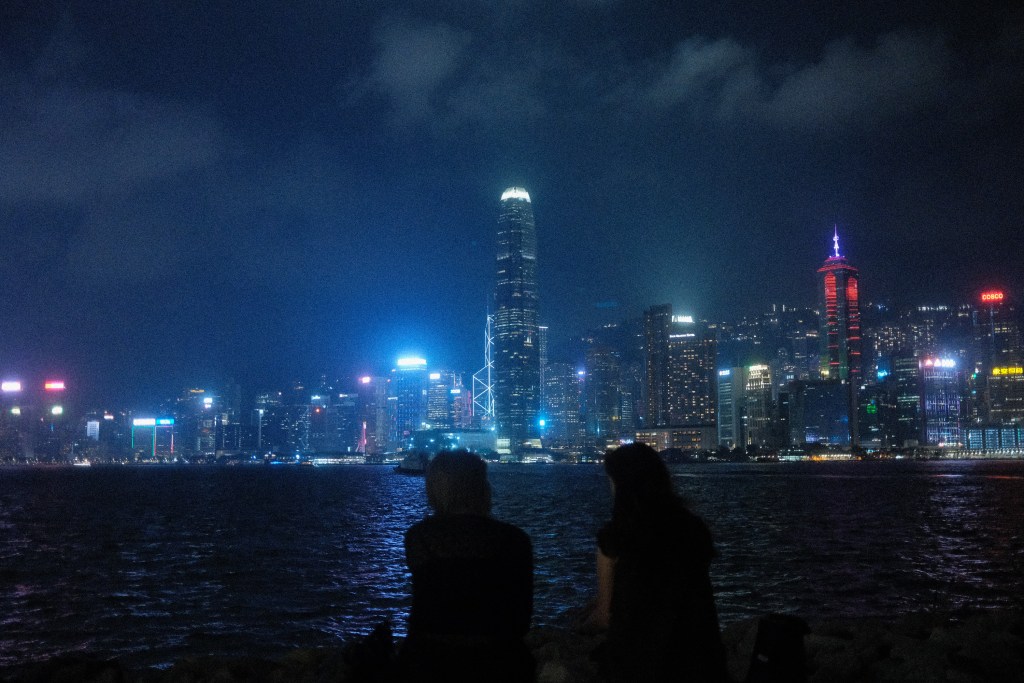
I learned from my time in Istanbul that the life of a city can be found by bodies of water. If Constantinople has the Bosphorus River, Hong Kong has Victoria Harbour.
My first attempt at walking by the waterfront was a miserable failure because it was obstructed by parking lots and construction sites. By the time I arrived at the West Kowloon Waterfront Promenade, I was already tired from walking 1.5km, and I also dreaded the return trip.
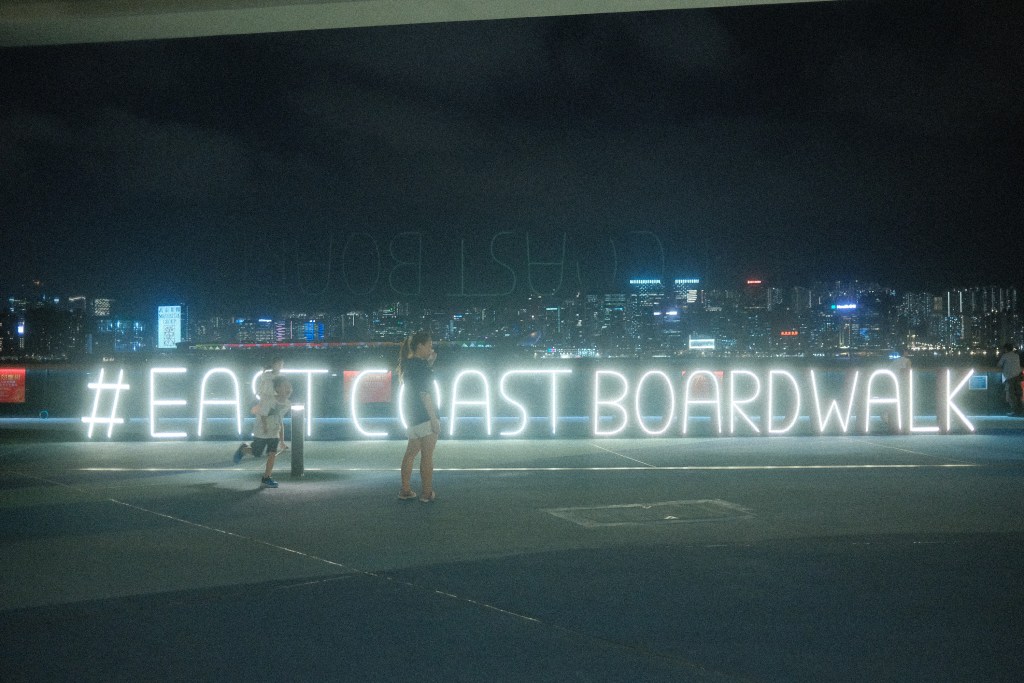
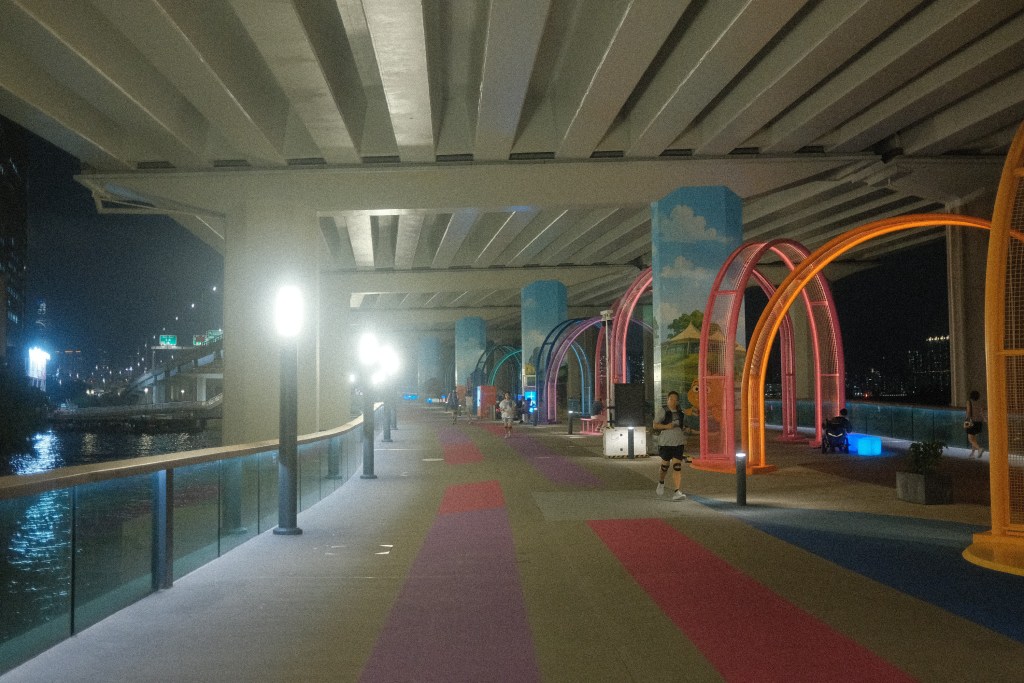
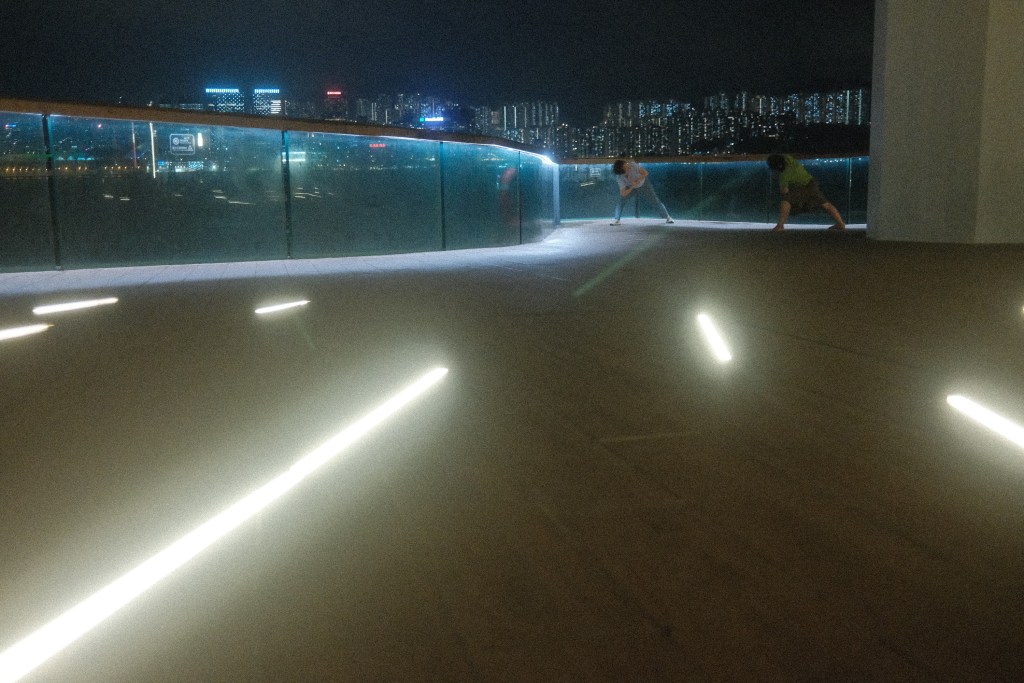
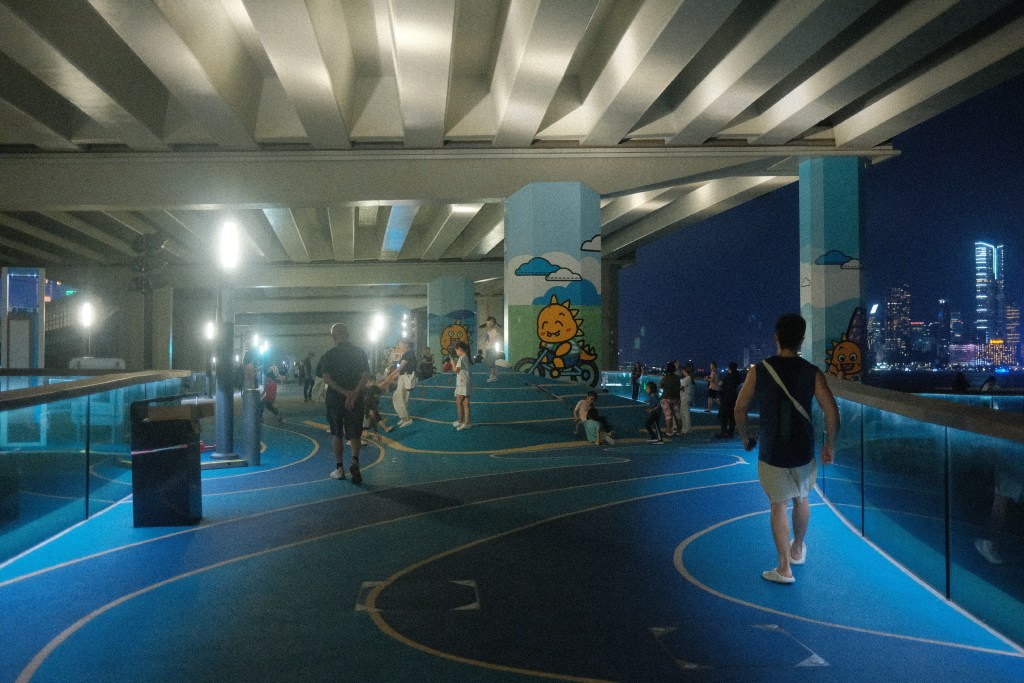
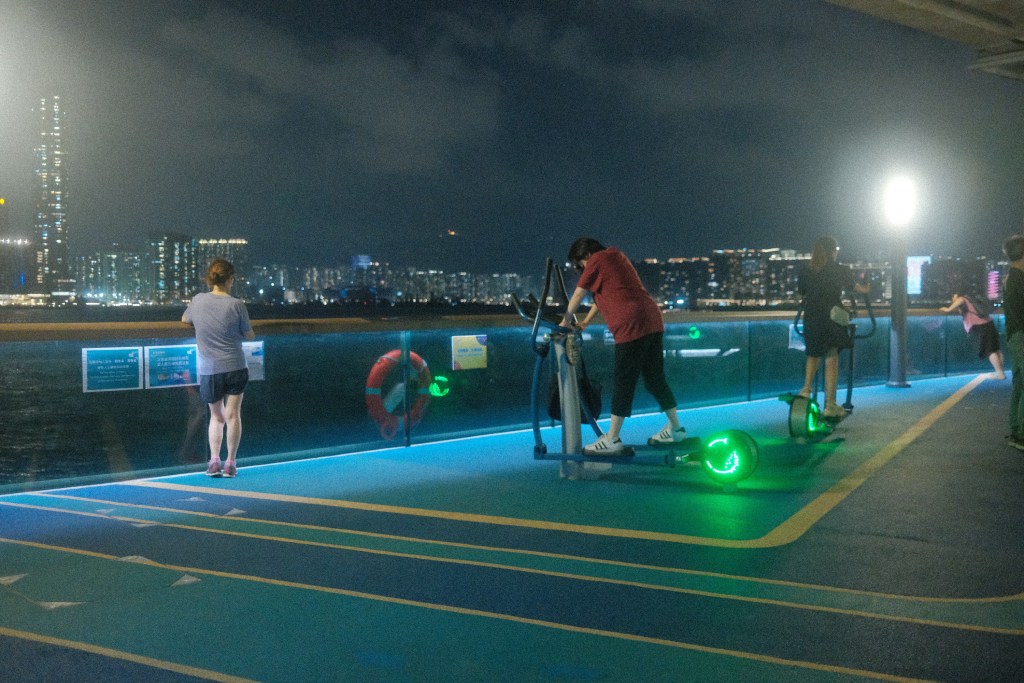
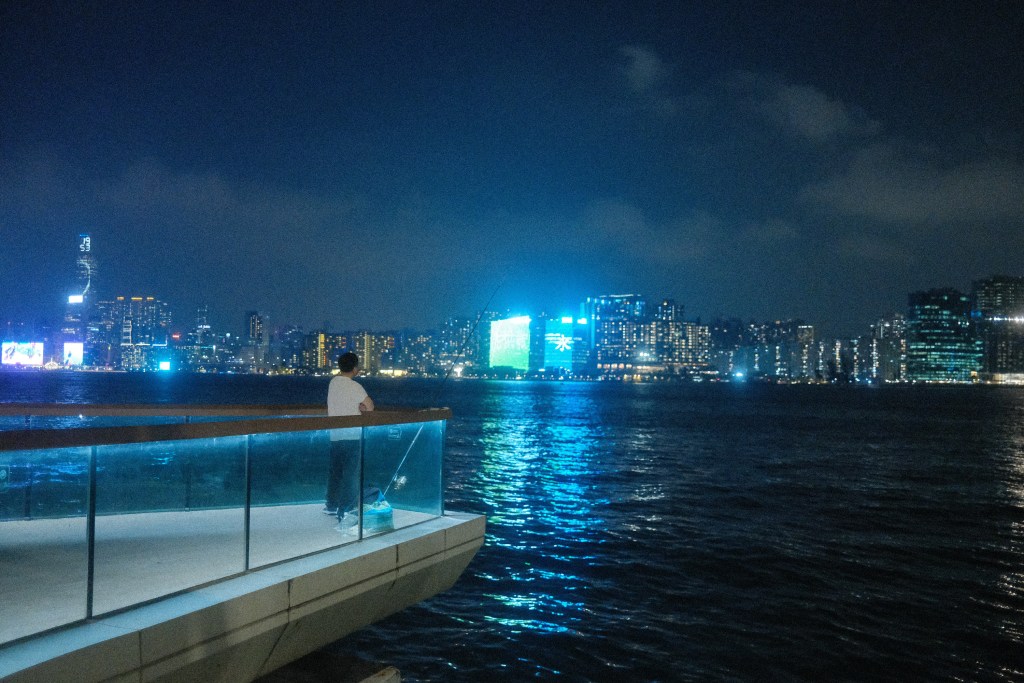
The East Coast Boardwalk was better because the shared path was a continuous stretch. However, I noticed that it aimed more at restricting cycling than promoting it. It was also disconnected from the rest of the city, with King’s Road acting like the Great Wall of China.
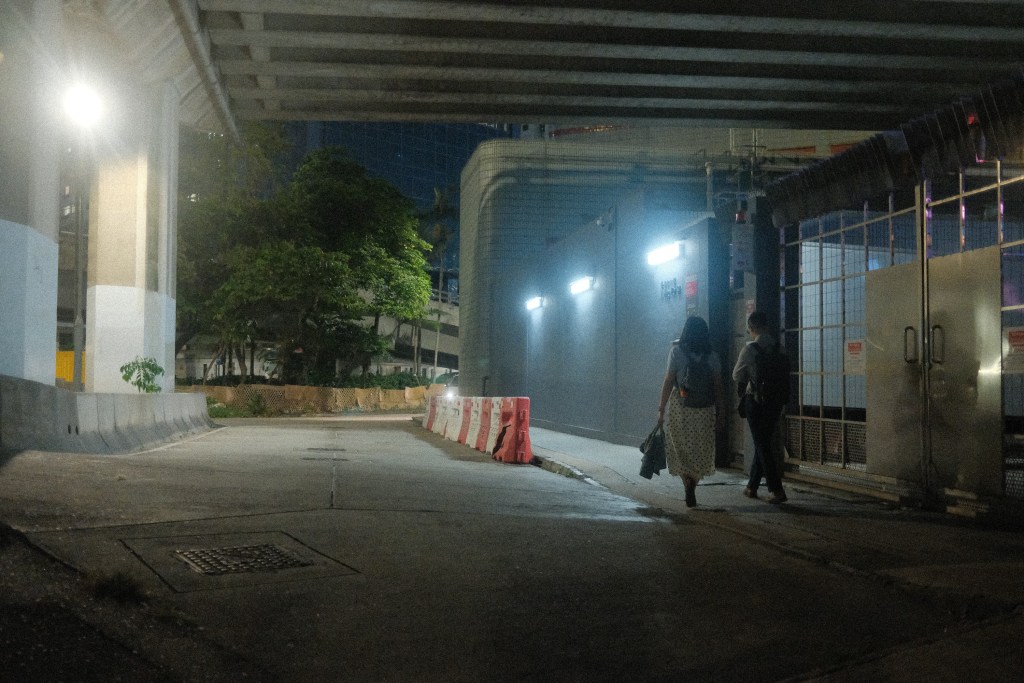
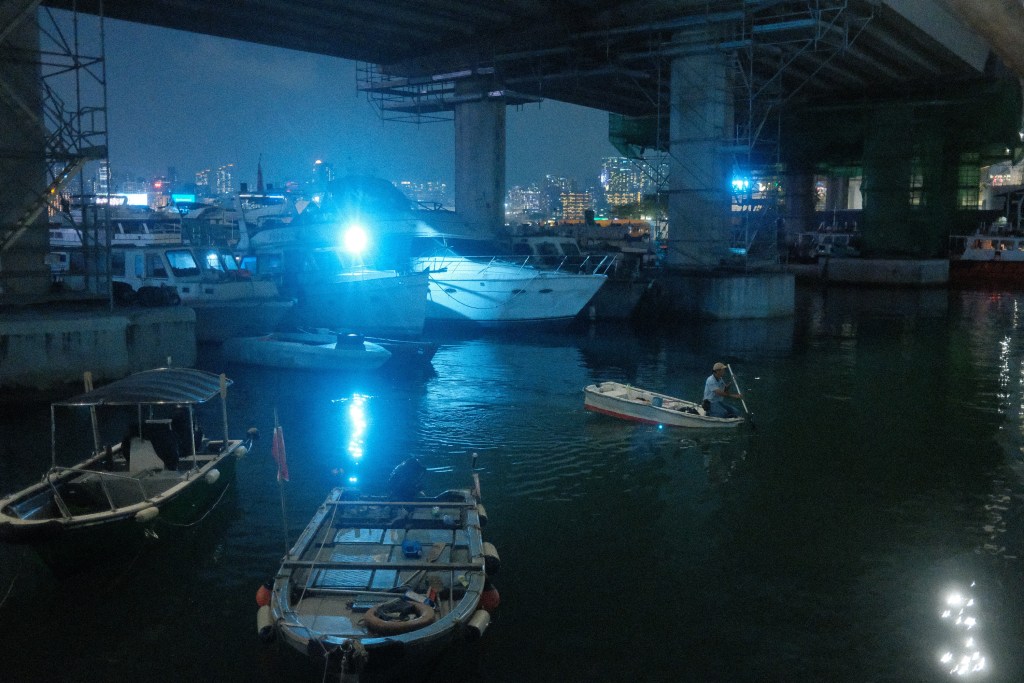
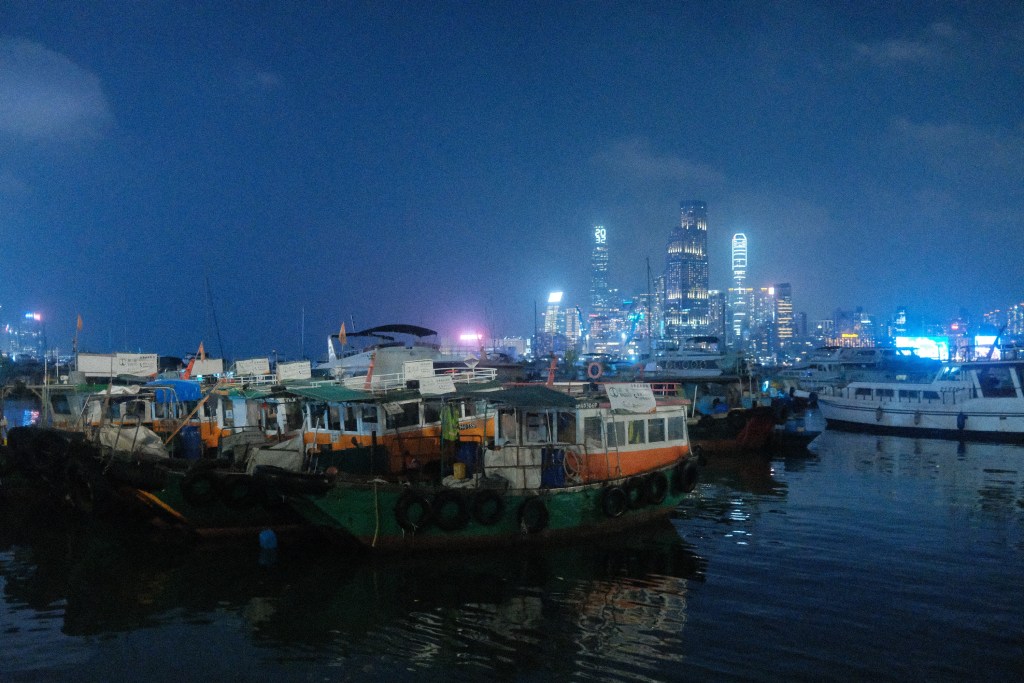
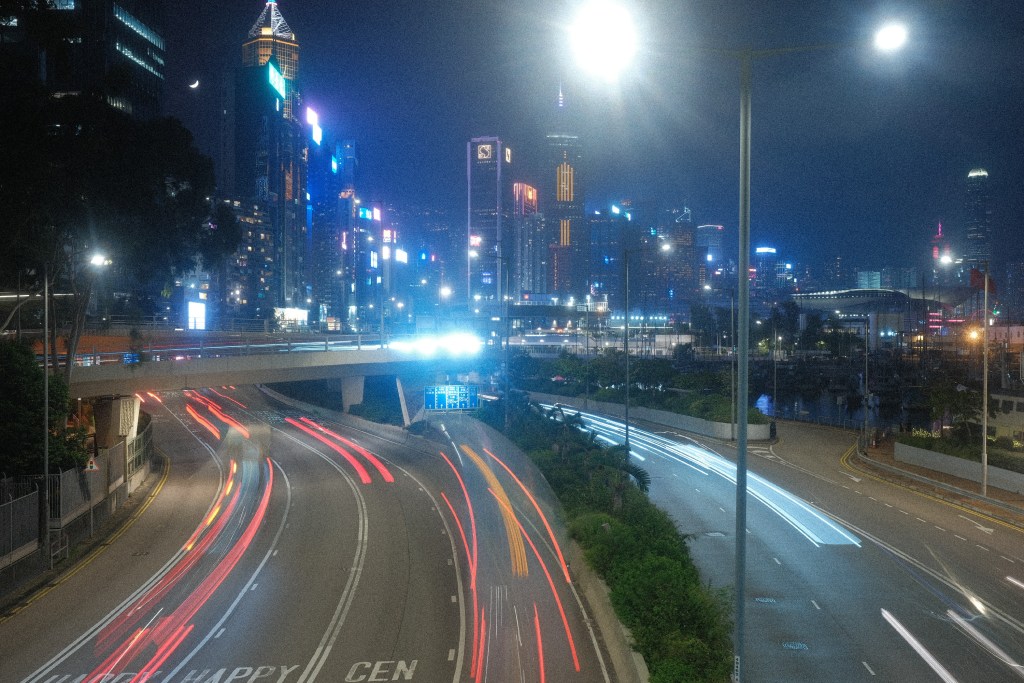
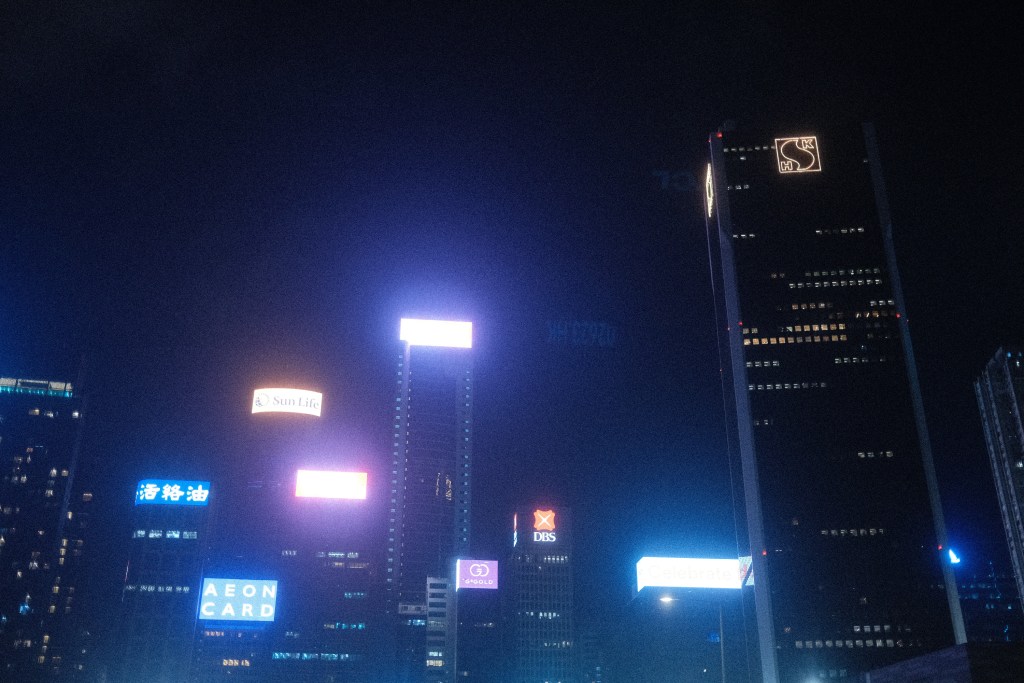
Once the shared path ended, I was flanked by the waterfront to my right, and King’s Road, which was really a stroad, to my left. The cars weren’t even exciting to look at because they were mostly Teslas and Chinese EVs.
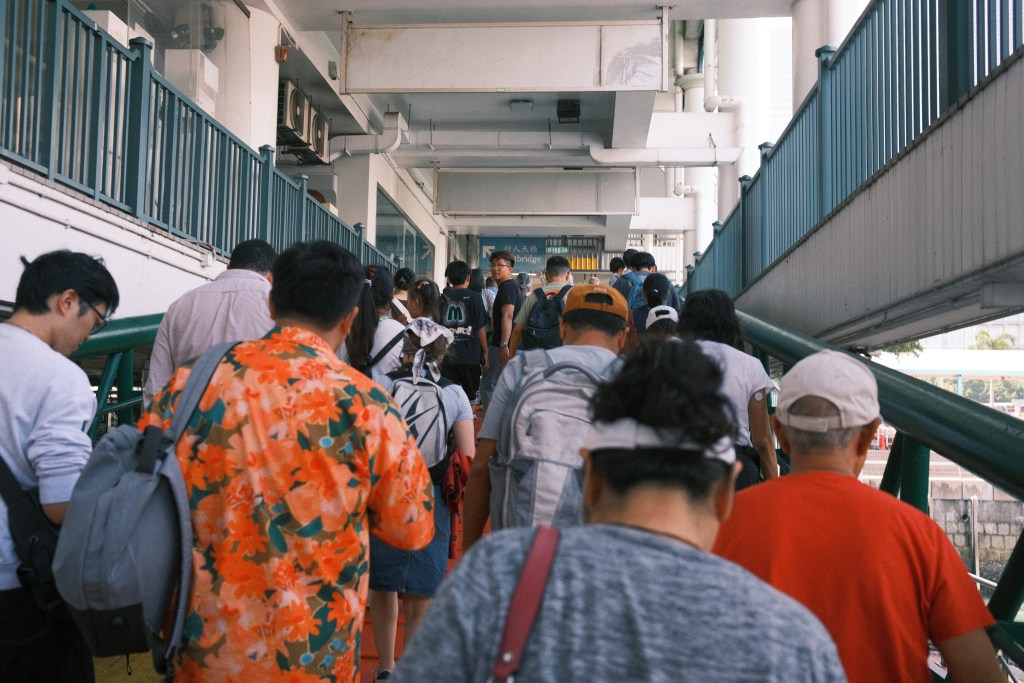
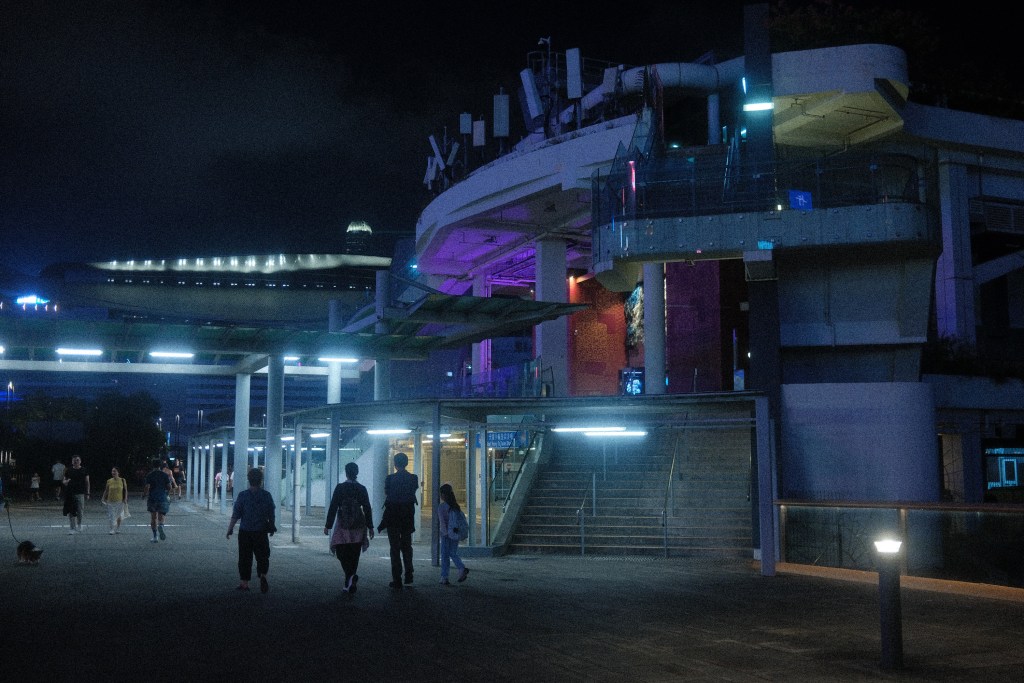
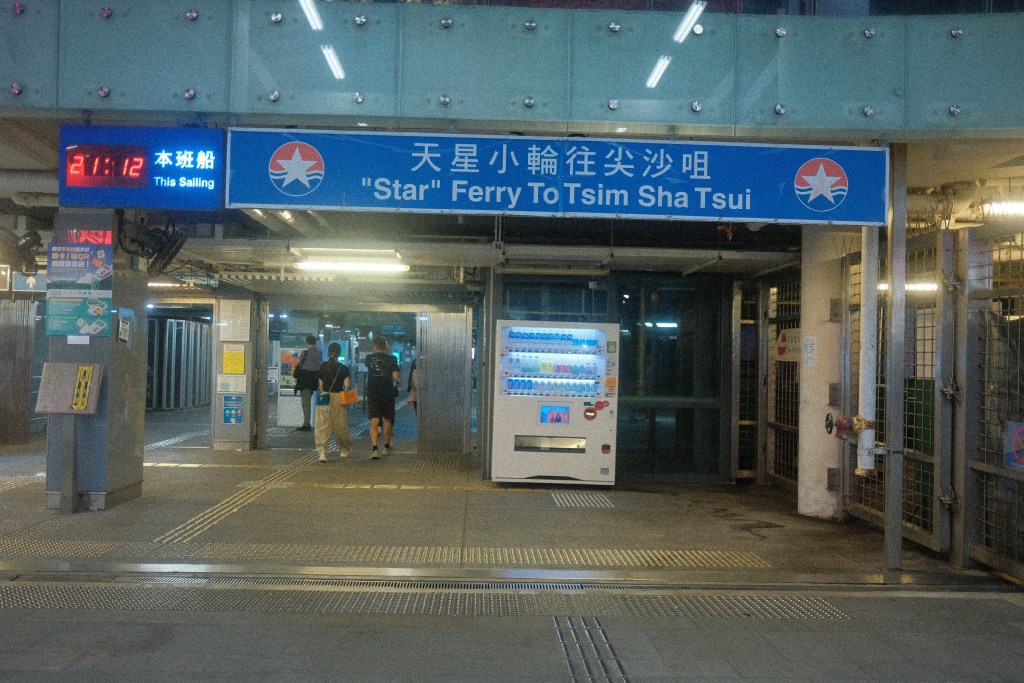
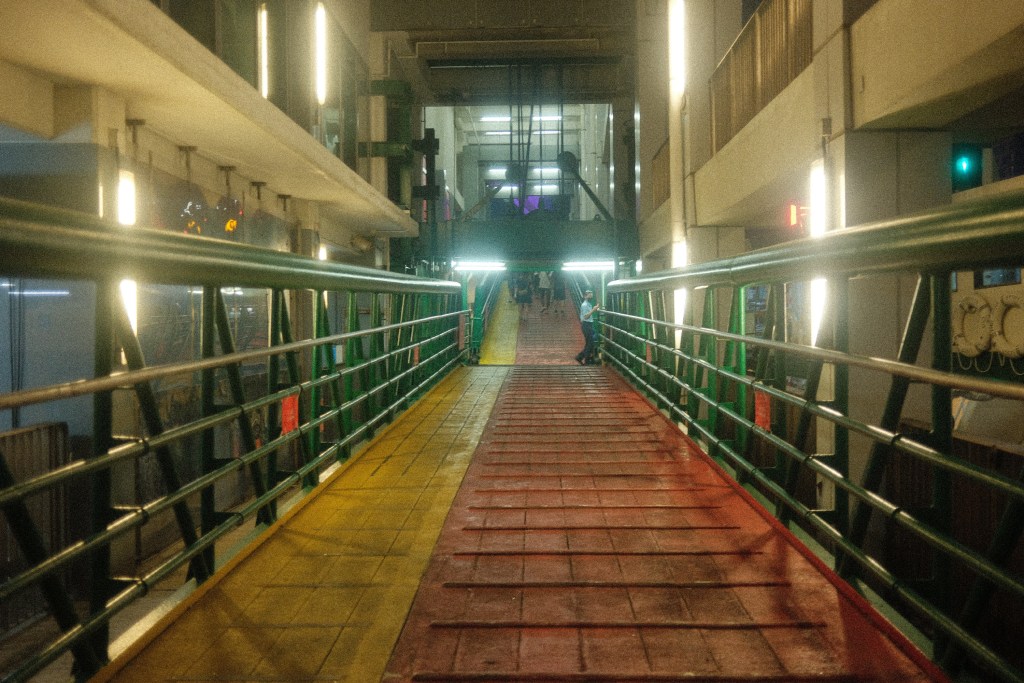
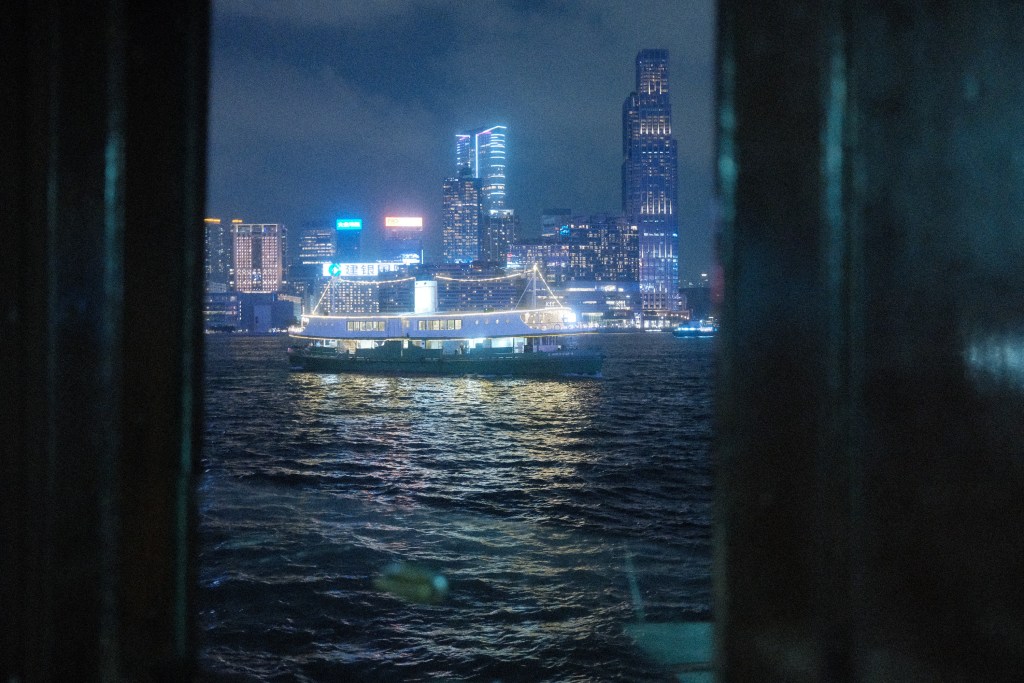
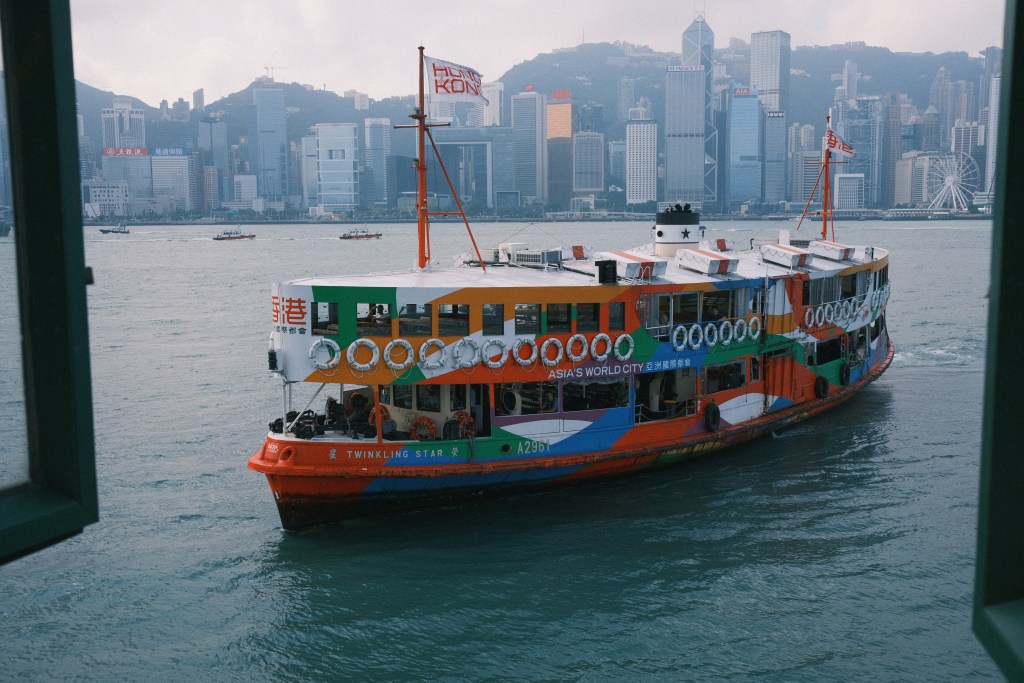
To be fair, the Star Ferry was a viable mode of transportation. The Kowloon terminal was near my hotel, and the eight-minute ride to Central only cost around 5 HKD. I ended up taking the ferry from Wanchai back to Kowloon in the evening because my feet started hurting from more than 6km of walking.
Overstimulated by consumerism
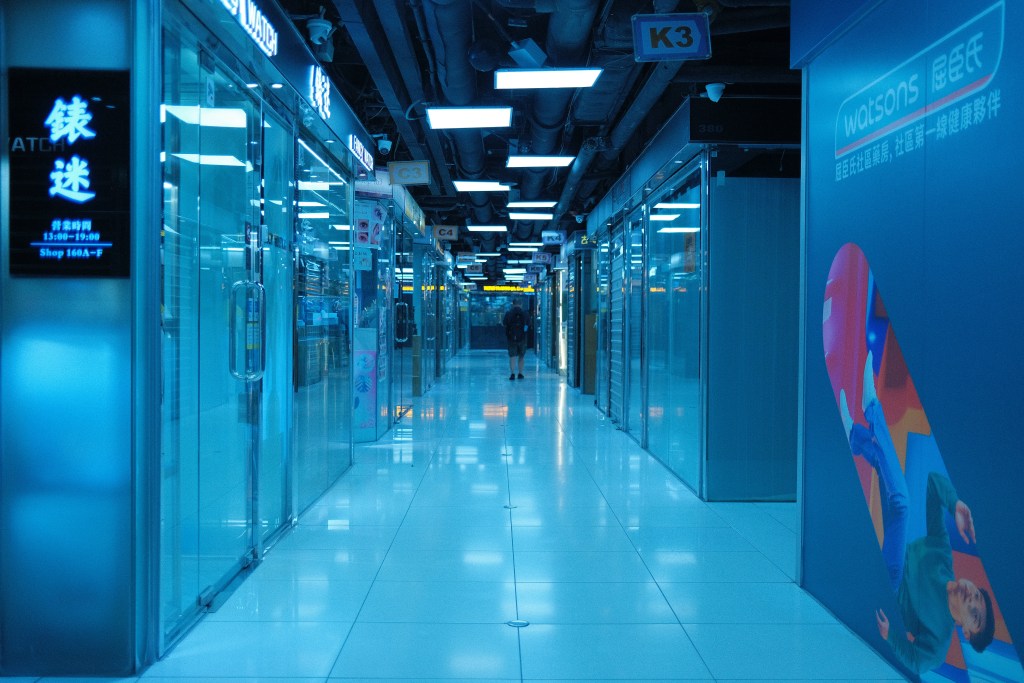
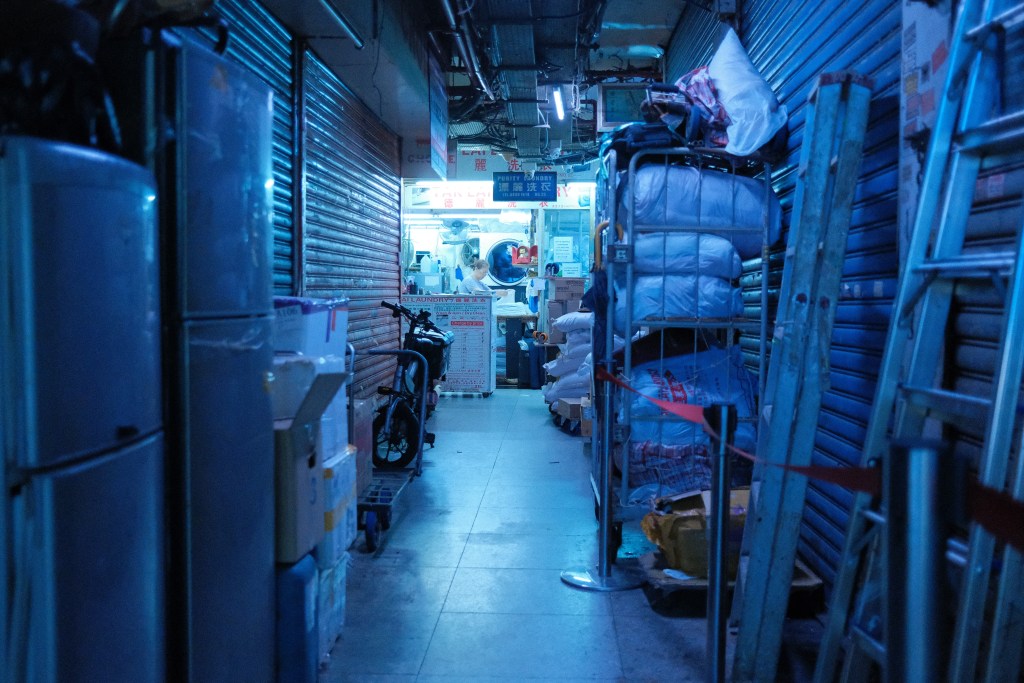
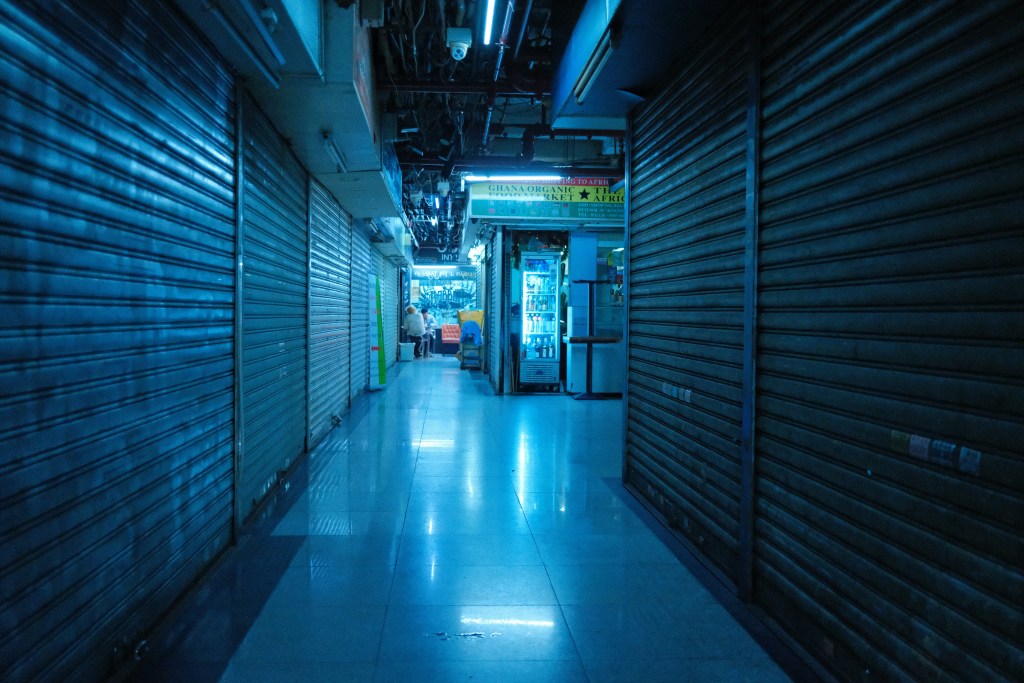
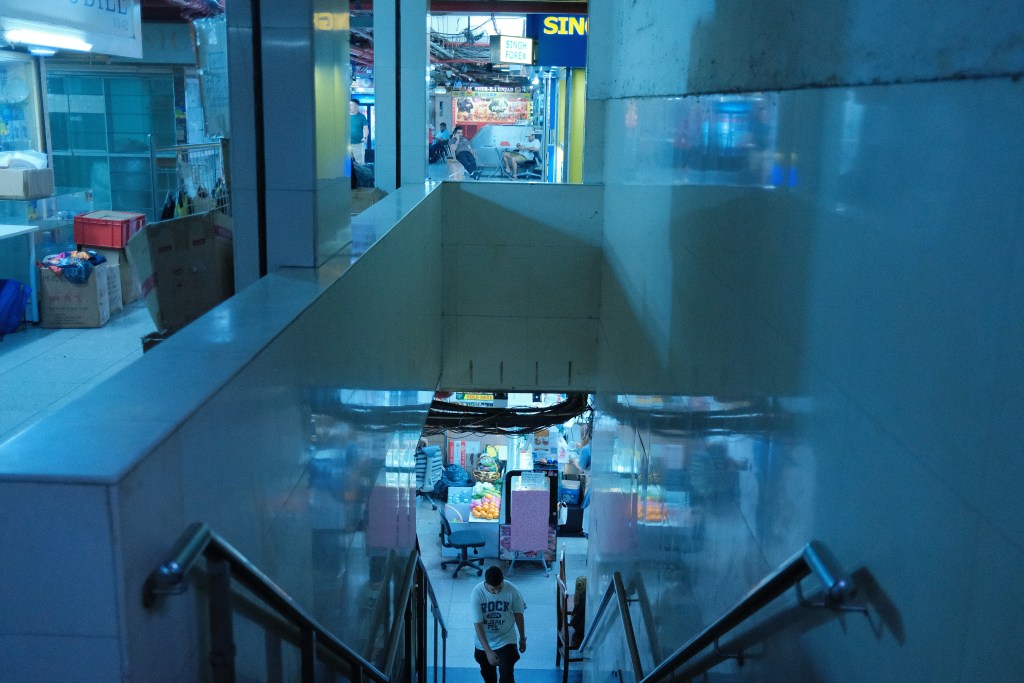
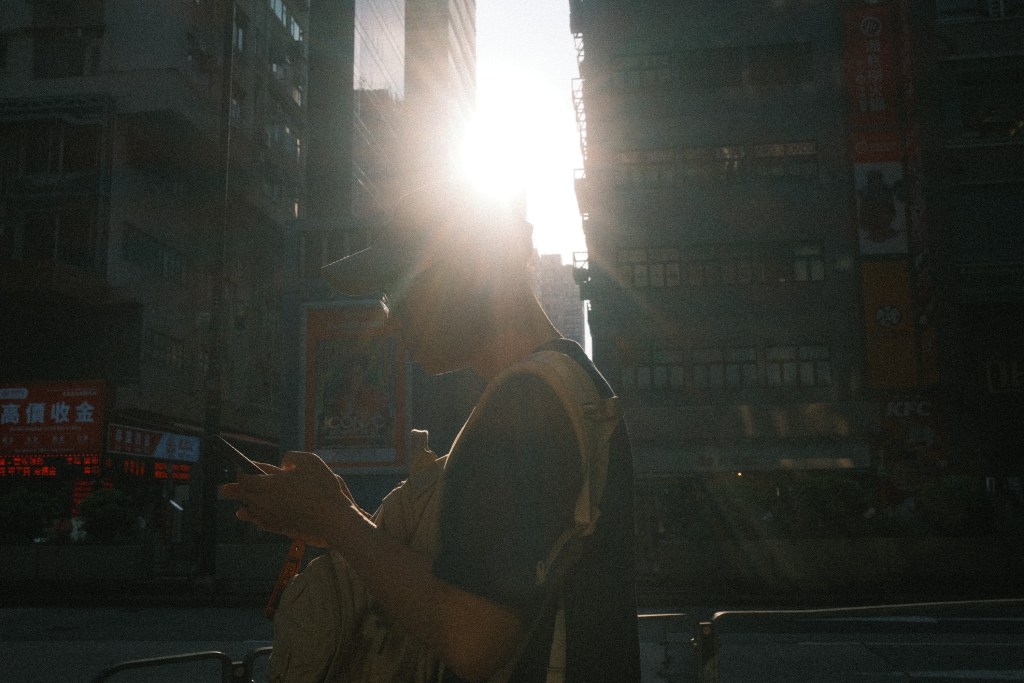
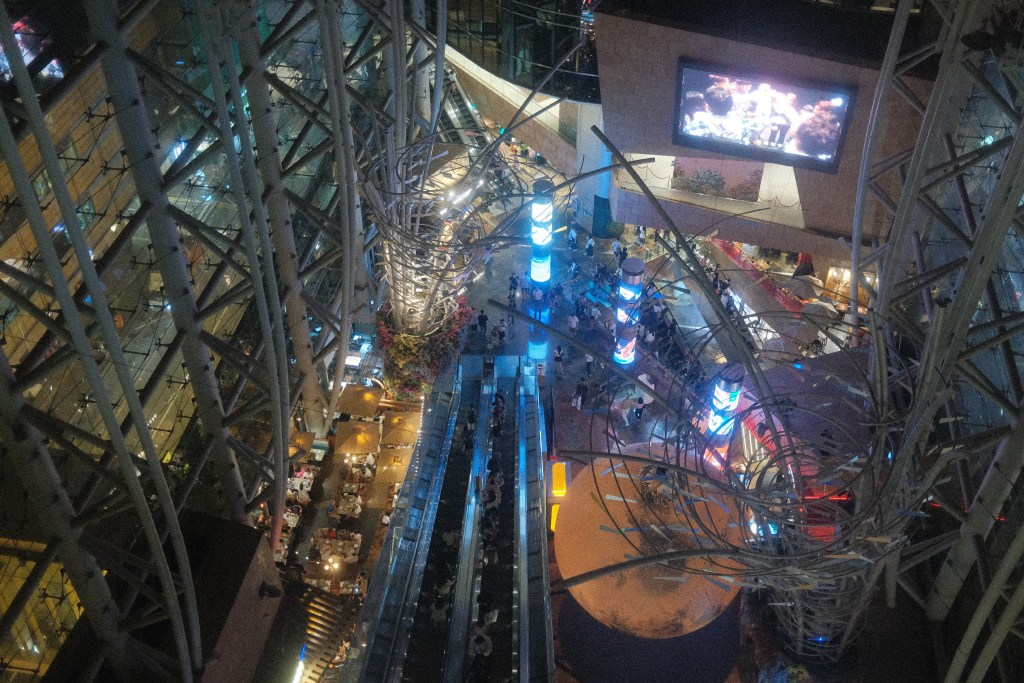
If were in the mood for shopping, Hong Kong has everything I could ever ask for from cameras to watches to anime merchandise. However, I didn’t go there to splurge, and this became a barrier that prevented me from enjoying the place fully.
Hong Kong was filled with all sorts of shops and stores, with malls being located in multi-story buildings. It’s easy to wander around and get lost in them. Yet, whenever I’d enter another shopping building, I knew that I was always going to see the same stuff that I’d already seen elsewhere in Hong Kong. The only exception was Chungking Mansions, but that’s a different world of its own.
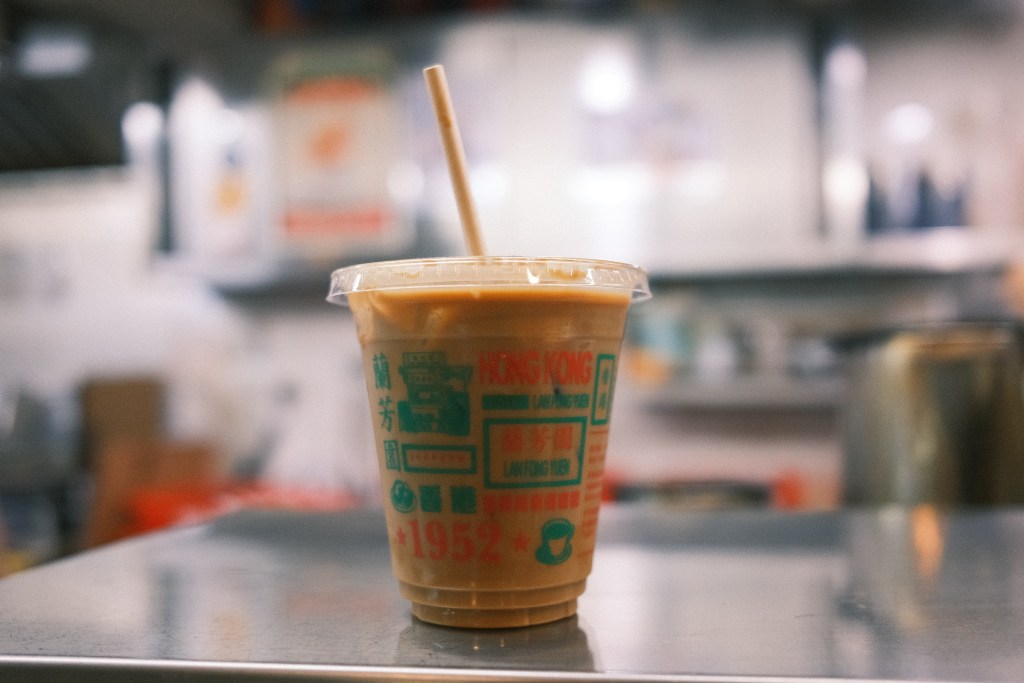
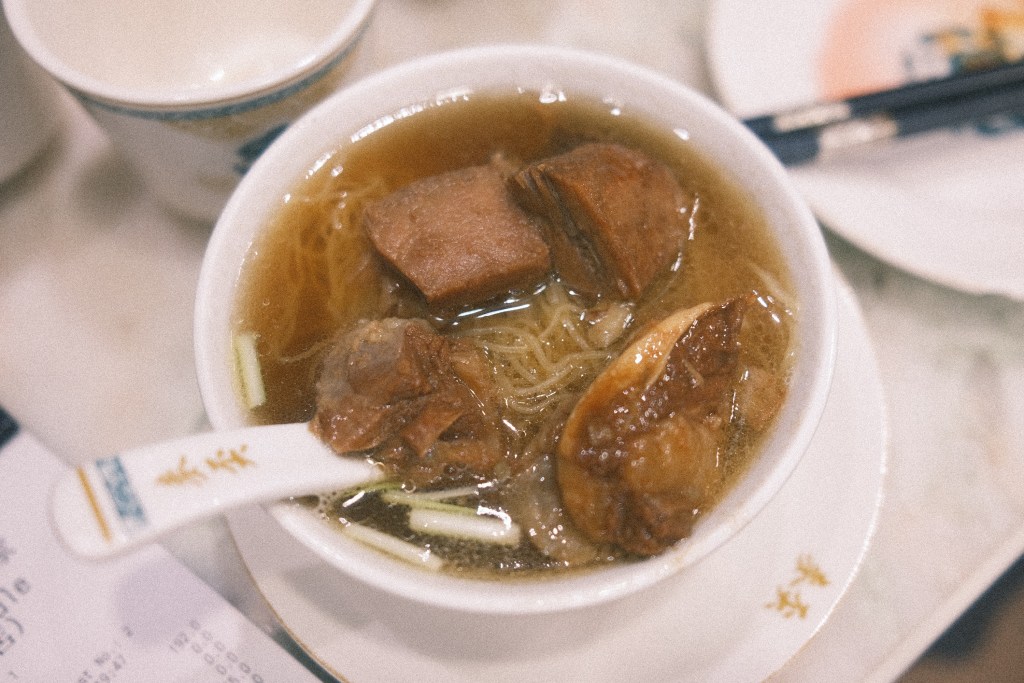
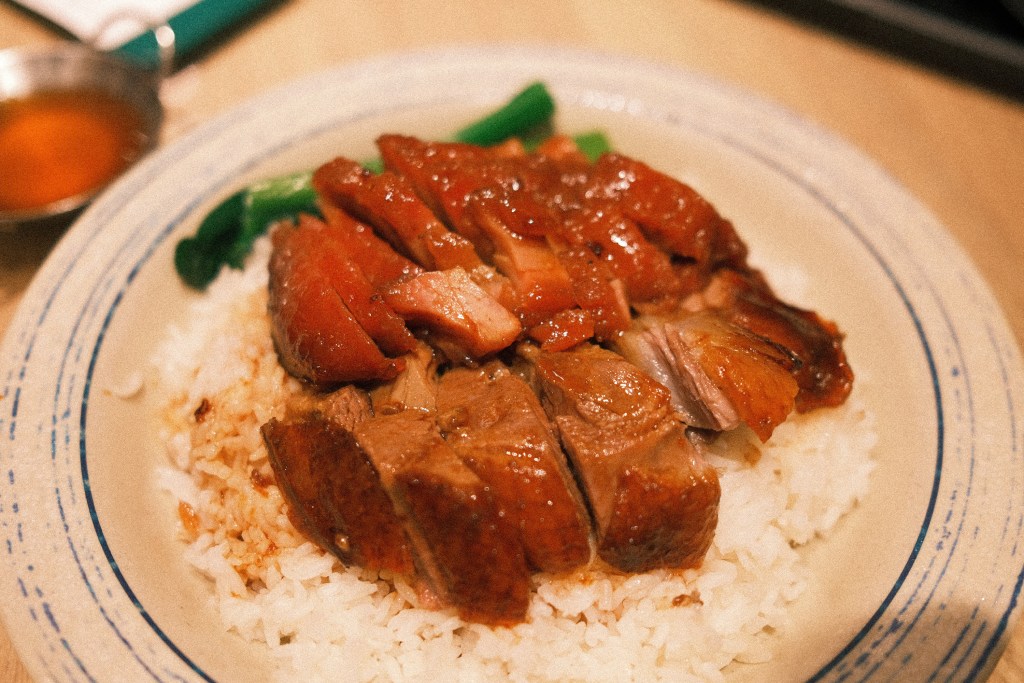
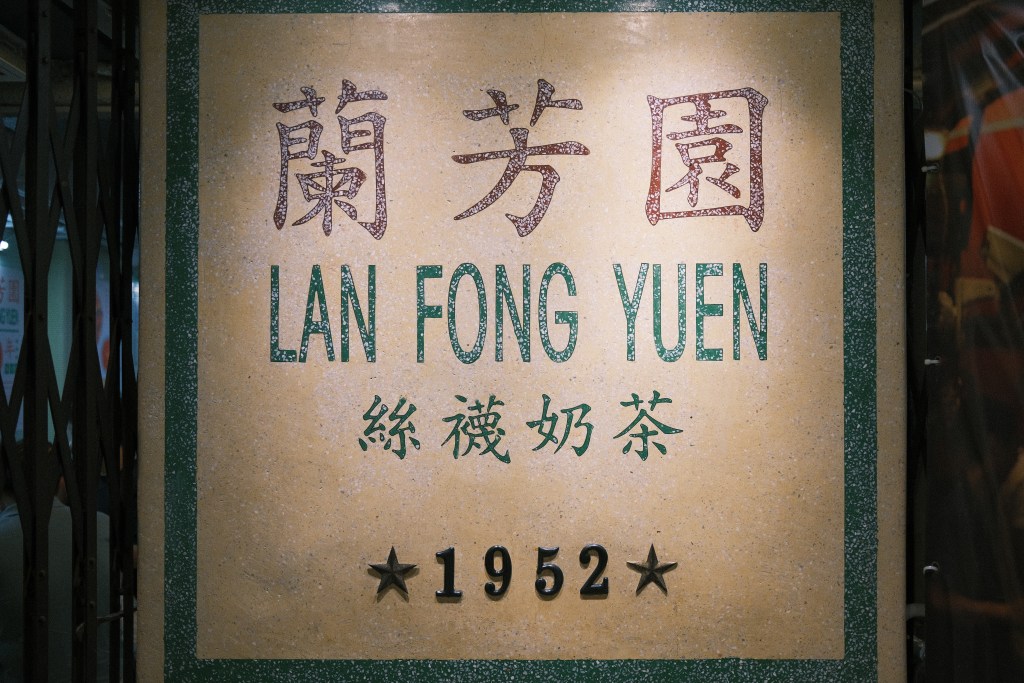
It’s good that Hong Kong was filled with mixed-use areas. But because there’s so much going on, it’s hard to pick a place to eat or grab a drink; they all start to look and feel the same. Food is expensive, too. At least Singapore has hawker centers, which also happen to be the best places to eat there.
Finding a place to rest was hard, even with the pocket parks around the city. The two promenades I walked through were relaxing, but you’d have to travel far just to get there. As a result, my energy was constantly depleted the longer I was out. The night photography was supposed to be my personal highlight, but I couldn’t enjoy it because I was already drained for the day.
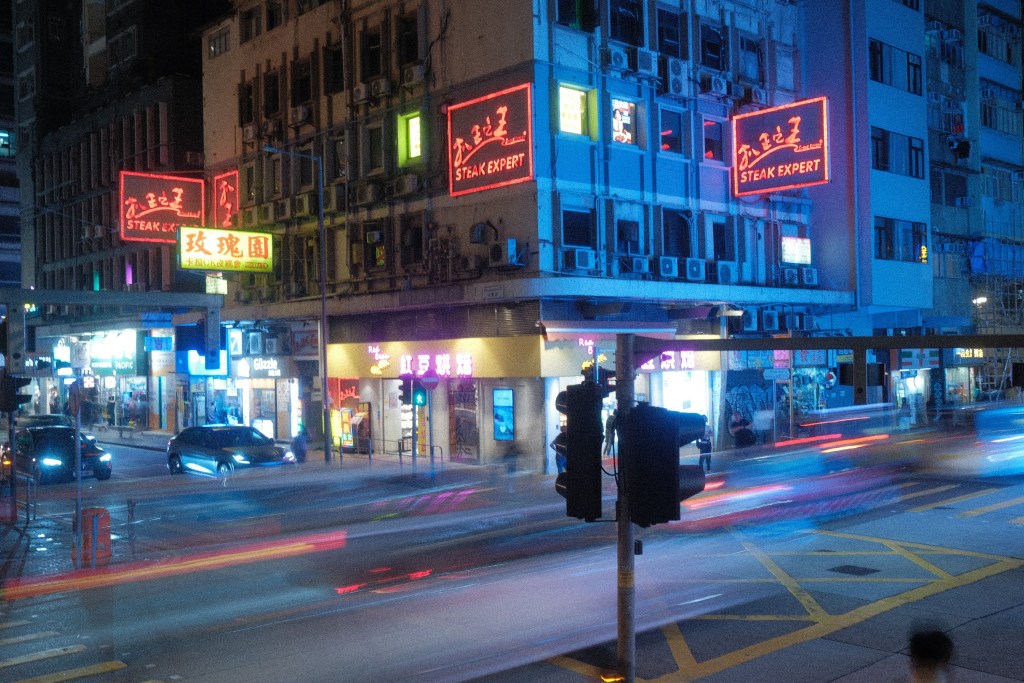
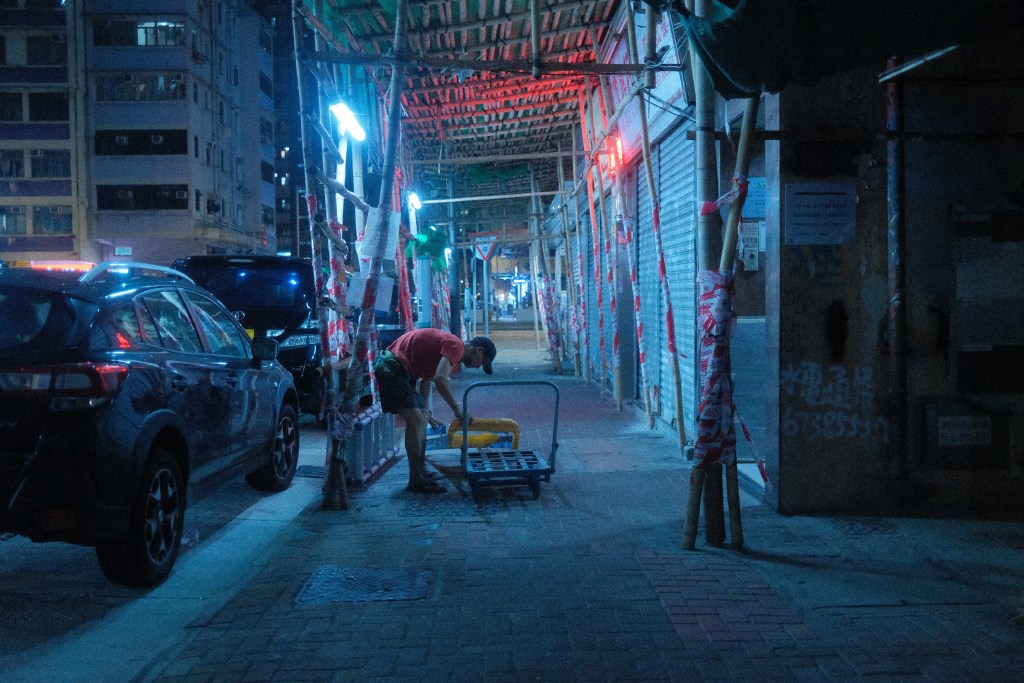
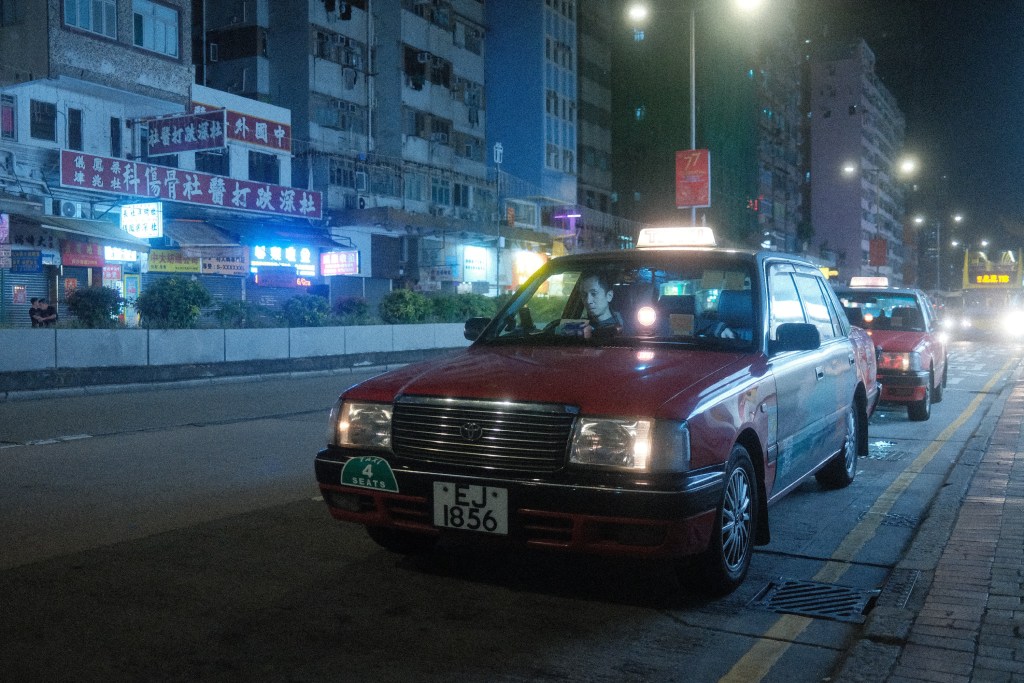
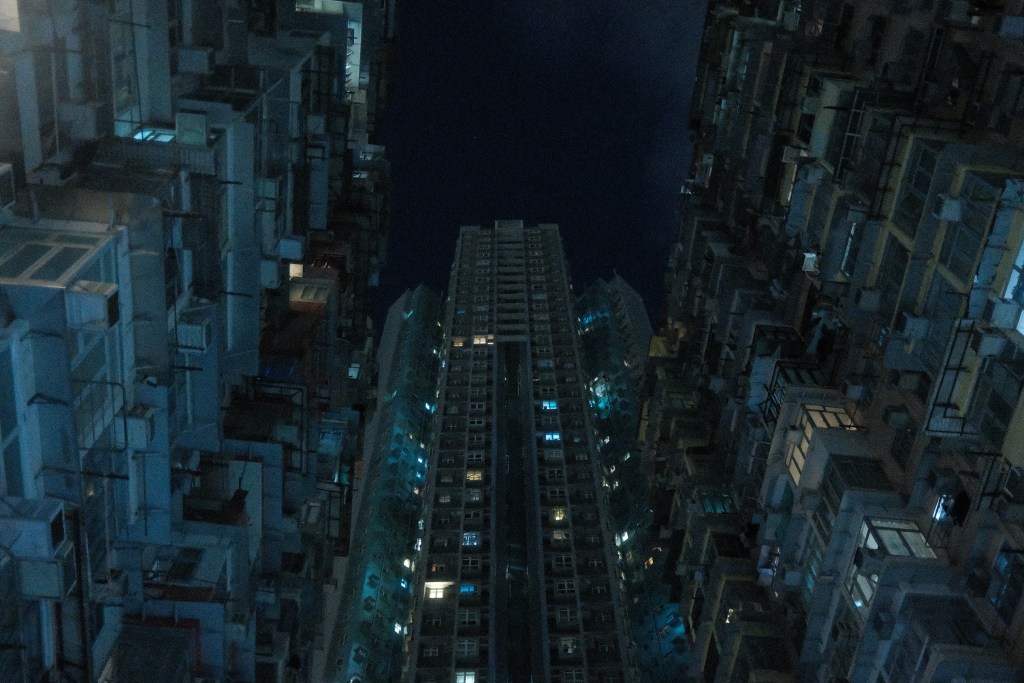
Everything in Hong Kong made sense, from the vertical urbanism to the transit-oriented and mixed-use development. But I did not feel like I was welcome there because I didn’t feel a sense of freedom from walking around the city.
Mobility perspective on Hong Kong
From a mobility perspective, Hong Kong has a far more efficient transit system than Metro Manila, and better sidewalks. Yet, the urban design is hostile because pedestrians are an afterthought. In an area where land is as good as gold, there seems to be too much space allocated to cars, as seen with the wide stroads, spacious driveways and parking garages, and the elevated expressways.
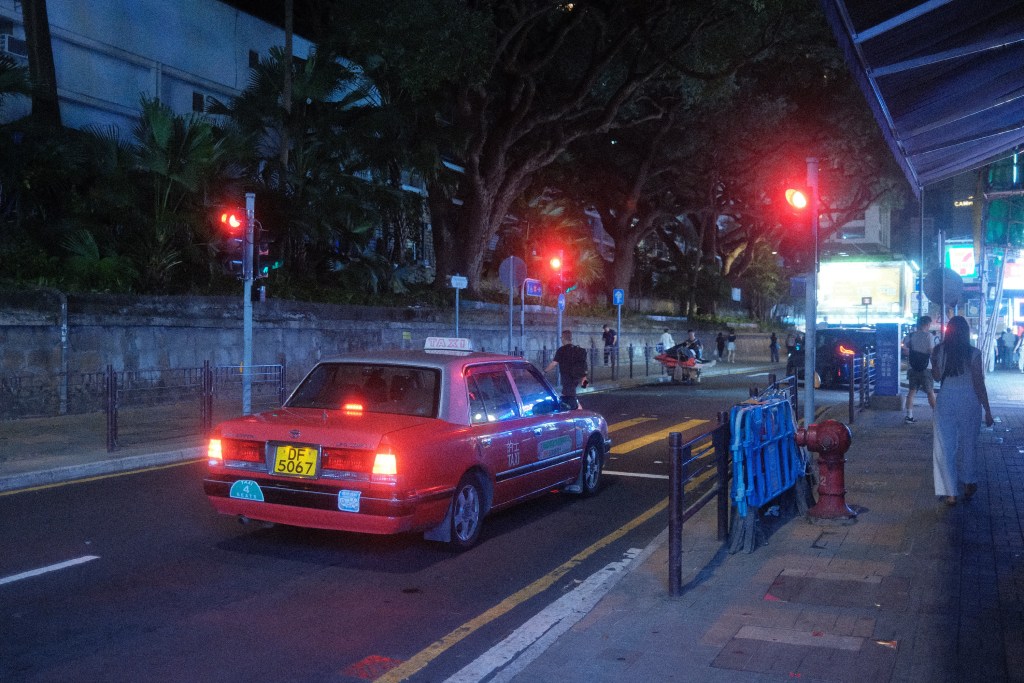
Road safety is a joke when the only form of traffic calming is the sheer crampedness of the city streets—you can’t reach 60km/h anywhere in the urban center. Intersections with pedestrian crossings would benefit exponentially more from speed tables than a traffic light because it means drivers would actually have to slow down and yield.
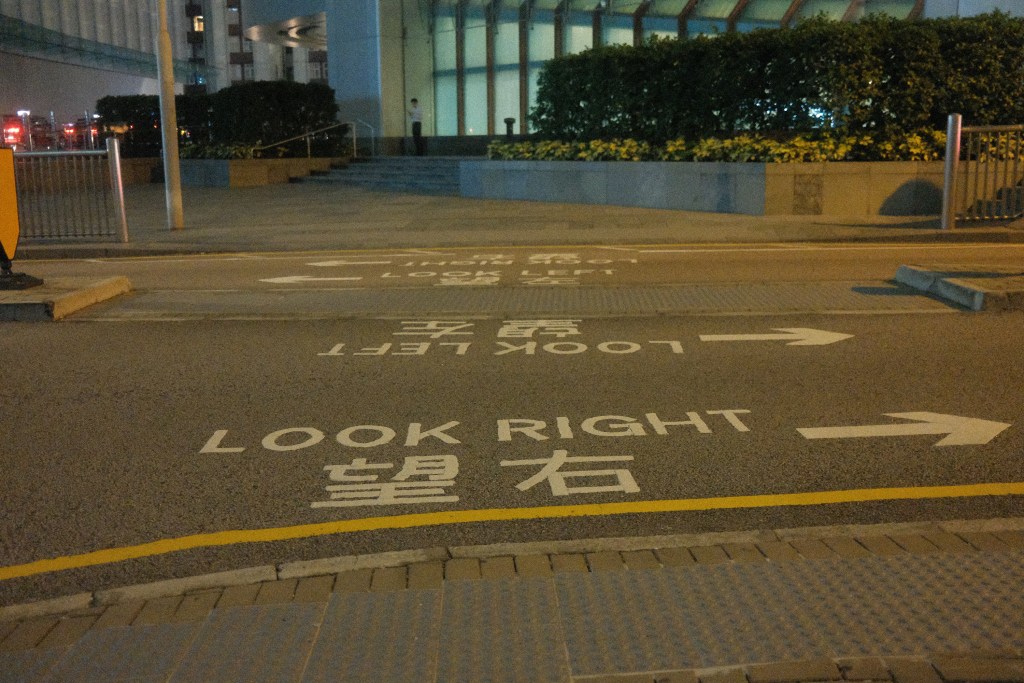
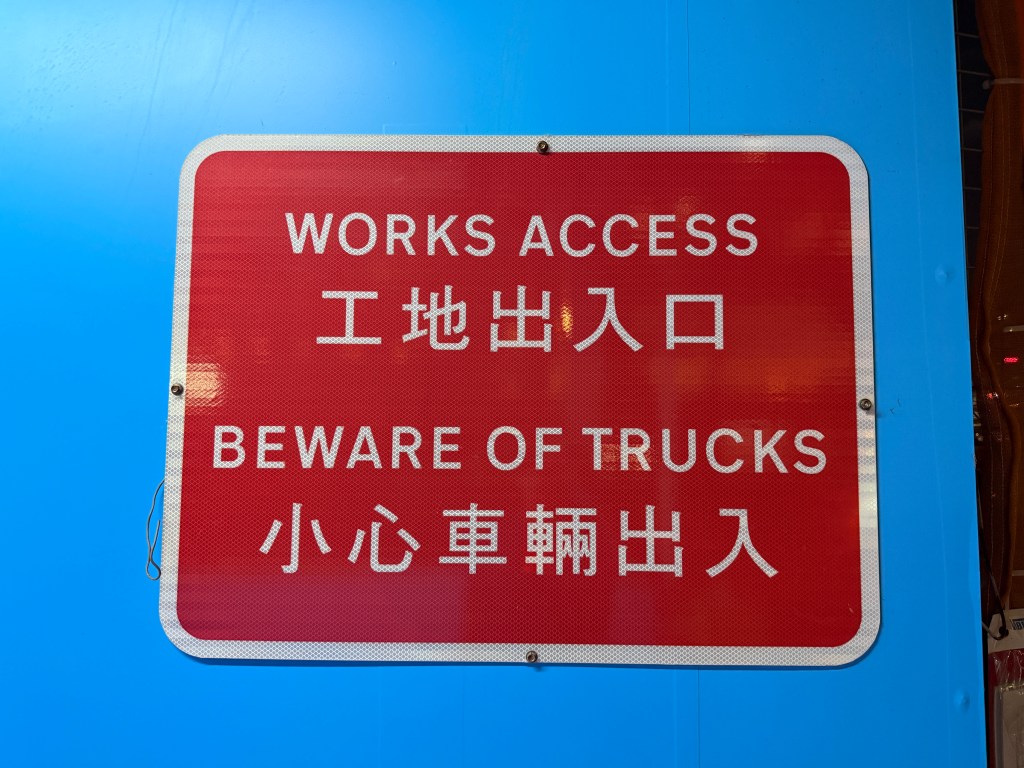
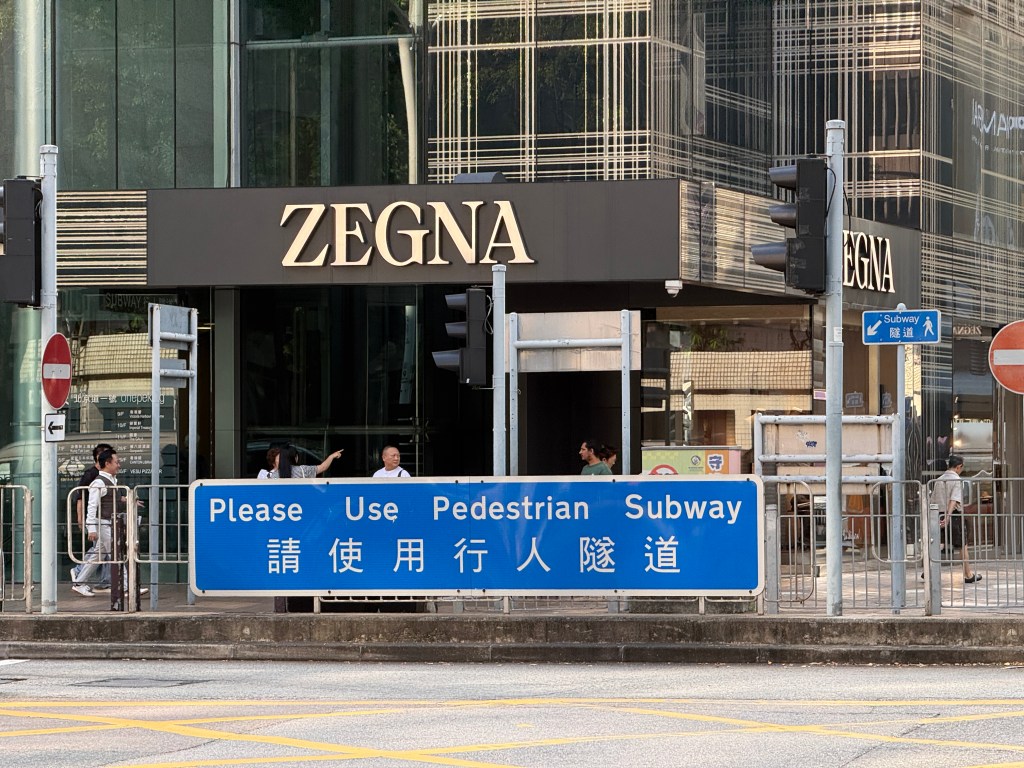
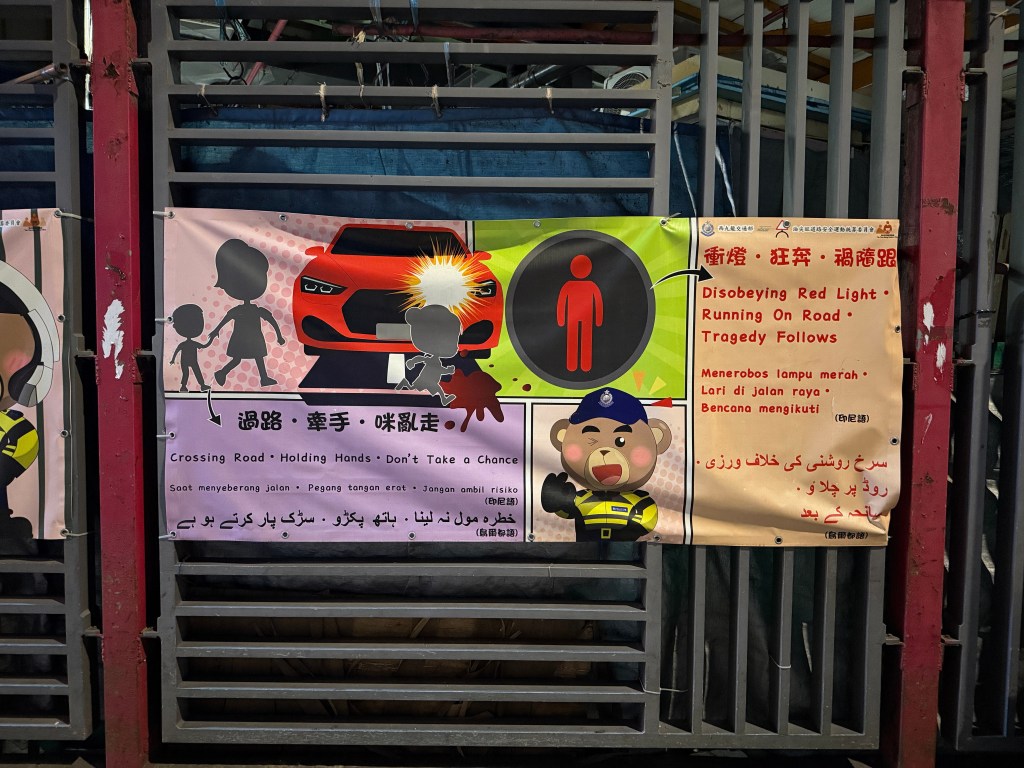
Instead, pedestrians are constantly bombarded with signs and text to watch out for oncoming traffic. And if they get struck by a driver, it’s their fault for being an irresponsible jaywalker.
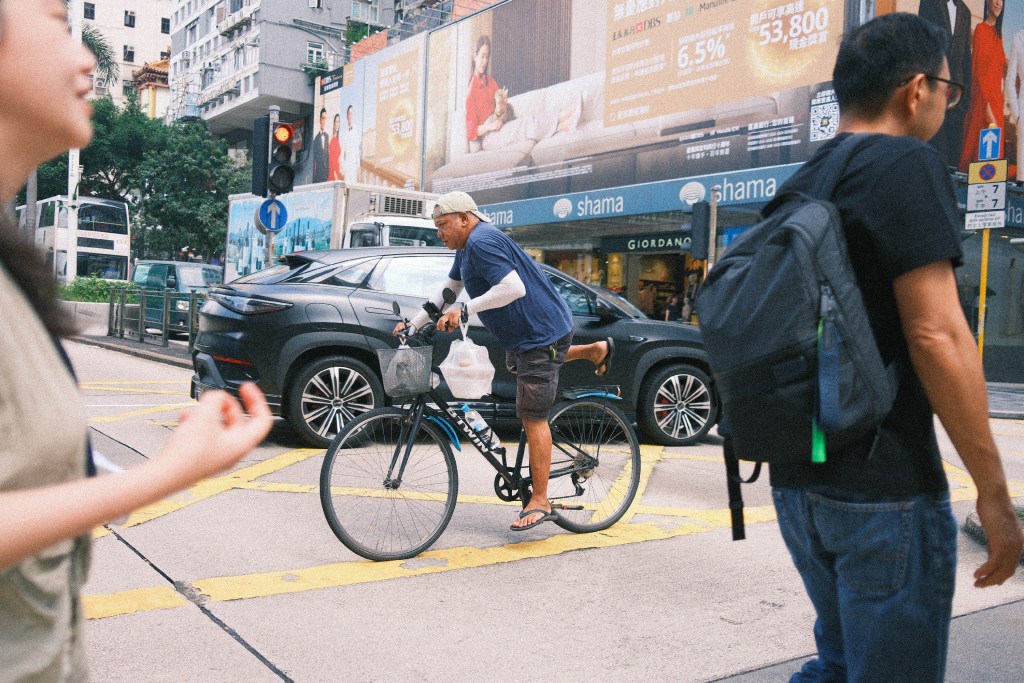
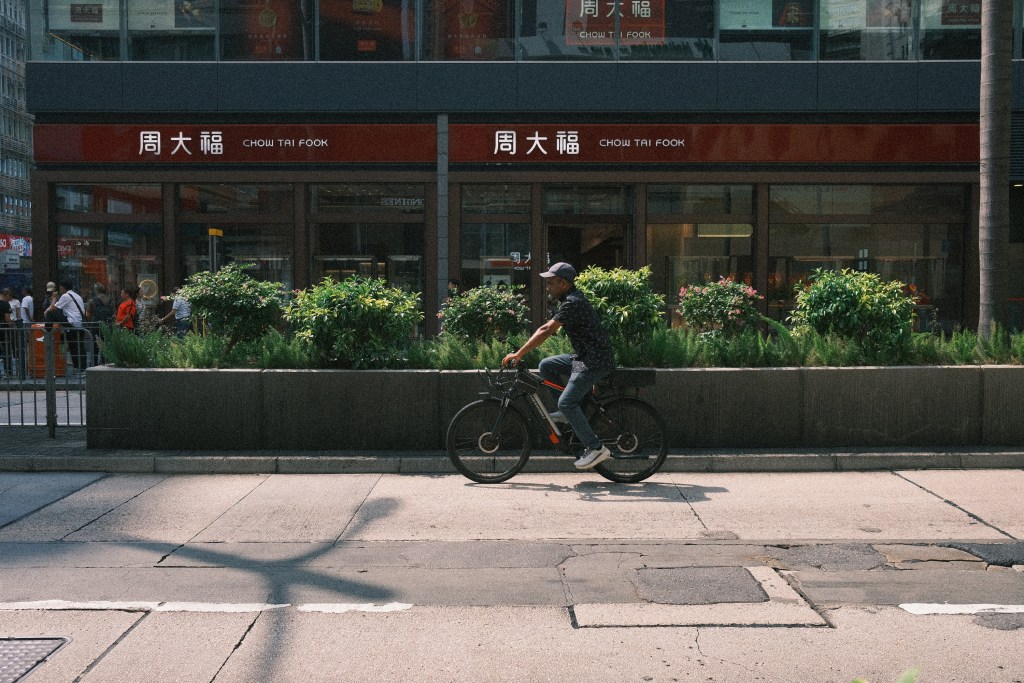
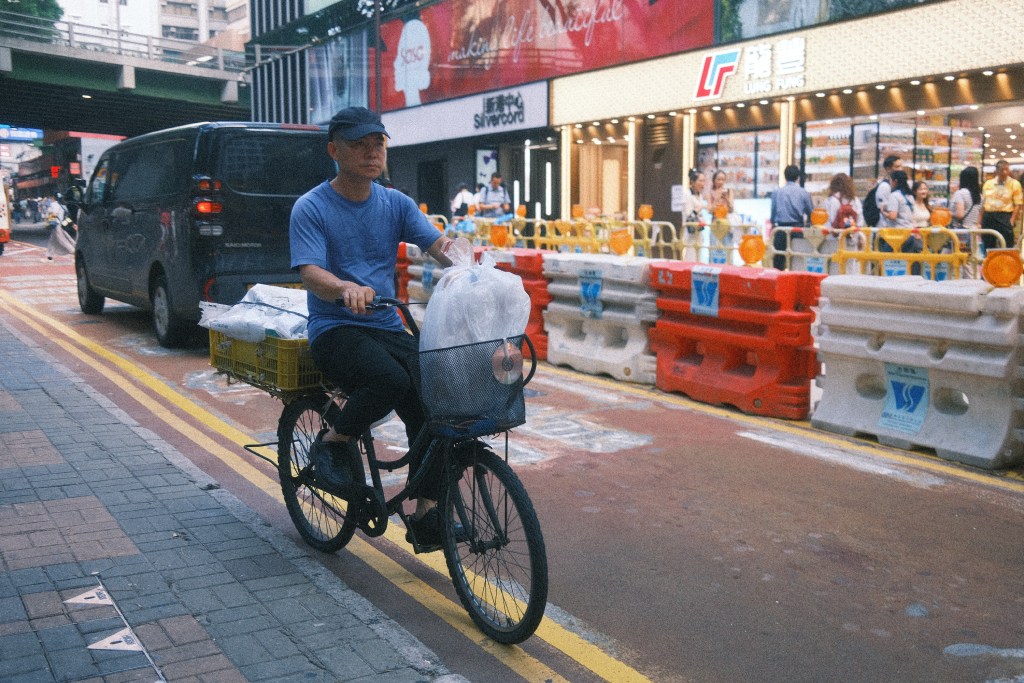
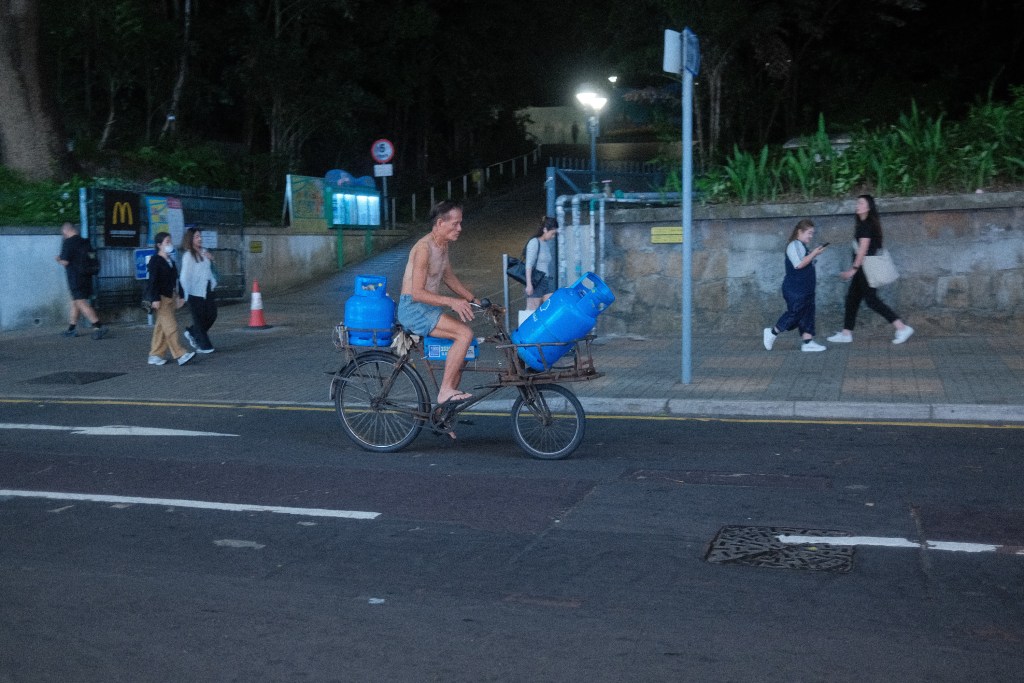
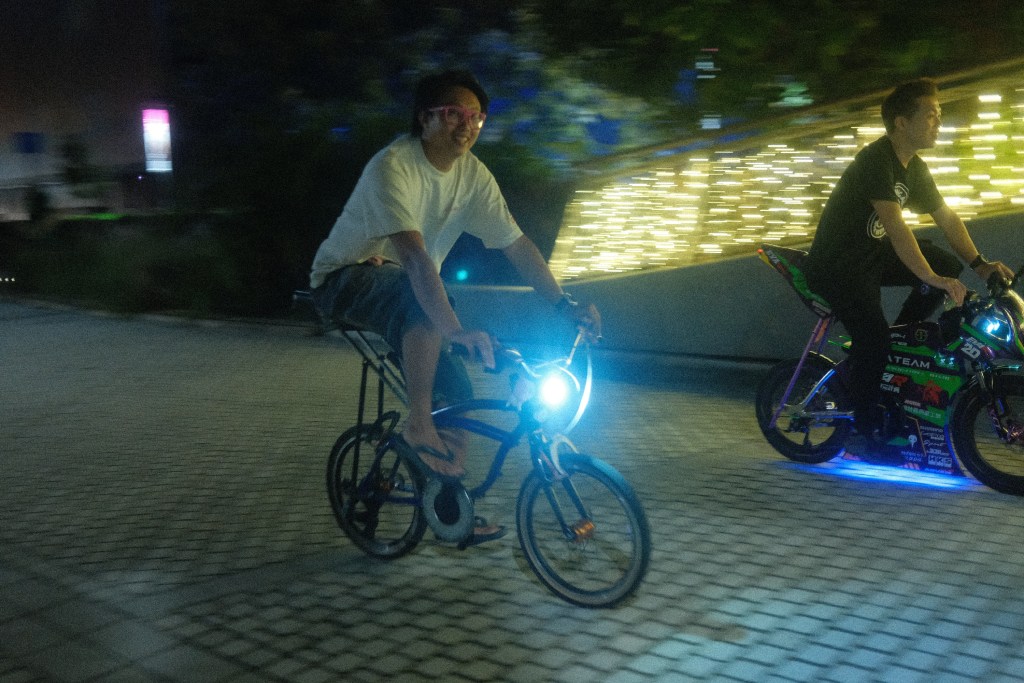
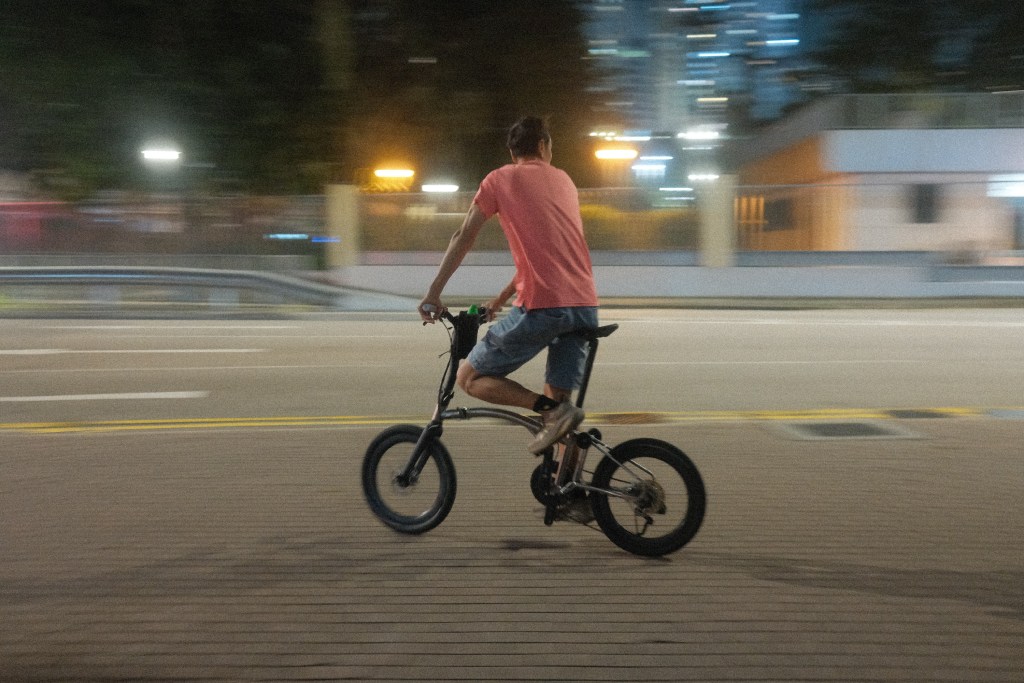
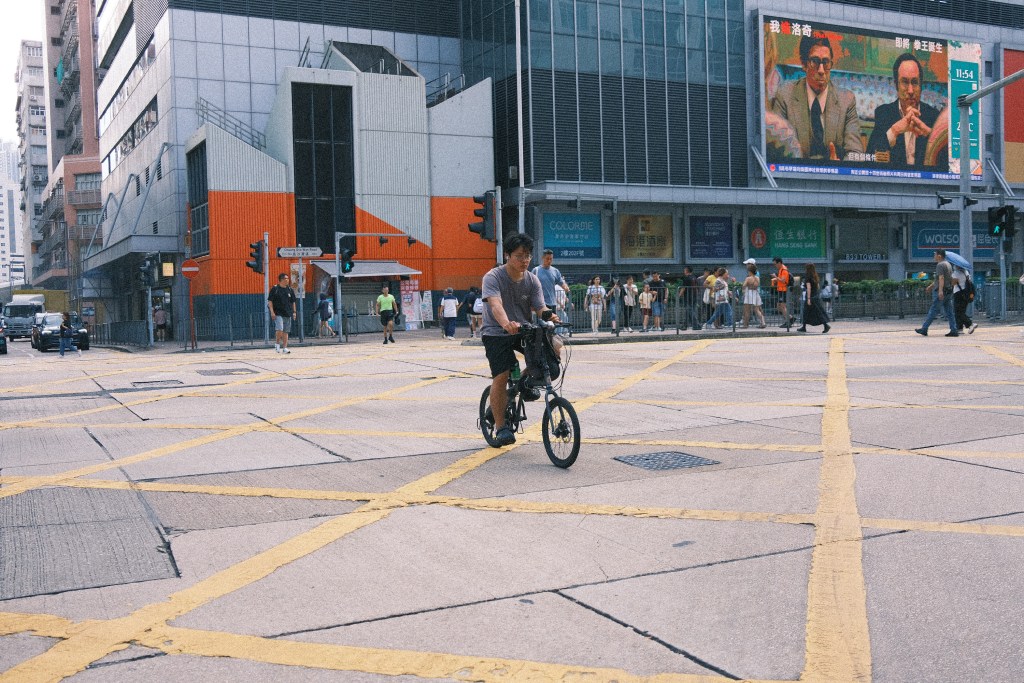
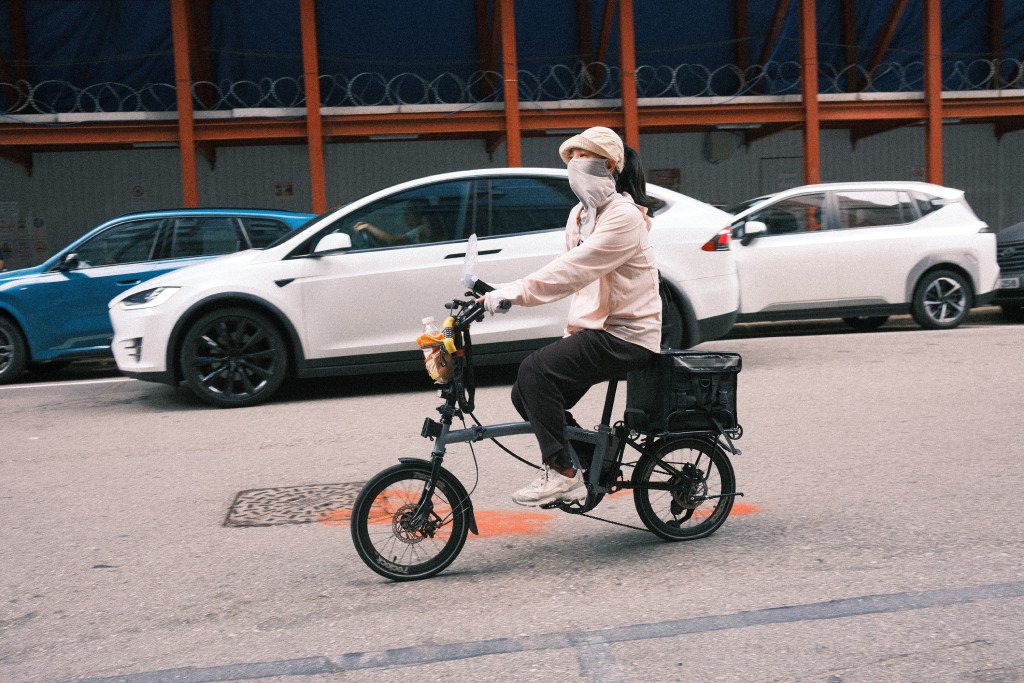
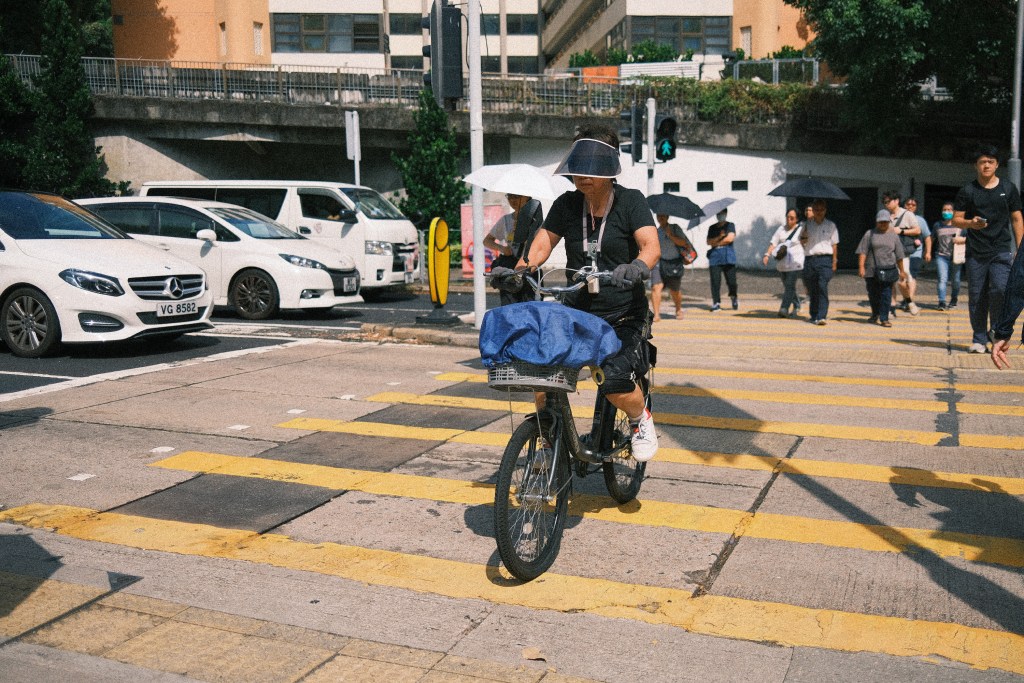
Cycling is doable, as seen with the delivery riders on e-bikes. The question is why commuters would choose that when it is the least dignified alternative. The sidewalks are packed with pedestrians and obstructions, and the moment you set foot on the road, you’re at the mercy of reckless drivers.
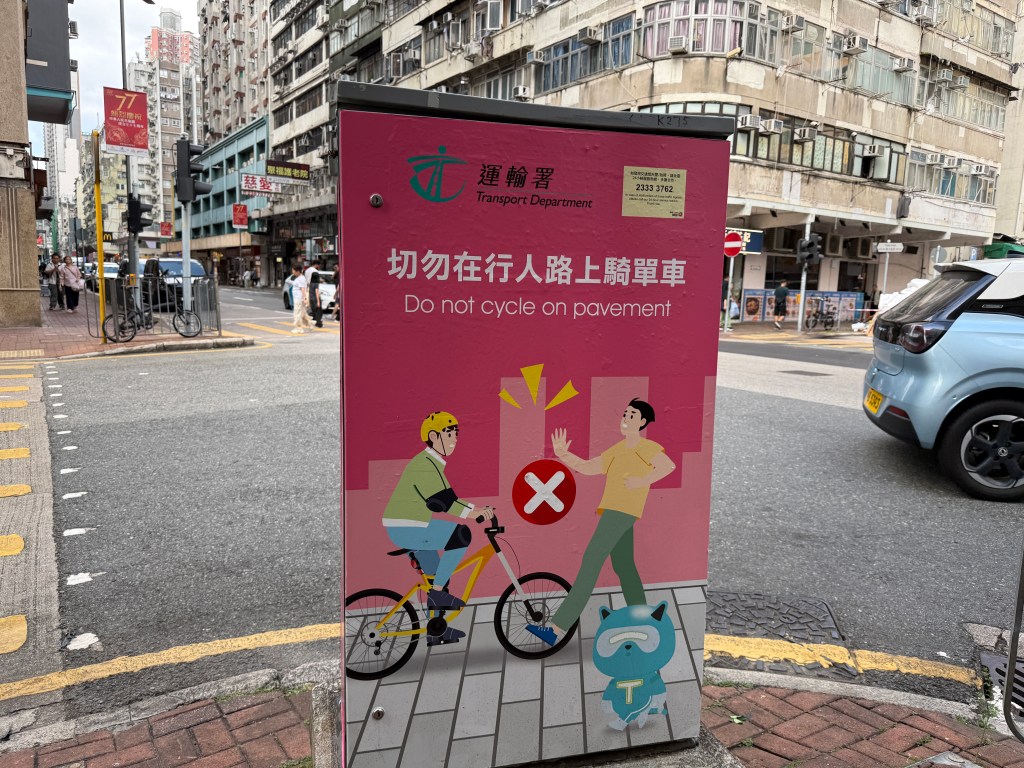
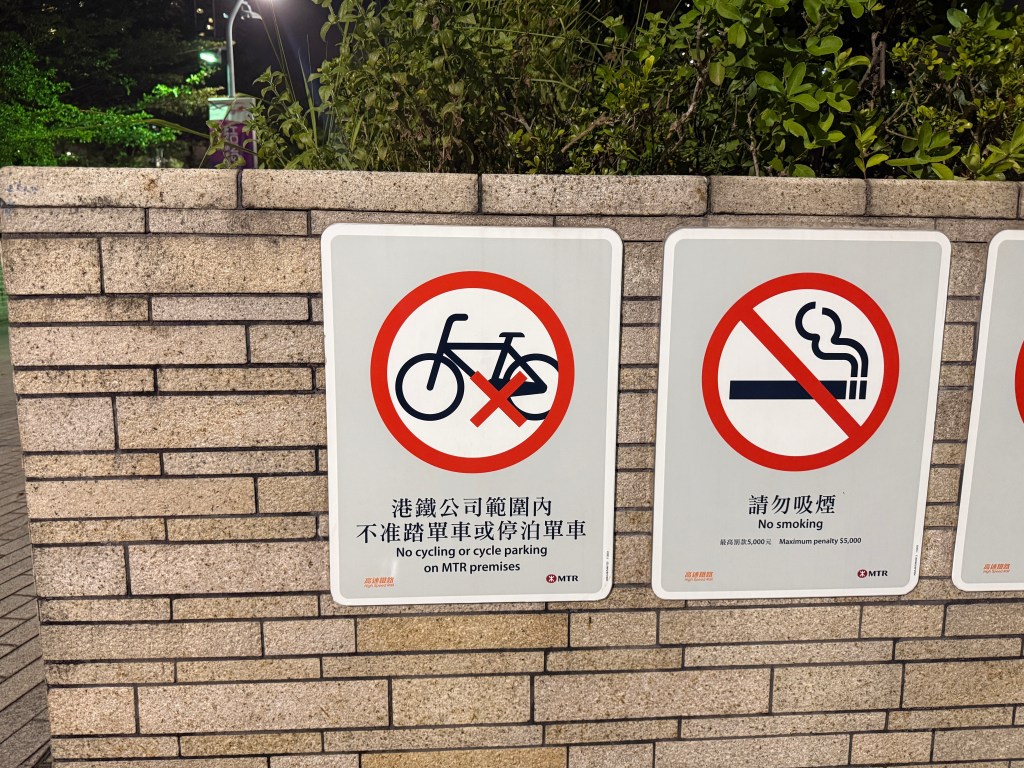
In the few places where there are rules about cycling, they focus more on prohibiting it than promoting it. You can’t go any faster than 15km/h on the shared path, and biking isn’t allowed on the premises of MTR stations (even if it is allowed on the rest of the sidewalks).
If it sounds like the government is actively trying to discourage cycling, that is actually the case, as said by its own transport secretary in 2017.
“Owing to road safety considerations, the Government does not encourage the public to use bicycles as a mode of transport in urban areas… In view of the above, the Government currently does not have plans to designate priority lanes for bicycles in urban areas.”
The tl;dr is that the government believes cycling is dangerous, and making it safe would worsen traffic congestion. That’s why it should remain only as a leisure activity. Almost a decade has passed, and it appears the government’s priorities remain the same.
The result of all this is that Hong Kong feels like a bunch of buildings connected by stroads. There were notable open spaces and pedestrian paths, but they feel isolated because of how disconnected they are from the rest of the city.
Walking is the most efficient means of getting around, especially because of efficient public transit. However, it is not the most comfortable because of car-centric design and traffic management.
Is this development?
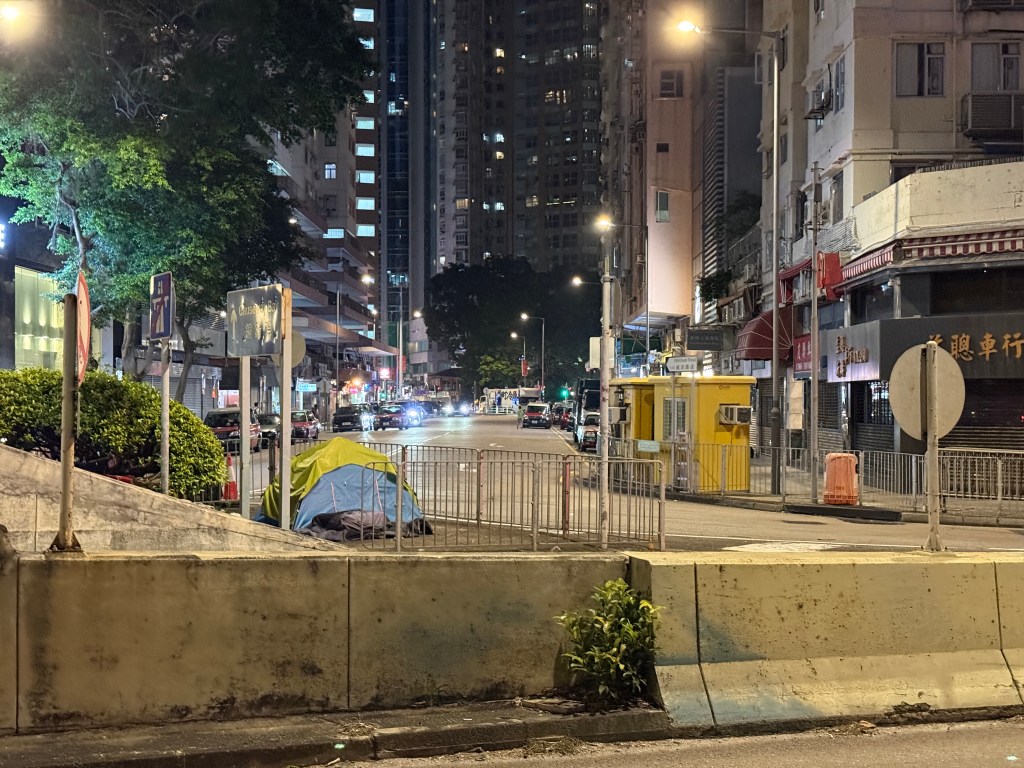
Aside from the mobility issues, the lack of social mobility is just as glaring. I believe that a city’s development should be measured not by how wealthy the average person is but by how inclusive it is for the most vulnerable sectors.
By this metric, Hong Kong fails spectacularly.
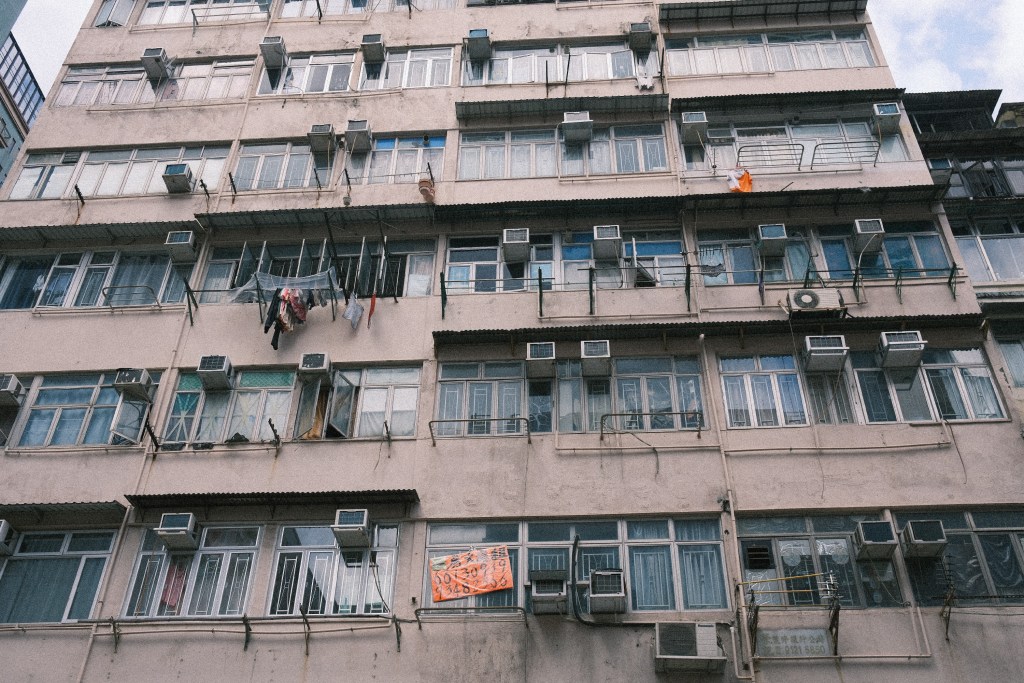
Based on my research, the government owns all of the land, which is leased to property developers. Because power and wealth are concentrated among an exclusive elite, there is every incentive to keep the price of housing and real estate high.
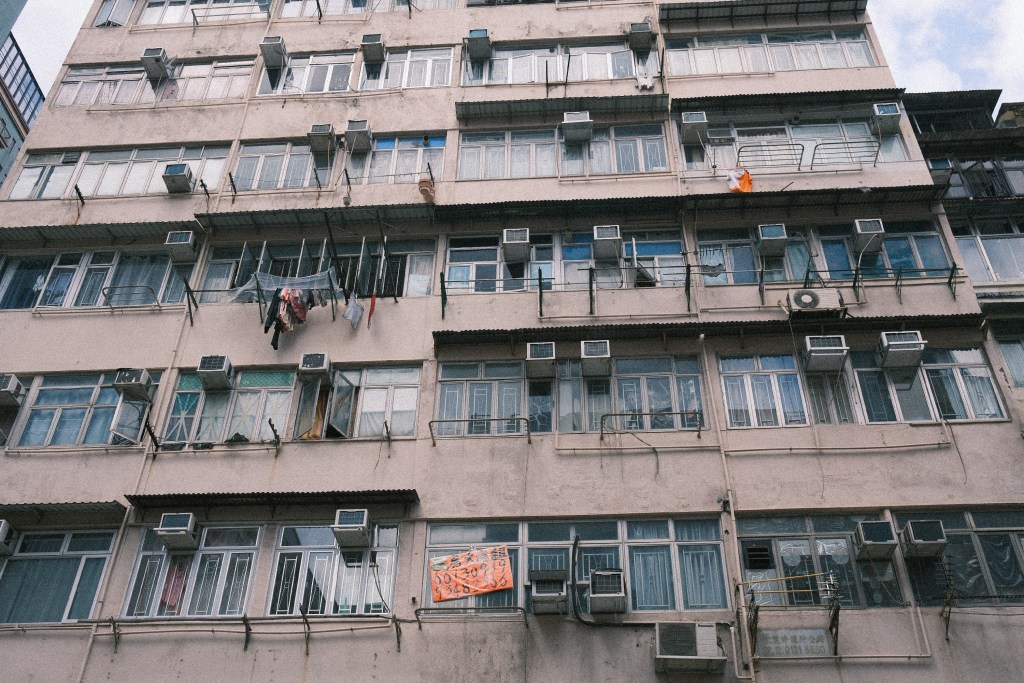
Combine this with the economic shift from labor and manufacturing to finance and services, and the average Hong Konger is effectively priced out of home ownership. The housing crisis is so bad that people are paying an arm and a leg just to live in metal cages stacked on top of each other.
I only learned at the end of Day 3 that these kinds of subdivided apartments are found in Sham Sui Po, which has historically been the poorest district in Hong Kong. The contrast between Sham Sui Po and Repulse Bay.
As a Gundam fan, I now understood why Hong Kong was chosen as one of the locations for the second movie. Given the film’s themes of inequality and discrimination, this city was the perfect backdrop to contrast the lives of the privileged and marginalized, even in a sci-fi setting.
Efficient but not people-friendly
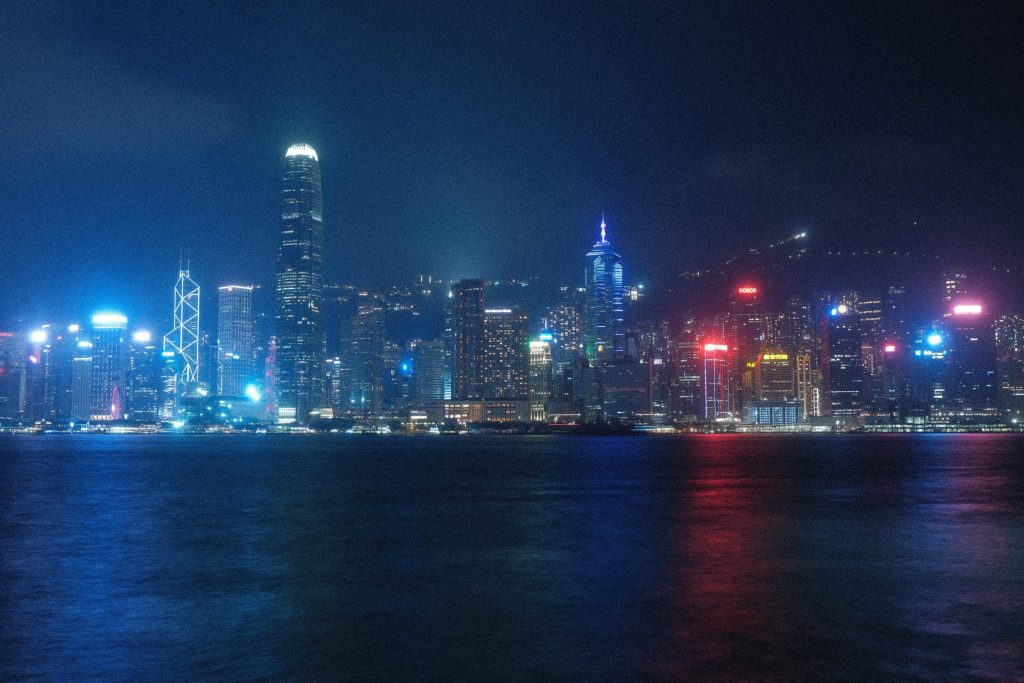
I thought that Hong Kong had all the ingredients for a first-world city: a prosperous economy, tall, mixed-use buildings, an efficient transit system, and a dense population. However, I realized that without inclusivity, development and growth simply end up deepening the great divide, as the rich get richer and the poor get poorer.
Do I want Metro Manila to be like Hong Kong? As much as I appreciate the bare-minimum sidewalks and the efficient MTR, they are not the defining features of “Asia’s World City.”
There is much for Metro Manila to learn from Hong Kong. But the former should not aspire to be like the latter. As I said at the start, Hong Kong is efficient but not necessarily people-friendly when your survival and social mobility are dependent on your economic background.
Is Hong Kong’s development really worthy of its name if it means marginalizing people who will have to live in metal cages for homes?


Leave a Reply