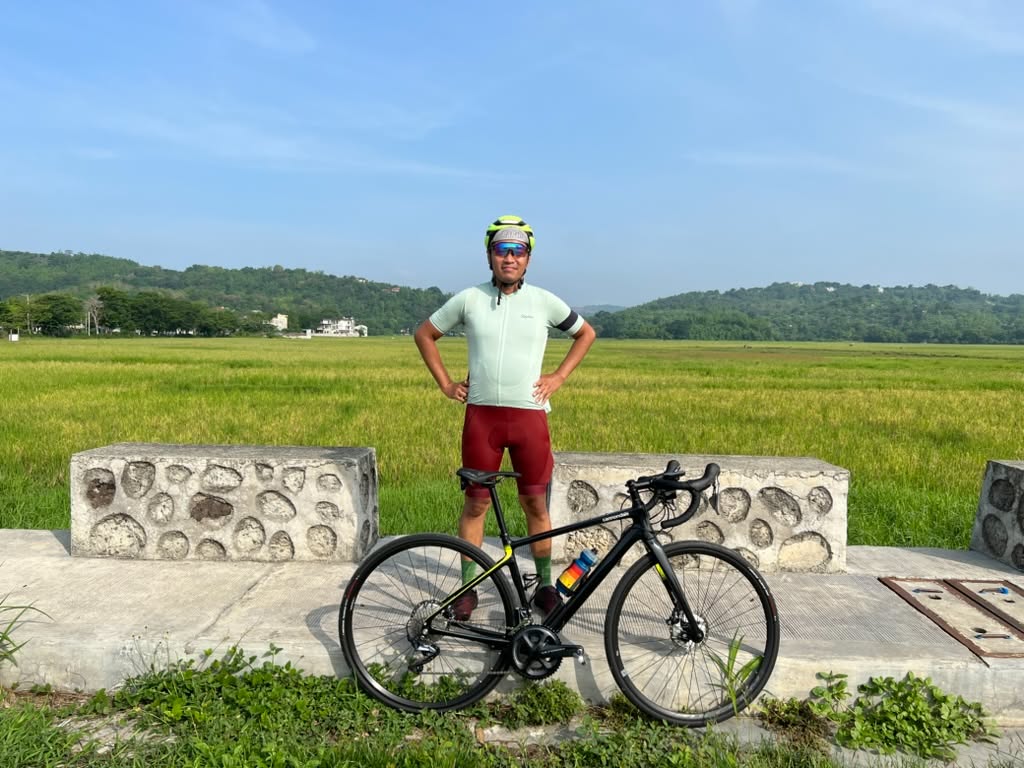
November is often an eventful month for an urbanist. You have National Bike Month, the International Day for the Elimination of Violence Against Women, and World Sustainable Transport Day. But we don’t often talk about men’s mental health. So even if I talk about bikes, I’d like to talk about our allies on the road who are open about their mental health.
Men don’t always talk openly about what’s happening inside their heads, especially when it comes to mental health and neurodivergence. Conversations around men’s well-being often get stuck on competition or stoicism, so nobody notices the cracks beneath the success and sociability.
When I sat down with my friend Mark Lacsamana, an endurance cyclist and UX designer who was recently diagnosed with autism, for Men’s Mental Health Month, the conversation opened up into how getting a late neurodivergence diagnosis reframed his everyday life, his mental health, and the way he reads urban and street design. Looking at Metro Manila through both a cyclist’s eyes and a designer’s lens brings out details most people tune out.
Neurodivergence and Men’s Mental Health
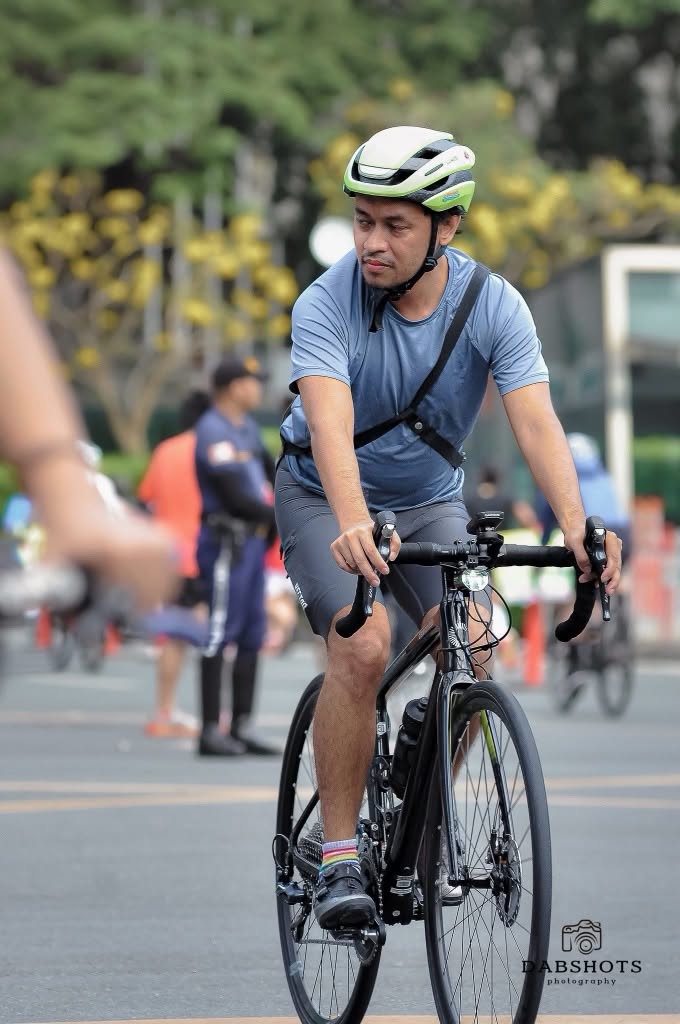
Before diving into men’s mental health, Mark makes a clear distinction between neurodivergence and mental health. They can overlap and influence each other, yet they aren’t the same thing. Neurodivergence is about how a person’s brain is wired from the start across a broad spectrum, not a straight line from one label to another.
Struggles with mental health often show up when neurodivergent people have to navigate environments and expectations built around different norms, essentially “living in a world that was not built for them.” With men’s mental health especially, certain signs can be gender-coded—showing up as irritability, frustration, or shutting down rather than the stereotypical picture of quiet sadness.
Cultural pressure to stay tough or avoid looking “weak” still keeps many men from opening up, seeking therapy, or exploring a late ADHD or autism diagnosis, even as adult recognition has grown since the DSM-5 in 2013 and the pandemic years. Mark had to step away from an audience and process things privately on a bike, which makes a real difference when he doesn’t have to perform for anyone.
The Relief of Unmasking
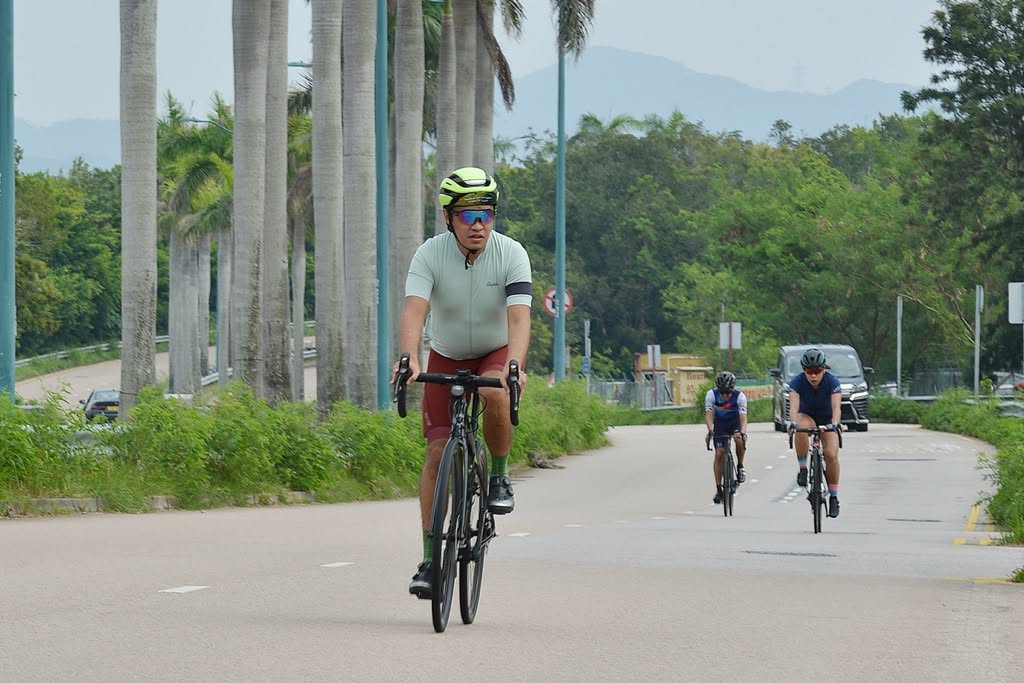
Getting an autism diagnosis late in life isn’t a neat one-and-done moment. Getting through those first three months brought real relief because so many past moments suddenly made sense. Things started clicking into place, letting him look back and say, “Oh, so that’s what that was.”
At the same time, recontextualizing years of your life takes time to process. Instead of giving you every answer right away, it leaves you with new questions about what is a mask you put on to fit in and what is simply part of who you are. As Mark put it, “There are certain things that I’ve been doing all my life where I had no idea. Is this a mask? Is this a habit?” Noticing small things, like how certain fabrics feel against his skin or realizing he doesn’t have to power through minor sensory annoyances at work just to look “normal,” changed how he treats himself day to day. He stopped fighting himself over tiny details and started paying closer attention to what he actually needs.
Understanding Monotropism
Cycling entered Mark’s life a bit later, yet it took hold fast. After his diagnosis, the reason became clear. Endurance cycling rewards repetition and steady refinement, which fits monotropism, a framework developed by autistic thinkers that describes a deep level of focus channeled into a single track or interest rather than scattered everywhere at once.
Through pedaling and staying focused on the road in long, sustained efforts, it matches a brain that likes locking onto one rhythm. “It’s rare in sports that we have an activity that you can just do one thing, and you just do it over and over again,” Mark said.
Inertia plays a role too, both when getting started and when staying in motion. Once you get momentum going, “it’s hard to divert or change paths or basically stop,” so structure becomes grounding rather than limiting. Cycling gave his restless energy a clear channel and an outlet that felt natural.
Getting By Bad Car & Road Design as a Neurodivergent Cyclist
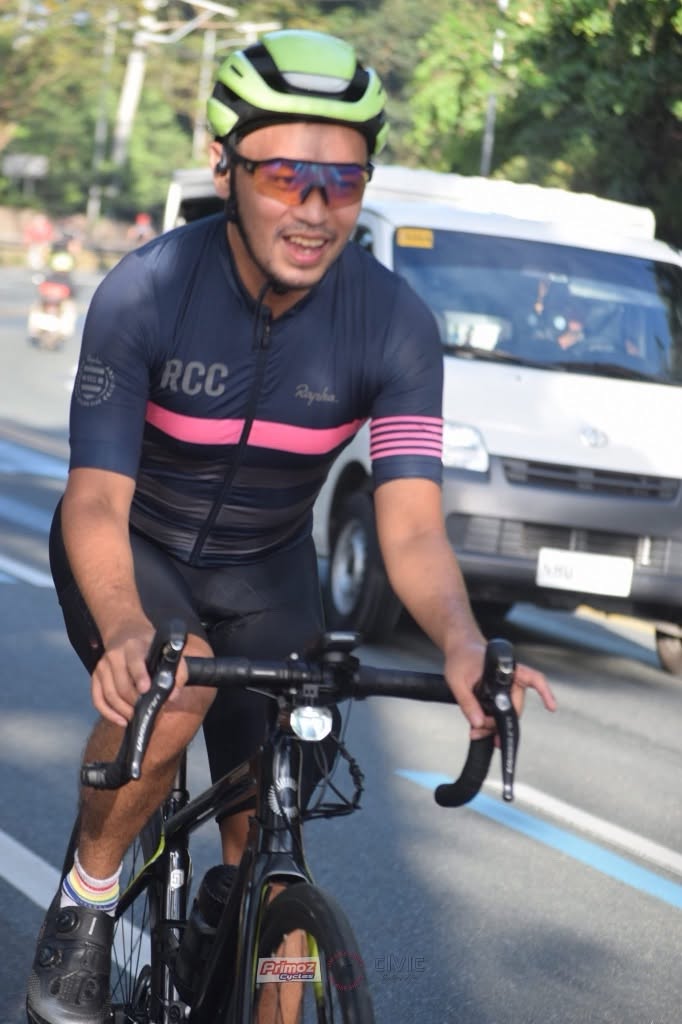
Coming back to Metro Manila after living in Hong Kong makes the sheer volume of street noise impossible to ignore. From a UX standpoint, a car horn is a blunt, monotonous tool asked to do too many jobs: signaling “watch out,” “move,” “I’m passing,” or “go ahead” with the same jarring honk. When you’re sensitive to sound, a sharp horn right behind or beside you isn’t subtle, no matter how polite the driver’s intent.
This unfortunate norm does more harm than good (even if the intentions are well-meaning at times).
In order to adjust to the loudness of Manila’s roads, Mark uses Loop high-fidelity earplugs that cut roughly 20 decibels off the harsh noise while still letting important road sounds through, making them far safer than noise-canceling headphones while cycling. His Garmin Varia is his rear-view radar, “a high-tech side mirror,” if you will; when locked into the road ahead, the radar shows how fast a vehicle is approaching and how far away it is to back up shoulder checks before a merge.
But the complaints don’t end there. Like many road safety advocates and bike commuters, Mark noted that road design is just as bad as car design, and gave the BGC-Kapitolyo Bridge as an example of errant urban UX.
For a short connection between Kapitolyo and BGC, it bundles together almost every headache a person on foot or on a bike can run into: steep stairs, narrow walkways that vanish and push pedestrians into the bike lane, and a 3% to 5% climb where cyclists have to merge across fast traffic without hitting concrete, all largely to stay safe from large vehicles.
If full pedestrianization is not possible for now, Mark suggests cutting the free-flowing slip lane so motor vehicles stop properly at the intersection. Pairing physical speed-reducing design with continuous, safe space for walking and cycling, rather than relying on speed-limit signs that get ignored at 60 kph, would turn a stressful merge into a safer connection.
How is this all related to mental health?
Well, admit it or not, men are often conditioned to just grit their teeth and endure bad environments without complaining, so using accommodations like earplugs, all while calling out car-centric street design, is a practical way to protect your mental health in the long run.
Riding With Room to Breathe
Conversations like this are a reminder that cycling is also about understanding how our brains work. Recognizing neurodivergence won’t fix broken roads or loud traffic overnight, yet it gives us a clear language for what we actually need, both as a cyclist and as a pedestrian.
When it comes to men’s mental health, creating space to talk honestly about well-being and neurodivergence benefits everyone. From questioning why our streets are built the way they are to going on long rides to clear your head, having room to move on your own terms matters, and nobody should have to figure all of that out in silence.
Photos care of Mark Lacsamana


Leave a Reply