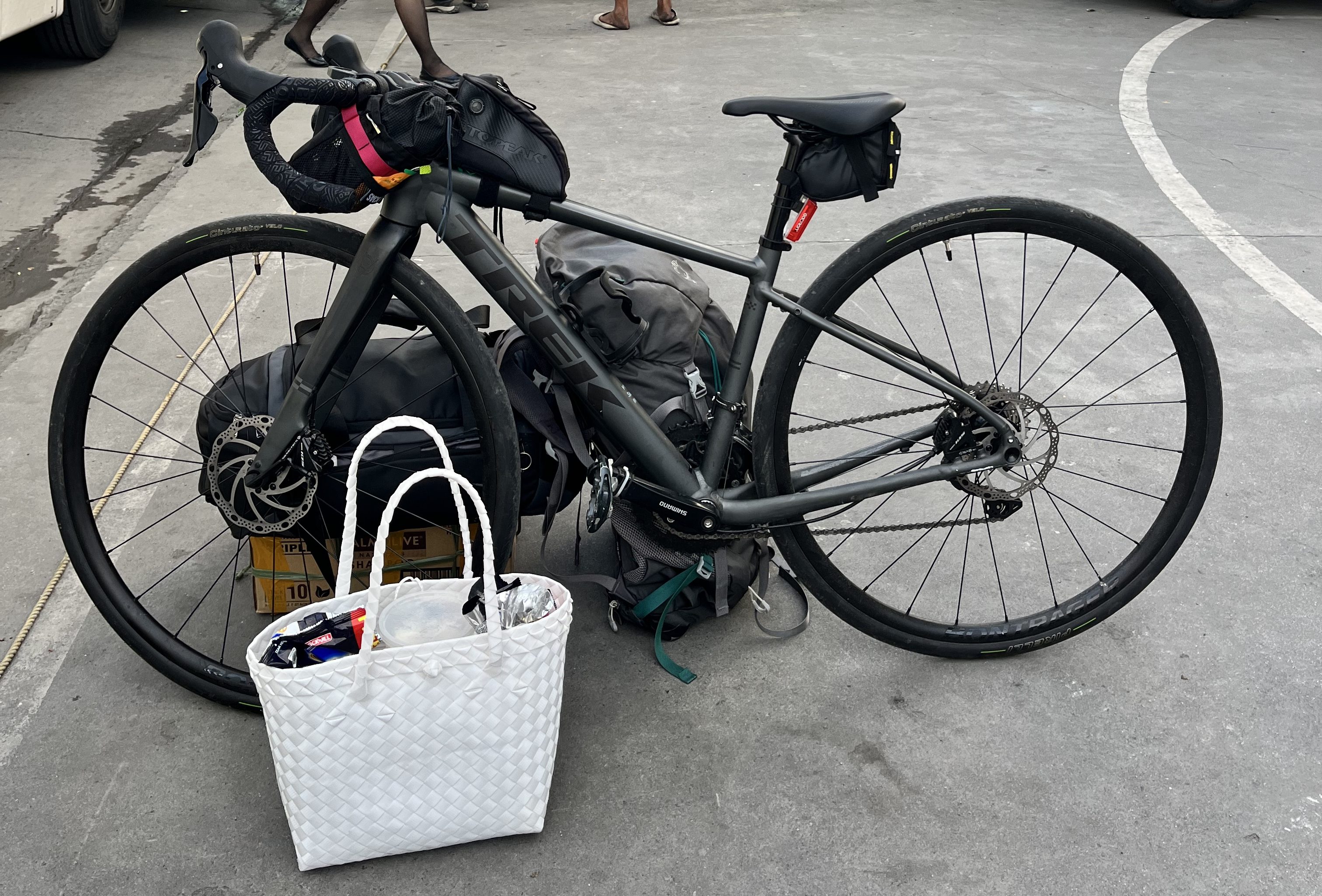
There are several ways to travel around the Philippines, and one of them is the Roll-On, Roll-Off (RORO) system. The concept is pretty much similar to that of other countries: Cars, buses, and trucks enter specially-designed ships or ferries while their passengers must alight from these vehicles and wait in designated areas until they reach their destination.
It’s a cost-effective way to travel, especially if you want to avoid flying on an airplane or when you have so much cargo.
And if you’re bringing a bike, it’s a fun way to go bimodal during inter-island travel.

While it wasn’t my first time traveling by bus with a bike or experiencing sea travel, it was my first time using the RORO system. I chose to travel in this manner because I refuse to buy a bike box at P15-25k (which I would rarely use, plus it’d take up too much space in my room) and pay a big amount for sports equipment in addition to my round-trip tickets.
Air travel is faster, sure, but unless I’m flying internationally with my bike, it’s not my preferred mode of transportation. The whole journey of having to get on an airplane alone can be such a hassle.
But traveling by RORO isn’t all sunshine and calm seas either. The extremely long travel time and a lack of inclusive features are factors you have to mentally prepare for. According to my friend, this was my “true Audax.”
Getting On Board
A couple of days before I left, I visited the Ceres Bus Terminal in Taft Avenue to pay around P2400 for my ticket. This includes the whole bus trip and the tickets to the ferries used, plus other port fees.
All I had to do was show up on my departure date.
I left my condo in Makati around 7:30am on February 15 to get to the bus terminal. My bus was scheduled to leave at 9am. I brought extra boxes because my household help needed to send items to her family in Antique, where I was staying before my Audax in Iloilo.
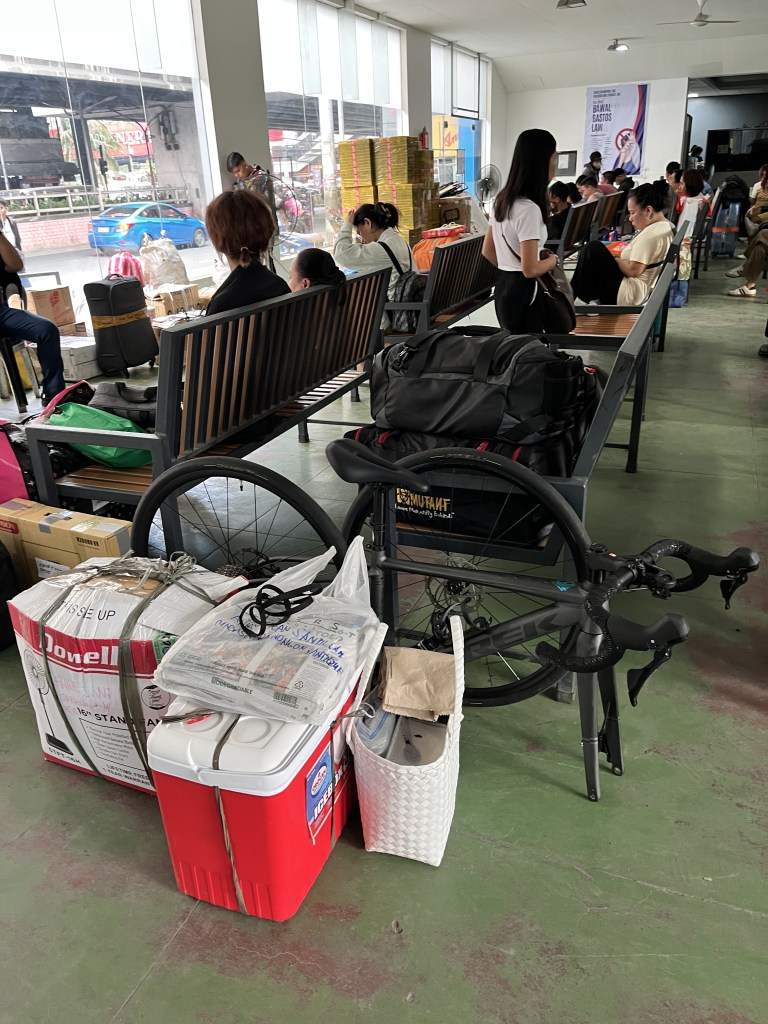
I took out the front wheel of my bike and kept my thru axle in my backpack. My bike computer, lights, and bags were in my duffel bag. I slightly deflated my rear tire for added measure.
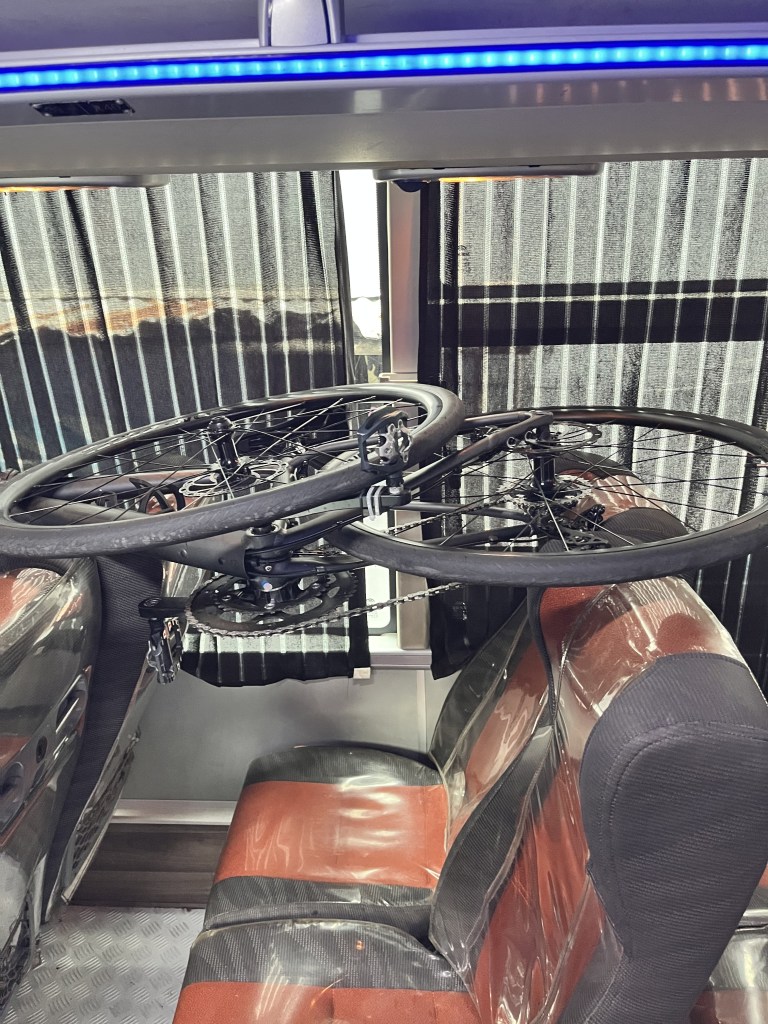
When we got on the bus, I had to pay P600 for an additional seat. For that fee, the conductor allowed me to place my bike on one of the seats rather than in the compartment below. I guess there weren’t so many people traveling on this bus.
Around 9:30, the bus finally left. I thought it was a straight ride to the Batangas Port, but we stopped in Alabang for another thirty minutes, and somewhere else for around the same time.
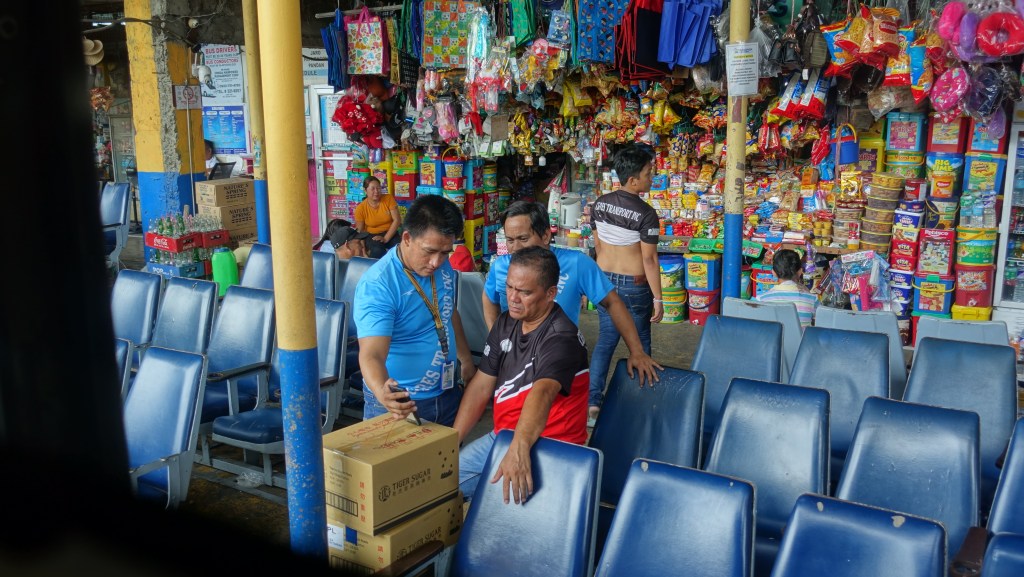
We made it to the Ceres Terminal around 1:30pm near Batangas Port, where I had lunch and freshened up. By 3:30, I got on the bus again and we made our way to Batangas Port. It took a while for the bus to enter the ferry, and when it did, we had to get out and stay on the seating area above. We were bound for the Port of Calapan in the island of Mindoro, which was a three- or four-hour ferry ride.

The ride was uneventful; however, the sunset provided a welcome distraction from my looming existential anxiety.
Upon arriving at Calapan around 9pm, the bus traveled another few hours to reach the Port of Roxas, where we were to, again, alight from the bus and stay on the ferry’s passenger area.
The ferry left at 2am, and at this point, I had a few fitful pockets of sleep and my body was starting to ache. The seats on the ferry didn’t recline and I barely got any shuteye. So I just waited for the sunrise.

Around 5:45am of February 16, I could finally see the silhouette of Boracay as the sun rose. We’re almost there.
We docked at the Port of Caticlan around 7am and made our way out of the premises by 7:30. It took me nearly four hours to reach my destination in Patnongon, Antique as our bus had several stops along the road.
All in all, this outbound trip took 29 hours. I spent around P3500 for tickets, additional fees for my bike, and food and drinks.
The bike was safe all throughout.
Returning to Manila, Solo
Going back to Manila was a tad bit faster. I was also traveling solo, which, if you’re not used to, can be a double-edged sword.
On February 24 at 9:30am, I got on an RRCG Bus (yes, the same company for P2P buses in Manila) in front of the home where I stayed. The ticket cost P2300 with an additional P500 for bike storage. Unlike Ceres, I had to put my bike in the compartment, but did not take out the front wheel. To keep it from falling, the conductor placed more boxes in front.
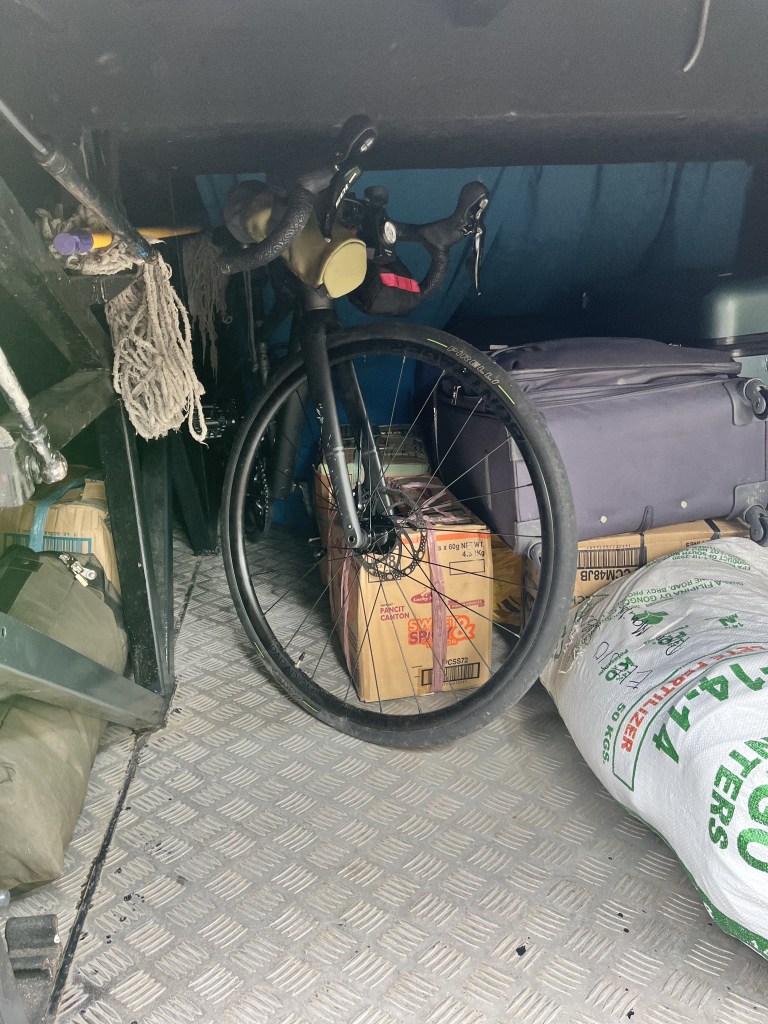
The bus had less stops and traveled at a slower place than the one I used coming to Antique, and we were in Caticlan Port just before lunch time. I had packed a rice meal from Patnongon so I was able to eat well, and took a nap as I waited to go onboard the ferry.
It was a three-hour wait, with a near-two hour stall before leaving the port. I saw my ticket and made a noise. I was expecting that we would be taking a 2Go ferry straight to Batangas from Caticlan, but we were heading to Mindoro instead using the Starlite Ferry.
Thankfully, there were warm rice meals and coffee onboard, so I had my fill and took another nap. I was also pretty much asleep on the bus ride from Roxas to Calapan, but was wide awake on the 2am ferry ride to Batangas Port.
I finally gave in and had instant noodles, something to warm my tummy. It was hard to sleep because it was too noisy and the lights were too bright; I was getting overstimulated at this point. I wanted to have a beer to calm down but I was alone, and I didn’t want anything bad to happen.
By four-something in the morning, I was relieved to finally see the lights of ships and towns as the Port of Batangas entered into view. The only thing on my mind was to take a long hot shower and crash on my bed and sleep.

We finally made it to the bus terminal in Pasay around 7am, and I was home by 8am. The return trip took around 23 hours, several hours shorter than my outbound trip. I spent around P3400 – tickets, addition fees for the bike, and food and drinks.
The bike was safe all throughout.
RORO Has Opportunities for Improvement
If you ask me if I’ll do this again, I’d nod… with some hesitations.
Pros – It’s fun
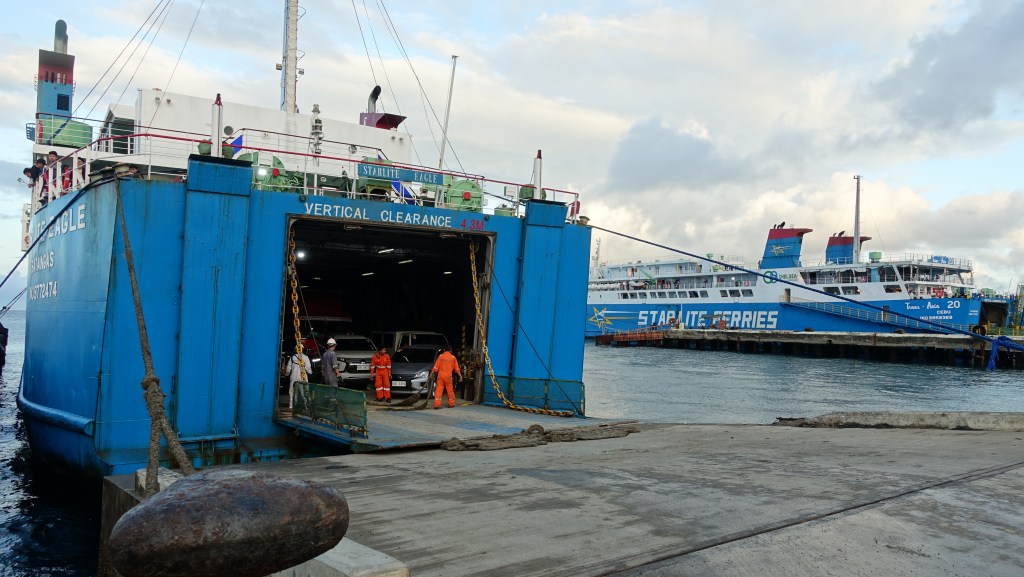
I love the sense of freedom and adventure this type of traveling provides, especially if you want to explore places beyond typical tourist routes, and how it’s not as expensive as air travel. If I were using my touring bike and not my endurance bike, and I had all the time and money in the world, I’d just make this all a month-long bikepacking adventure.
I think it’d also be more enjoyable if I had friends tagging along; maybe the journey wouldn’t be as draining as it had been.
Cons
1. It’s tiring
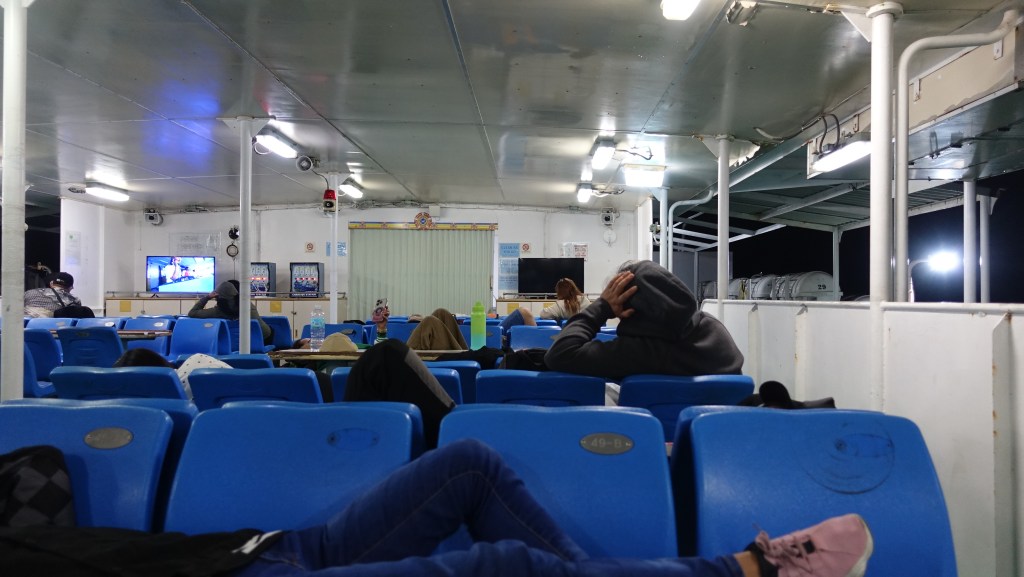
But god, it’s tiring. There’s no way to take a shower to cool off within those twenty-something hours. Again, the chairs don’t recline; if this were a 2-hour ride it wouldn’t matter, but having to endure sleeping on plastic chairs for 3-4 hours each way can be painful.
Next time, I’m adding an extra day after I arrive and another before I leave just to let my body fully rest and prepare for the whole ordeal.
2. No standardized fees and policies
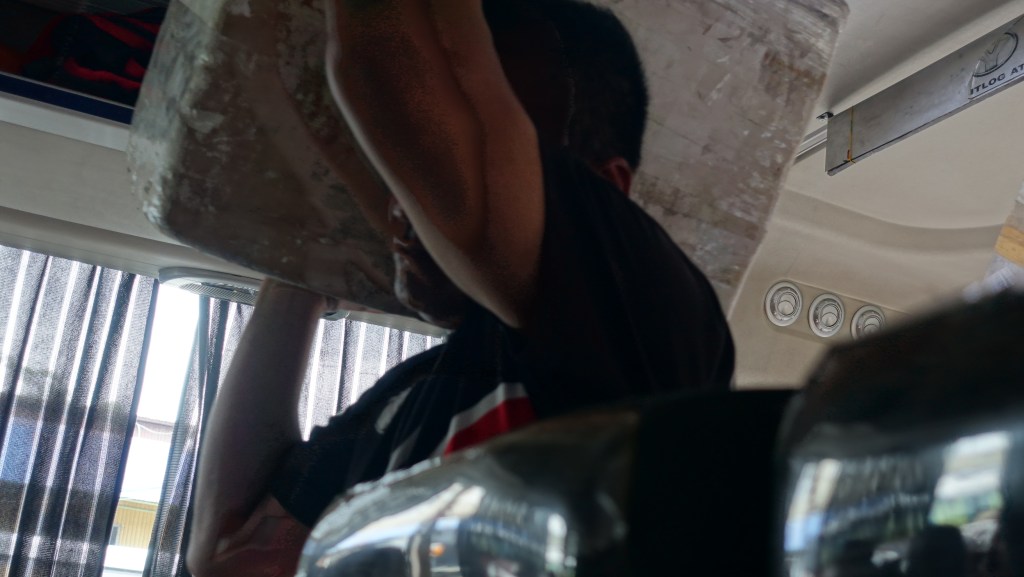
I was a little ticked off with the lack of standardized fees for extra baggage. When I got my ticket in Manila, the issuer said that it’s up to the conductor to tell me how much.
Huh? Why him? I said that my bike is around 10kg and honestly takes up a sliver of space in the compartment. He repeated that I should just talk to the conductor when I’m about to leave.
Why isn’t there a standard fee for that? Can’t it be P500/10kg of extra cargo across all RORO-bound trips?
3. Lack of inclusivity for seniors, young families
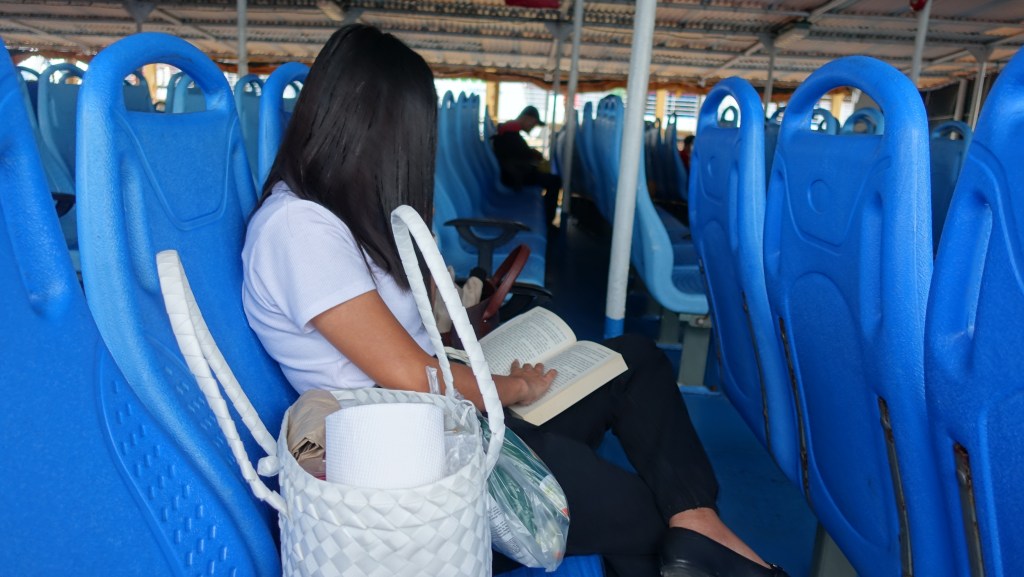
This is something I noticed on my return trip to Manila: Ferries should be more universally designed. There were many seniors and families with small children. The only way to get up is through a narrow flight of steep stairs. Food choices are limited to canned drinks and instant noodles.
Kids get fussy, seniors have conditions that may hinder them from properly ascending or descending stairs. Not everyone can have instant noodles for fear of a kidney issue. And with the long travel time, these people need better sleeping areas, not just plastic chairs.
There should be a way for ferries to accommodate the requirements and conditions of other travelers. Isn’t that basic human decency, to let others travel well?
4. No bike-friendly infrastructure in ports and ferries
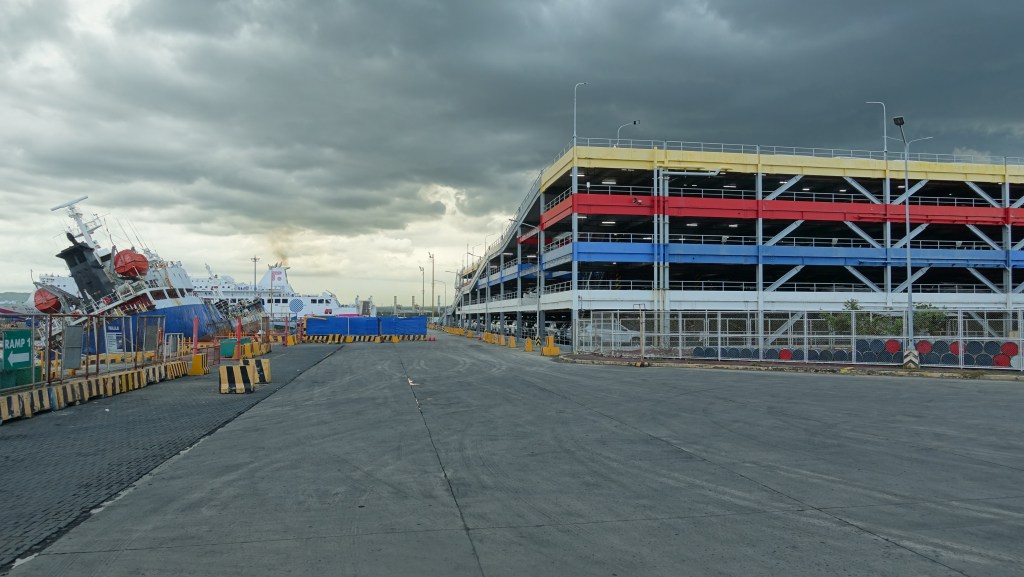
If it were safe to leave my bike unattended in a ferry, I’d skip the bus and start my bike packing trip to the port from my place (with friends). Might even be cheaper.
However, ports and ferries lack bike-friendly infrastructure, so you’re forced to take the bus. The RORO system should be modernized to make it more inclusive to other forms of transportation. If we cyclists weren’t on a bus or a private vehicle, where can we safely place our bikes and panniers inside the ferry? Can we bring them up to the passenger area (and how, since the only way up is through steep, narrow stairs)? Should we leave them where the cars stay too?
Disclaimer: I’m aware that bigger shipping companies like 2Go allow passengers to bring their bikes. But I haven’t experienced that yet, and will probably consider this later on.

The RORO has the potential to be a universal transport system in the Philippines if it were more inclusive. I’d travel via this method in the future since I plan to do more inter-island travel with my bike, and I hope DOTr and bus and ferry operators can accommodate non-bus, non-car travelers, and provide a better traveling experience for vulnerable members of society.
If you’ve reached the end of this posting, thank you for reading! Have you traveled by RORO before? Would you do it again? I’d love to know your thoughts in the comments below!


Leave a Reply to When Cycling Comes Full Circle – Mytach0ndriaCancel reply