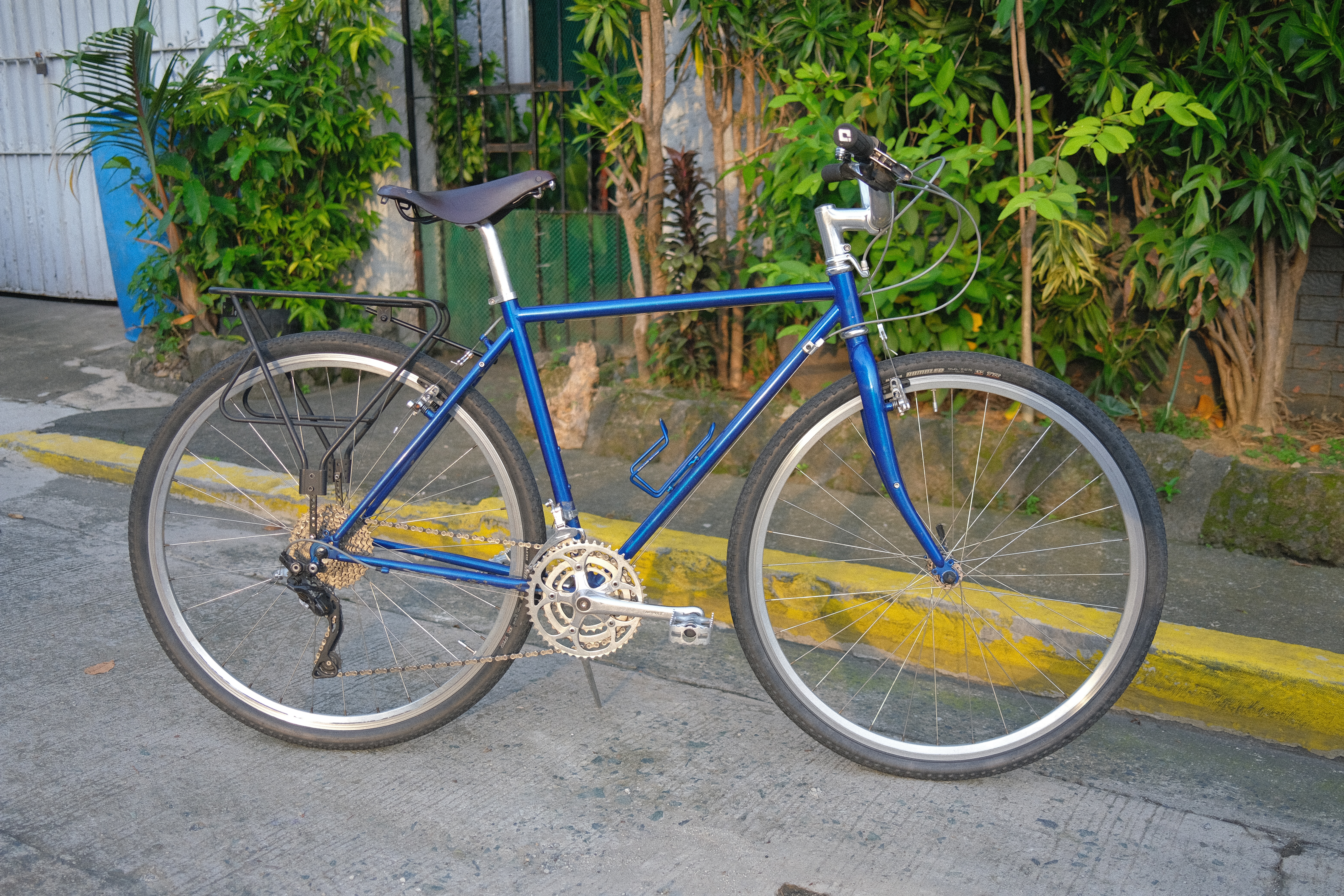
Given how expensive gas prices are now, you might be considering bike commuting to save time and money. If you don’t already own a bicycle, getting one is the first step. Facebook Marketplace is a good platform for finding sweet deals. However, you need some discernment to prevent you from making the wrong decisions. Here are 5 tips on how to find the right bike on Facebook Marketplace.

1. Ask a friend who is more knowledgeable than you about bikes and Facebook Marketplace
We all start out as beginners who don’t know anything about bikes. Although we can learn through trial and error, it can be costly. That’s why it’s a good idea to ask someone more knowledgeable than you for help. They don’t need to be an expert; they just need to have the experience to help bridge the gap between your needs and the right product. This will help prevent you from making wrong purchases on Facebook Marketplace.
2. Do your research before going to Facebook Marketplace
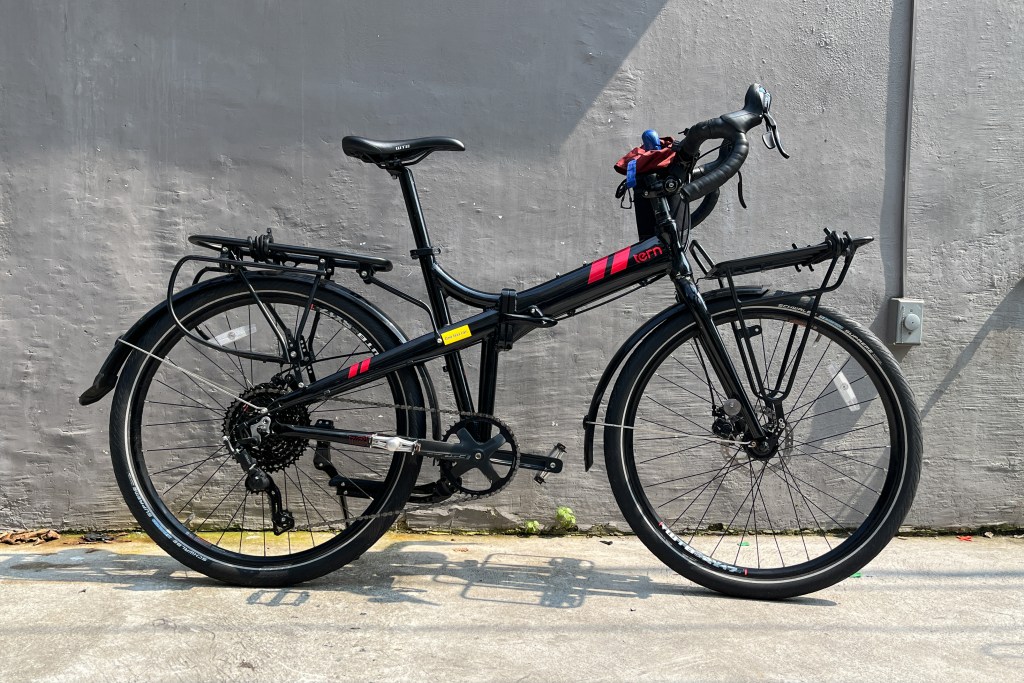
Even if you already have a trusted friend, it still helps to do your research before diving into Facebook Marketplace. There are many kinds of bikes for different use cases. And even bicycles that are good for commuting can vary significantly.
Here are two questions that you must be able to answer: What will I be using it for? Where will I be riding it? If you understand what you want out of a bicycle, then you’ve already won half the battle. Also, testing out different bikes can also help you get closer to figuring out your ideal bike.
The next step in researching is to identify different models that are readily available, as well as the usual price range. There’s no point getting hyped over a specific bike if you can’t buy it. Being aware of the pricing is crucial because it lets you evaluate whether a deal is bad, good, or too good to be true.
You don’t need an expensive bicycle, but you shouldn’t automatically go for the cheapest one available. Figure out your needs and set a realistic budget before digging through Facebook Marketplace.
3. Read the product listing and communicate clearly with the seller on Facebook Marketplace
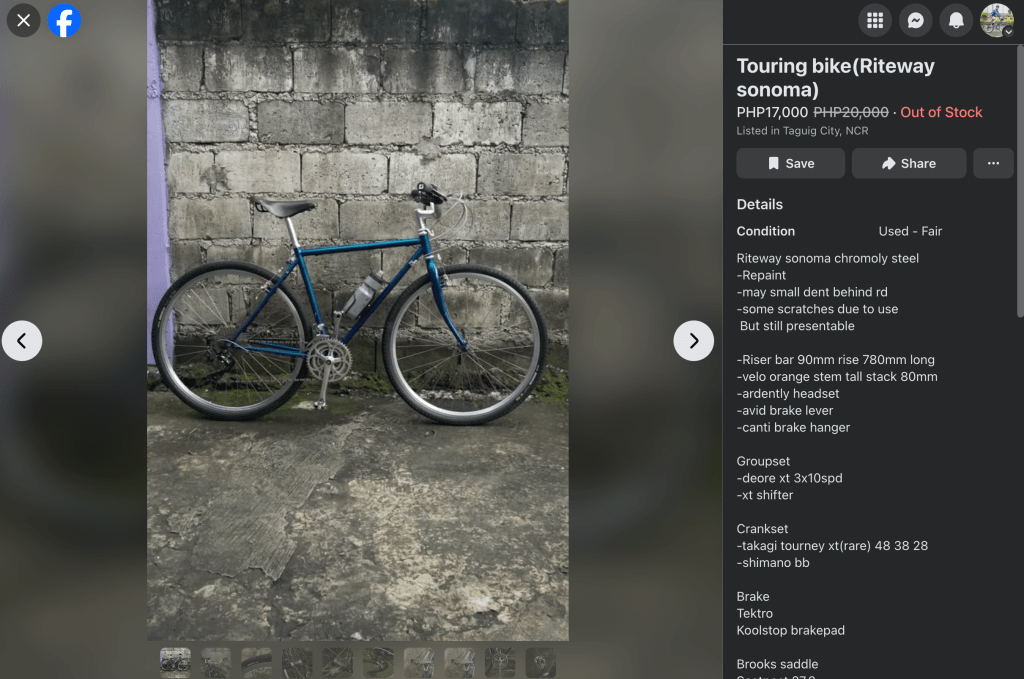
Now that you know what you want and assuming you’ve found a listing on Facebook Marketplace, the next step is very important: Read the product listing before asking questions. Who knows, it might have some, or all the info you need: the price, the bike’s condition, specs, and meet-up locations.
For the price, do not assume that the seller is willing to let it go for lower. You may ask for a discount or a last price, but only do so at the last step when you’re about to pay for the bike. Don’t waste your time and energy, or the seller’s, by haggling for something you aren’t even certain of.
When assessing a bike’s condition, you need to know what matters and what doesn’t. Just because the photos don’t look pretty doesn’t mean the bike is in good working condition. I have three main considerations when checking out a bike: Is it in good working condition? If not, what needs to be worked on? If there is damage, is it merely cosmetic, repairable, or permanent?
There are negotiables and non-negotiables. Scratches won’t affect a bike’s functionality. You might have to replace a part if something is out of whack. And you can clean up the bike if it’s dirty and dusty. But you can’t change the frame if it is cracked or heavily damaged. Which of these matters to you depends on your preference, whether you just want a bike that works, or something in pristine condition.
Going back to my previous point, you won’t be able to ask the right questions to the seller if you don’t know what to say. Make sure also to check the seller’s profile to make sure there’s a genuine person behind the screen. You don’t need to know everything about them; just enough to know they are a real person and they have a life outside of social media.
4. Make sure to set aside time for a meet-up
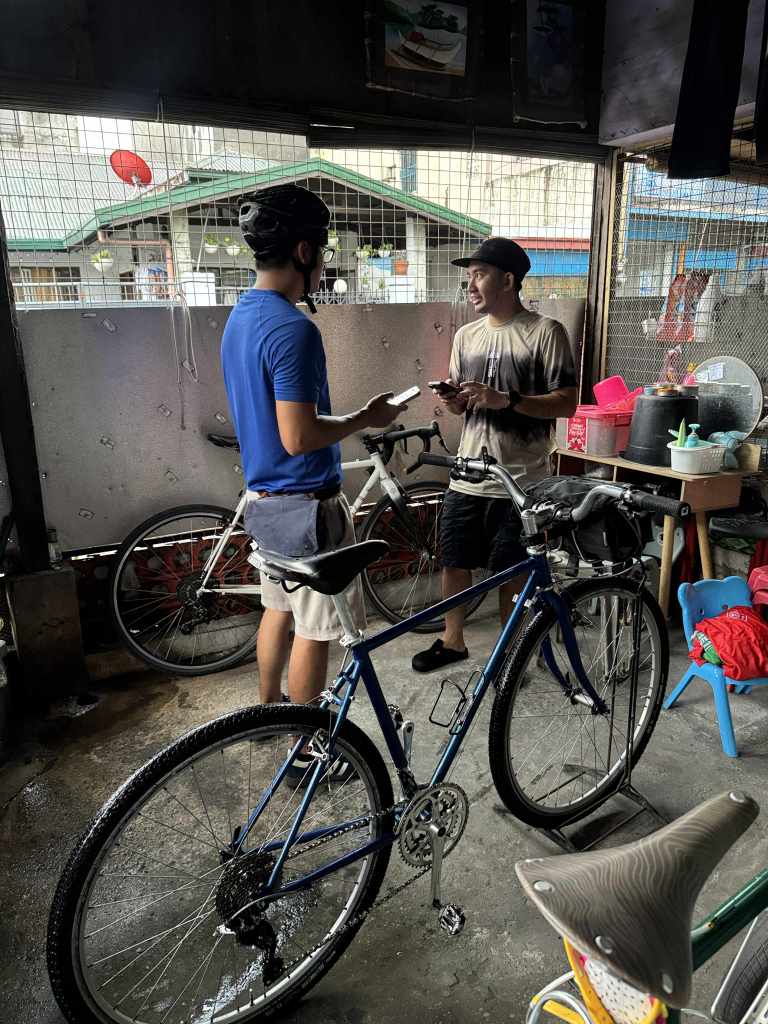
The meet-up is a crucial step because it’s when the rubber meets the road. Just as how you try apparel before buying it, the same applies to bikes. Meeting with the seller in person is the last line of defense that will let you ascertain whether the product listing is accurate or not. You might notice details that the seller missed, and those could possibly be dealbreakers. If you’re not confident, ask a friend to come with you.
It helps to get to know the seller. You don’t have to be friends with them, but learning about their personal history with the bike will give you valuable information that you won’t hear about over chat. What matters is that they know more about the bike and its condition than you. If they don’t, then you’ll be the one taking a gamble. At the top of my head, I can think of three kinds of bikes that you can consider purchasing:
Occasionally used: Someone who buys a bike, used it a few times, then left it in storage for a long time. Bikes like this are less likely to have any issues, but they might need some cleaning and a tune up.
Fairly used: A regularly used bike may have more signs of wear and tear. But if the owner took care of it well, you won’t have to do anything other than ride it. Some areas on a bike are more prone to scratches, so just because there are marks doesn’t mean it’s in bad condition.
Heavily used: For some people, a bike is a valuable item. To others, it is simply a workhorse, a tool to get the job done. Bikes that are heavily used may have obvious signs of wear and tear. But just like with fairly used ones, if they were maintained properly by the owner, then there shouldn’t be any problem—provided you aren’t particular about cosmetics.
Make sure that you test ride the bike. It’s the best way to know if it actually fits you, and if there are any immediate issues. If you’ve decided to purchase the bike, you can ask the seller if they have a last price before making the payment. Take note that once the transaction is over, the bike is your responsibility. So, make sure to clear things up as much as possible with the seller.
5. What to do after buying the bike from Facebook Marketplace
Happy New Bike Day! Congrats on getting that bicycle. However, just because the transaction is over doesn’t mean you can be care-free. For one, make sure you stay in contact with the previous owner in case there are any issues or concerns about the bike somewhere down the line. Just because there were no issues when you tested it doesn’t mean something won’t pop up in the future.
That’s why it’s important to find a local bike shop that you trust where you can have the bike regularly serviced. Getting a bike is one thing, keeping it in good running condition is another. Thankfully, bicycles are much simpler machines than cars or motorcycles, so taking care of one is much easier.
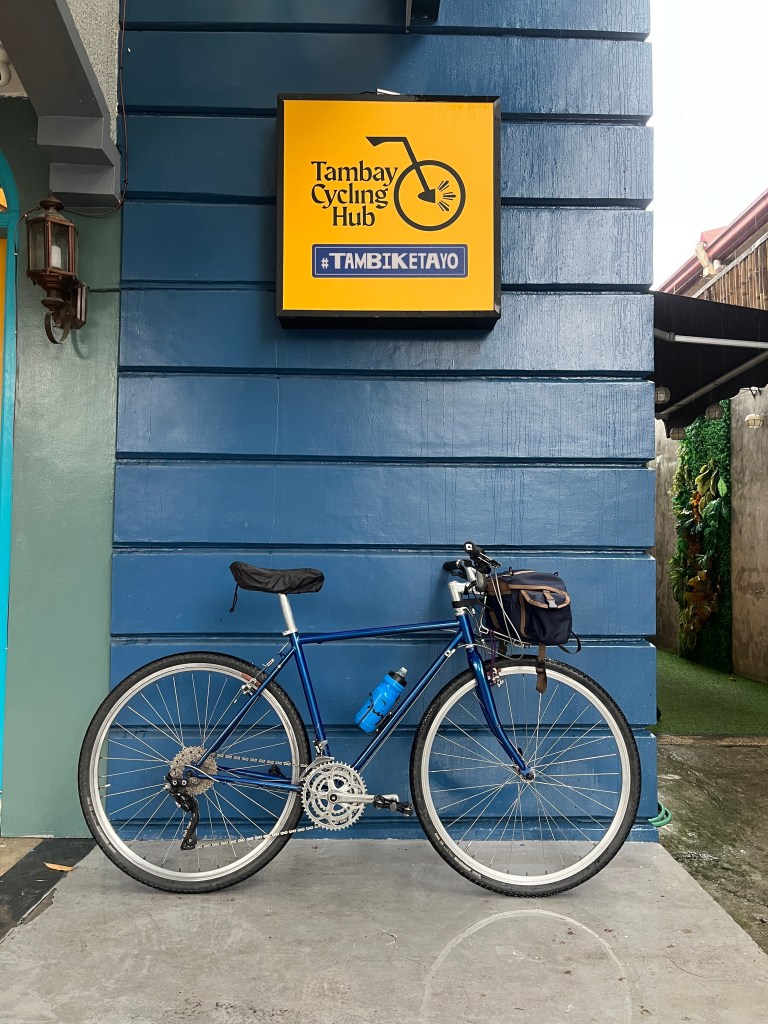
Since the bike will be used for commuting, make sure it’s outfitted with the right accessories to make life easier—such as racks, bags, fenders, a kickstand, and a bottle cage. Make sure you also have a repair kit for roadside emergencies. Personally, I always bring a multitool, a spare inner tube, tire levers, and a pump.
Ready to search for your new bike?
Thanks to Facebook Marketplace, there’s no better time to be buying a bicycle, especially with rising fuel prices and worsening traffic congestion. The key to finding good deals is having discernment and being able to communicate clearly with sellers. Researching takes time and effort, but it’ll be worth it the moment you find the right bike for you.


Leave a Reply