We have a saying in the bike community: “You will be disabled at least once in your life.” But what if you lived without one of the senses many of us depend on from the beginning?
Hearing plays an important role in cycling, whether bike commuting or racing against the clock during Audax. From anticipating the approach of larger vehicles from behind to appreciating the world around us, our ears help us stay connected to the city itself.
But what does cycling feel like when you can’t hear?
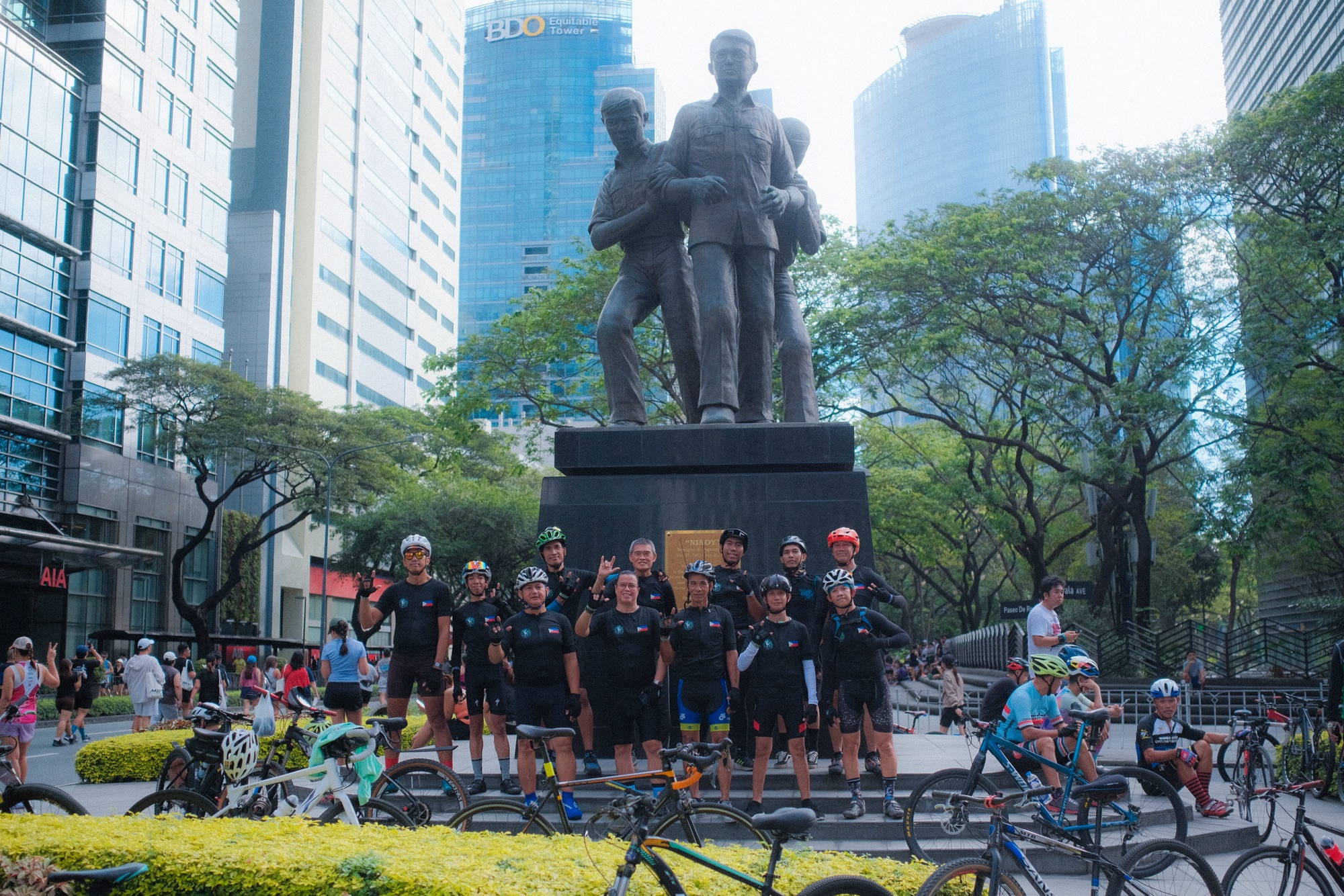
I had the opportunity to interview Sir Camilo Mendez of Deaf on the Road, and take photos of their group on a Sunday at car-free Ayala. For them, other senses take center stage in the cycling experience.
About Deaf on the Road
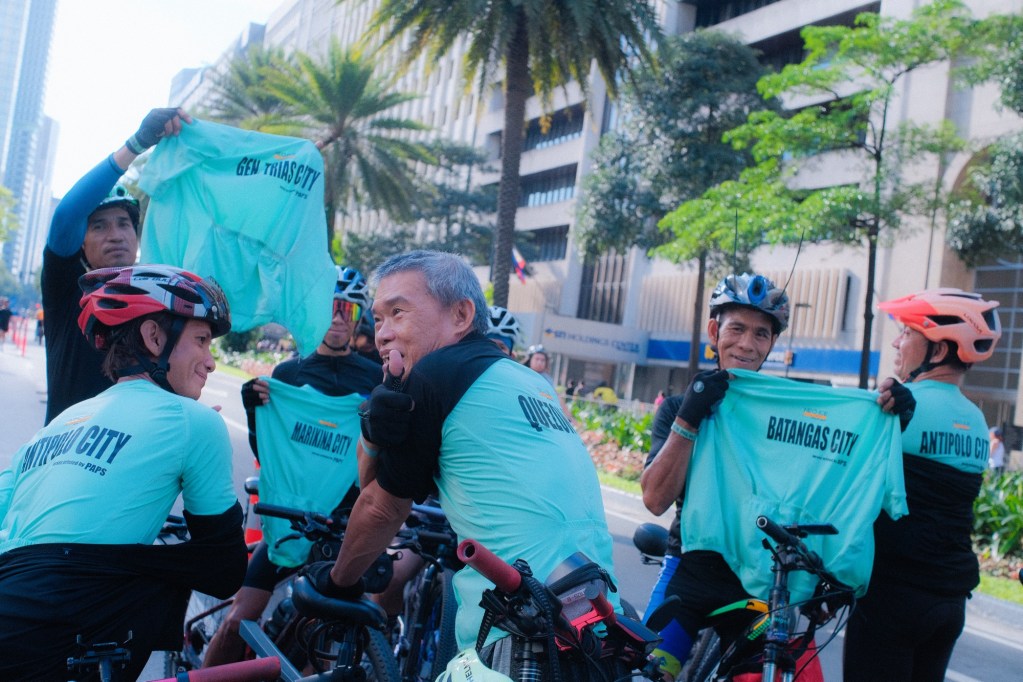
Deaf on the Road began as a group of riders who had a shared love of travel and the desire to connect with other Deaf individuals in and around Metro Manila. What started as a way to explore new places together grew into something larger: a community built on friendship, positive energy, and mutual support. For its members, traveling by bike became an activity that encourages others in the Deaf community to see the world on two wheels.
The group gradually evolved into both a community and a form of advocacy. At its heart, however, it remains a safe space where riders can share experiences and the joy of cycling.
Awareness Without Sound

One of the most common assumptions hearing cyclists have about Deaf riders is that they must be less aware on the road. Mendez says that the opposite is often true.
“In reality,” he began, “we are highly alert and rely on strong visual awareness, careful observation, and teamwork. Being Deaf doesn’t make us less capable. It just means we experience the road differently. Once people ride with us or see us in action, they often realize that Deaf cyclists are skilled, responsible, and just as passionate about cycling as anyone else.”
Because of this, group rides become especially important. They all stay connected, look out for one another, and maintain clear communication throughout the ride. They control speed and pacing while respecting traffic rules. In this way, safety becomes something the group builds together.
Riding with Confidence

Confidence on the bike also comes from preparation. Like many cyclists, members of Deaf on the Road emphasize the importance of good equipment and habits.
“We use reliable bikes, proper helmets, bright lights, and reflective clothing to stay visible,” Mendez explained, “Communication tools, like hand signals and group awareness, help us coordinate on the road. Habits like checking routes ahead, riding at safe speeds, and always watching our surroundings make every ride smoother and safer.”
These practices allow riders to focus on cycling itself rather than the risks around them.
The City is Clearly Designed for Cars, Not People
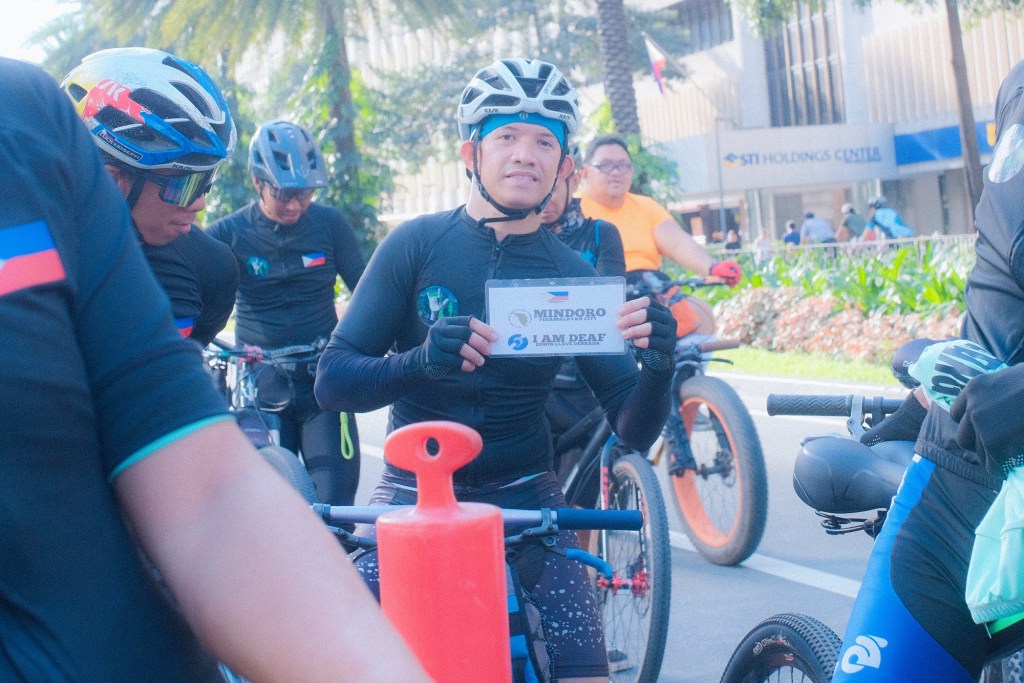
While Deaf cyclists rely on strong visual awareness and teamwork, the design of many roads still creates challenges.
We all know that Metro Manila, and much of the Philippines, prioritizes cars over people. The absence of protected bike lanes, clear signage, and safe crossings can make cycling more stressful and dangerous.
Cycling is already challenging in itself. For Deaf riders who depend primarily on visual cues, these chaotic traffic environments demand even greater concentration.
Mendez and other Deaf riders believe that better infrastructure would benefit everyone. Clearly marked bike lanes, protected intersections, and visible traffic signals help create predictable and safer environments for cyclists. Smooth road surfaces, rest areas, and well-planned routes also make longer rides more comfortable and accessible.
“Better road design would make cycling safer and more accessible for everyone, including Deaf riders,” he added.
An Invitation to Ride
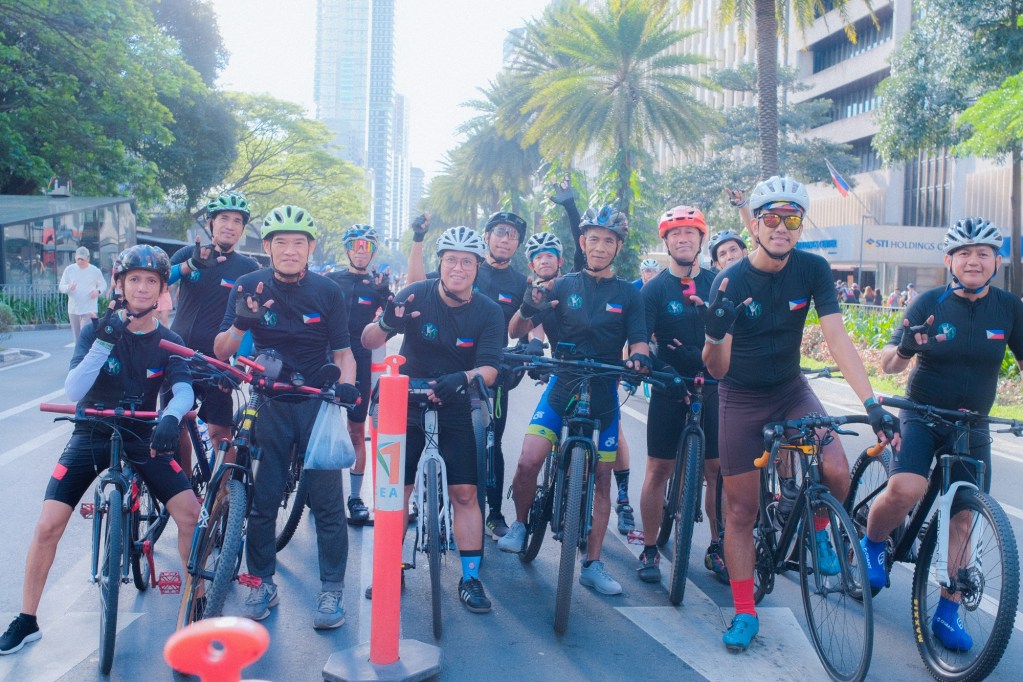
For Deaf individuals who may be hesitant to start cycling, members of Deaf on the Road offer encouragement.
“… Being Deaf doesn’t stop you from enjoying cycling,” Mendez said, “Start slow, choose safe routes, and ride with supportive friends or a group.
“Don’t be afraid to try. Every ride is an opportunity to learn, grow, and have fun!”
For hearing cyclists, and even motorists who may be reading this blog, sharing the road with Deaf riders offers an important lesson: Awareness is not limited to what we hear. Observation, patience, and cooperation matter just as much.
Those qualities are what keep everyone safely moving forward.


Leave a Reply