
As a yearly panata for myself, I join events like Visita Iglesia every Lenten Season to learn more about my Catholic faith in the context of the history of our churches across Metro Manila. What makes my visitas a little different is that I go to these churches by bike.
This year, I joined Renacimiento Manila’s Bisikleta Iglesia, where we stopped at six centuries-old churches that stand as silent witnesses to the evolution of Manila.

Our route traced the city’s past, weaving through roads that once formed the lifelines of Spanish colonial Manila. At the heart of it all was the Pasig River—a vital artery that connected faith, commerce, and daily life in the city for centuries.
And with the threat of the Pasig River Expressway (PAREX) looming over our main waterway, learning about the connection of our cultural identity to Pasig River is more important than ever. #NoToPAREX #YesToPares
Follow Renacimiento Manila on Facebook and Instagram!
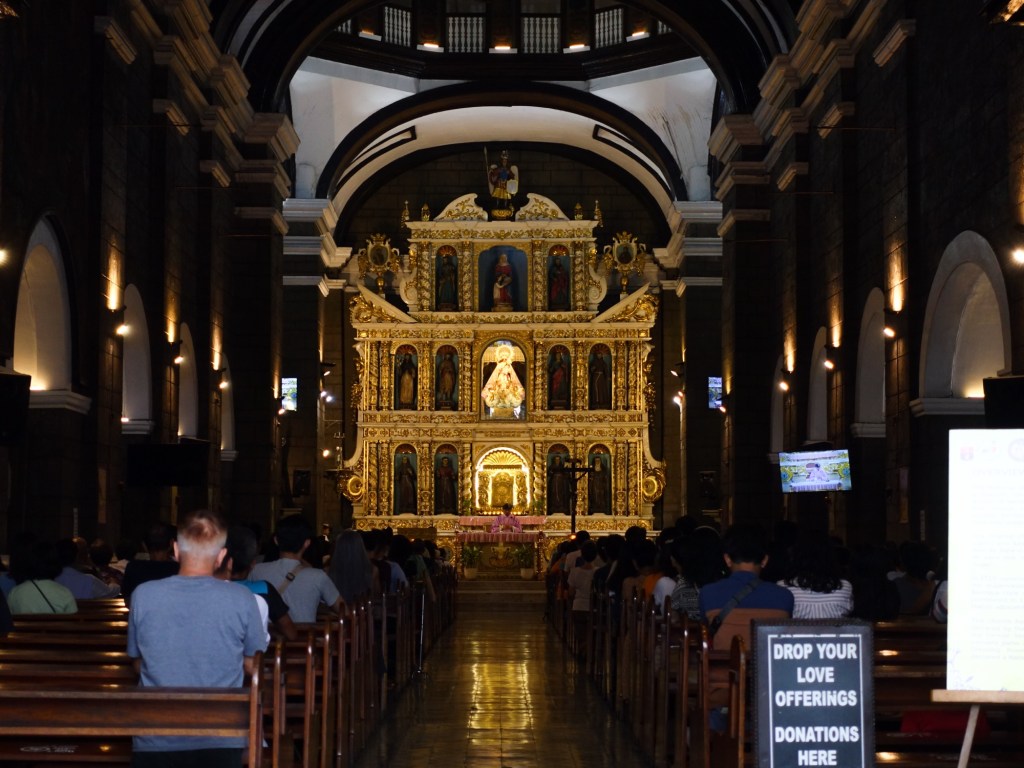
Manila Cathedral, Intramuros
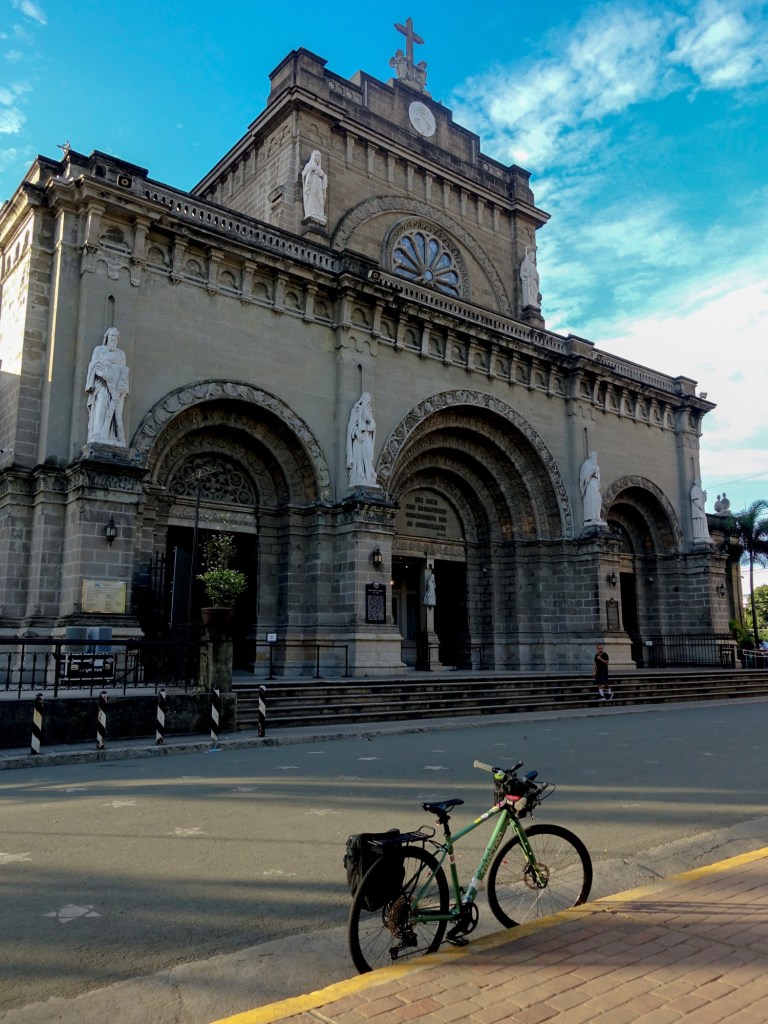
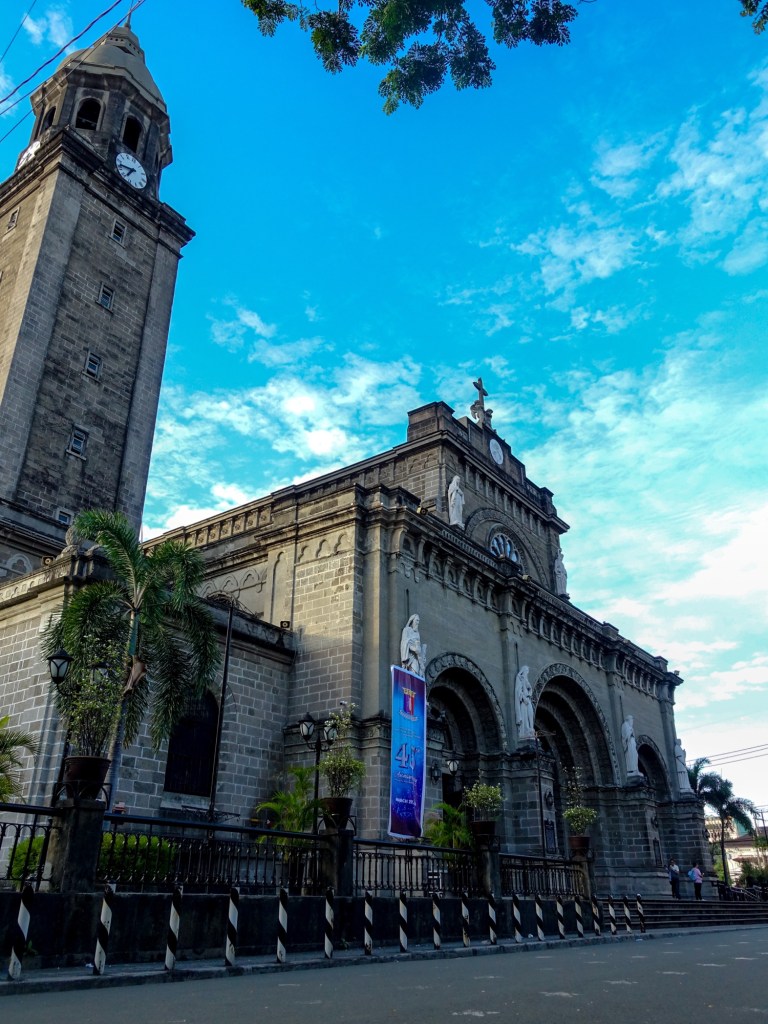
We started our tour at the Manila Cathedral, the seat of the Archdiocese of Manila and a symbol of resilience. Having been rebuilt multiple times due to wars and natural disasters, the present structure stands as a magnificent example of Romanesque Revival architecture.
Situated within Intramuros, the cathedral was a cornerstone of Spanish rule, with the Pasig River serving as a crucial channel for priests, merchants, and laypeople traveling to and from the Walled City.



San Agustin Church, Intramuros
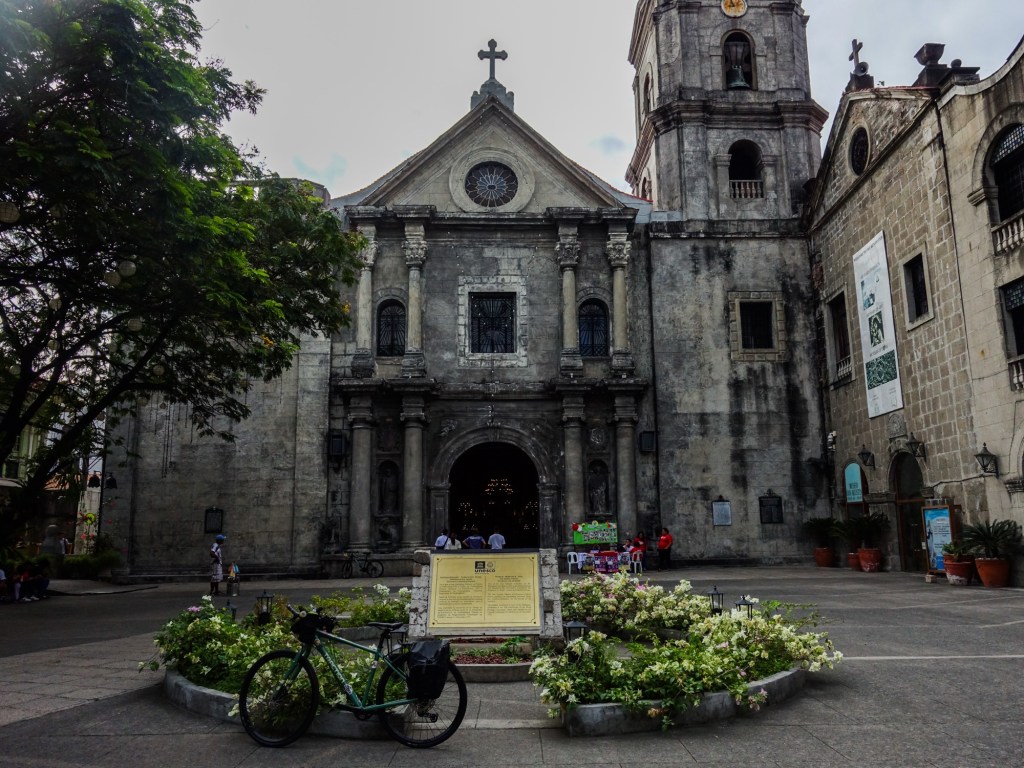
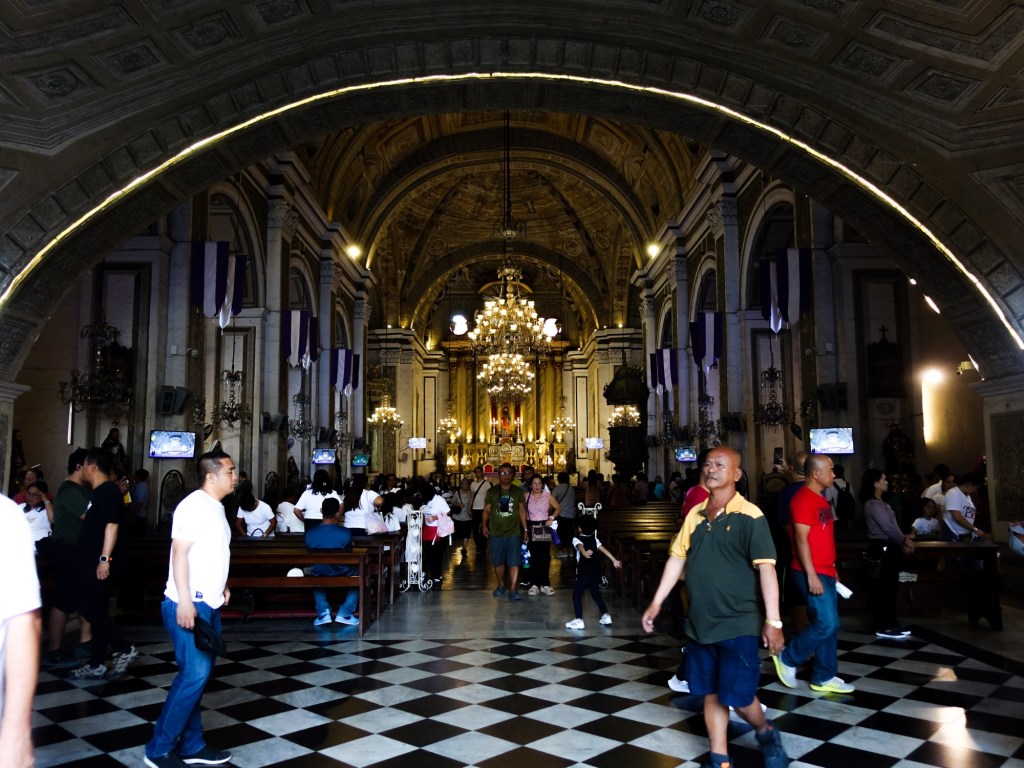
Nearby, the San Agustin Church—a UNESCO World Heritage Site—stood in grandeur. As the oldest stone church in the Philippines, its baroque interior and intricate trompe-l’œil ceiling paintings tell stories of faith and creativity. Built by the Augustinians in 1607, it has withstood earthquakes and wars, serving as a sanctuary for both conquerors and revolutionaries.
Like many churches of its time, it relied on the Pasig River for supplies, as materials such as adobe and molave were transported via boat.
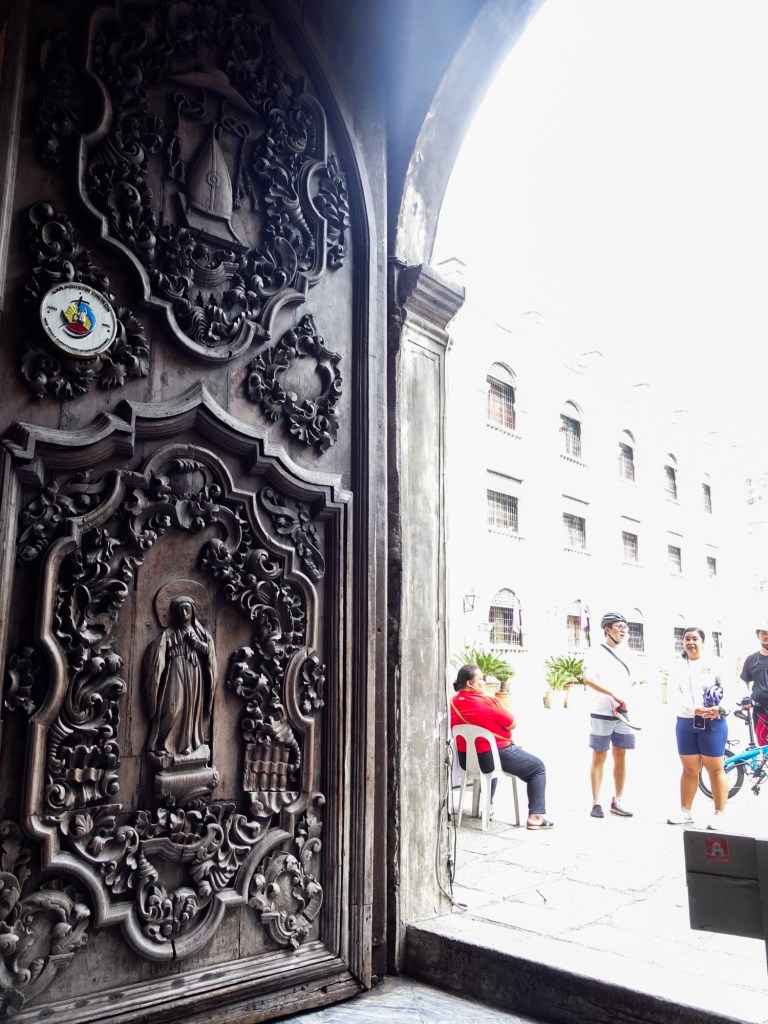
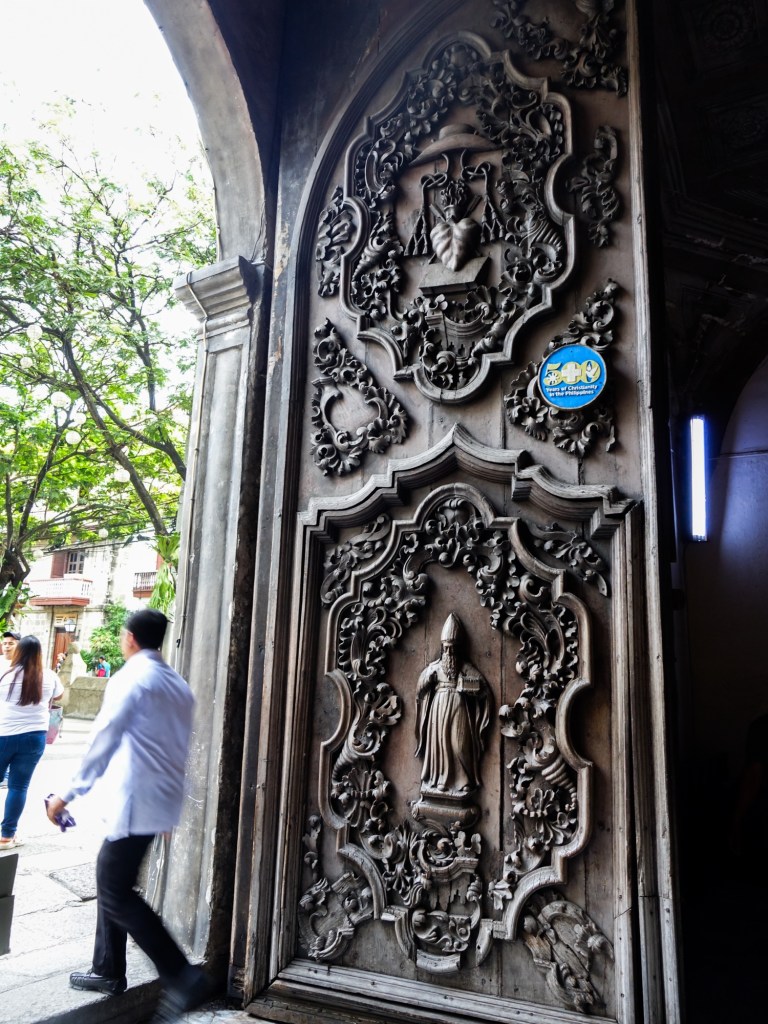
One of its most striking features is its massive wooden front doors, intricately carved with floral motifs, religious iconography, and depictions of Saints Augustine and Monica, the Doctor of the Church and his mother, respectively, showcasing the craftsmanship of early Filipino artisans.
Hospicio de San Jose, Quiapo

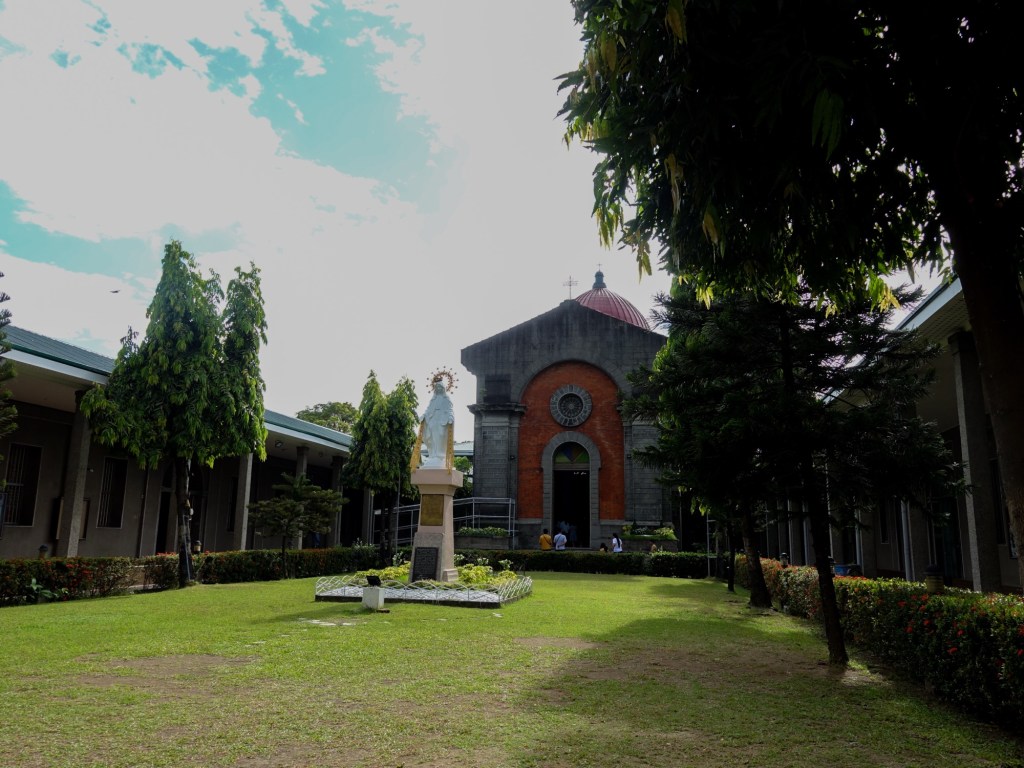
Heading out of Intramuros, we reached Hospicio de San Jose, an island sanctuary that has provided care to orphans, the elderly, and the abandoned since the 19th century. Located on Isla de Convalecencia, this institution is one of the oldest welfare centers in the country.
The Pasig River was its lifeline, bringing in supplies and support from religious benefactors across Manila. Even today, the island remains a quiet refuge amid the city’s bustle, continuing its mission of charity and service.
Minor Basilica of San Sebastian, Quiapo

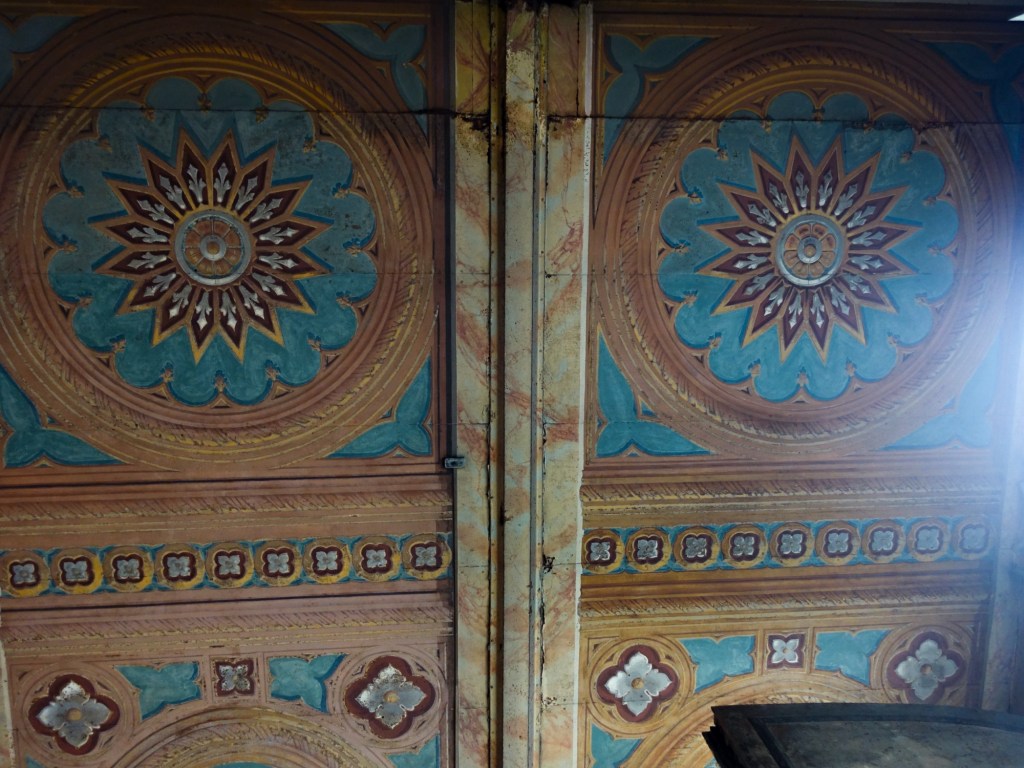
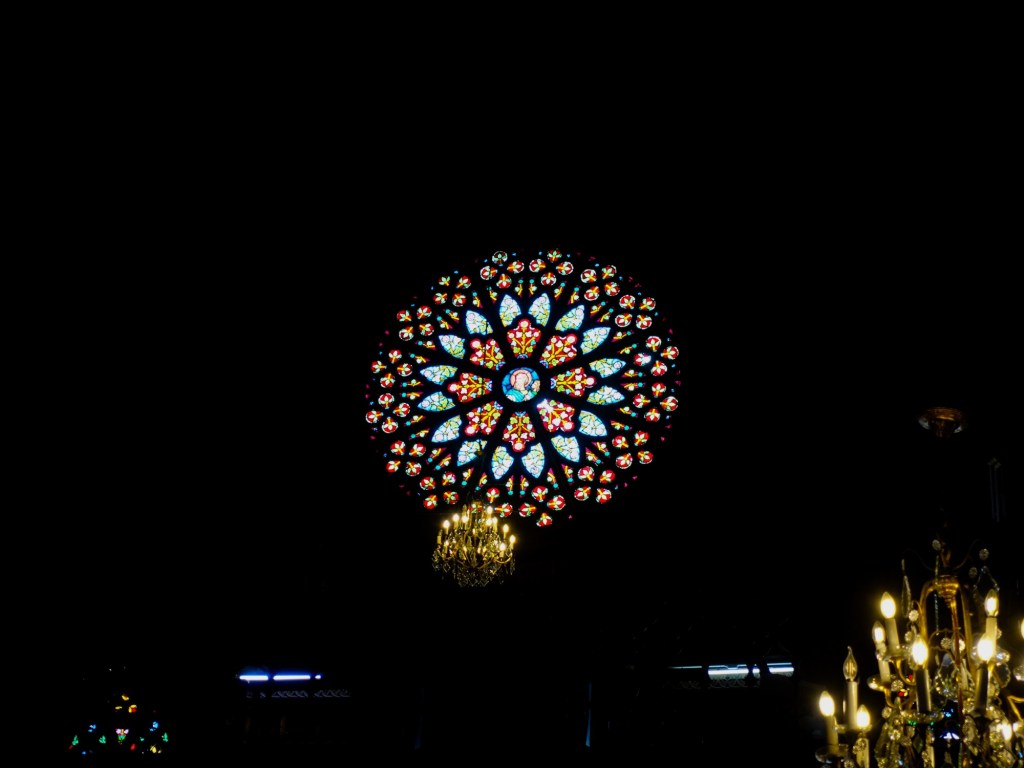
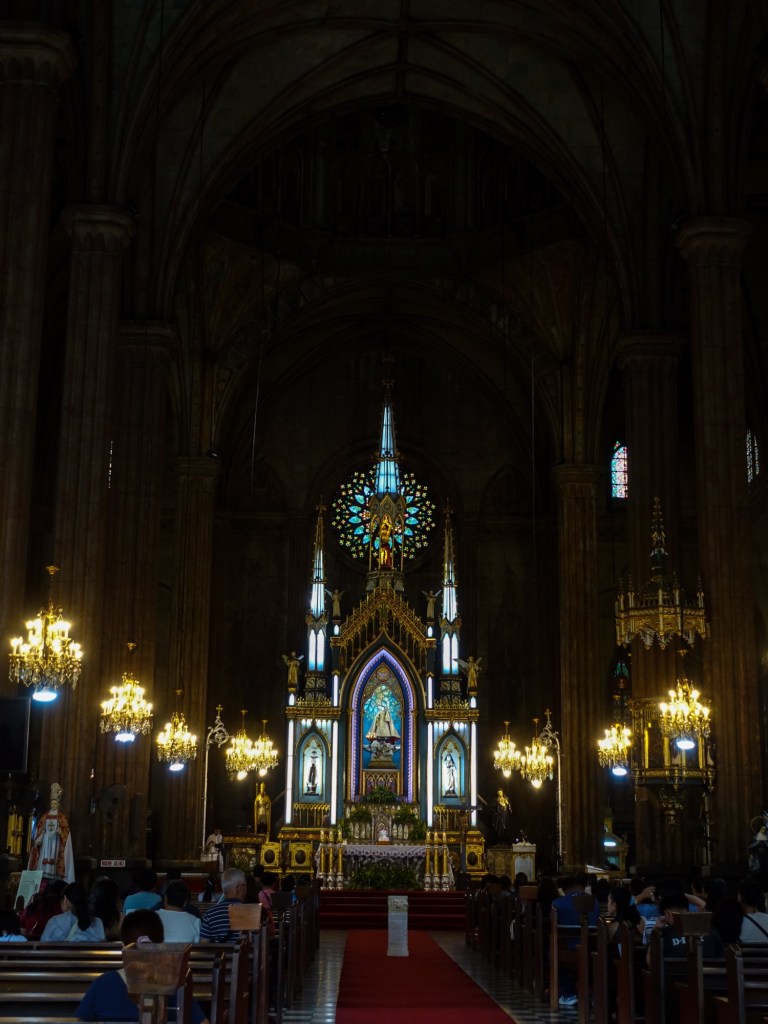
Our next stop was the Minor Basilica of San Sebastian, a striking Neo-Gothic masterpiece and the only all-steel church in Asia. Built to withstand earthquakes that had destroyed previous structures, its prefabricated iron parts were shipped from Belgium and assembled in Manila.
Though located slightly away from the river, the church still benefited from the Pasig’s network, as goods and workers used the waterways to transport construction materials. Today, its towering spires remain an awe-inspiring sight, standing as a testament to innovation and faith.
Sta. Ana Church, Sta. Ana
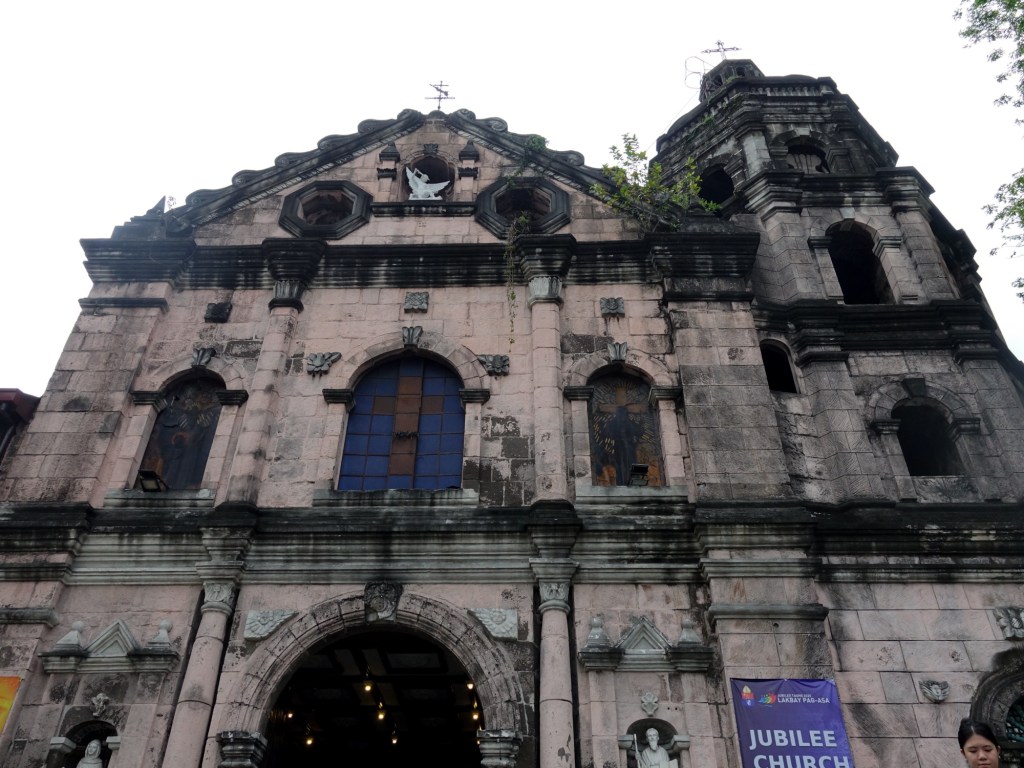
After a lengthy ride across Manila, we arrived at Sta. Ana Church, an underrated heritage church that once nestled along the banks of the Pasig River.
Known as the National Shrine of Our Lady of the Abandoned, it houses the Camarín de la Virgen, a chamber that has preserved its centuries-old religious relics. We weren’t able to visit this time, though.
Sta. Ana was once a thriving riverside settlement, known to be the vacation place for Manila’s then-rich and famous. The district benefited from its proximity to nearby tributaries that linked it to the Pasig River. These waterways facilitated trade and travel, allowing the district to flourish as a center of devotion and commerce.
However, due to reclamation and urban development over the centuries, these natural waterways have been cut off. What was once an area rich in river trade and transport is now surrounded by dense urbanization, yet Sta. Ana Church remains a steadfast witness to these changes—a reminder of the district’s deep historical and spiritual roots.

Church and Monastery of Guadalupe, Guadalupe Viejo, Makati

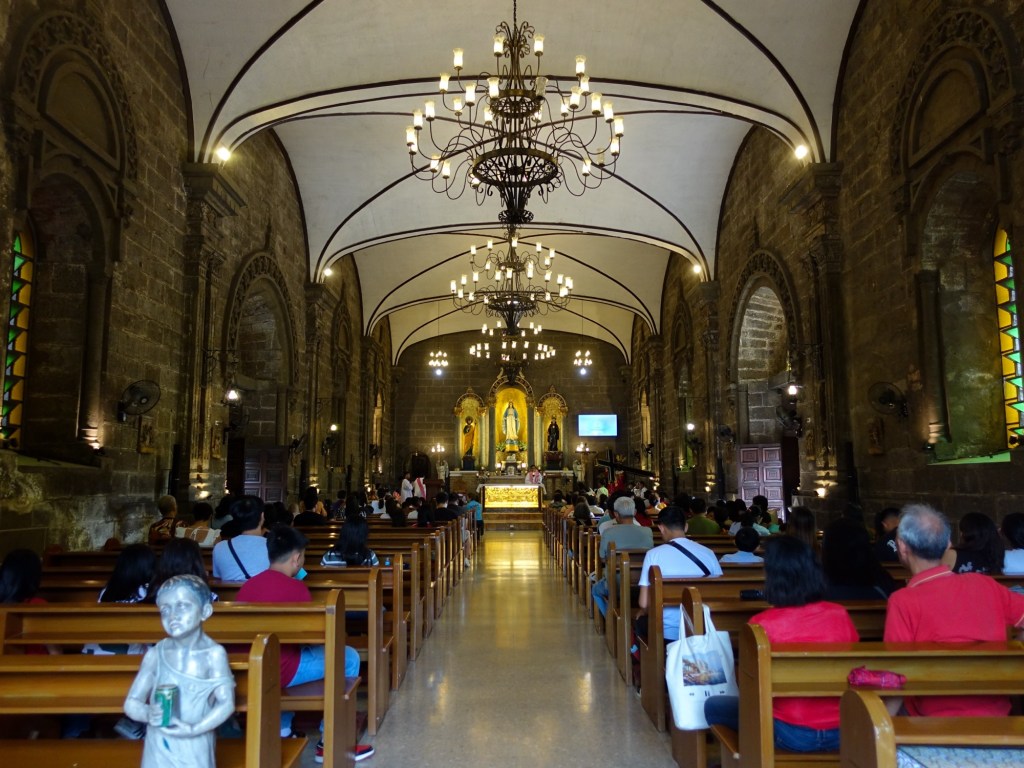
Our final stop was the Church and Monastery of Guadalupe, perched on a hill overlooking the Pasig River. Built by the Augustinians in the 1600s, the monastery was both a spiritual center and a defensive stronghold, safeguarding the area from attacks.
Its strategic location allowed friars to oversee the movement of people and goods along the river, reinforcing the Pasig’s role as a crucial artery for colonial Manila.


Throughout the ride, the Pasig River served as a reminder of how these churches were once interconnected by water. Before capitalism and the need for “progress” shaped modern Manila, the river was the city’s beating heart, sustaining communities and keeping the faith alive.
In revisiting these sites, we not only honored our religious traditions but also rediscovered the river’s enduring role in shaping our history and identity as Manilenos.
If you’ve reached the end of this posting, thank you for reading! Have you been any of these churches? I’d love to know your thoughts in the comments below!


Leave a Reply to Among the Faithful – Mytach0ndriaCancel reply