
Picture this. Bike Demo at BGC, August 21, 2022. Impusively buying a 10k Huffy MTB with a 3×7 Shimano Tourney. I didn’t know much about bikes at the time, but because I wanted to join my hiking buddies in their cycling adventures, I did what I did.
Man, I remember a couple of my friends messaging me their dissapointment when they saw my first bike lol
But what started as a way to cross-train my hiking hyperfixation back then became a full-blown lifestyle, personality trait, and advocacy.
To celebrate the three years of me having a personality (whether you love it or hate it is up to you), here are some lessons I garnered since 2022.

1. Cars are NOT Essential
I thought having a car AND a driver was the epitome of adulthood… a privileged one at that.
But when I started riding, I kind of realized that cars aren’t essential vehicles, especially if you’re riding by yourself from point A to B. Unfortunately though, cities are built around cars, and a lot of people can’t imagine life without one.
Three years of riding have shown me how unnecessary cars are for most trips. My mom would let me do errands on my bike, from getting takeout to doing the groceries at times, and I can have lunch or dinner with my friends in Binondo or QC without worrying about gas and being part of the traffic.
I’ve even crossed provinces on a bike; it takes longer but the journey is more fun.
So every time I roll past a congested road, I’m reminded: cars aren’t the default, they’re just one option.

2. Rest is as Important as the Ride
In the beginning of my Audax training post-accident, I thought improvement came from putting more hours on the saddle. Every bike commute should be a training ride, and if I don’t hit at least 10km each time, it wasn’t a workout.
Then I wondered: Why am I pushing myself too hard for an achievement that only I will enjoy? For whom is all of this effort?
It was in those moments of self-reflection that I learned that my body grows as strong during periods of rest as much as it does during rides and working out. My muscles, lungs, and even my mind need that reset, and without it, the joy of cycling fades into exhaustion.
Rest days are part of the rhythm of cycling, like free-wheeling in an open road after minutes of climbing. Learning this shifted how I see life off the bike, too. Pushing endlessly only leads to burnout, but giving yourself space to recover lets you go farther in the long run.
3. Always Claim Your Space
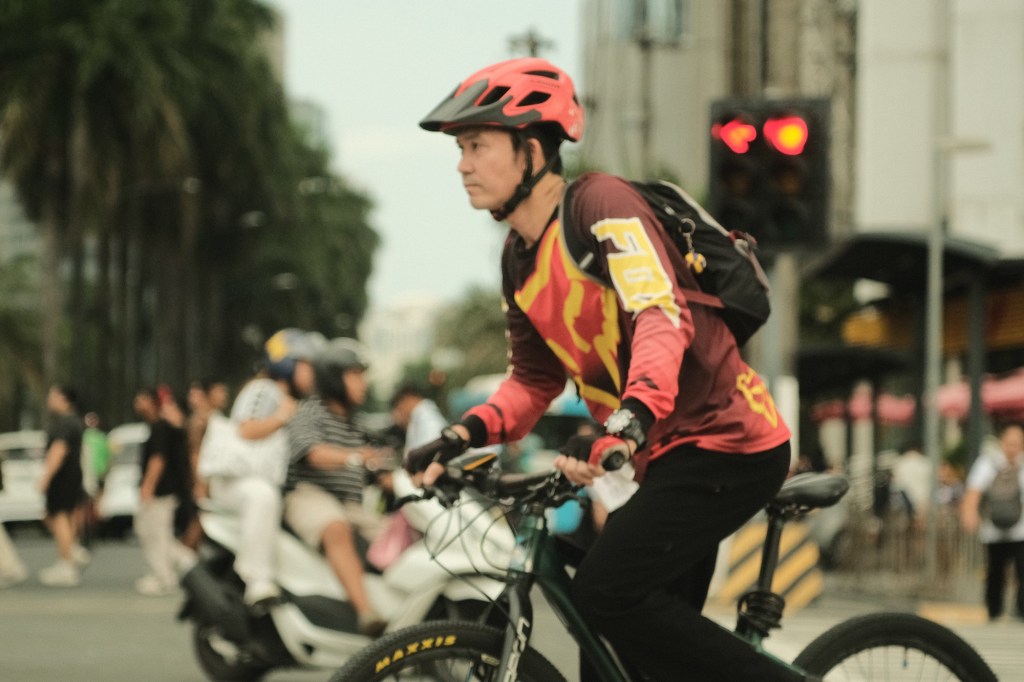
Right from the get-go, I knew bike commuting was fun, but it was one activity that had several risks. Because of the lack of basic bike infrastructure on our roads, I felt the pressure to squeeze in the gutter, to dismount and carry or push my bike onto the sidewalk… to do most of the adjusting. For cars.
But being at the right-most side of the lane isn’t a safe spot. Even in that space, motorists want to encroach on it. This has taught me that claiming space on the road is a matter of survival, unlike the “mayabang kamote” views that other motorists tend to say when they see us going in the middle of the road.
Over time, this lesson spilled beyond cycling. Claiming space is about being worthy of existing in any space. Whether in traffic or in communities, it means that I belong here… wherever here is. Cycling showed me that shrinking yourself to make others comfortable only puts you at risk, and that being the bigger person or taking the high road isn’t always the best route.

4. Have Patience, Even When They’re Not Patient With You
I learned early on that not everyone on the road will understand or respect cyclists.
Motorists will honk or scream when you hold your lane, even if you’re in the bike lane, while motorcycles squeeze into your space. It’s tempting to respond with anger, and I have shouted at motorcycle riders harrassing my friends or if I’m beside fat-shaming riders at the stoplight (at the EDSA-Ortigas Ave intersection).
But lately, patience is often the only thing that keeps me steady. Every ride is a constant reminder that arriving safely matters more than winning an argument with someone who clearly doesn’t want to learn.
My patience doesn’t excuse their impatience, but it keeps me from being swallowed by it.
On long endurance rides, patience takes on another form. Some rides can break your spirit, and the kilometers stretch out when the sun starts to dip. The temptation is always to fight, to grind harder, but that only empties me faster.
Being a randonneur has taught me that patience is a strategy: pacing, fueling, listening to my body, and trusting that time will carry me forward. Most rides are more about finishing whole and happy than winning, being first, or hitting a podium finish.
5. Ride Out to Ride Home
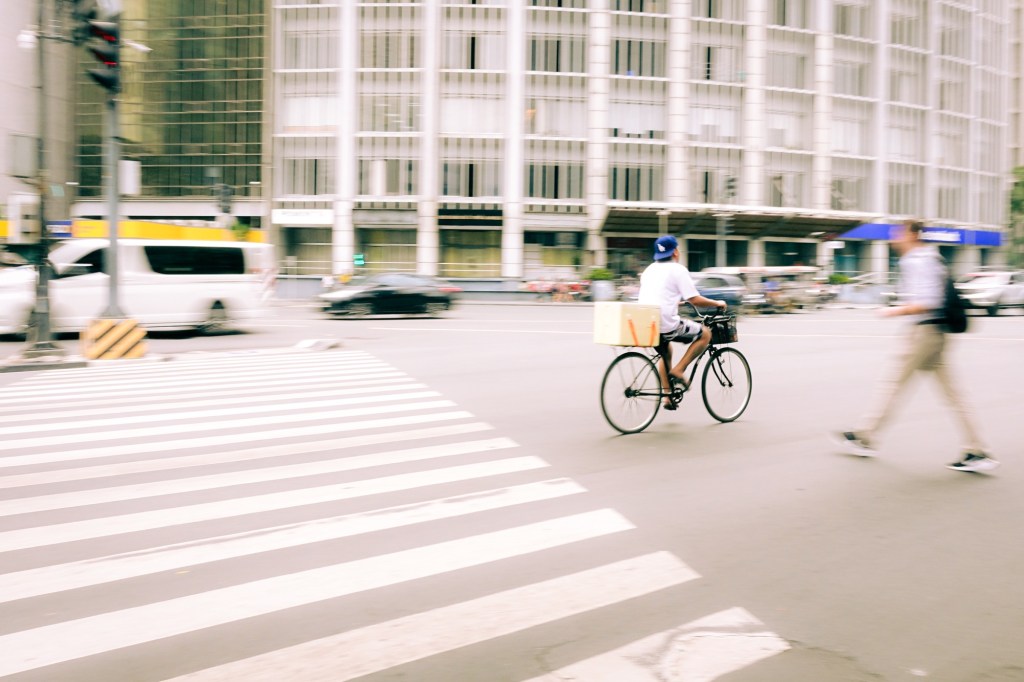
To be honest, I used to think only about the “out”: The excitement of getting somewhere far, reaching places I only see others do, and experiencing life outside the confines of my hometown.
But after three years, I’ve realized that every ride has two halves: the way out, and the way home. It’s not just getting from point A to B. Riding home safely is remembering that someone is waiting for you. It doesn’t necessarily have to be home-home, but someone who cares about you. A partner, a friend, a family member. People who look forward to your safe return and your amazing stories.
That awareness shapes the way I ride, reminding me that no adventure is worth it if I don’t make it back to them.
I don’t have anyone to come home to anymore, but I have friends, who, like my mom, want to make sure I’m safe and sound, but also having fun, on two wheels. I will continue to ride with them and for them. And for my mom, I’ll always do my best to come home safely, as if she’s still waiting for me in her room, waiting for my kwento.
Happy third anniversary to me. Here’s to riding out, always with the promise of riding home.


Leave a Reply