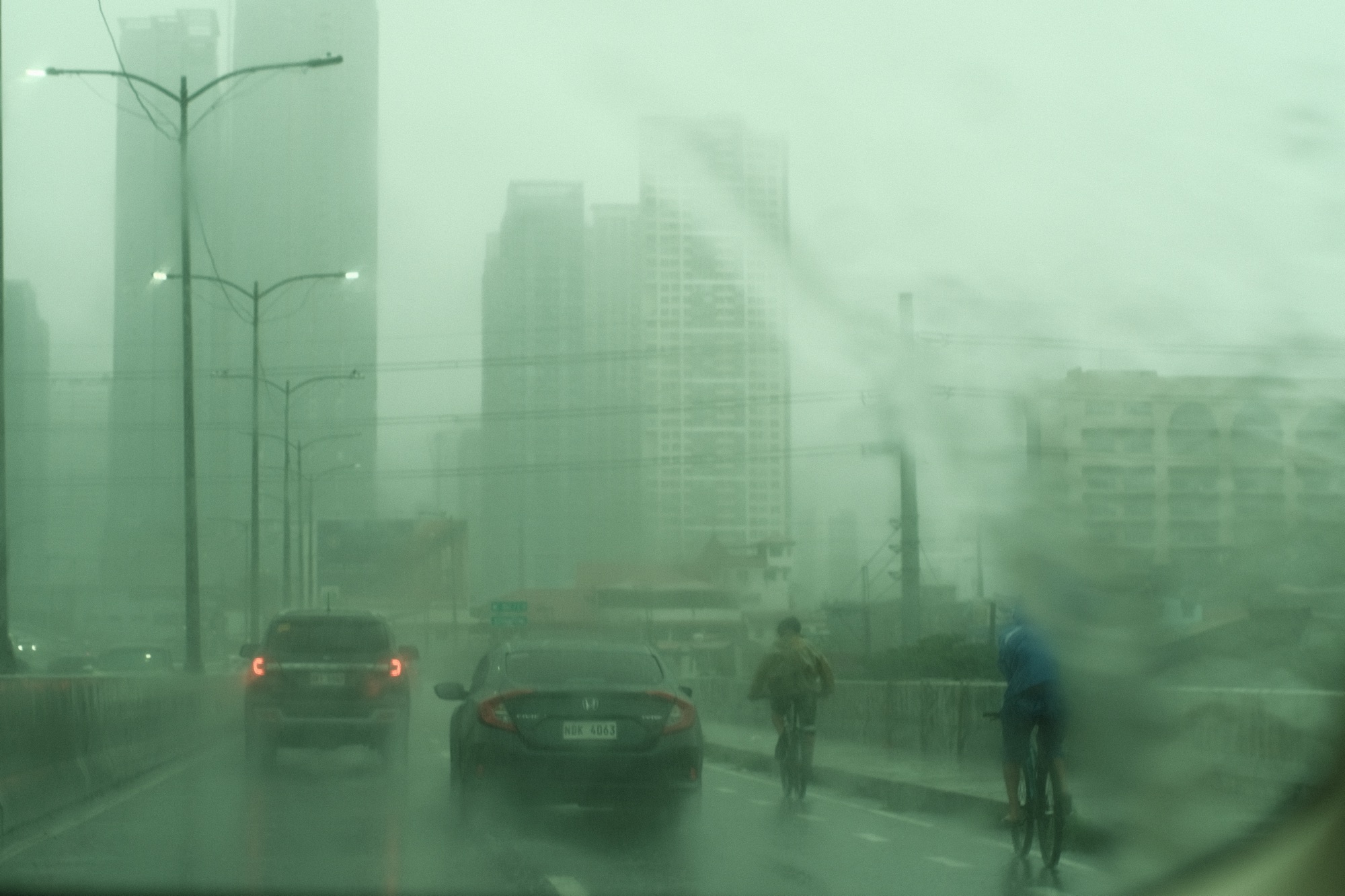
Despite experiencing a crash during a rainy night a couple of years ago, I still like a good ride in the rain. I would often shout “Rule #9, babyyyy”–a not-so-wise adage from our friends at Velominati–when it starts to really pour. I’ve mellowed down since then, and will ride out in the rain only when necessary.
But not everyone can avoid bike commuting in bad weather, be it for work, important errands, or emergencies. So if you absolutely need to go out, here are tips for you to get by.
Disclaimer: A smol political commentary at the end. Cycling is political, whether you like it or not.
1. Gear Up for the Weather
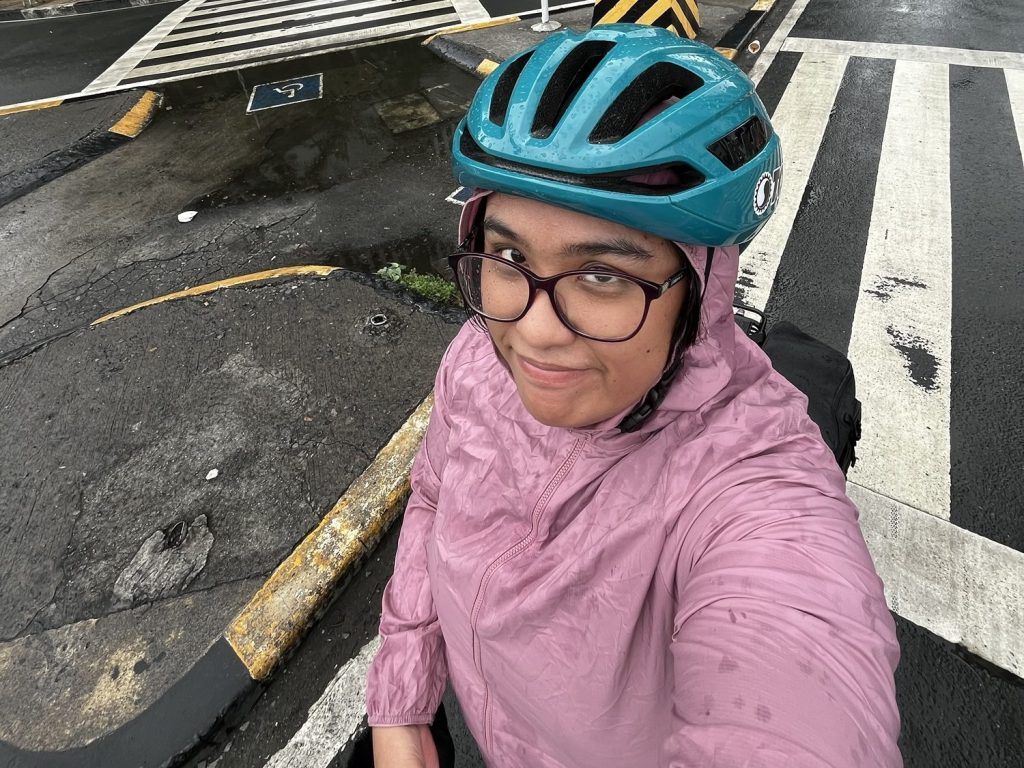
Who said bike commuting can’t be fashionable while still being functional? A simple high-visibility rain jacket or poncho can already keep you reasonably dry, and a waterproof pannier or front bag can protect your everday carry: your phone, a change of clothes, maybe a laptop. Some even bring a full ensemble plus a towel, wearing slippers or sandals instead of shoes so they don’t have to deal with soggy socks later on. I just hope they avoid leptospirosis-infested waters.
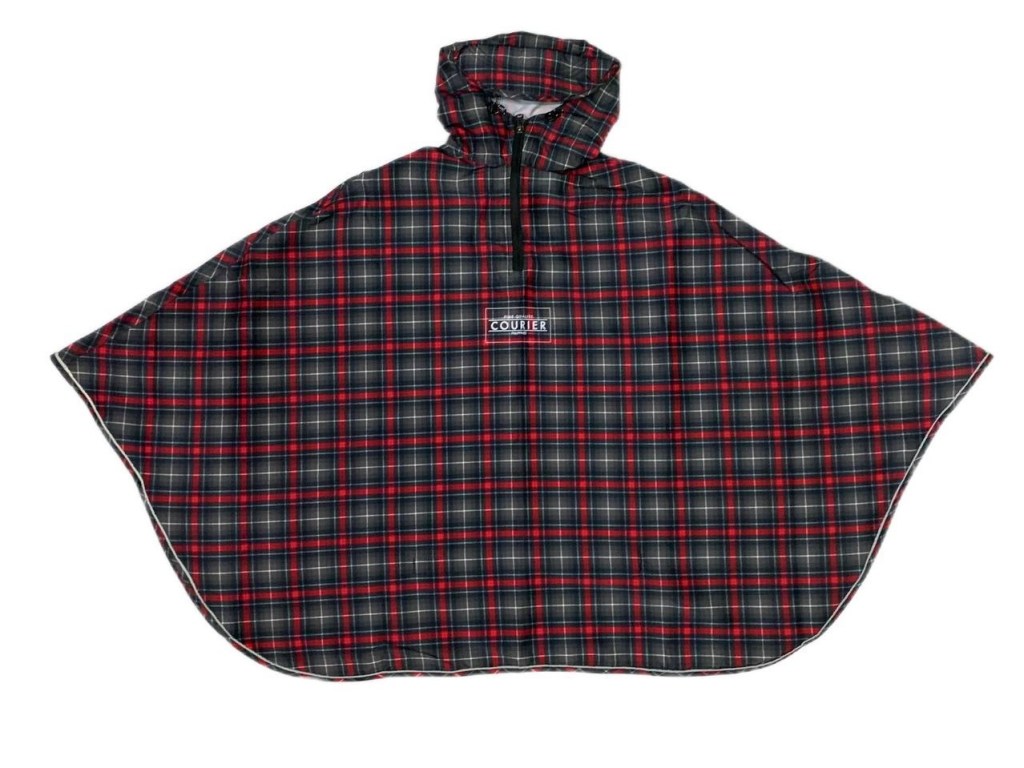

If you’re looking for high-quality but affordable rain gear, I highly recommend the ponchos from Courier. At P1,800 in two colorways, they keep you dry throughout your ride. They’re available at Popcycle and Tambay Cycling Hub.
Your bike can also add bit of glitz and glam that’ll keep you relatively clean. Adding fenders to your bike is also one of the smartest upgrades you can make, since they save you from that grimy streak of road water up your back. And no matter how short your ride is, lights are non-negotiable: Even drivers often struggle with fogged up windshields and low visibility, so anything that helps you stand out on the road is worth it.
2. Take It Slow

On dry days, Manila’s streets are tricky enough to navigate, and the rain only makes them more unpredictable. The key is to slow down and give yourself more time to react.
Painted bike lanes, manhole covers, and metal plates… they all turn slippery when wet, so it’s best to cross them carefully. When in doubt, ride around them. Additionally, puddles can hide anything, from shallow potholes to deep craters that could make you lose your balance and cause a self-inflicted crash.
So take your time with the path ahead of you.

It’s also a good idea to invest in a good pair of tires like the Panaracer GravelKing SS or any slick or semi-slick touring tires that are great for city riding and wet roads. From experience, they stick to any surface and do just fine on wet pavement.
Slowing down is your best bet though, no matter how good your tires are.
3. Safely Claim Your Space

We all know that rain, light or torrential, makes motorists even more aggressive and congested roads more chaotic. Everyone’s a little more impatient, probably even you. Many of us end up giving a motorist the stink eye when they push into the bike lane (at least I do).
This is exactly why you, as a bike commuter, need to claim your space. Stay in the middle of the lane. Don’t hug the gutter where you’ll just get boxed in. Position yourself where you’re visible, predictable, and where drivers are forced to acknowledge that you’re on the road, too.
Holding your line might feel intimidating at first, but it’s safer than getting pushed out of the road. Be seen and stay seen. You have as much right to be on the road as any motorcycle or car user does.
4. Don’t Force Through the Flood
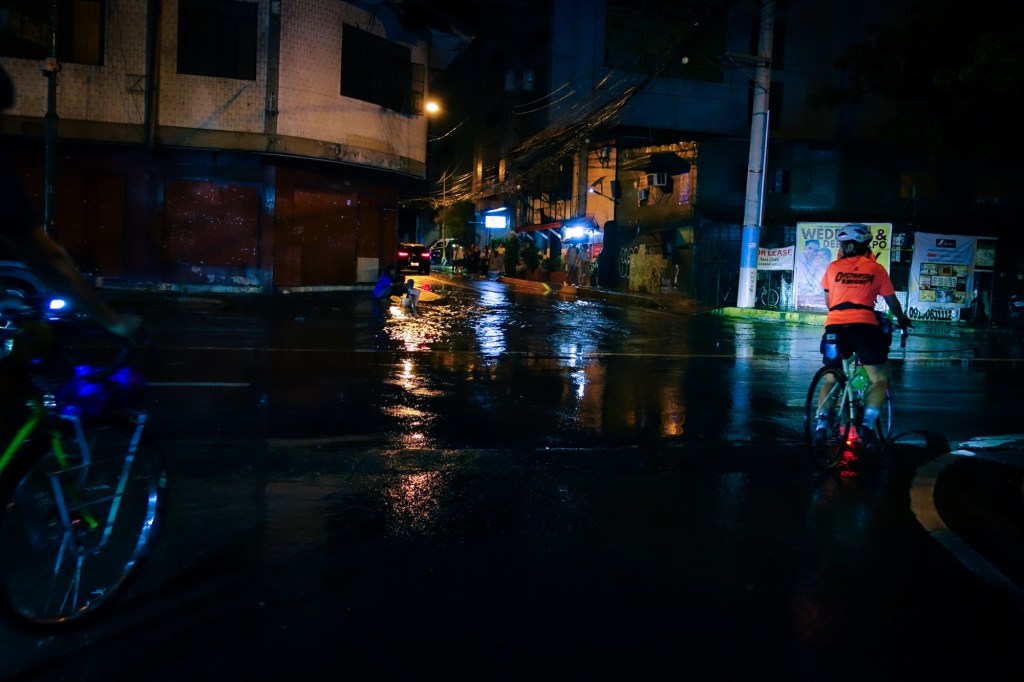
Flooding is Manila’s ultimate boss battle every time it rains, and I wish there was a better, safer, more humane way of commuting without thinking for our lives when we go out.
Before leaving home, check FB groups like How’s Your Biyahe, Bes? or your LGU or the MMDA FB pages since there’ll be news about flooded roads. Or tune into your favorite radio station or local news channel to check what’s happening out there.
If you do find yourself facing a street-turned-river though, gauge the depth carefully. If you can’t see the pavement beneath, dismount, then get to higher ground or wade rather than ride through.
This way, you and your bike are safe. Once you’re home, wipe the bike dry and relube the chain; this small bit of maintenance keeps away rust, chain wear, and seized bearings. And don’t forget to take a shower.
5. You Know What? Don’t Force It

Unless you’re riding home or you’re not RTO, don’t force yourself to go out and ride.
When the downpour is too heavy, visibility is close to zero, or the roads are already waist-deep in floodwater, it’s completely fine to skip the ride and wait it out, especially when it’s not important.
There are so many times that I want to ride out despite the heavy rains. It’s cool weather, there aren’t a lot of cars because motorists are also taking precaution, and my mental health dips if I keep staying at home for long periods. But if I risk my life out there for two hours of adventure, I might get into another crash and not survive it. So I stay in, mostly against my will, because it’s better to be safe than be a story.
While bike commuting in the rain will take some preparation, it also shows that the bicycle remains to be one of the most reliable vehicles we can own.
At the end of the day though, all these tips are really about just getting by. The truth is, flooded thoroughfares and unpredictable terrain aren’t our fault. Imagine risking injury and disease just to work and have your salary stolen from you through taxes and government contributions. We shouldn’t have to adjust this heavily because public officials want to fund their own selfish interests, and yet here we are.
Until our taxes actually go to fixing our roads and treating mobility as a real priority, we, the people, will keep pedaling through and pushing back—because someone has to.
But I digress.
If you have more tips about biking in the rain, or if you want to organize a r3v0l+, write your suggestions down in the comment section below. Thanks for reading!


Leave a Reply