
Take a walk around Barangay Kapitolyo, and you can see why people easily fall in love with this neighborhood in Pasig. It’s tight-knit and cozy, with many diverse establishments all a stone’s throw away from each other.
However, the locality has undergone massive changes, and it is at risk of losing its character (ironic that I’m using NIMBY language) because of one thing, actually many of this “one thing:” The private car. But, all hope is not lost if the local and the city government are willing to take the necessary steps.
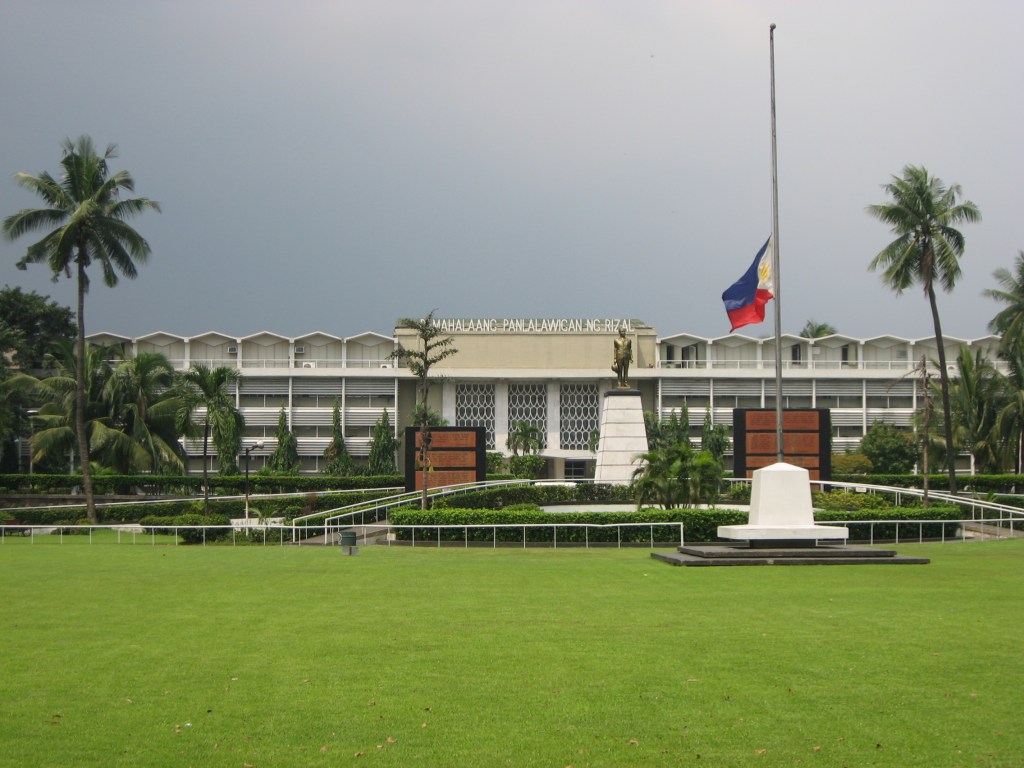
History of Kapitolyo
Before anything else, I’d like to share a bit of history. According to sources, Barangay Kapitolyo got its name from the nearby Rizal Provincial Capitol (currently existing as Capitol Commons) back when Pasig was still a part of Rizal. Based on my chats with long-time residents, Kapitolyo was barren, just like the countryside—no hip third-wave cafés, no hole-in-the-wall restaurants, and there was certainly no traffic congestion.
My first encounter with Kapitolyo was around 2008. My sister just got married and she moved to the neighborhood with her husband. Eventually, I’d find myself going there when eating out on Saturday nights with my lola. I remember three restaurants: Cafe Juanita, Haru, and Ninak. There was even a café (same owner as Poco Deli) beside the last one that sold barako ice cream. Eventually, I transferred to Kapitolyo in 2019. And after I started bike commuting in 2022, I finally got to appreciate this lovely neighborhood for what it is.

When convenience becomes an inconvenience
However, I also began to notice the shortcomings of this neighborhood. The most obvious problem is the horrible traffic congestion. Why are there so many damn cars in Kapitolyo?
Barangay Kapitolyo is strategically located with its proximity to Mandaluyong, Capitol Commons, the Ortigas CBD, the Greenfield District, and major roads such as EDSA, Shaw Boulevard, and C5. The opening of the bridge made Bonifacio Global City a hop, skip, and jump away. From there, you could access the rest of Taguig as well as Makati.
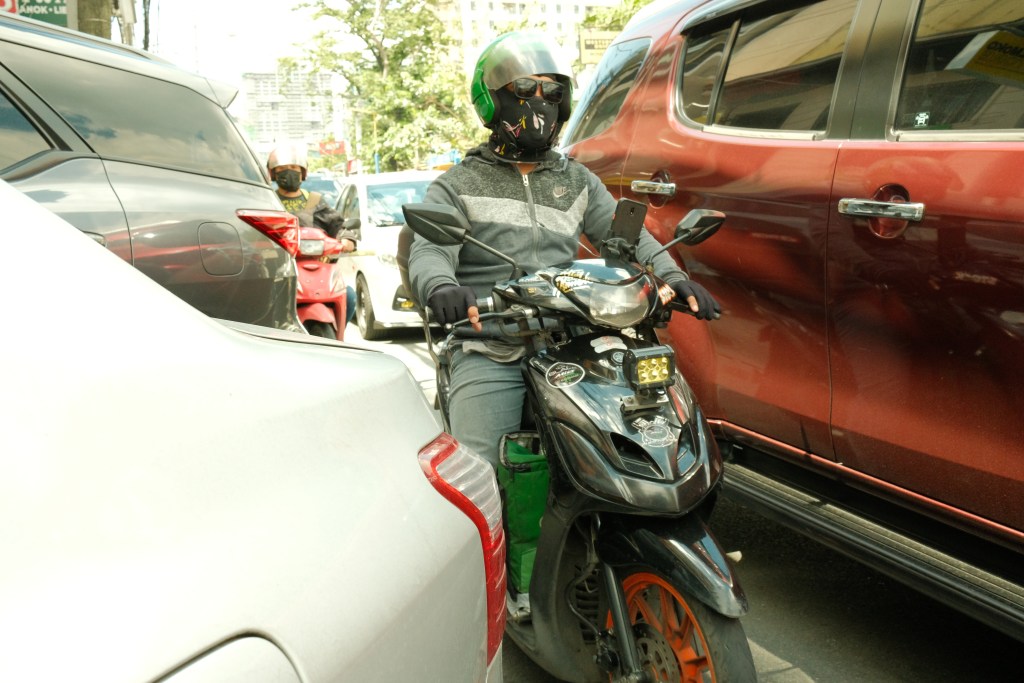
Kapitolyo is not a particularly big area, and road space is very limited. That’s why when everyone tries to traverse it by car, especially during rush hour, no one gets to move an inch. Everything is so near, yet so far.

The consequences of a highly motorized neighborhood
Now the issue of traffic congestion is not simply limited to longer travel times. The consequences are many with profound implications that deeply affect the most important people in the barangay—the residents.
When there are so many fast-moving cars on the street, children won’t get to play outside. Even the many stray dogs and cats are at risk of getting run over. Air quality is sure to drop when you have gas guzzlers emitting toxic fumes every moment.
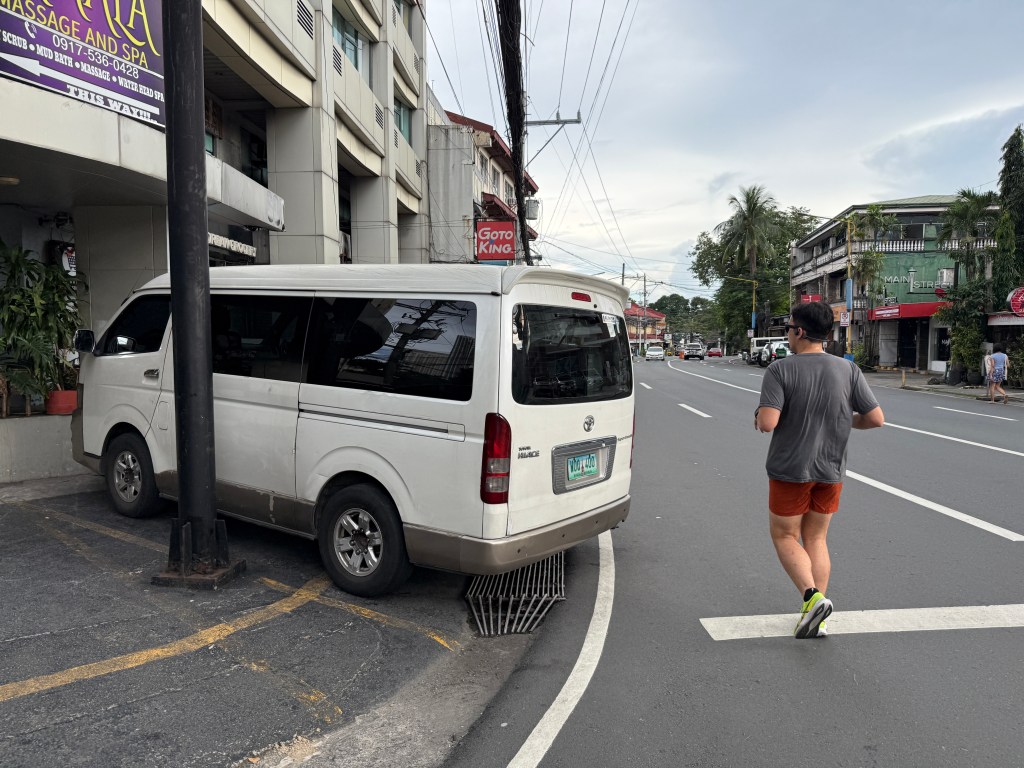
Suddenly, crossing the street becomes a life-or-death affair, when you can’t tell if the driver of the oncoming vehicle is going to yield or not. And if people are discouraged from walking or biking, how will local businesses thrive—especially when they don’t have car parking of their own?
The sad thing about a highly motorized neighborhood is that the residents suffer the most when motorists treat their locality like a bypass road.
Barangay Kapitolyo can be a Low Traffic Neighborhood
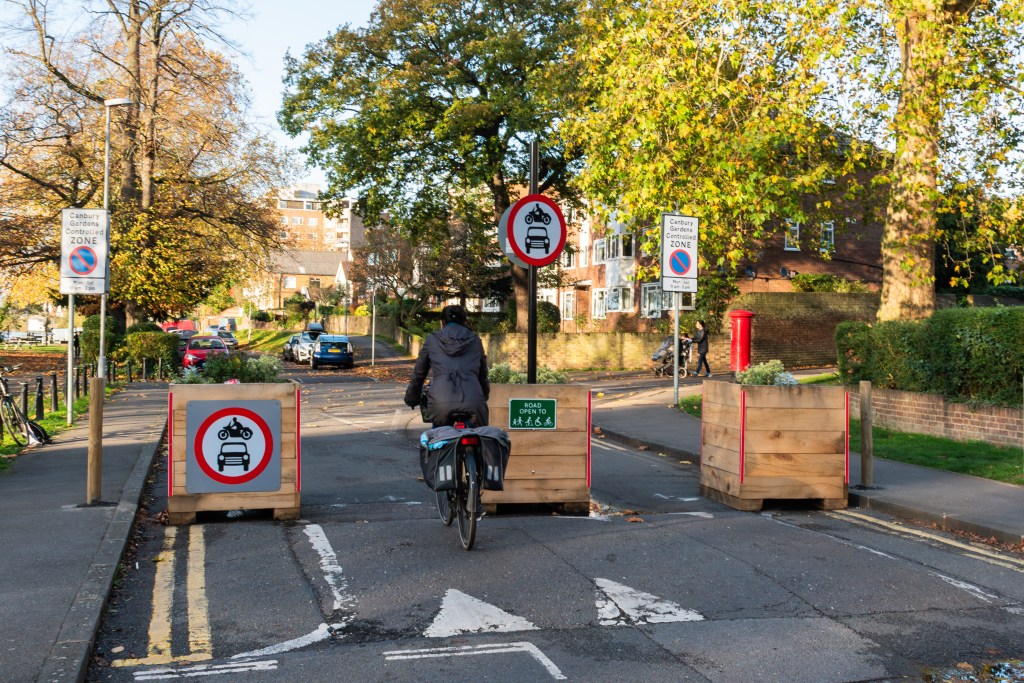
The mobility issues that plague Barangay Kapitolyo are nothing new, and are commonplace in many parts of the world. One concept I think might be effective is the United Kingdom’s Low Traffic Neighborhood.
The objective behind LTNs is to reduce through traffic in residential areas. Rather than giving motorists the most direct path, they’re forced to take the longer way around. Meanwhile, active transport such as cycling and walking are openly encouraged through modal filters, slow streets, and other traffic-calming measures.
In the case of Kapitolyo, a good chunk of the congestion comes not from the residents themselves, but the motorists going to and from BGC. If the bridge were only accessible to non-residents from the Pioneer gate via Brixton Street, then the congestion would be diverted away from the residential area.


Active Transport in Kapitolyo
However, rerouting traffic doesn’t get rid of it. The only real solution would be to encourage other modes of transport. This is true for the whole Metro Manila, but I’d like to share how it can be applied specifically within Kapitolyo.
Driving is so unsustainable that you’re better off walking when going to Estancia. Many people already walk within Kapitolyo. But the lack of sidewalks is discouraging when you’re forced to go in between parked cars and fast-moving ones.
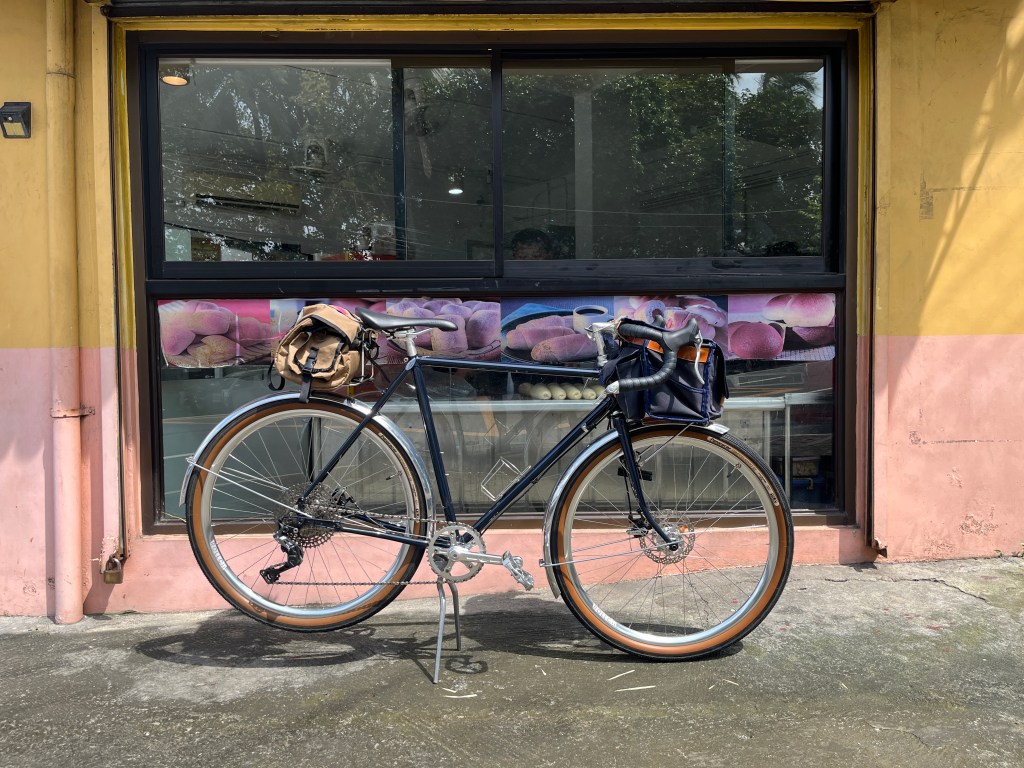
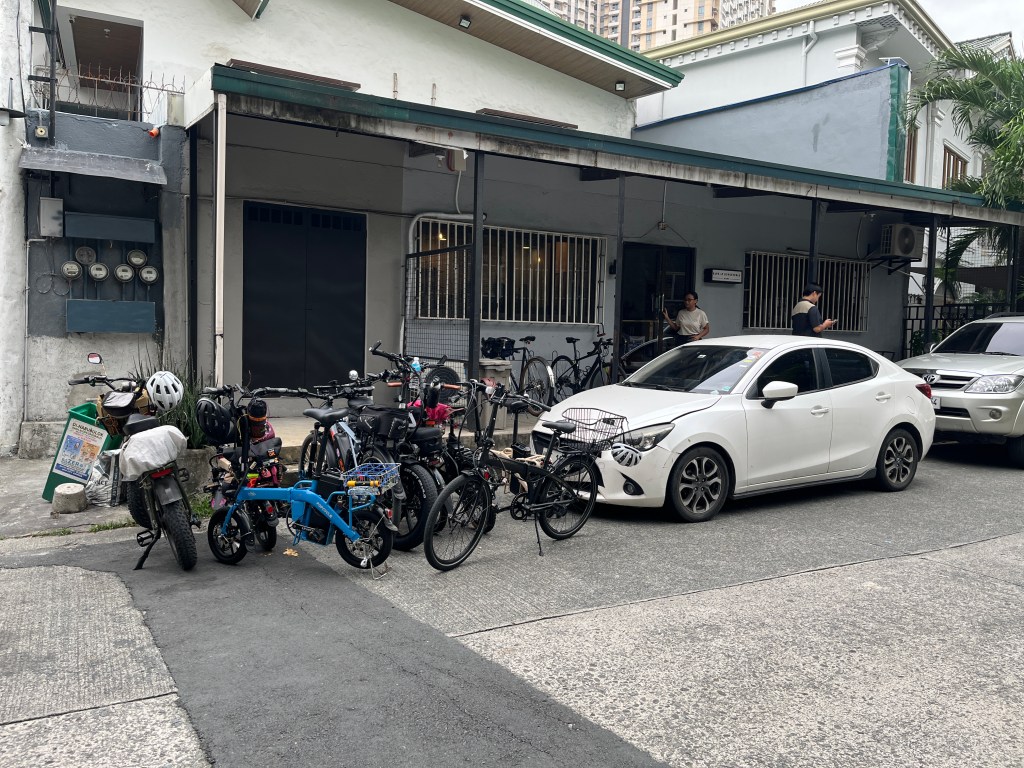
Cycling is a great alternative because it’s three times faster than walking. And with the choice of e-bikes and other LEVs, the ahons doesn’t have to be tiring anymore. Establishments will never supply enough space for car parking. But putting up a simple bike rack opens the door to many more customers on bicycles.
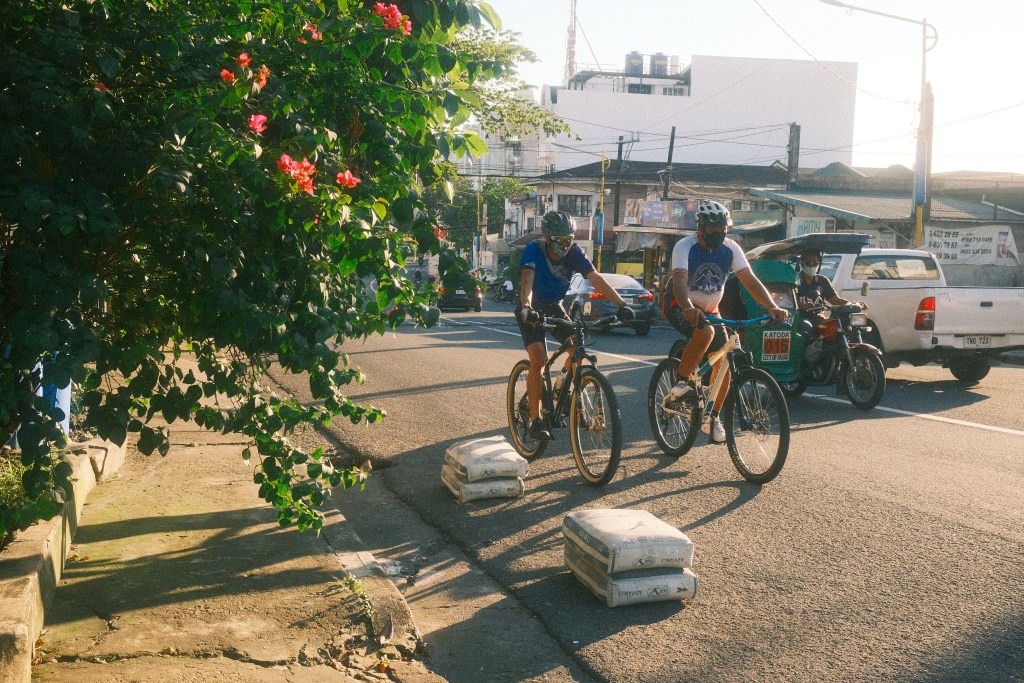
These are already safe modes of transport and implementing Slow Streets (with a maximum speed limit of 30km/h or even 20km/h) will significantly reduce the risks for vulnerable road users—especially the many seniors and kids on the street.
A preventable tragedy
The tragic part is this: Rather than coming up with solutions to fix the problem, authorities are exacerbating it.
The Pasig LGU has accepted Barangay Kapitolyo’s role as a bypass role, which is why TPMO enforcers clamp cars parked on the main road, and are stationed to facilitate smooth flow of traffic around the bridge.
The deeper loss is that the residents have now accepted this as normal. They were the first ones to protest against the bridge, and now they’d be outraged if their access to it were lost.
As you can see, Barangay Kapitolyo has a lot going for it, and there is much that can be done to make life better for its residents. I’ve shared some concepts. But in order for them to turn into a solution, there needs to be a collaborative effort among stakeholders. That is the real hard work that not many would like to do.


2 responses to “Barangay Kapitolyo is an eroding frontier of a healthy neighborhood”
[…] dangerous. The design favored vehicle flow over human movement. As a side effect, the residents of Brgy. Kapitolyo are the victims of this […]
[…] The Nakto Flex has five pedal assist levels and is capable of reaching speeds up to 30kph. Level 3 would be the e-bike’s sweet spot as riders can bike at a speed of 25kph, and it is powerful enough for climbing hilly places like Kapitolyo. […]