
To have a deep sense of heritage appreciation is to learn to walk the path our ancestors did. Sometimes literally.
On the last weekend of May, I joined Renacimiento Manila‘s walking tour of Malolos, Bulacan. While I’ve visited most of the places we entered several years ago, I had a renewed appreciation of the cradle of Philippine independence, and realized that walkability and heritage appreciation go hand-in-hand.
From Church to Home

Many of the RM tours in Manila, both walking and cycling, are similar to what we experienced in Malolos, but more centered on the importance of the Pasig River in Philippine colonial society, stressing the current anti-PAREX movement as well as other road projects in the name of “urban development.” For this trip, the route seems to reignite a sense of appreciation for our architectural legacy.
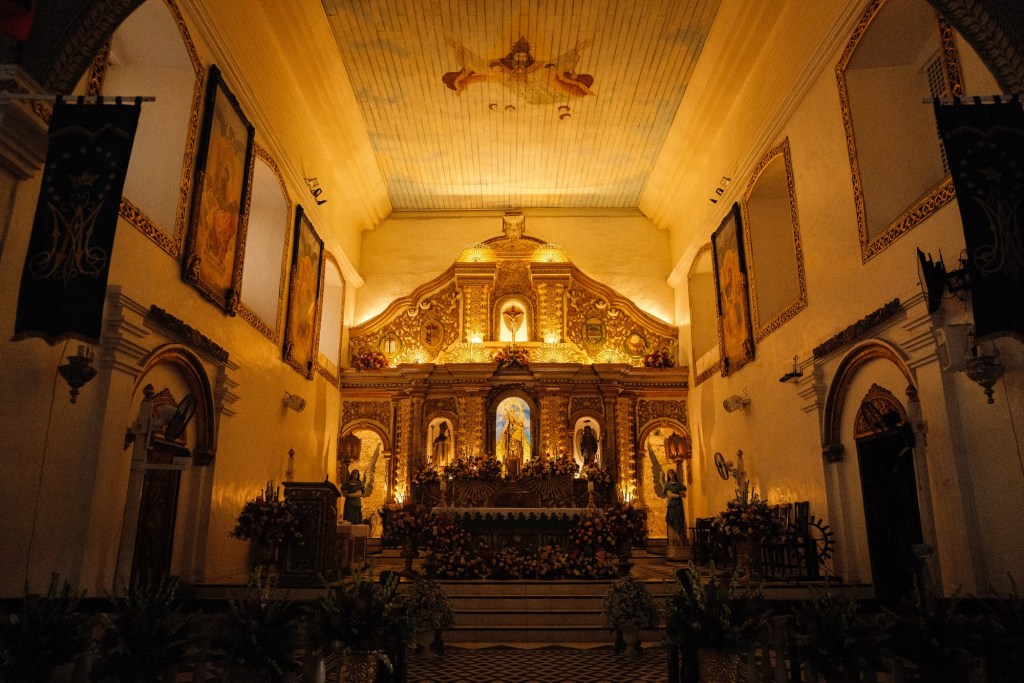
The itinerary was designed to imitate the movements of a person who was walking back home from church. Our tour started in Barasoain Church, then to Casa Real, the Malolos Cathedral, and to two heritage homes: Dr. Luis Santos House and Bautista House.
Barasoain Church is known not only for its stone facade and bell tower, but also for being the birthplace of the First Philippine Congress in 1898. On the other hand, Casa Real stands as a museum showcasing shifting colonial occupations and administrations that shaped Malolos’s civic life across centuries. Not far away, the Malolos Cathedral stands as a reminder of serving as the presidential palace for General Emilio Aguinaldo.
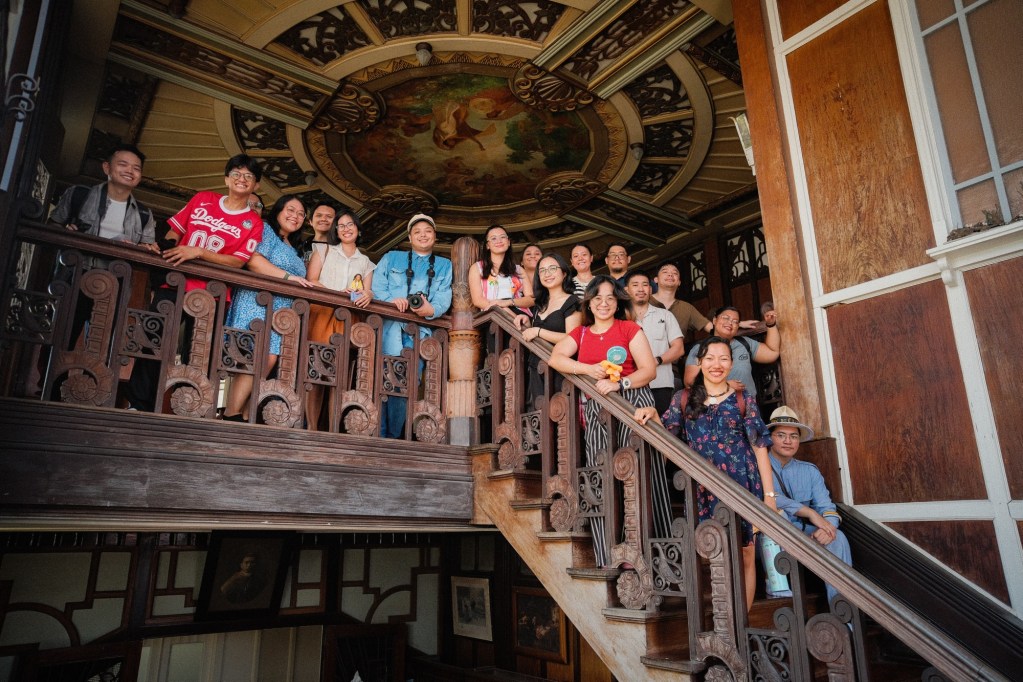
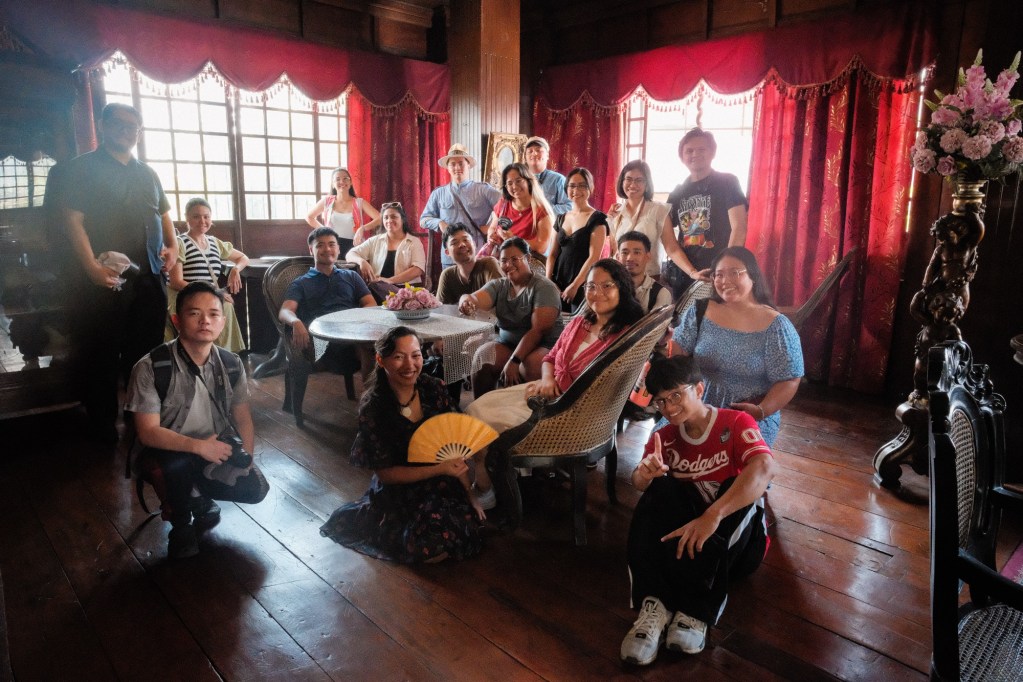
Walk away from the hubbub of the city center, and you’ll find yourself admiring the stone houses dotting the inner streets of Malolos.
The Dr. Luis Santos House is a breathtaking monument to the Art Deco era. From its geometric exterior to the exquisite interior murals painted by Fernando Amorsolo, the house is a rare jewel of mid-20th-century Filipino modernity. The Bautista House, in stunning contrast, features neoclassical lines and intricate details, telling a story of an affluent, intellectual class that fueled a revolution.

Yet, as the day progressed, I felt that the trip turned into a lesson in urban design as much as it was about heritage appreciation. In one day, I realized that Malolos is a testament to a vital urban truth: we cannot fully honor our past if we do not make our historic spaces safely walkable for the people who inhabit them today.
The Tension of The Present
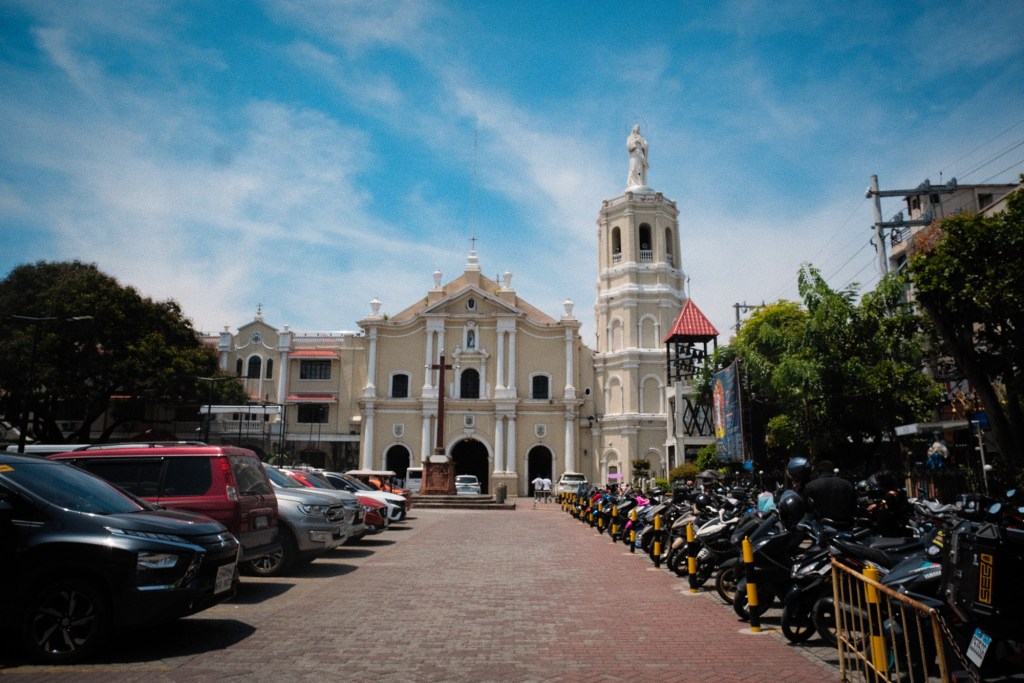
As I gazed into these towering structures, I felt a sense of pride. Filipinos of the past built all of this. And yet, as I look at the plaza of the Malolos Cathedral, at all the cars, that pride disappeared. These places were once built for people. Why did cars take over?
For all its cultural and historical wealth, Malolos’s infrastructure has become aggressively car-centric. I could not find a sidewalk that was wide enough for two people to walk abreast, or one unoccupied by parked motorcycles. Roads were so wide that crossing to the other side felt like being in Metro Manila. Cars wouldn’t always stop even if a pedestrian was crossing towards the church.
The smaller, narrower streets were more forgiving, much quieter. Easier to focus on heritage appreciation. Away from the main thoroughfares, these streets are largely devoid of cars and feature some aspects of micromobility: bikes, pedicabs, fellow pedestrians. It looks like the community itself inherently wants to walk; it naturally claims these spaces on foot. The tragedy is that the built environment fails to protect them when they venture toward the city’s major heritage corridors.
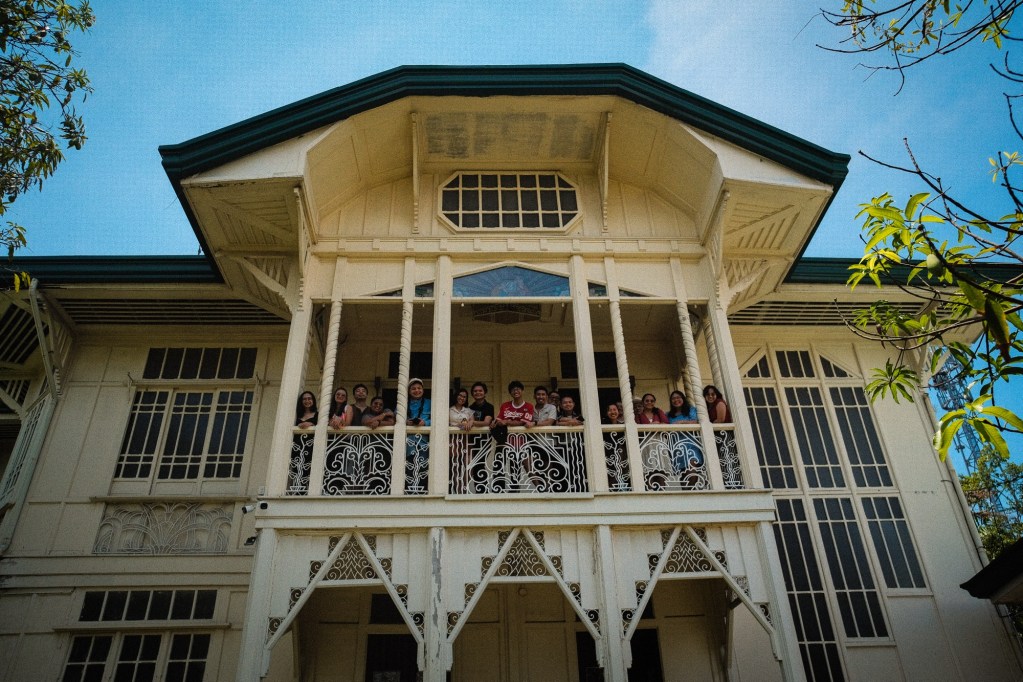
Trees were also few and far apart. Most of the trees I did see were inside the sites we visited. Outside these properties, people looked for shade underneath makeshift awnings, the shadows of roofs, and the arches of homes. The street was baking underneath the noonday sun, and so were we. It’s a stark reminder of how human-scaled public space turns into an oven for the sake of road widening.
How can we continue heritage appreciation when we cannot walk safely and comfortably to and from these spaces? Truly, there is a clear disconnect when a city’s historic sites are separated by streets that have devolved to only accommodate the car. Malolos and other cities with strong historic significance deserve better than this. The people living in these historically significant locations deserve better.
I’m starting to wonder if cities like Malolos and more parts of Manila should adopt an open-air museum approach to urban design to alleviate the negative effects of autonormative modernity. Treat these as places to be visited and appreciated by public transit, by foot or by bike, not by cars.
Heritage Appreciation May Also Mean Claiming Space
My time in Malolos is a reminder that Philippine architectural heritage is beautiful and deeply worth defending. But the realities of modern “development” keep us away from truly knowing and understanding our past.
True heritage appreciation must expand its scope beyond structural restoration. Master planning for historic urban centers plays a huge part in heritage preservation as well.
To truly honor everyone, from the nameless builders to the pantheon of the country’s revolutionaries and thinkers, who shaped places like Malolos, we must fight to restore historic cities for human movement. Until we can proudly claim our space on foot, our history will remain just out of reach.


Leave a Reply