Gaslighting is a form of psychological manipulation where the recipient is made to question their sense of reality. On the other hand, victim blaming is when the victim is held responsible—whether partially or fully—for the harm that befell them.
These are tactics employed in abusive or harmful relationships. However, they apply just as much to bike commuting. As they say, cycling is political.
Why all the hate?
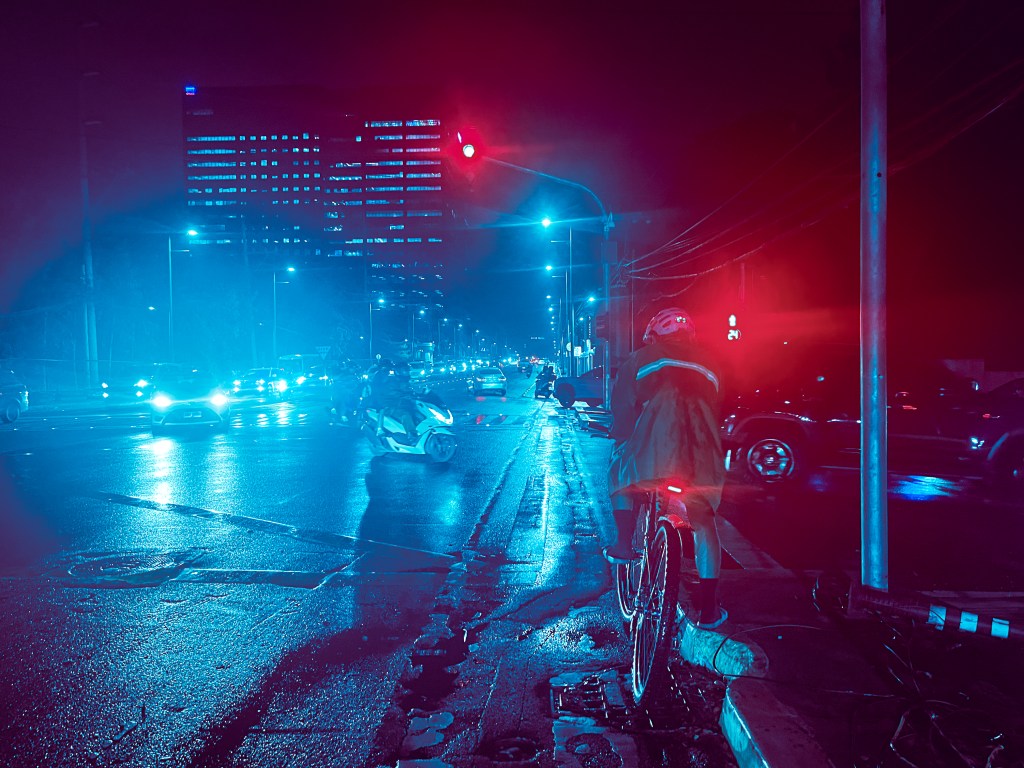
After I discovered my personal freedom in bike commuting, it didn’t take long before I experienced the ugliest parts of being part of the advocacy. If all we want to do is ride our bicycles in peace, then why is it such a big problem for the people around us—whether on the road or online?
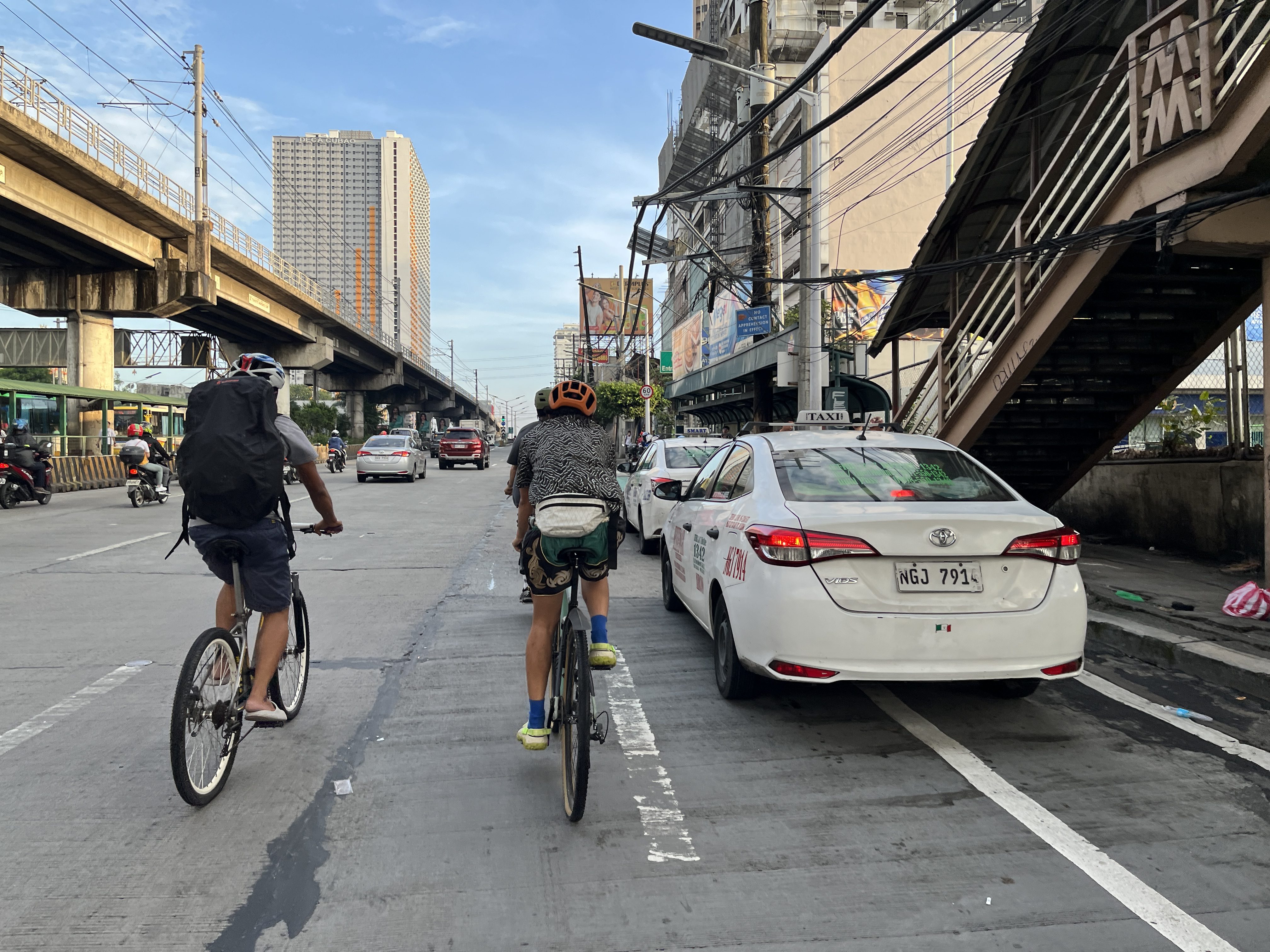
I realized that no matter how “correct” I tried to behave on the road, drivers would get mad at me. If I stayed in the outermost lane, drivers would block the bike lane, or cut me off whether they were turning right (also known as a right hook) or exiting a driveway. If I were in the innermost lane—because I was preparing to turn left—people would get angry thinking that I’m hogging the fast lane (when no such thing exists in the city).
Wait at the red light, and there’s a chance the person behind you will honk at you to move away, so they can turn right. Run through the red light, and you get labelled as a “jempoy”, who deserves to get run over (motorists also disregard traffic lights, by the way). And if you don’t wear a helmet when bike commuting, you’re a daredevil trying to throw away your life (but no one polices anyone over wearing seatbelts).
The automobile bias
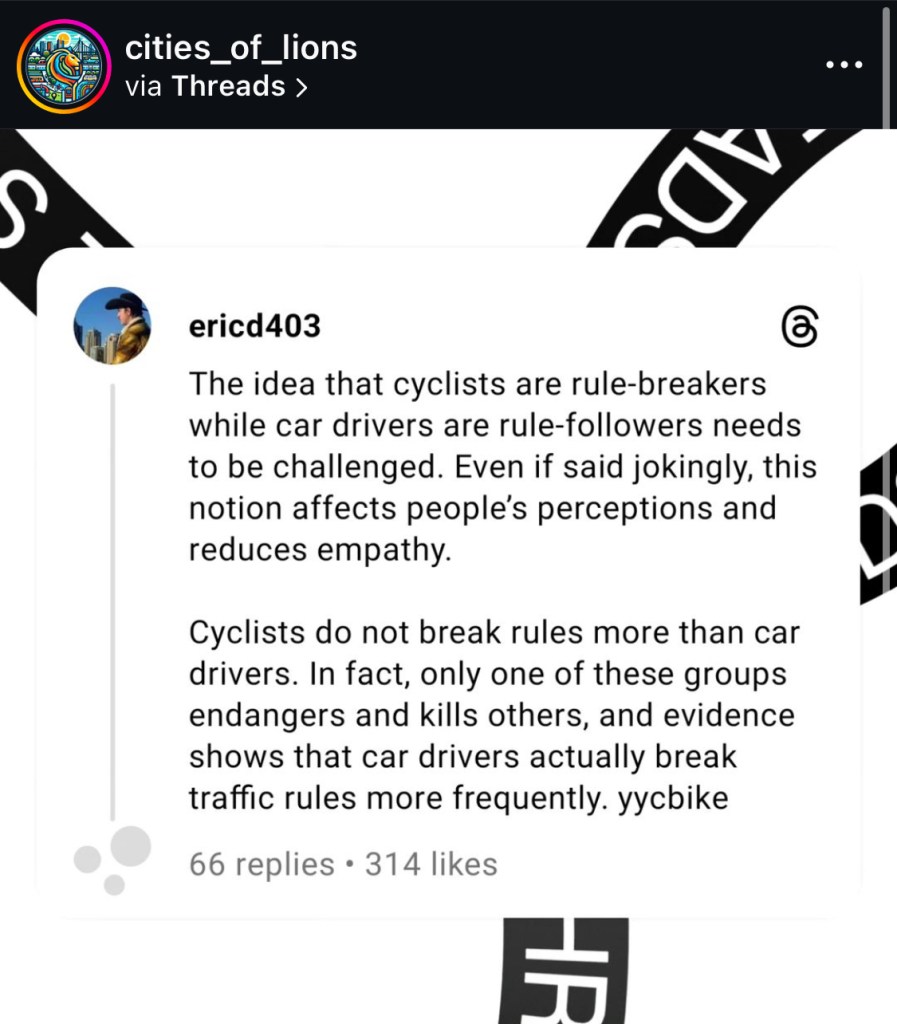
Motonormativity is the term referring to the double standards that favor automobiles and are biased against vulnerable road users such as pedestrians and cyclists. Dangerous driving is treated as normal, yet people are quick to be vigilant over the perceived infractions of cyclists and pedestrians. Cars and motorcycles are involved in the most road crashes, yet authorities would rather ban light EVs (and even bicycles) on the road, if given the chance.
Everyone says we need to be responsible and law-abiding for the sake of safety, and that cyclists should be subject to the same rules as motorists. But when you actually dissect the car-brain, you’ll observe that they do not actually know the law they are speaking of.
They just want you out of their way.

What does it mean to be vulnerable
It’s infuriating that I’m damned if I do, damned if I don’t when bike commuting. And this made me realize what it’s like to be vulnerable, marginalized, and oppressed. Perhaps, this sense of helplessness is somewhat similar to the sexual harassment, abuse, and violence that women experience.
Just as a helmet will not protect me against a speeding SUV, no amount of modest clothing will ever protect a woman from the leering eyes of men. Similar to how cyclists and pedestrians are treated as second-class road users, perhaps men subconsciously look down on women, like a silent bias that follows them at home, school, the workplace, or public spaces.
Just like how cyclists always have to adapt to motorists, women have to adjust around men. Seeing this logic, I can only imagine the struggles faced by women on bicycles.

No blood, no foul
The worst part about all of this is that, despite clear intentions of malice or utter negligence, the law does not act until something bad has actually happened. However, do you need to wait for a fire to burn down your house before you do something about the blaze?
Going back to the two terms. Gaslighting is when motorists use “Share the road” as an excuse to infringe on bike lanes. And when a collision occurs, they will blame a cyclist for their lack of awareness, helmet, and/or visibility.
Abuse tends to be defined as if it were a single, one-time act. However, based on my experience, I believe that it is a pattern that is left unchecked.
A martyr for road safety
There were times when I vented to colleagues—who are vocal about road safety on social media—about my near-death experiences on the road because of dangerous drivers. Although they were glad that I wasn’t harmed, they didn’t realize the gravity of the situation.
It’s like hearing your kid say they’re being bullied, but not addressing the bully. This straight up feels degrading, as if they don’t care if I get killed on the road. Do I have to be “martyred” just for people to realize this?
What does it mean to ride safe?
As a result of all this, I no longer bought into the narrative of “policing” other cyclists to keep them in check. I’m not saying rules are inherently bad, but following them is pointless when they don’t protect you.
That’s why I don’t say “follow traffic rules,” but rather “follow traffic rules when practicable”. Following the same rules as motorists is senseless when too many of them don’t even respect your space and right to the road.
When I got roasted on social media over a video of me cycling on EDSA, I wrote an article in response. My main point there was to do whatever it takes to keep yourself safe — because no one’s going to watch out for you on the road.

Unity in community
Despite the challenges and risks faced by bike commuters, whether online or on the road, those do not diminish the freedom that cycling empowers people with. With so much negativity on social media, the cycling community must look out for each other, especially when one too many individuals want nothing but harm to befall us.


![It was a monster ma[tch] 🧟♀️🚲](https://scontent-iad6-1.cdninstagram.com/v/t51.82787-15/730226602_18024317312837675_6879480338171542182_n.jpg?stp=dst-jpg_e35_tt6&_nc_cat=100&ccb=7-5&_nc_sid=18de74&efg=eyJlZmdfdGFnIjoiRkVFRC5iZXN0X2ltYWdlX3VybGdlbi5DMyJ9&_nc_ohc=KlDaUGr0ygwQ7kNvwErQ6h9&_nc_oc=AdocI0aTaPBKUp8knOMXuEO_pAQVTcZ8RrimmVX2B0eCQbgUC274xabFyW_vS4dDTsU&_nc_zt=23&_nc_ht=scontent-iad6-1.cdninstagram.com&edm=ANo9K5cEAAAA&_nc_gid=GXxDOo522yqKnY8y8s6N3A&_nc_tpa=Q5bMBQFxHblMVJ-RxS9hv1c6bHLGBL3806ENHHvkunEBvePhR4zSCxHHfmfBdb7_x7xTLKleVu1TkXlAwA&oh=00_AQBh63SoDh0mNPPR6ingrHWTO7USGYnA2dKRritD8P_2eQ&oe=6A67CA3D)
Leave a Reply