Facebook Marketplace is like a box of chocolates. You don’t know what’s going to pop up next, and there’s no end to the interesting items for sale.
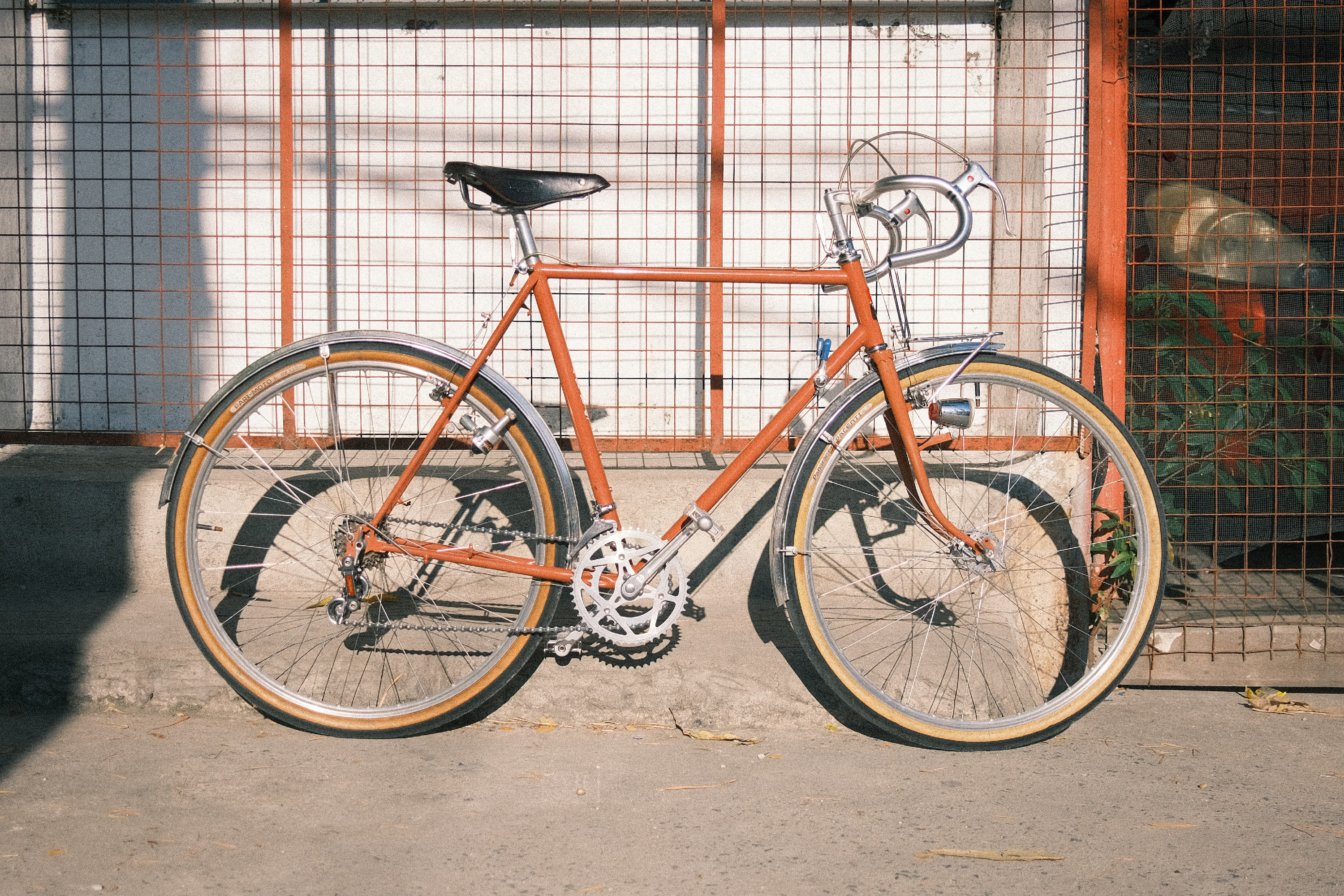
At this point, I thought I’d seen everything as far as classic bikes are concerned. But I was caught off guard when I saw a listing for an Alps Quick Ace rando bike. Three things immediately stood out: The model year was from 1968; the price was P55,000; and the bike looked clean and smooth for its age.
Considering that my Bridgestone Eurasia was P30,000, I began investigating why this classic bike cost much more than mine. Turns out the history ran much deeper than I’d imagined. My curiosity was piqued to the point that I visited the seller, who’s also a friend of mine, just to try the bike and see if its ride quality was worth the prestige.
I hoped that I’d like the bike, but not too much that I’d buy it.




History of rando bikes
Rando bikes first appeared in the 1930s and 1940s when frame builders such as Alex Singer and René Herse created custom bikes for randonneuring (or self-supported long-distance cycling). They were exquisite pieces of craftsmanship that were technologically advanced for their time.
Although they look like road bikes, rando bikes have distinct features to ensure maximum convenience and comfort when riding out in the French countryside: 650b wheels for a plush ride, a front rack to hold a bag, a dynamo for continuous lighting, a pump holder on the frame, and a chain holder for easy rear-wheel removal.
Eventually, these bespoke bicycles made their way to the shores of Japan. Just as Canon and Nikon started making cameras by copying Leicas from Germany, the local framebuilders studied these rando bikes and started making their own.




What is the Alps Quick Ace?
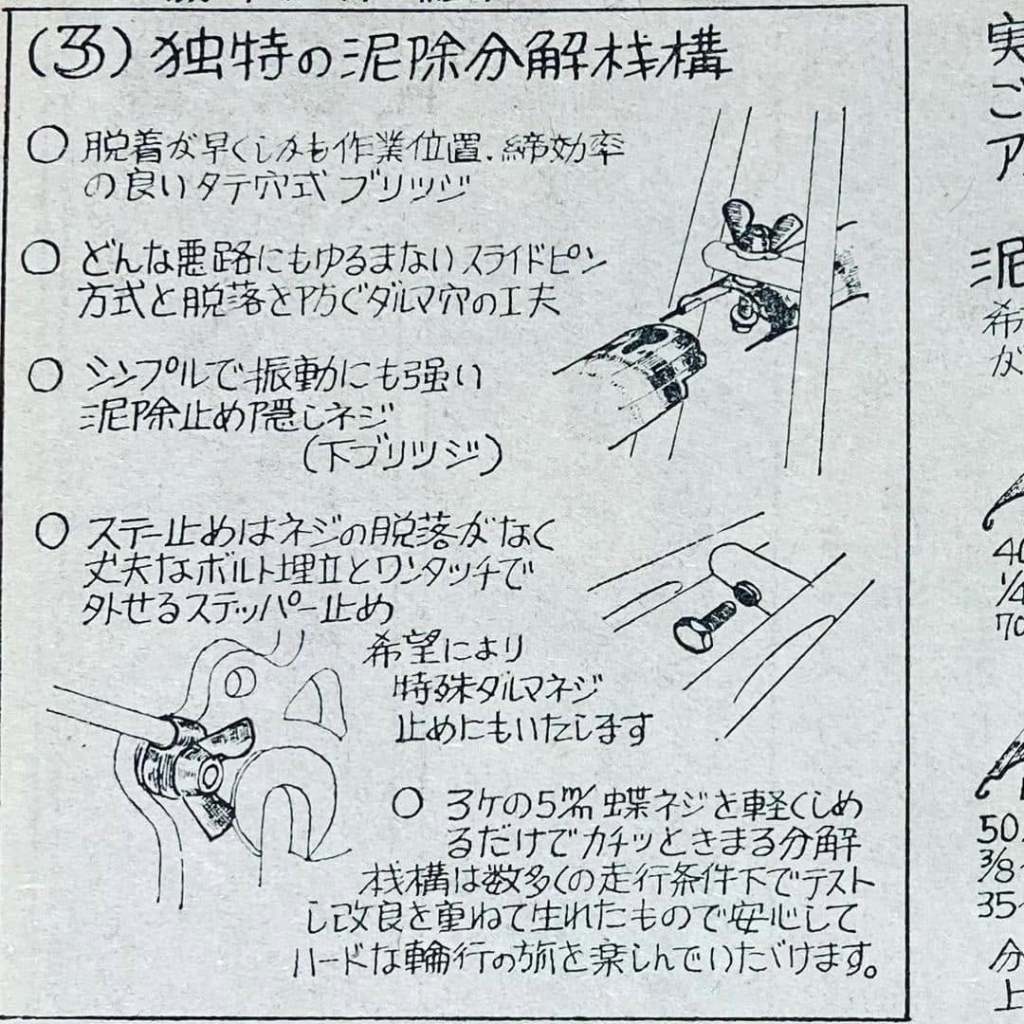
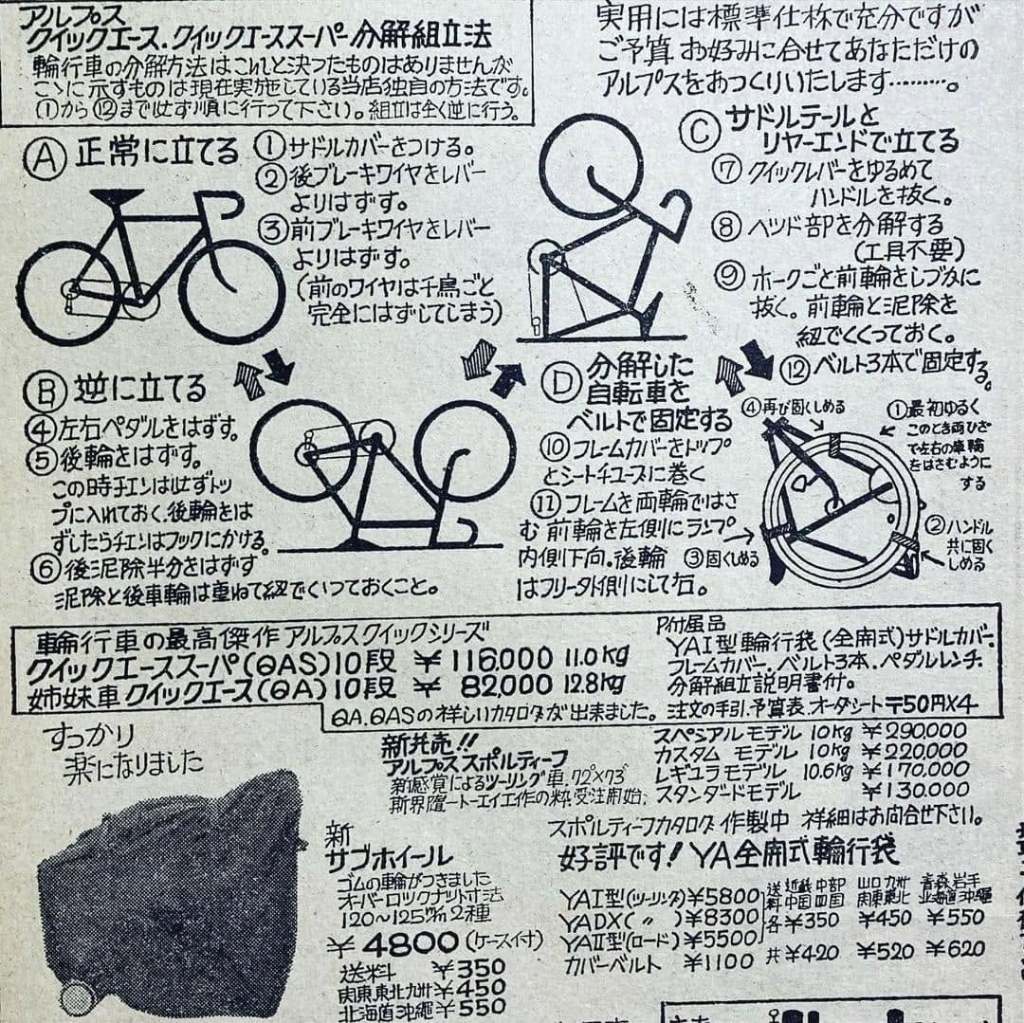
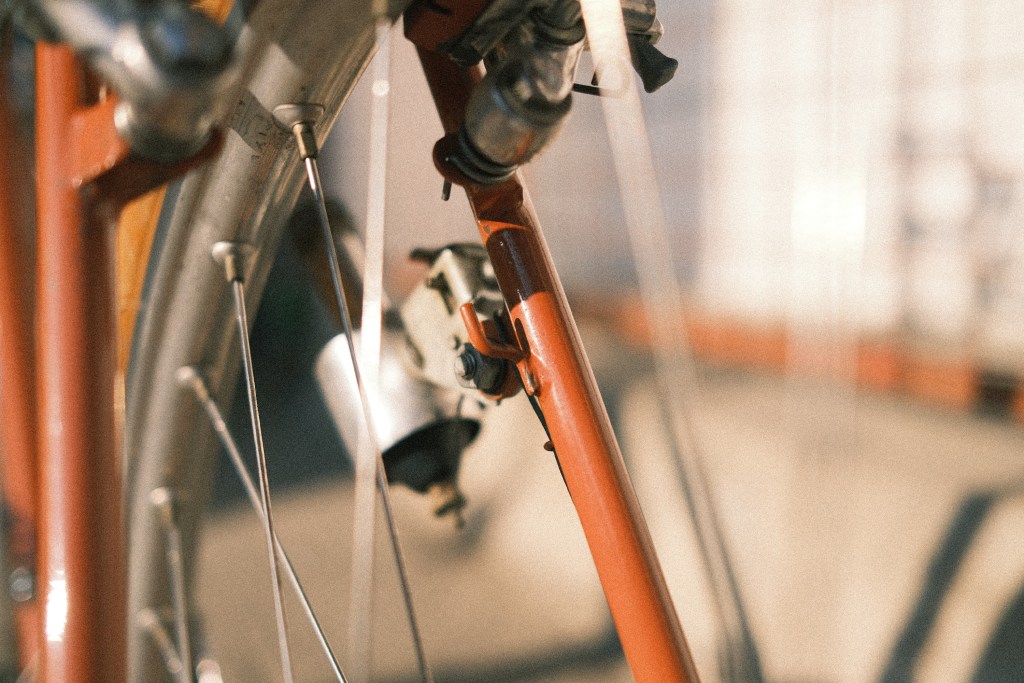
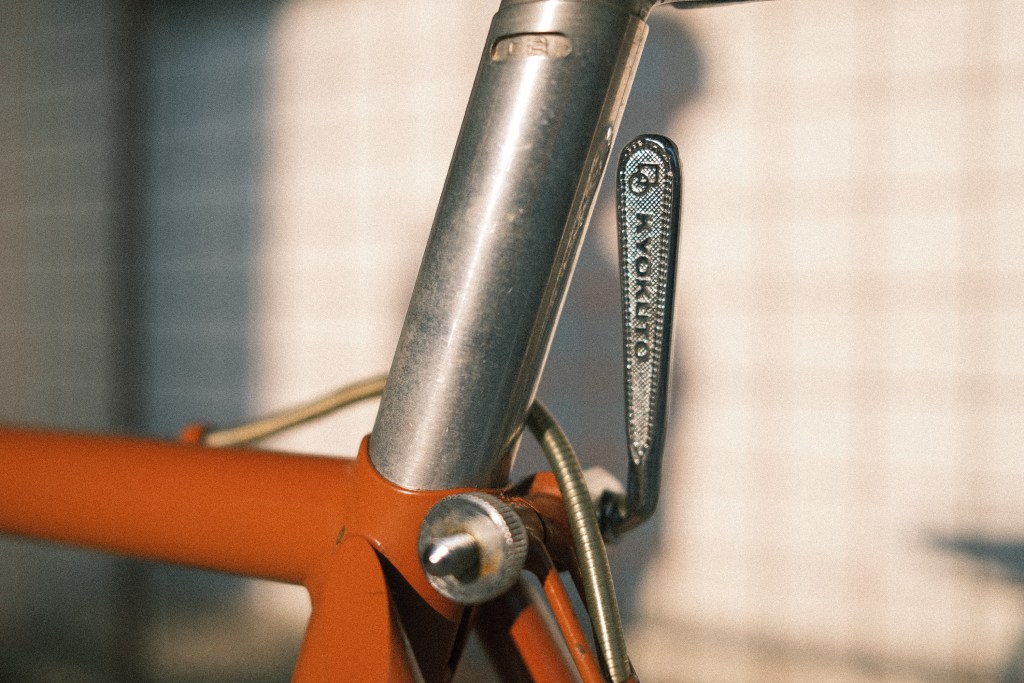
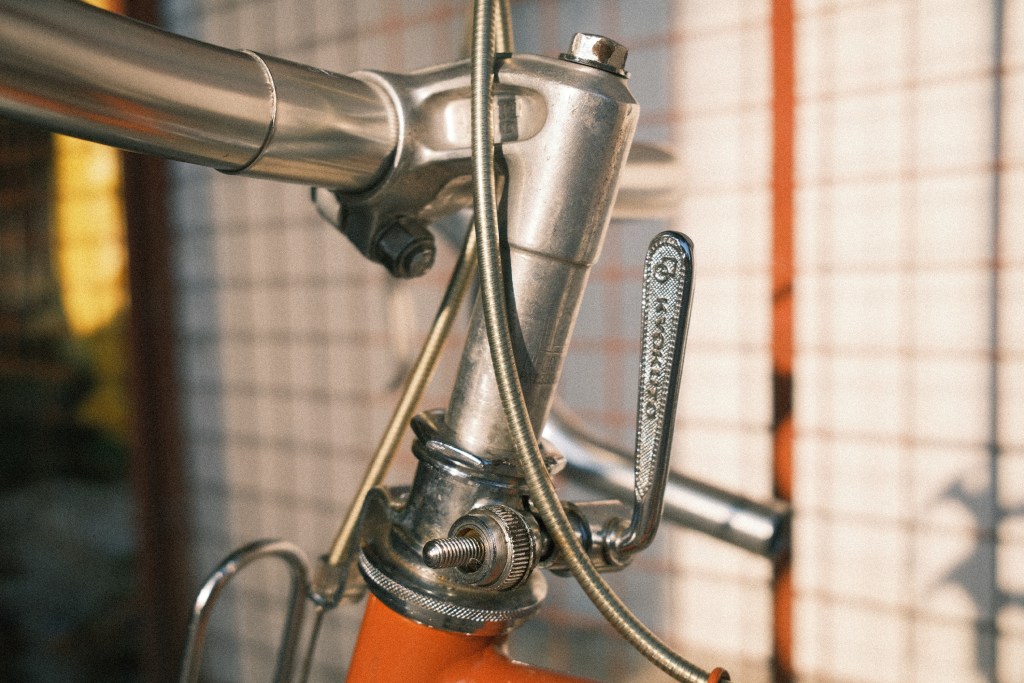
The Alps Quick Ace is considered to be one of the most highly collectible models from Japan. It was designed to be a rinko bike, a touring bicycle that could easily be packed into a bag and loaded into a train. Hence, the quill stem uses a quick-release handle instead of the usual expander bolt.
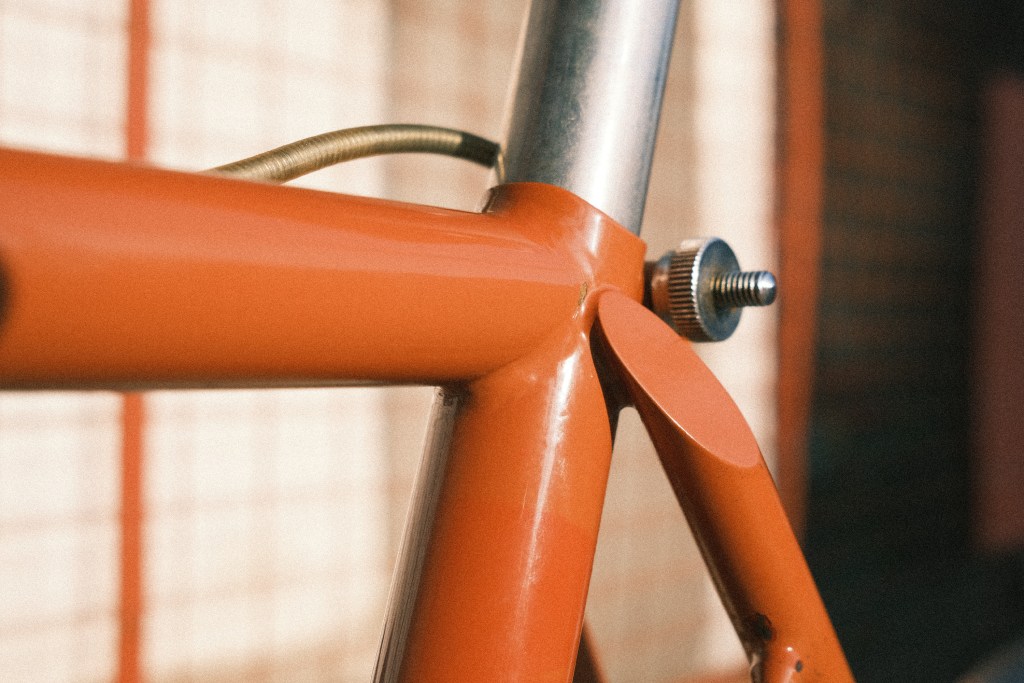
Whereas classic bikes are valued for the lugged framework, the Quick Ace lacks any lugs. Instead, the frame was constructed through brazing with brass as the filler metal that joined the tubes together. This stands as a testament to the craftsmanship of the people in Alps.



Specs of the Alps Quick Ace
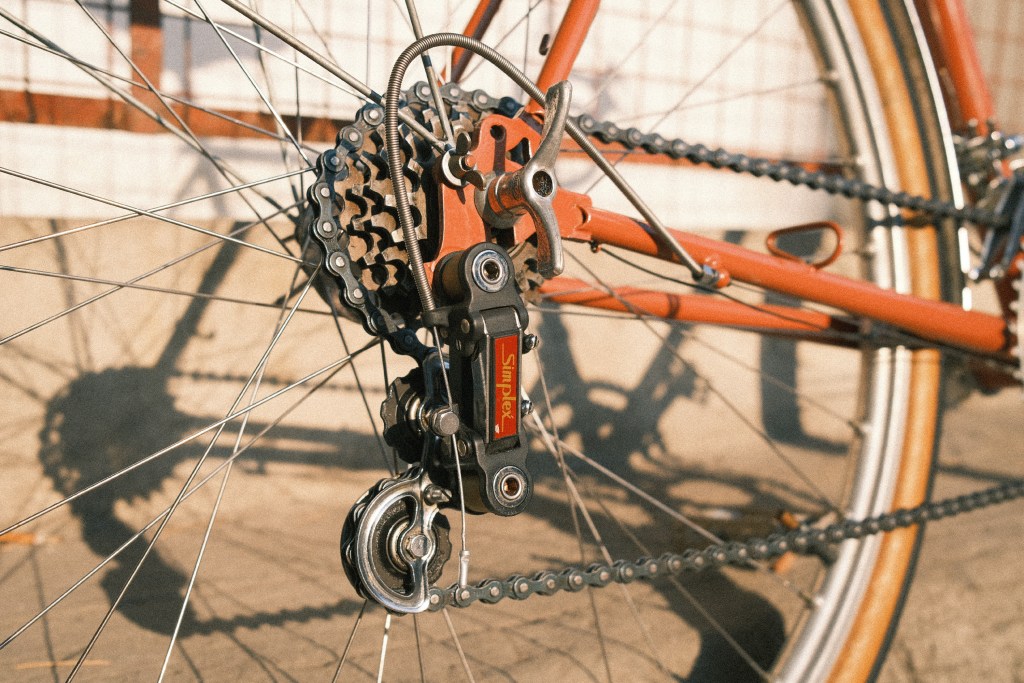
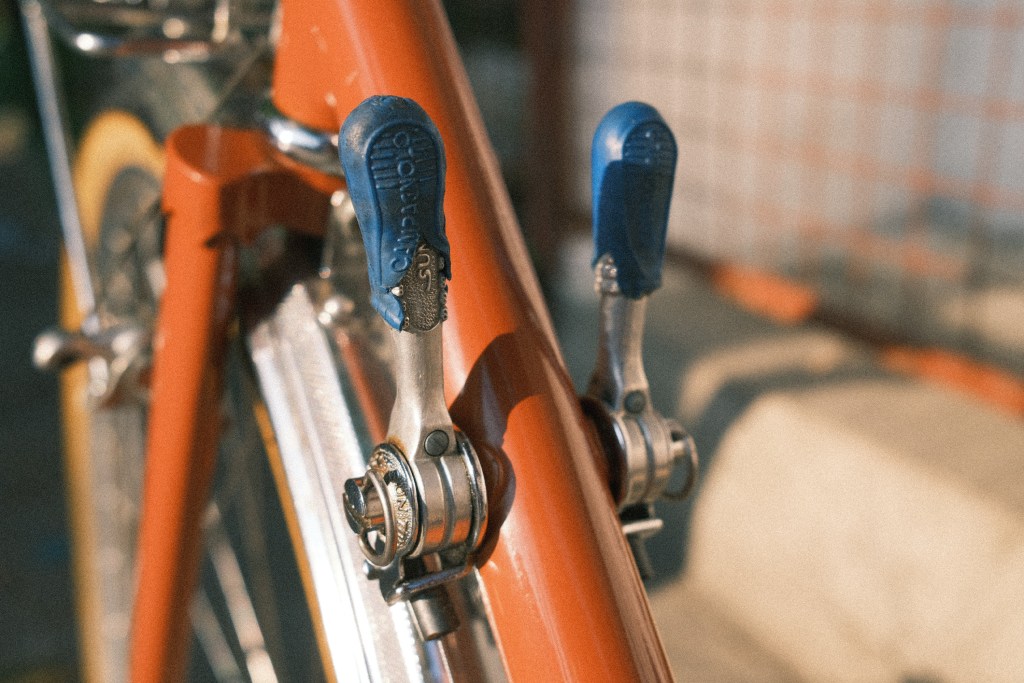
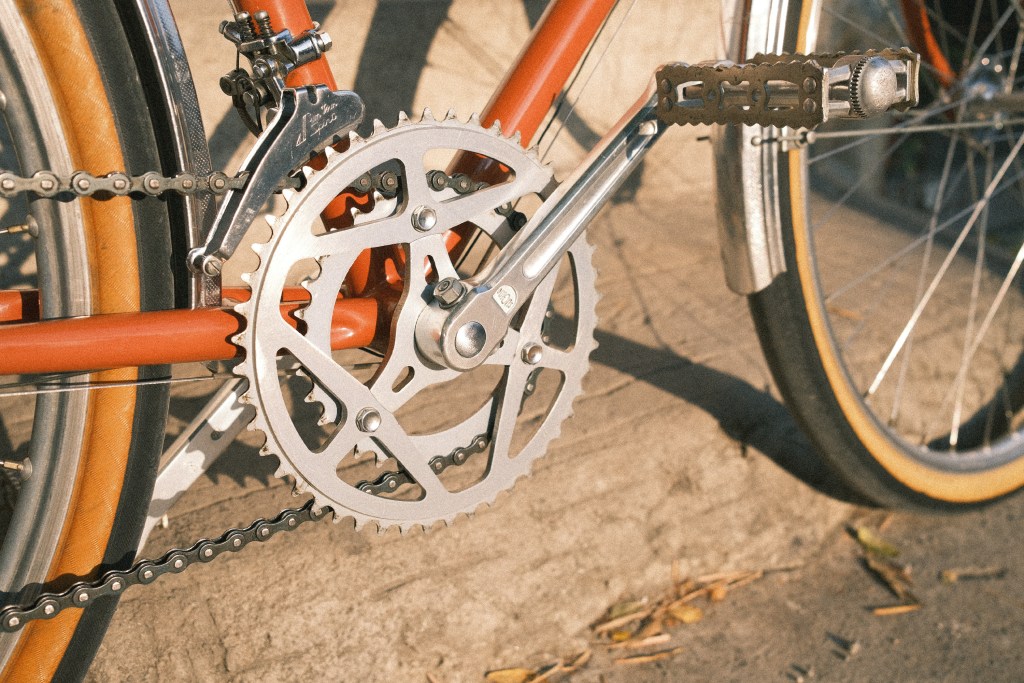
The build is estimated to be 80% stock, but 100% period correct. The drivetrain consists of downtube shifts, five-speed cogs, a French Simplex rear derailleur, a Suntour front derailleur, and a Sugino 2x crank. The crankset is antiquated since cotter pins are used to secure the crank arms to the bottom bracket. Meanwhile, stopping power is provided by Dia Compe cantilever brakes.
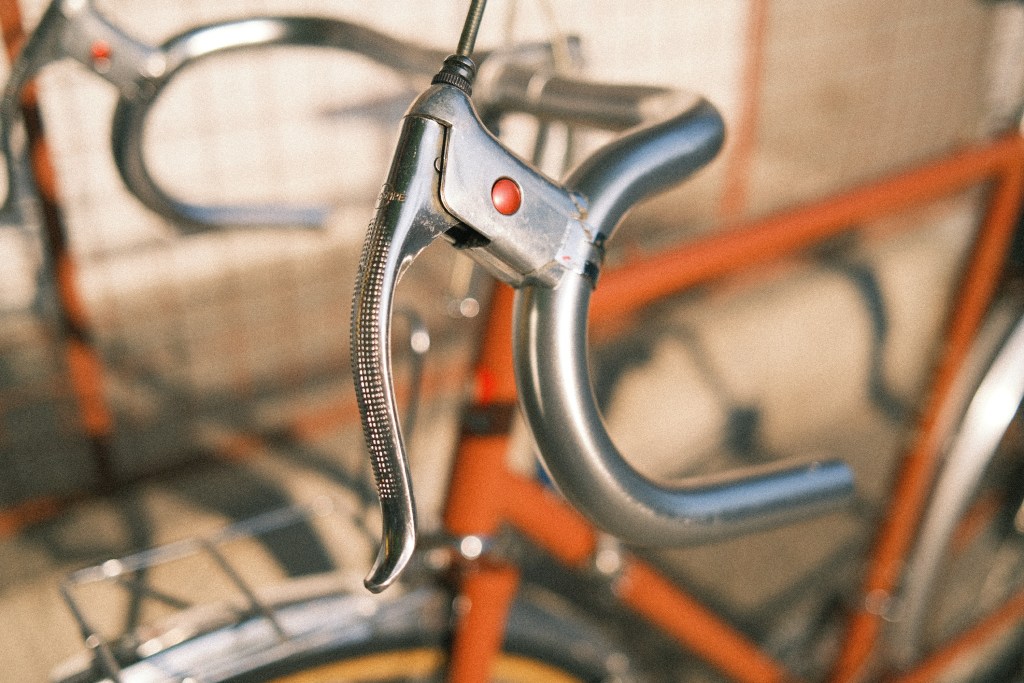
The cockpit is pretty much what you would expect from a vintage bike with the Fujita Belt leather saddle (reminiscent of a Brooks B17), a fluted quill stem, the Nitto Grand Randonneur drop bars, and Dia Compe non-aero brake levers.

Ride quality of the Alps Quick Ace
According to the owner, the frame has a 55cm seat tube but a 53cm top tube, making the riding position upright. I noticed this immediately upon mounting the bike. With classic drop bar bikes, you don’t hold the hoods unless you’re braking. Instead, your hands will spend most of the time gripping the ramps or the drops.
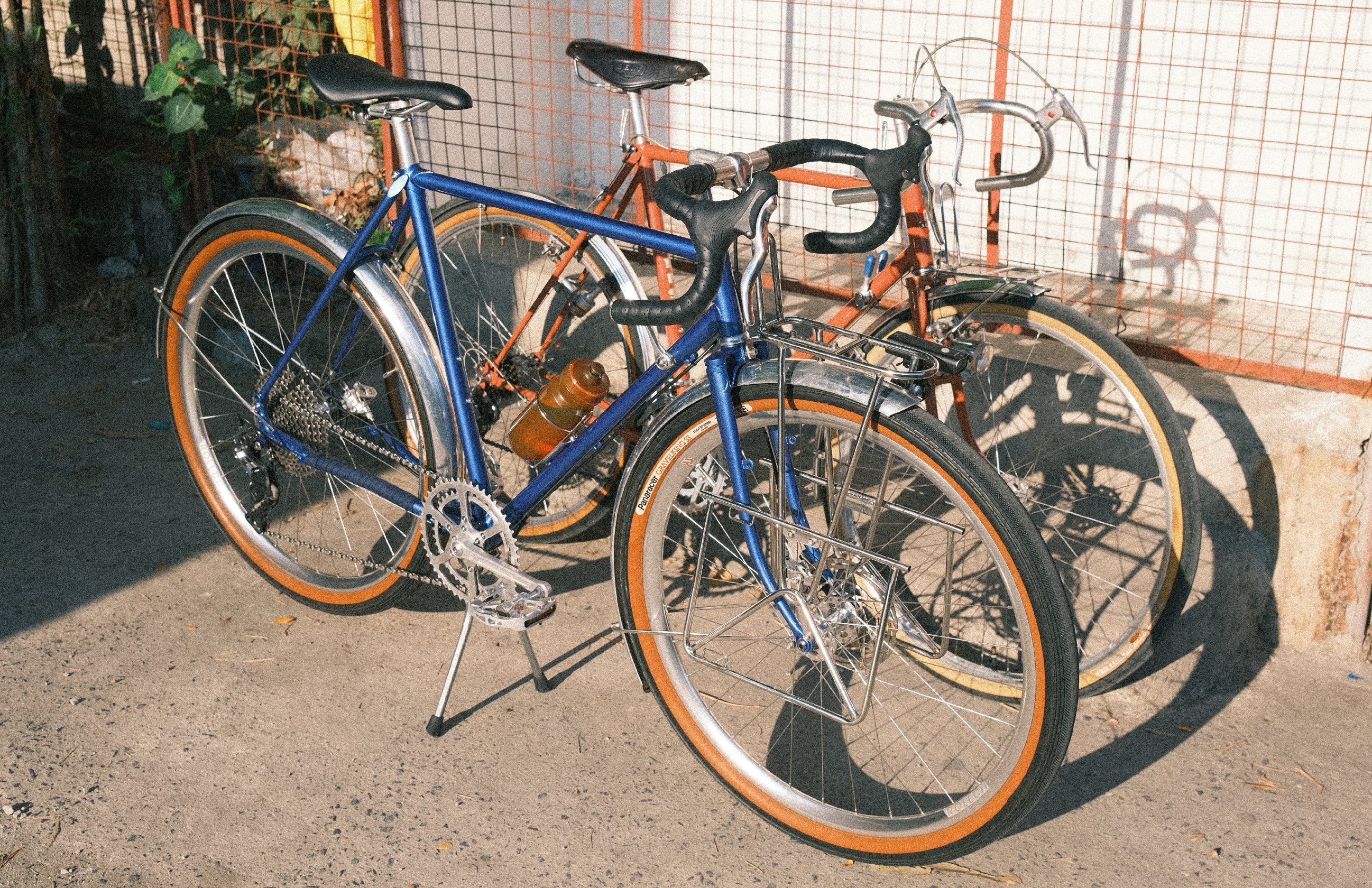
The next thing I noticed upon pedaling the Alps was the ride comfort. Most of the rando bikes I’ve tried were 700c with thin tires, so it was refreshing to feel the plush 650b by 42mm rubber. It really makes me wonder why 650b disappeared for a long time.
I had a hunch that the Alps Quick Ace would be a better commuter bike than most roadies, and I was proven right. Despite its age, this bike holds its own against many modern bikes thanks to its ride comfort and versatility. I just wish the gearing were lighter, but that could be done by putting a crank with a smaller granny gear.
Did I buy the Alps Quick Ace?
As much as I liked this Alps Quick Ace, buying it was a completely different story. Although bikes are easy to maintain, owning one still carries a form of commitment of varying degrees. The older the bike, the bigger the hassle.
Even if nothing was to be modified on this rando bike, there were still a few important considerations. How will I decide between choosing to ride the Alps or my Bridgestone Eurasia? Will I actually enjoy riding this bike regularly? What if there was a more valuable rando bike out there? When the time comes to have the bottom bracket overhauled, will there be a mechanic to service it?
The price of P55,000 is normal for an entry-level gravel bike from a reputable brand, but it’s pretty steep for a vintage bike—even with the pedigree. If I took the plunge and bought the Alps Quick Ace, I’d have to accept that the bike will most likely be stuck with me for life.
Given the high cost of living and ever-increasing prices of commodities, I figured that it was wiser to just appreciate the bike for what it is, and be content by enjoying the bikes that I already own. At the end of the day, the value of cycling isn’t found in our bicycles but in the memories that we create with them.


Leave a Reply