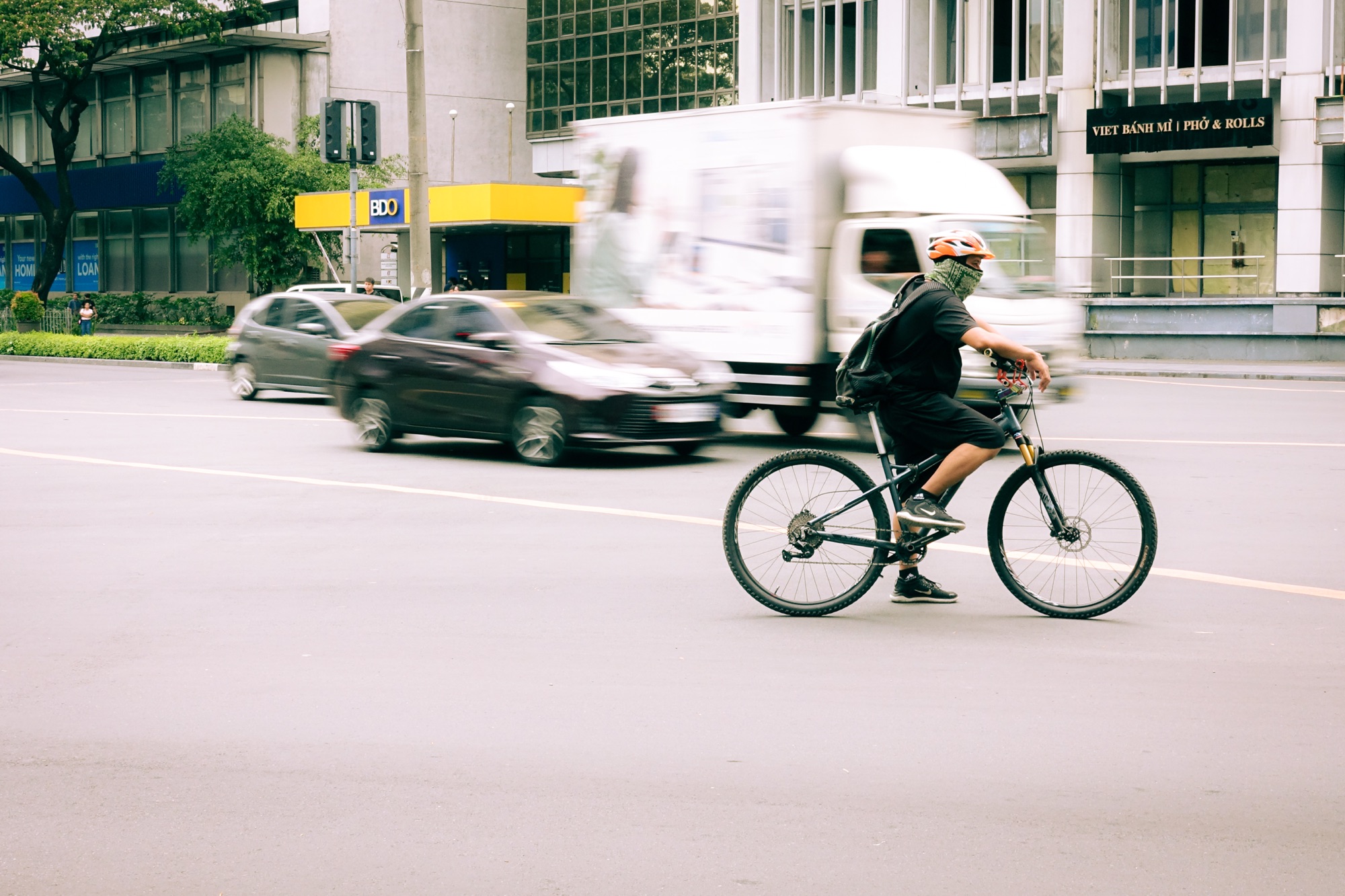
Happy World Bicycle Day!
Bike commuting is often framed as an “alternative mode” of getting around. But for us regular bike commuters who navigate the city like a dungeon crawler in hard mode with permadeath turned on, it’s not. The traffic, the heat, and the unpredictable drivers… even with NCAP reinstated, Metro Manila becomes something else entirely.
It becomes a lens for understanding how our cities actually work.
I’ve ridden through enough parts of the capital to know that it doesn’t treat everyone equally (I’m looking at you, North and South Caloocan). When you’re on a bike, you feel that immediately. The road surface, the traffic flow, the sheer indifference of cars and motorcycles honking, side-sweeping, or close-passing you. Sometimes on the bike lane itself.
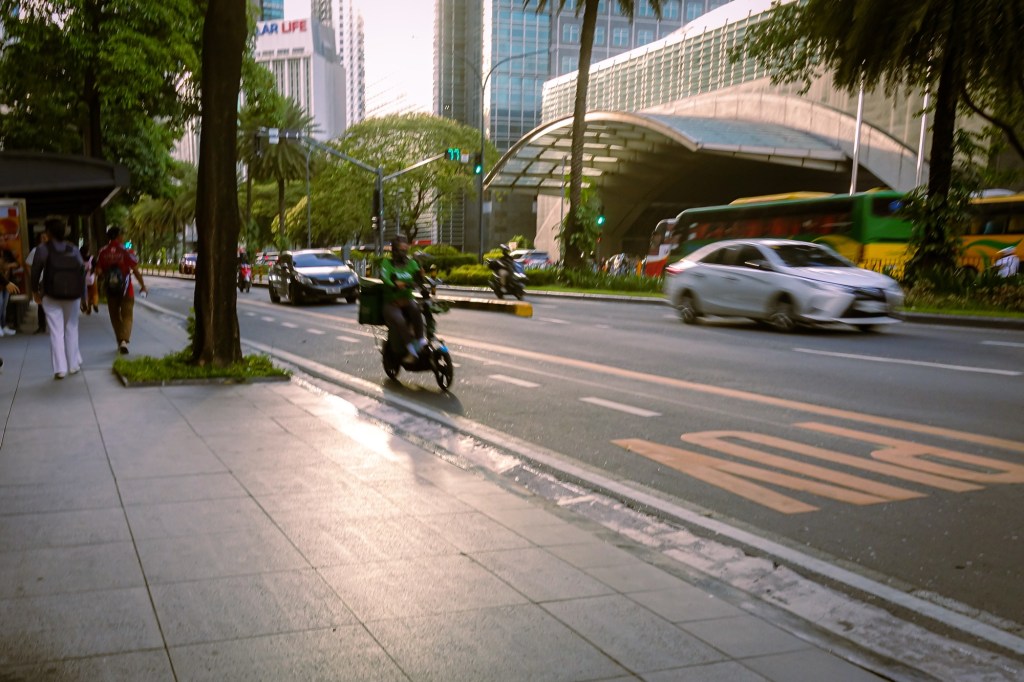
At the same time, you see the gaps that most people miss. And I mean this literally. Sidewalks that become uncomfortably too narrow for humans to use, drainage grates on bike lanes with gaps as wide as your max tire clearance, and intersections that feel like the Wild, Wild West. You learn where people “jaywalk” not because they’re careless, but because there’s no other pedestrian crossing in sight or the only available one is too far to where they need to get to (Salcedo Village I AM CALLING YOU OUT).
That’s the most honest thing bike commuting has taught me: how little space is given to anyone not inside a car.
Our cities are not neutral. They are built with priorities, and too often, those priorities revolve around motorized vehicles. The result is a city where anyone who walks, bikes, or uses public transport has to adapt, endure, and constantly stay alert in environments not designed for them.

During my rides, especially along EDSA, I share the road with workers, delivery riders, and senior citizens on bikes. These aren’t people riding for fitness: they’re riding out of necessity. And they’re some of the most vulnerable people on the road. Despite this, bike lanes remain unprotected and dangerous, often used as “express lanes” for motorcycles, especially during rush hour, in places where NCAP is not observed.
In short, our roads are clearly designed for the convenience of cars.
And when infrastructure fails the people who need it most, the design is a form of injustice. People are forced to make things work because… what choice do they have? It’s more of adapting to neglect masked as boasting resilience.

But at the same time, bike commuting shows you what’s possible. You start to imagine how things could be better: quieter streets, safer crossings, cities where riding a bike doesn’t feel like an act of bravery or survival. You experience moments of connection: exchanging “good mornings” with other cyclists or having a picnic with your friends at the park without having to take a car.
These aren’t romantic ideals because I have been doing these things myself for a while. They’re glimpses of what a people-first city could look like… if only we gave it the proper support and political will.

The point isn’t that everyone should ride a bike (we would love it if more people did, though). It’s that those who do, or who want to, deserve to feel safe. That means further improving protected bike lanes, providing interconnected routes, secure parking, and strict enforcement of traffic rules for the benefit of all road users.
It means recognizing that mobility is about dignity, equity, and choice.
A city’s values are visible in how it treats its most vulnerable road users. If we want better cities, we need to listen to what the streets are already telling us.


Leave a Reply