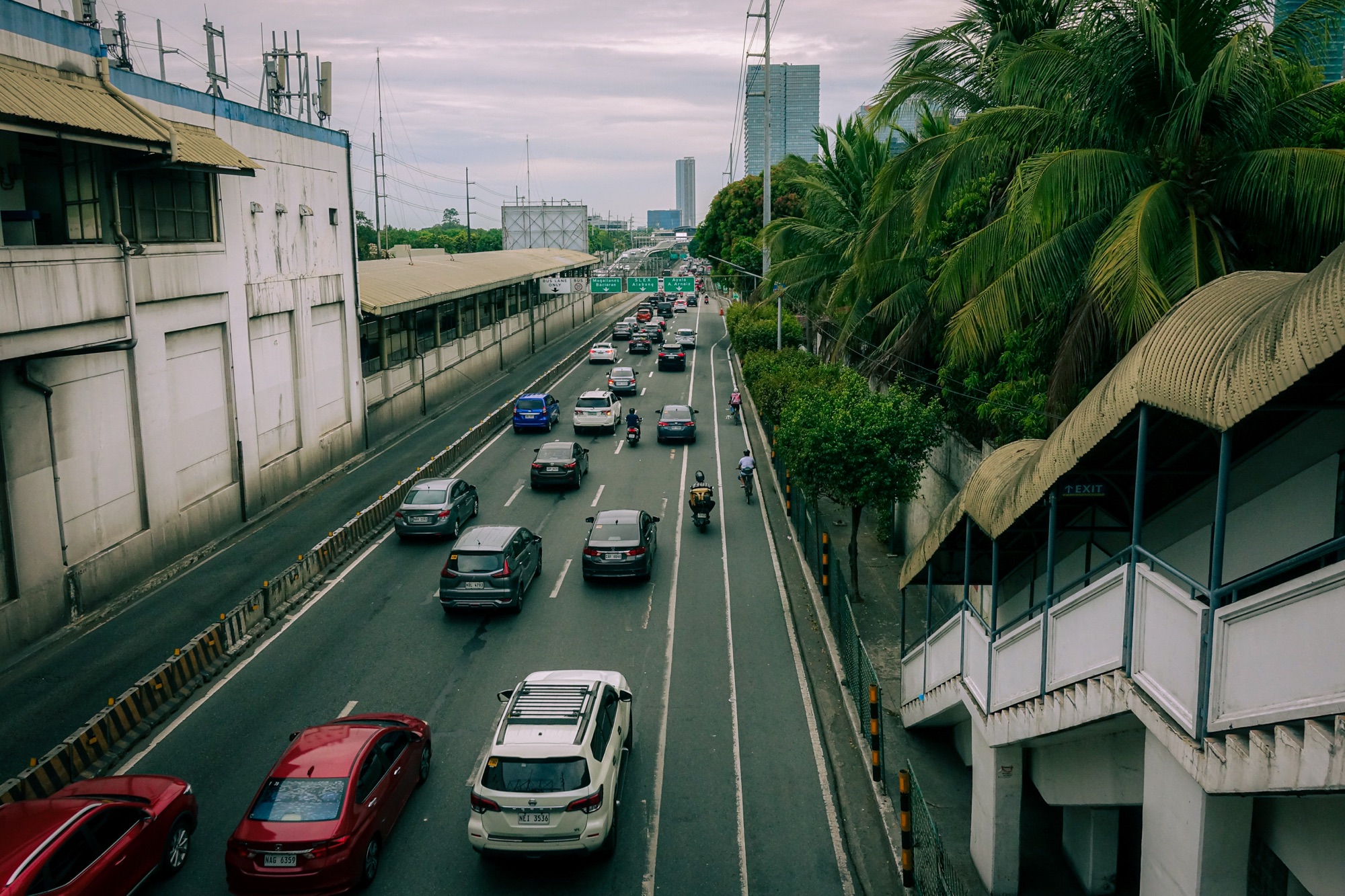
If you’re reading this, you’re probably annoyed at the No-Contact Apprehension Policy (NCAP) that MMDA reinstated late last May. To us micromobility/active mobility and road safety advocates, it was a breath of fresh air, but some of us do understand (to a certain point) that many motorists are ticked off at the whole situation.
So maybe it’s time to try something different. A solution that’s been here for a while already.
First: Let NCAP Stay and Improve
The news of NCAP returning has received mixed sentiment. As expected, a majority of the motoring public isn’t thrilled.
But honestly, it’s good that you’re frustrated. Because you know you will be held responsible for violations you knowingly did. Alam niyo pala may bike lane sa kanan, bakit ginagamit niyong express lane?
This is a win. I want NCAP to stay, and I want it to improve. MMDA would do well to treat it like any other evolving policy: update it regularly, respond to real feedback, and make those improvements clear to the public.
But Enforcement isn’t the Only Solution
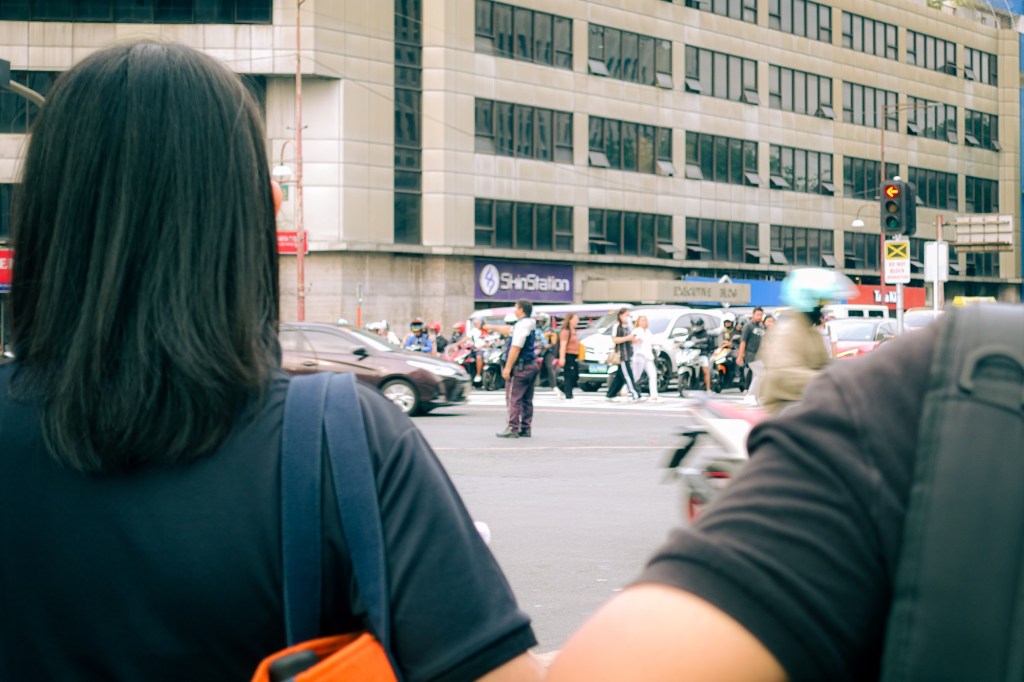
Despite the clamor against it, NCAP is an effective way to demand accountability. But it doesn’t mean that the only way to fix traffic behavior is by watching more, fining more, and enforcing harder.
People are calling NCAP unfair, and they’re right, the system isn’t perfect. Looking at the videos of motorcycles contained in one lane along Commonwealth Ave., there needs to be a better way for them to move. Because of the fear of getting a violation, cars won’t even move for an ambulance. There are so many things we need to fix for people to follow the rules clearly. That, however, doesn’t mean that NCAP should stop.
Even beyond the dysfunctional system itself, the real issue is how people respond to it. From experience, I’ve seen that even when drivers know the rules, they still break them for convenience. Because no one can catch them.
That’s what makes NCAP feel unfair for many. It finally does catch the repeat offenders. And that’s exactly why it’s necessary.
We’re not short on traffic rules, but I agree that we need more policies that challenge how much priority motorized vehicles have on our roads. More importantly, we’re short on systems that make vulnerable road users move around more safely and efficiently. And the more we rely on cars for every single trip, the more pressure we put on these systems to catch us when we mess up. Everyone’s just gonna be stressed. Or worse, dead.
So… What if we started questioning the need to rely on heavy vehicles for every trip in the first place?
That’s where micromobility comes in. It can either supplement your current transport setup or even replace your car altogether.
Enter Micromobility

Micromobility?
You know… the stuff you hate to see or completely ignore on the road. Manual or e-bikes, electronic kick scooters, and other light electric vehicles, just to name a few. It’s not the silver bullet of silver bullets, but it’s an integral piece of the transport conundrum.
And no, it’s not just for people looking for an “alt lifestyle.” It’s not about people buying a P50k bike for clout.
It’s for anyone tired of wasting time in traffic, hunting for parking, draining their wallet on gas, and now, worrying whether they just triggered another violation.
Micromobility offers a kind of everyday freedom. For example: using a folding bike from the Buendia MRT station to reach your workplace in Makati CBD. Or biking or taking your EKS a couple of kilometers from your condo in Makati to Greenbelt 5 to get on a P2P bus to Alabang Town Center because your bougie southie friends don’t know how to adjust *cough*, instead of spending some P500-700 on GrabCar or P150-250 on moto-taxis (peak hour or surge fees not included), or paying near P200 toll fees, each way.
Or even biking to work during color-coded days is okay if you don’t want to take public transit.
These aren’t huge shifts, but they make a difference. And the more you can control part of your journey, the less energy you waste on being anxious on the road.
Even from a leisurely POV, choosing to walk to the café, take a scooter to the gym, or bike to the grocery store a few times a week can drastically lower your transport costs and stress levels. You’ll feel better, spend more on what you want, and stay away from violations.
Of course, it’s not always easy. We’re not blind to the risks and complications that micromobility has to endure, especially since there are so many places where we are truly vulnerable. From weather changes to infrastructure gaps, we know they’re real. But they’re solvable issues, and the more we push for micromobility into the mainstream, the more push we can get for infrastructure that supports it.
Micromobility might not be the answer to everything, and it doesn’t pretend to be, but it is a step toward something better.
Rethink Why You Drive

If anything, NCAP will continue to expose the culture of unaccountable driving. As long as we let it improve.
Every day, people take to the roads in heavy machinery, routes shared with pedestrians, cyclists, and other commuters. And they do so often with little consequence for dangerous behavior. NCAP makes that visible.
Let’s be clear: driving a car is not just a personal choice. It’s a decision that affects everyone around you. Every car trip contributes to congestion, pollution, risk of injury, and road stress. Every aggressive overtake and negligent swerve puts lives at stake. And we treat all of this like it’s normal, as if violence is “part of the city.” Ganun lang.
But it’s not normal. It’s a system built on the illusion that driving everywhere is a right, even when it’s done at the cost of public safety, urban space, and time (and, increasingly so, lives) that none of us can get back.
If NCAP is frustrating you, good. Now ask yourself why. Is it because it holds you accountable in ways other drivers don’t like being held accountable? Is it because it interrupts the illusion that driving is always the fastest, smartest, and most efficient way to get around? Is it because buking na ung diskarte ninyo?
Not everyone needs to drive all the time. And those who do need to use that power—and that responsibility—with far more care than most currently do. Remember: Those who take up less space on the road should have more rights.
So it’s high time to explore something new.
It’s Time to Explore Micromobility
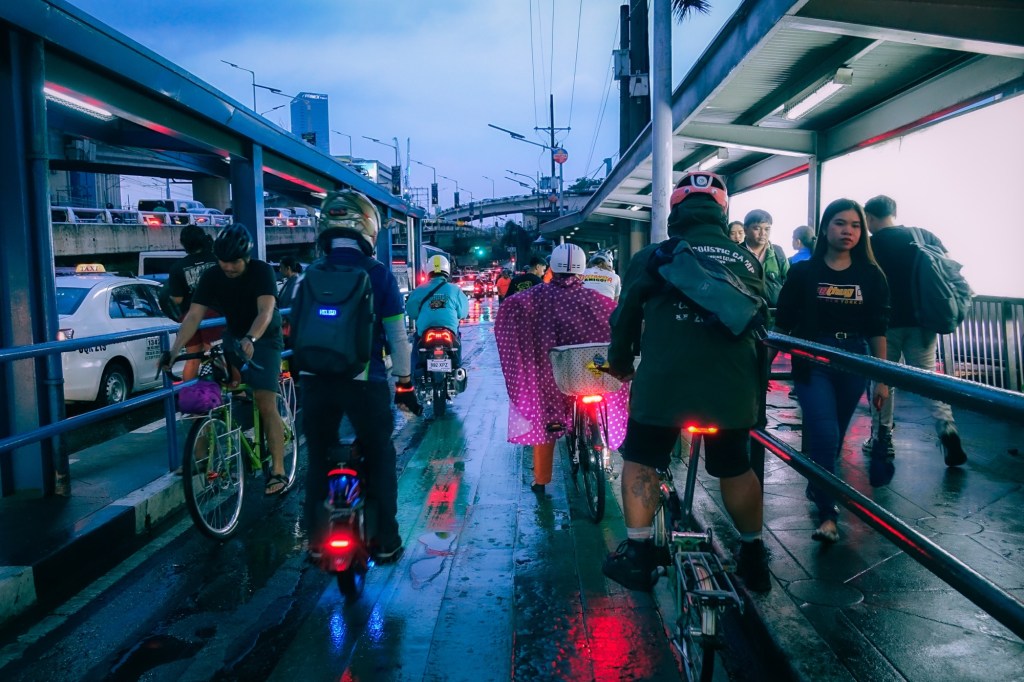
Micromobility is more capable than most people give it credit for, especially for daily commutes. The assumption that EVERY trip needs a car is part of the problem. Most commutes in Metro Manila fall within 10-15km, but these distances are easily covered by bike or LEVs, especially when combined with existing transit.
But the challenges are there because of a car-first mindset. We need more protected or segregated cycle paths (even better if it’s interconnected to bus terminals and MRT stations), charging hubs, and end-of-trip facilities. If these needs are met at the very least, then micromobility will be the obvious choice, not just an option.
Sure, NCAP might feel like a nuisance. But honestly it’s something we’ve needed for a long time. And micromobility can be the legitimate, scalable solution along with more effective traffic and road safety policies.
It’s time to stop thinking inside the car and start thinking about everyone else on the road. Tara?


Leave a Reply