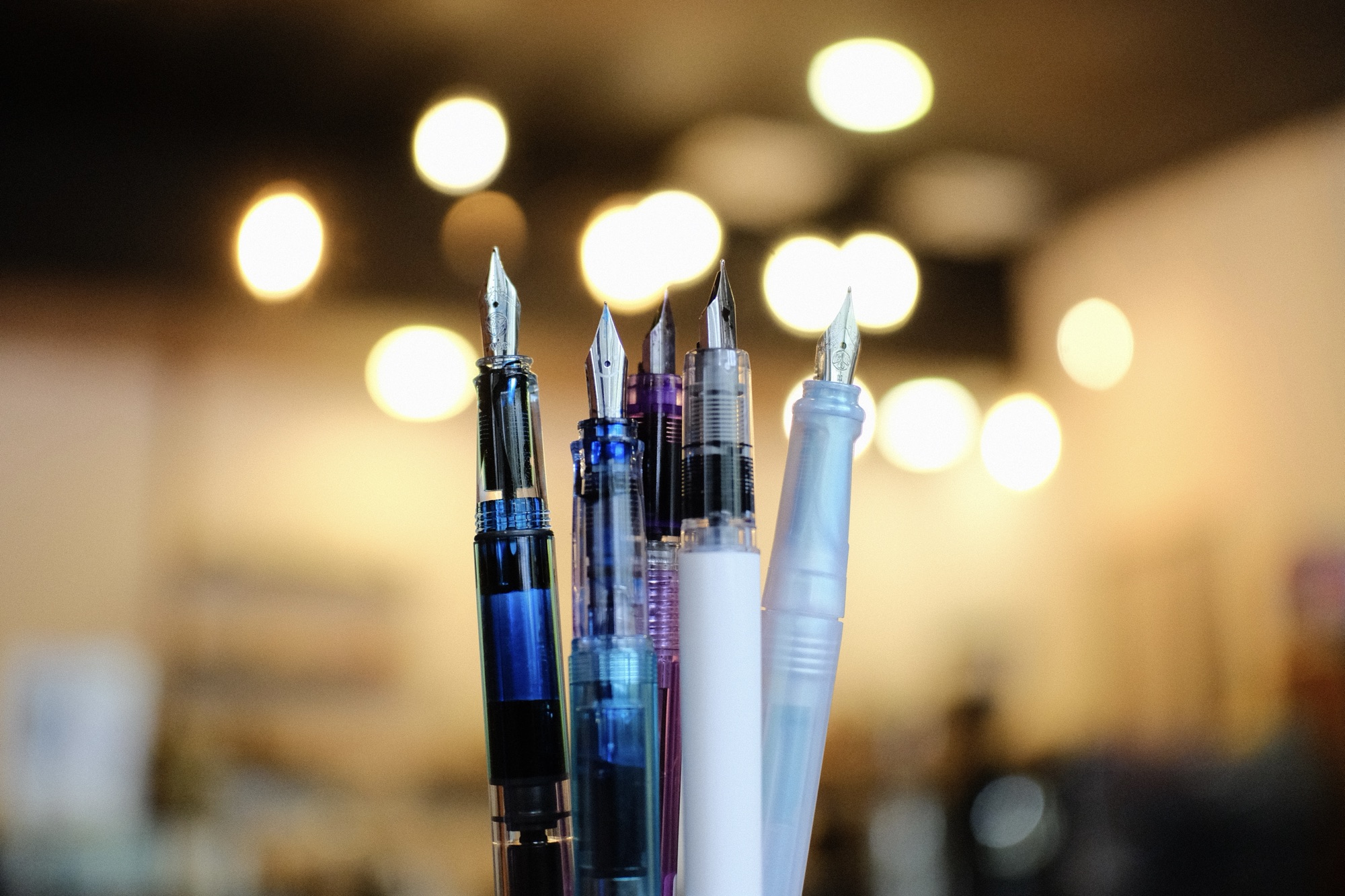
Recently, I started a small collection of affordable fountain pens. I figured that before I move to the pricier 14k-21k gold nibs and urushi-lacquered caps and barrels, I should start with the basics. My initial hesitations about using one quickly disappeared when I realized how much smoother my writing experience was than with ballpoint pens.
It was also around the time I chanced upon the 8-80 concept by city planner and urbanist Gil Peñalosa. Basically, this philosophy states that “If everything we do in our public spaces is great for an 8-year-old and an 80-year-old, then it will be great for all people.”
The beginner fountain pen is a good symbol for the 8-80 concept. If a kid can use it, then anyone can use it. But what does a writing tool have to do with urban mobility and design?
Case in Point: The Pilot Kakuno
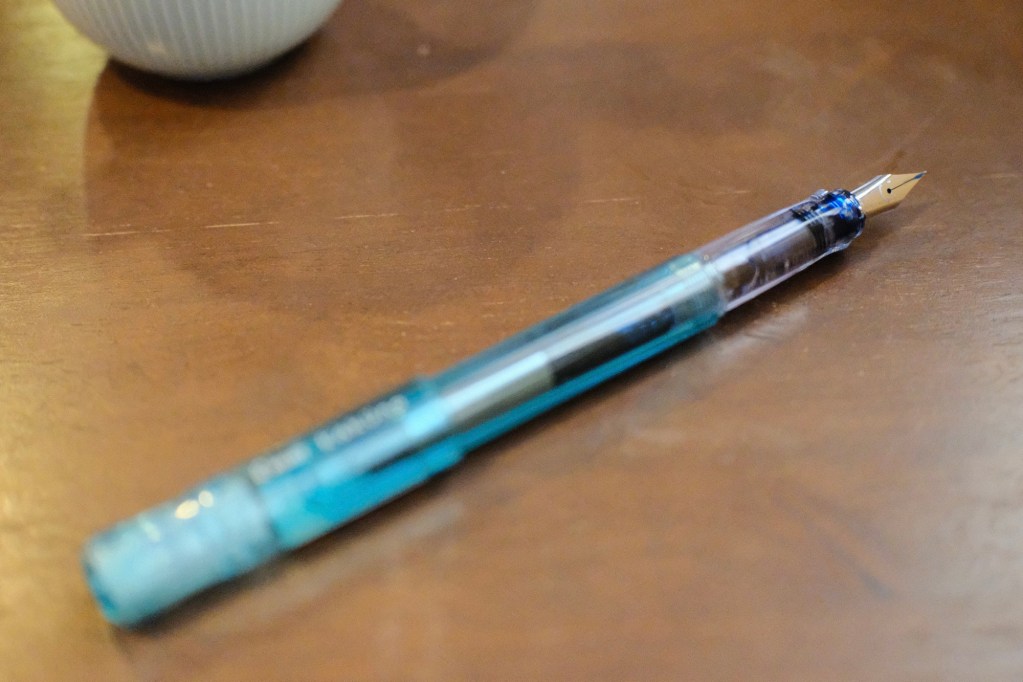
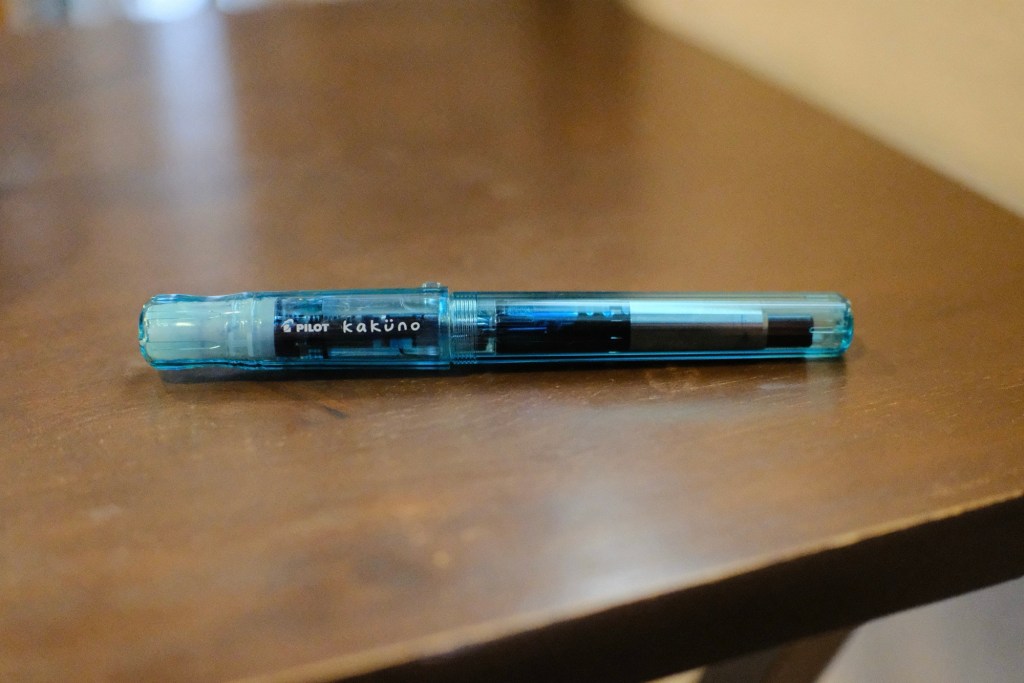
The Kakuno is Pilot’s entry-level fountain pen, targeted at children and adult beginners. Out of the box, a unit comes with a cartridge and easy-to-understand instructions. If you don’t want to buy a pack of cartridges every few months, you can opt to buy an ink converter and a bottle of ink. Depending on how often you use the Kakuno, one 50mL bottle can last more than a year.
Like other fountain pens, you can choose the nib size (extra fine, fine, medium; some brands may offer broad and 1.1 stub).
This is actually the second or third pen that I bought for my newbie collection, but by far the most used, alongside the Muji Polycarbonate Fountain Pen (cheaper than the Kakuno at P290). Because of its triangular grip, it doesn’t slip from my hands, and its lightweight features prevent me from having wrist fatigue during long journaling sessions. I’ve recommended the Kakuno to friends who want to try a fountain pen without making any big commitments to starting a collection.
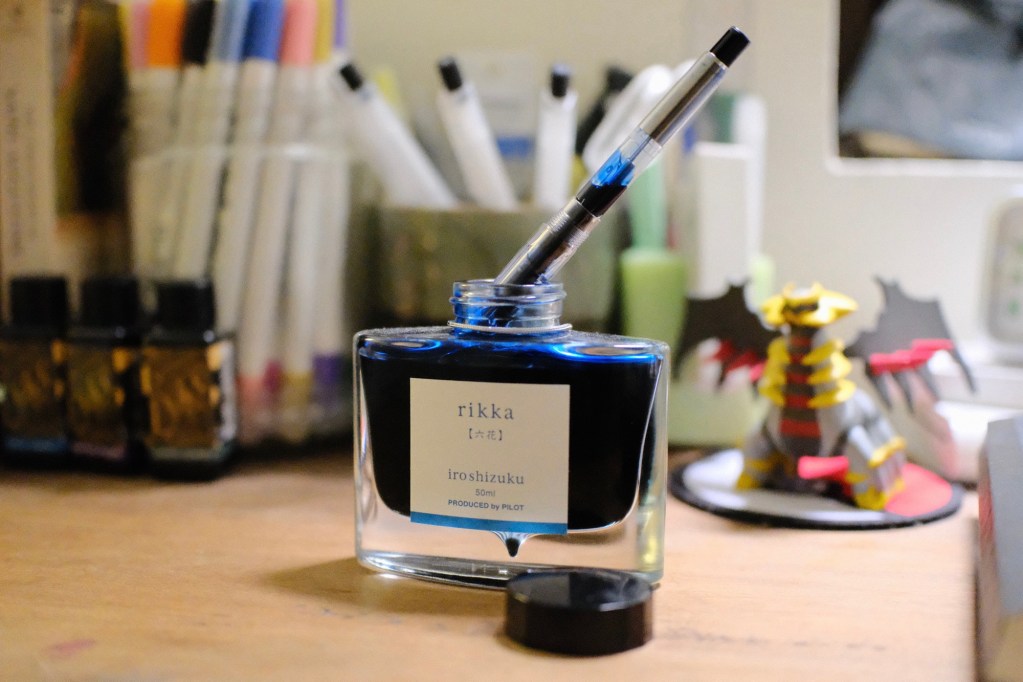
Priced anywhere between P400-800, the Kakuno does sound expensive. Add-ons like the ink and converter, as they’re sold separately, will cost you around P1,800, so you’re initially spending between P2,200-2,600. But unlike ballpoint pens that you’d forget or lose (and will eventually end up in a landfill), even the most basic fountain pen is built to stay, perhaps even lasting you a lifetime.
Translating the Fountain Pen into Urban Design
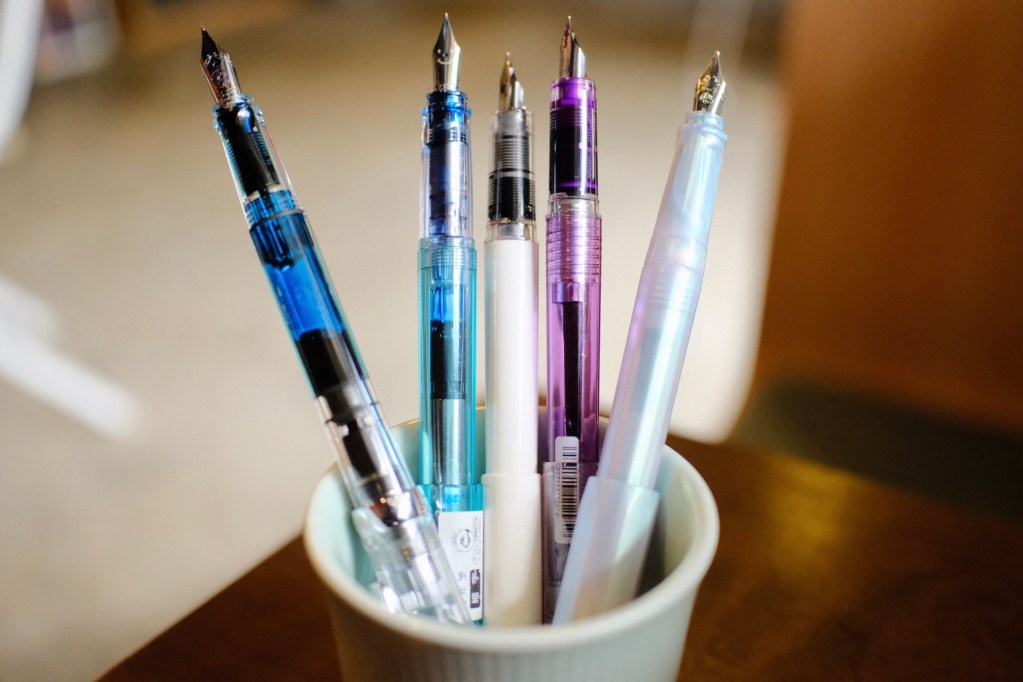
As I got into the mechanics of fountain pens, like bikes and watches, I began to see some parallels in urban design, and the 8-80 concept kept popping up on my train of thought.
About a week ago, I was listening to industrial designer Patricia Moore on a Drexel University podcast episode from April this year. She shared that seeing her grandparents struggle with moving within the home and around their neighborhood, and her own professional journey, inspired her to “create universality: design that gave equity to all people, so that they could have a high quality of life by design. So they could have the dignity of life by design.”
Beginner fountain pens are built on that same principle: designed to be used by anyone, regardless of age or ability. People with smaller hands can use thinner barrels, while those with larger hands, hand tremors, or arthritis can use thicker barrels for more stability. Cartridges can be a boon for people with dexterity issues, so they don’t have to think about the messiness of using a converter and extracting ink from a bottle. Compared to a regular ballpoint pen, fountain pens don’t require downward pressure to get the ink on paper.
While there are downsides, like paper sensitivity and extra maintenance, there are many easy workarounds, and these quirks add to their charm.
Apply that logic to urban design, and you start to see what’s lacking. In one word: universality. Metro Manila seems to be built for the “default.” What about the young, the aging, the disabled, and the overwhelmed? The pedestrian, the bike commuter, or the public transit user? Why isn’t the metropolis built for the actual majority?
The 8-80 Concept = Basic Right to Move
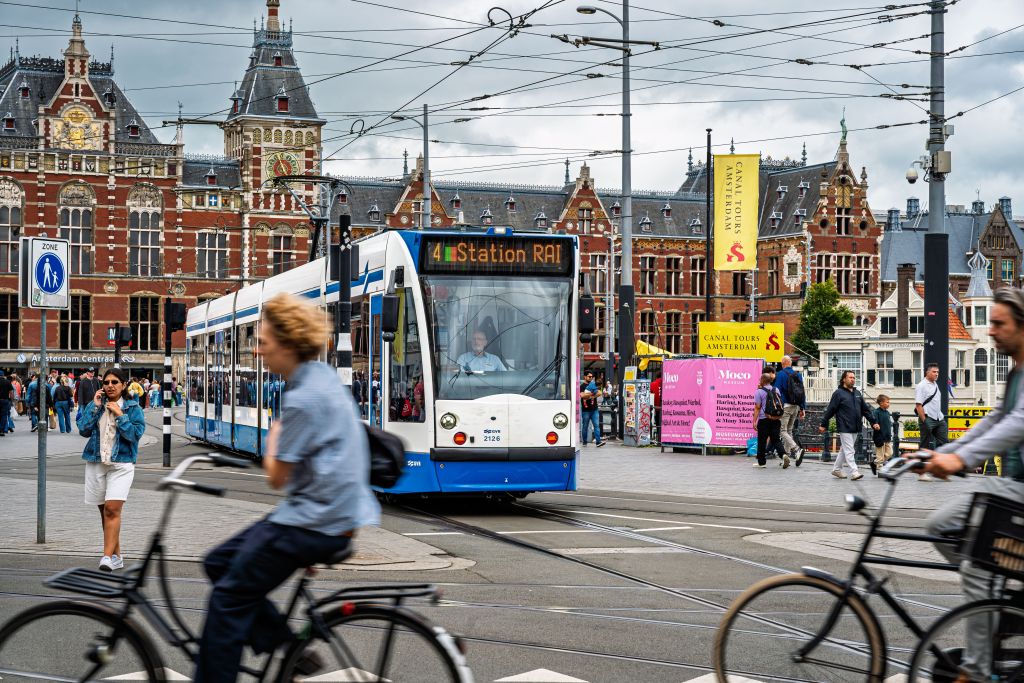
In my mental map of Metro Manila, there is no place created with universal design principles. Even homes. While LGUs are just now working on policies for better walkability and bikeability in their respective cities, they are slow to develop safe, continuous networks.
This is where the 8-80 concept comes into play. This approach to designing cities allows children, women, seniors, and persons with disabilities to be included and even centered in the urban design process. They aren’t “othered” or treated as an afterthought. They serve as the ultimate indicator of a healthy city.
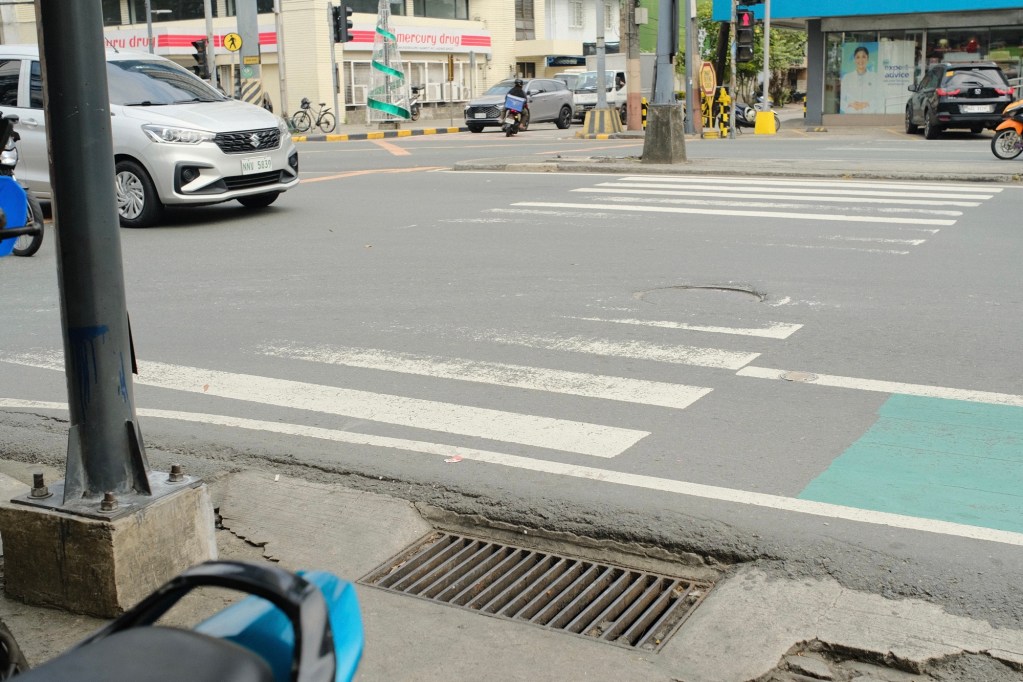
Designing for vulnerability means designing for everyone: if a street is safe and intuitive enough for a child or the elderly to cross, then it can work for everyone else in between. People can exercise autonomy instead of feeling trapped at home or dependent on someone else to drive them around.
That is not a wishful utopian society that could happen in the distant future. That should be the basis of good urban planning and designing for all. We have to stop treating our streets as exclusive pathways and extended parking spaces for cars, as these make up the vast majority of our public space. The 8-80 concept reclaims our streets for neighborhood connectivity. Using this rudimentary design approach, no one’s risking their lives and the lives of others, even those inside cars.
Ang kalsada ay para sa tao, ika nga.
It really comes down to basic social equity and affordability. Life should literally be like a walk in the park. And getting around on foot, by bike, or via public transit should be the most natural, affordable choices available.
Not cars.
Can Metro Manila Adopt the 8-80 Concept?
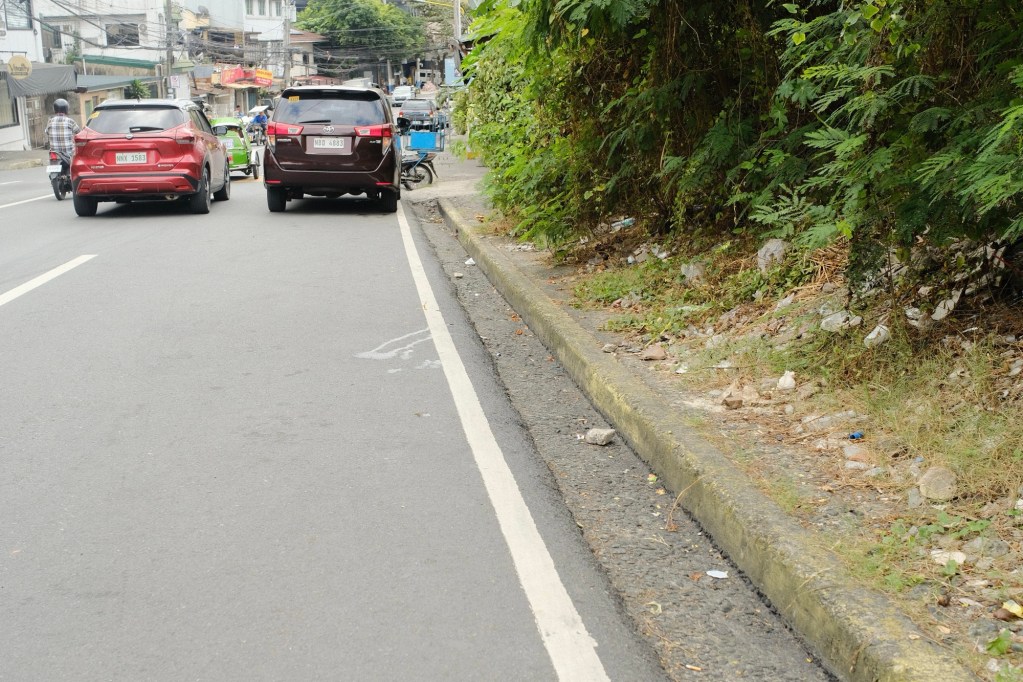
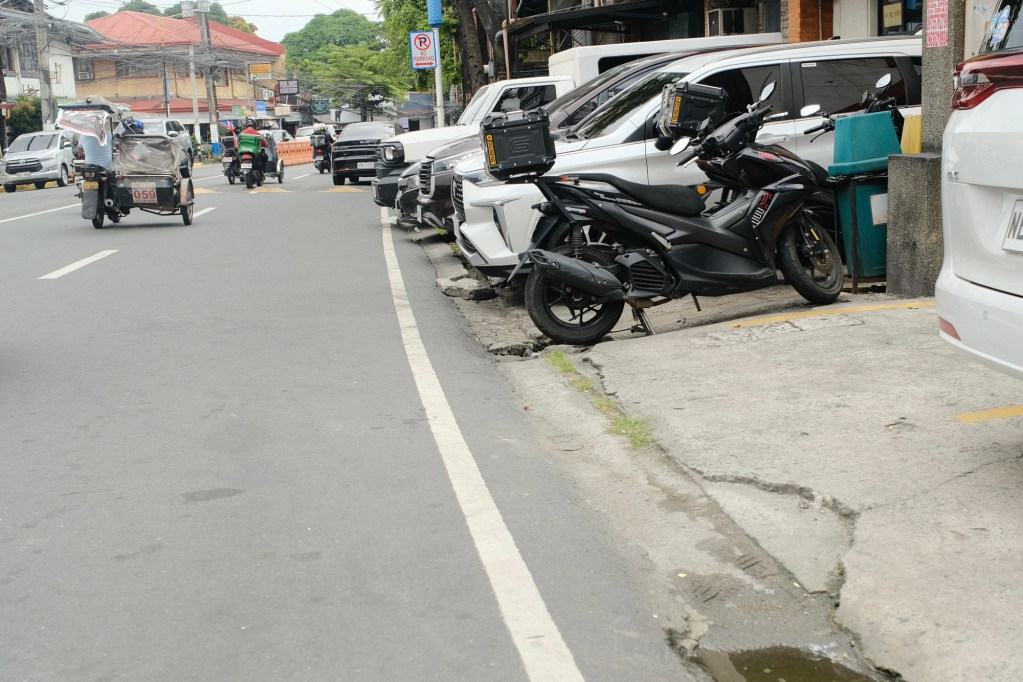
How can anyone walk safely in Brgy. Kapitolyo when the sidewalks aren’t walkable in the first place?
I once perceived Salcedo Village as a model of a safe and walkable neighborhood in Makati. But I was looking from behind the window of a car back then. For all its poshness, it is not designed for people.
I thought of my own mom, who I became a bike commuter for, who used the car as her personal ambulance to get to Makati Medical Center just a kilometer away from our old condo. I thought of the kids I’d see going to Jaime Velasquez Park every afternoon, who, with their yayas or parents, got off vans just to play for an hour, then rode back to condos less than a kilometer away. I thought of every office worker who has little choice but to deal with hostile, car-centric features in Makati CBD.
I also thought of myself, living a car-free life with invisible disabilities and neurodivergencies, navigating these streets and dealing with irate motorists, who are also victims of a system we’re tired of adjusting to.
I live elsewhere now, but the inequality is the same, just less glitzy.
There is hope, though.
If urban designers, master planners, and LGUs look at the 8-80 concept, as well as the 15-minute city, where all essential places are within a short walk or bike ride from home, we’d actually be living well. We won’t need high-rise condos or waste taxpayers’ money on useless footbridges to get from point A to point B.
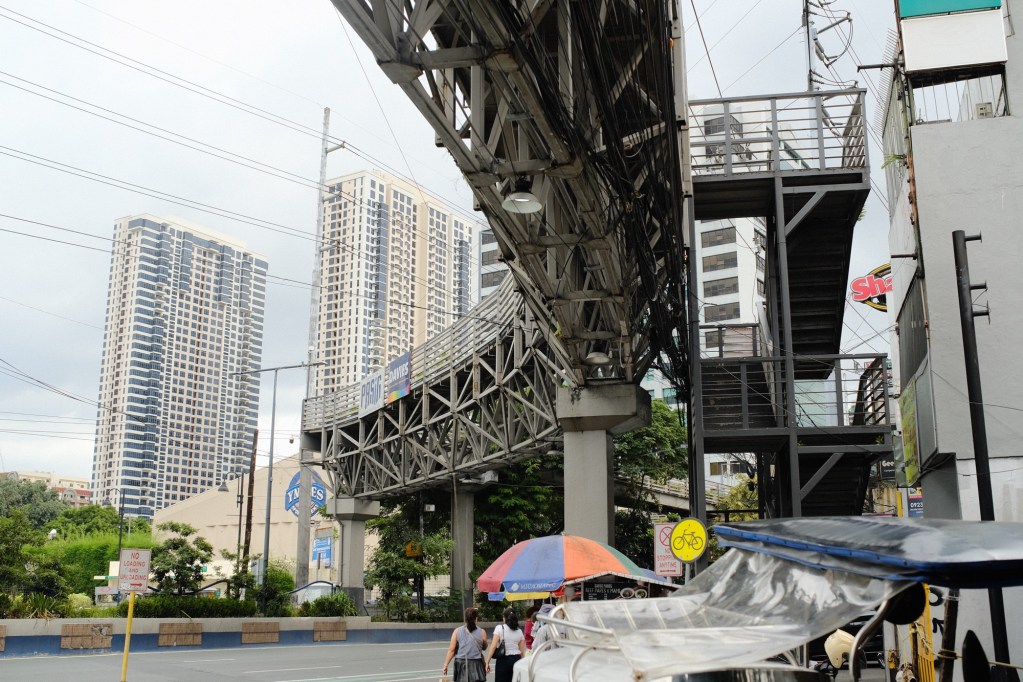
We need the urban equivalent of a beginner fountain pen: unpretentious, steady, forgiving, intuitive, and well-proportioned pathways centered around human movement.
Because when the kiddo, nanay, or lolo can cross the street without struggling, everyone can move with dignity, too.


Leave a Reply