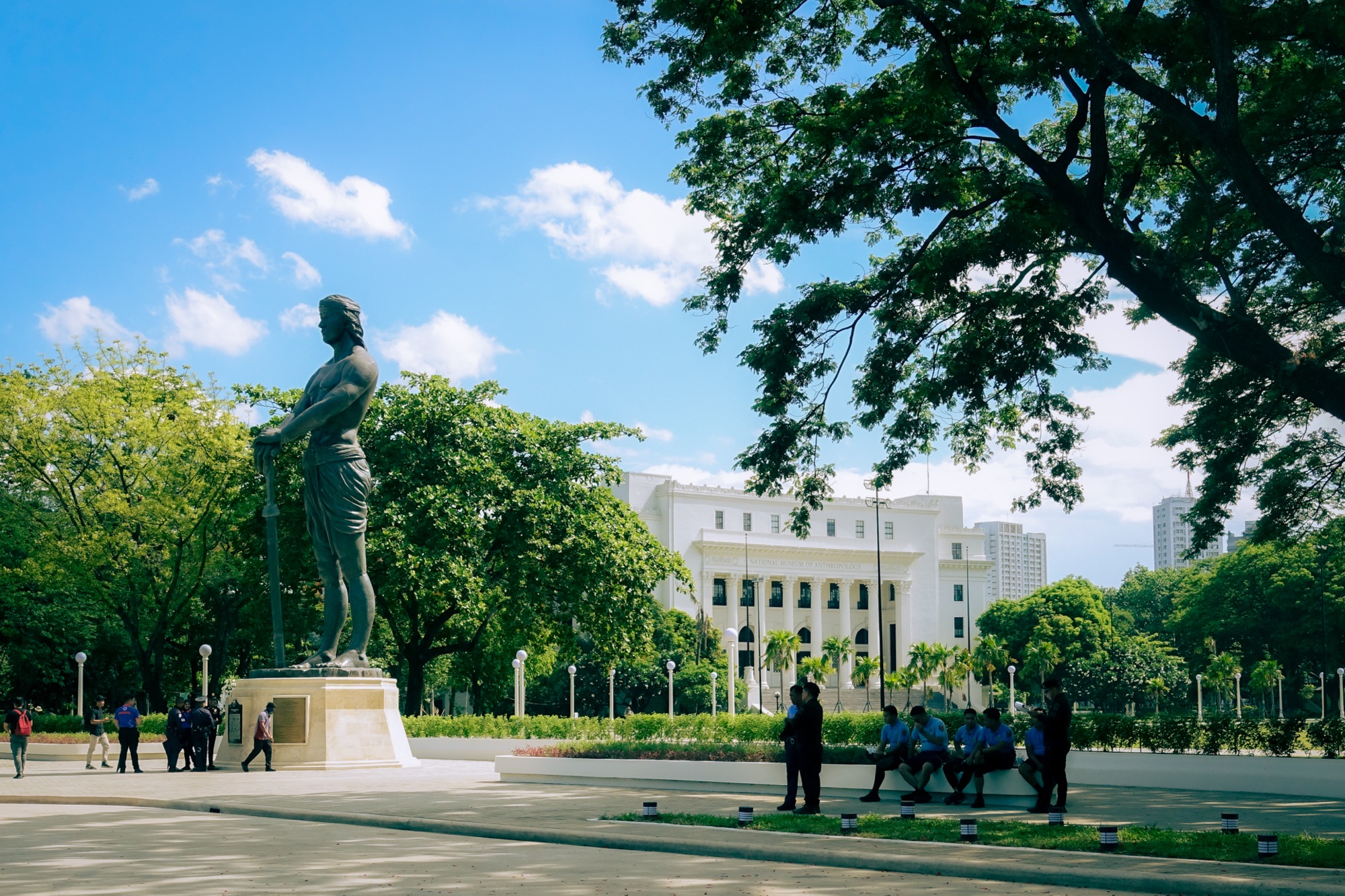
Museums are meant to be third places: spaces for everyone to engage with culture. But by neglecting basic bike infrastructure, they exclude a growing number of bike commuters who could also be cultural participants.
So it raises the question: Who can really access these institutions?
On May 18, I decided to visit a few popular museums across Metro Manila on a manual bike. Why? Well, it was International Museum Day, and I wanted to know if there was bike parking and other markers of inclusive design.
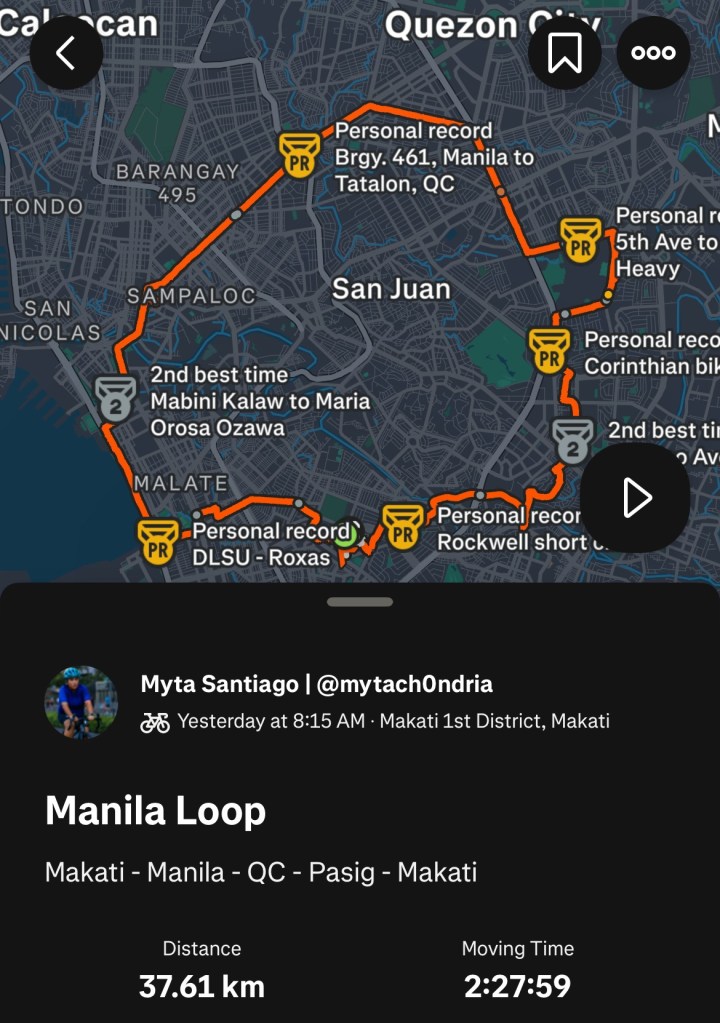
My friend and I took our Manila loop route, which was just less than 40km, starting from my place in Makati. We traveled to the National Museum in Manila and ended up having lunch near his place in Kapitolyo, Pasig.
I biked back to Makati on my own mid-afternoon and went to Ayala Musuem to take photos and interview the guards, then parked my bike at my condo and walked to Yuchengco Museum along Ayala Avenue.
Realizing I wouldn’t be able to hit all museums in one day, I made a separate trip to BGC on May 21 to visit the MET and Mind Museum. That was roughly 12km.
For both days, I used my Traction Gritt to simulate what a bike commuter might experience if they wanted to access these spaces on two wheels.
The results? What I expected: The near-total absence of formal and functional bike parking infrastructure (and surprisingly sympathetic guards in some places).
Why These Museums?
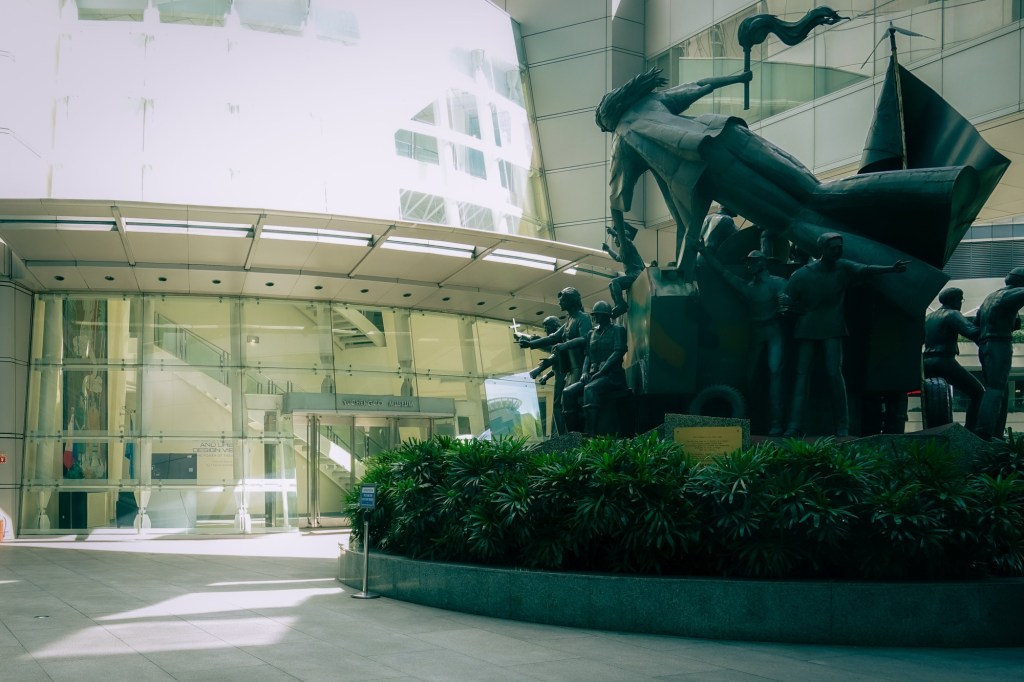
I didn’t pick these museums at random. I chose them because they’re located in some of the most visited areas in Metro Manila, places where people commute, work, meet, or explore. That means they’re likely to be reachable by different modes of transportation, not just private cars.
Most of them are near malls, office hubs, and other places of interest, so they naturally attract a wide range of visitors. That makes them good case studies for public access and mobility.
I also made sure to get a mix of government-funded and privately-run museums, ranging from national institutions to science museums to corporate collections. Each one caters to a different audience with similar mobility concerns.
But… Why Museums?
The world of culture and history was integral to my upbringing. My mom worked as the marketing manager of Ayala Museum from 1992 to 1996, so I was exposed to art, history, and the famous diorama section at an early age.
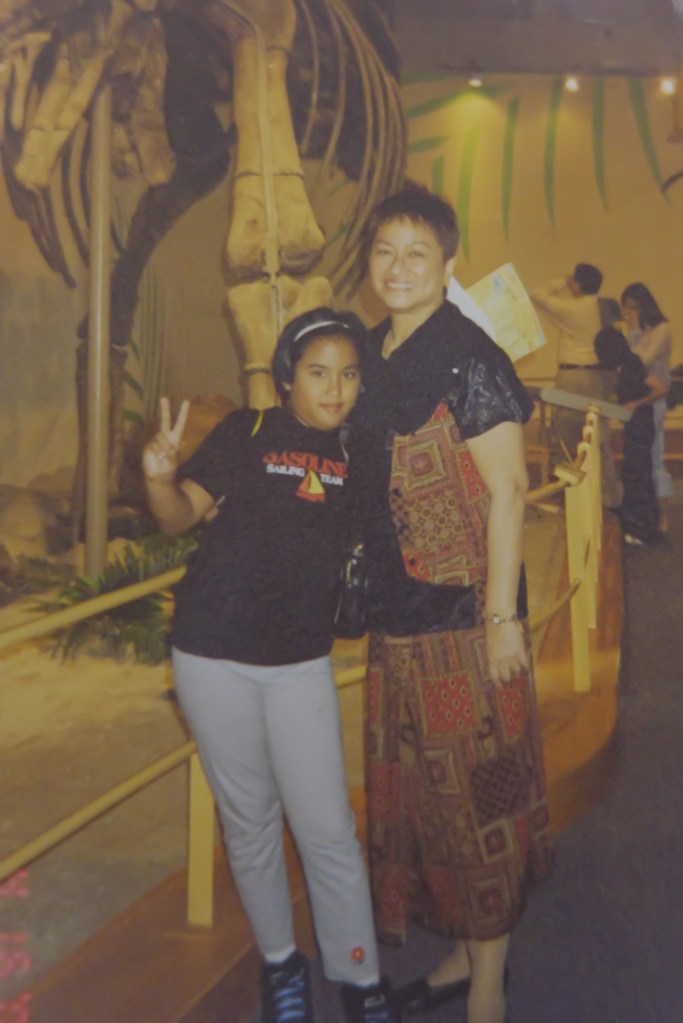
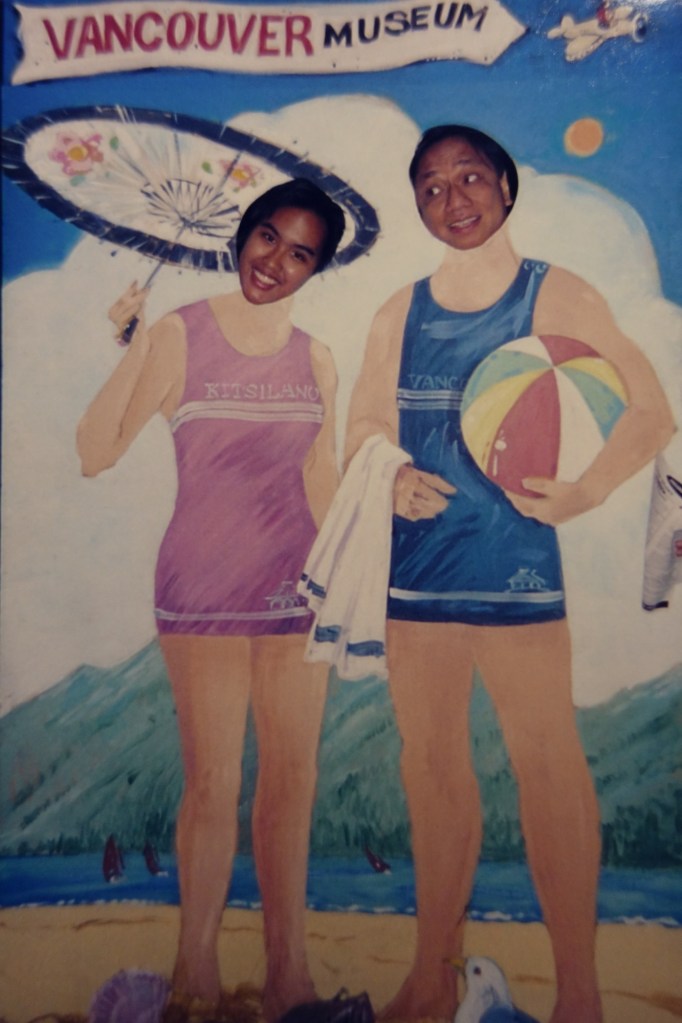
Whenever we traveled abroad, we always visited at least one museum and/or one art gallery per trip, in addition to the usual toy store and bookstore. And if she wasn’t up for it, my late uncle would gladly bring me along his own city adventures. Even on solo trips as an adult, I try to keep up with this tradition.
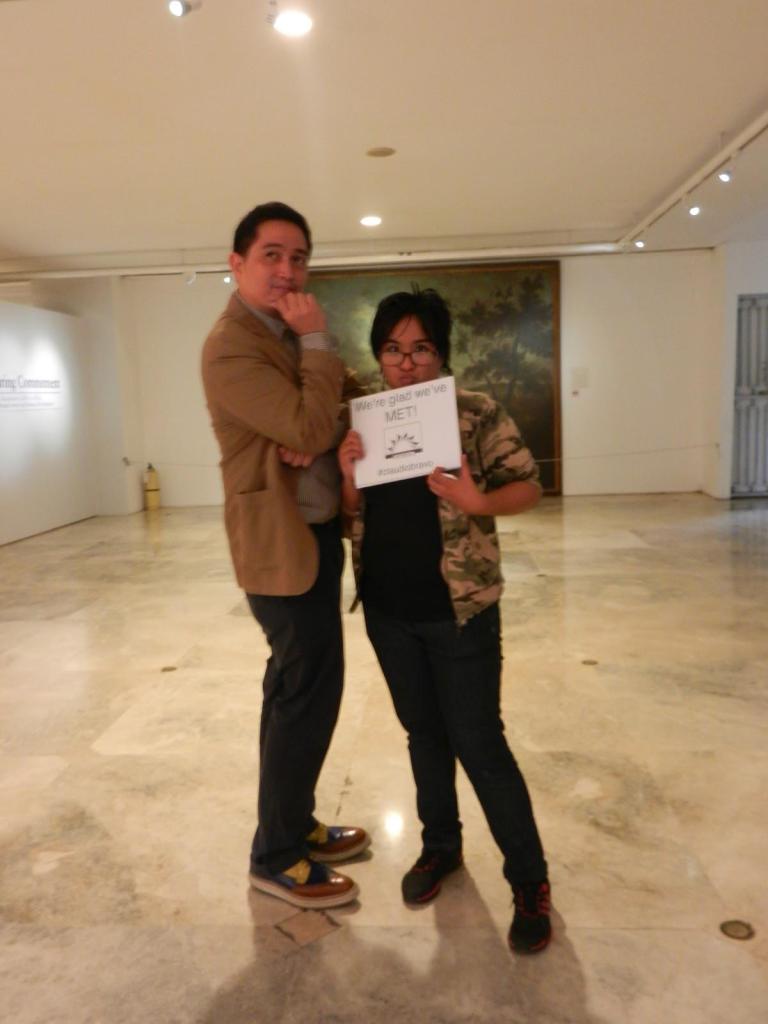
Then in 2012, I was a docent at the MET when it was still in the BSP building in Roxas Blvd. This was around the time that I also considered taking my masters in Cultural Management in France and find ways to get workshops and classes in urban planning while I was there, then marry these two interests.
Obviously, that never became a reality.
But that exposure shaped a lasting passion; not just for culture, but for the role of museums in public life.
Even today, I still think that museums are not just repositories of history or creativity; they’re spaces that can connect communities outside of home and work.
But only if people can get to them.
What I Found at Each Museum
Here’s a snapshot of what it’s like to visit some of the metro’s best-known museums by bike:
1. National Museum Complex, Manila
P. Burgos Drive, Rizal Park, Manila | https://www.nationalmuseum.gov.ph/
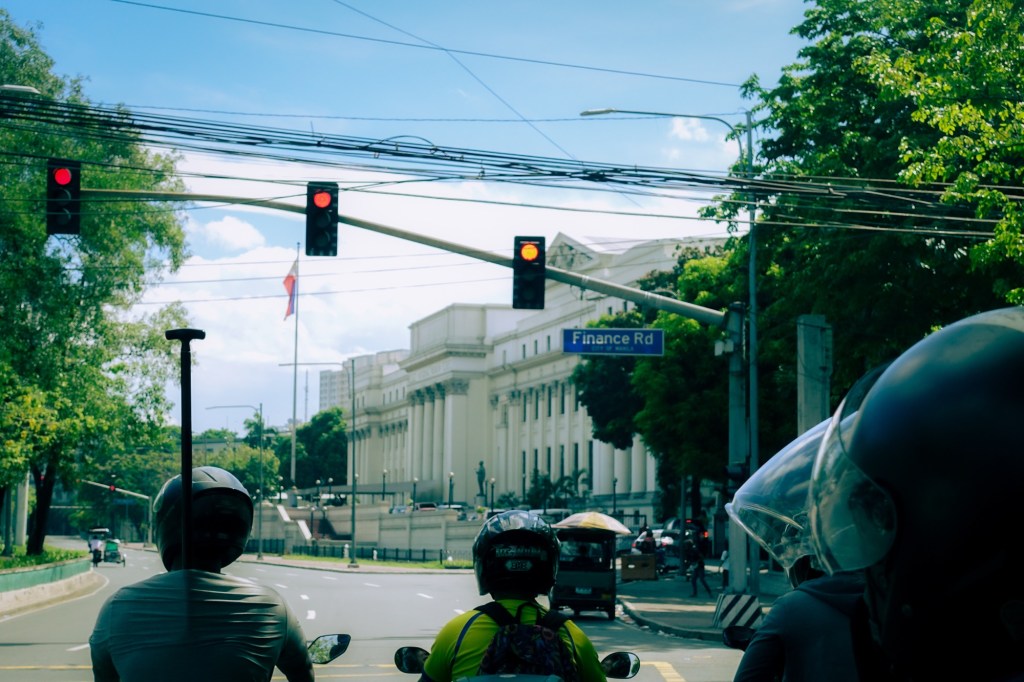
- Bike Parking: Couldn’t find any kind of bike parking, be it formal or makeshift
- Where I Parked: Didn’t bother parking; went on our merry way
- Guard’s Remark: There are plans for bike parking spaces in the future, but no one knows when
- Thoughts: Lots of potential for bike parking within the complex and each building; possible spaces for end-of-ride facilities for National Museum/Intramuros visitors and personnel. Hard to cross from different paths (TM Kalaw, Intramuros, Taft) since roads are wide and cars might not immediately stop for pedestrians.
2. Mind Museum, BGC, Taguig
JY Campos Park, 3rd Ave, Taguig | https://www.themindmuseum.org/

- Bike Parking: Inverted-U racks in front of Jollibee
- Where I Parked: Same place, no problems
- Guard’s Remark: No nearby guard to assist, so park at your own risk
- Thoughts: I appreciate that it exists but I wish it were more secure. Also I think this is meant more for transient bike parking, i.e. for delivery riders getting orders from the Jollibee branch within the premises.
3. Metropolitan Museum of Manila, BGC, Taguig
30th St, Taguig, Metro Manila | https://metmuseum.ph/
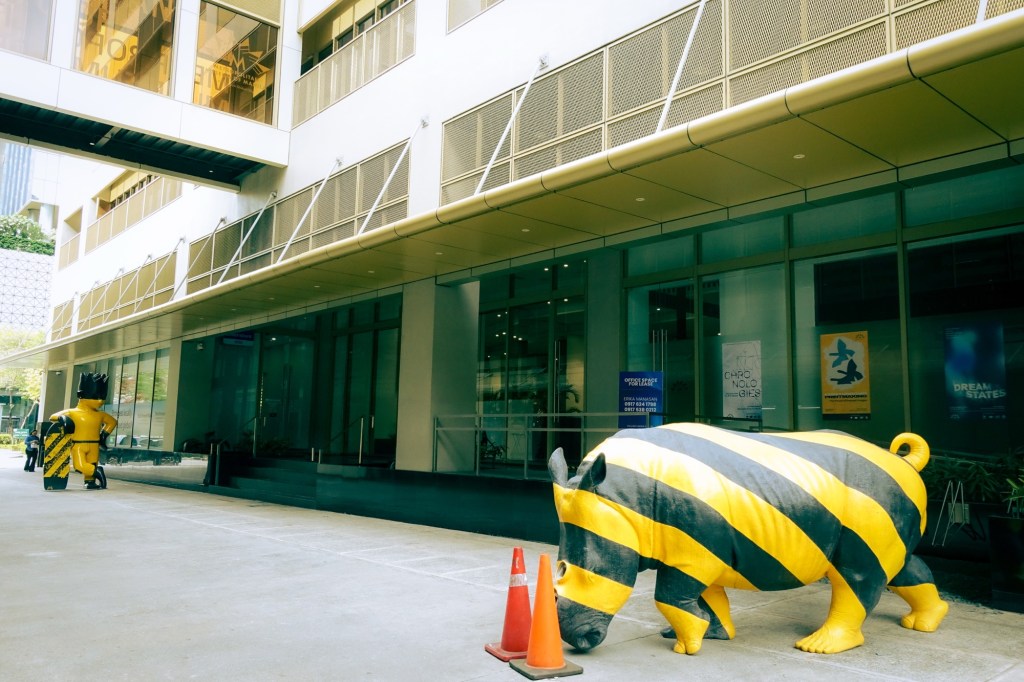
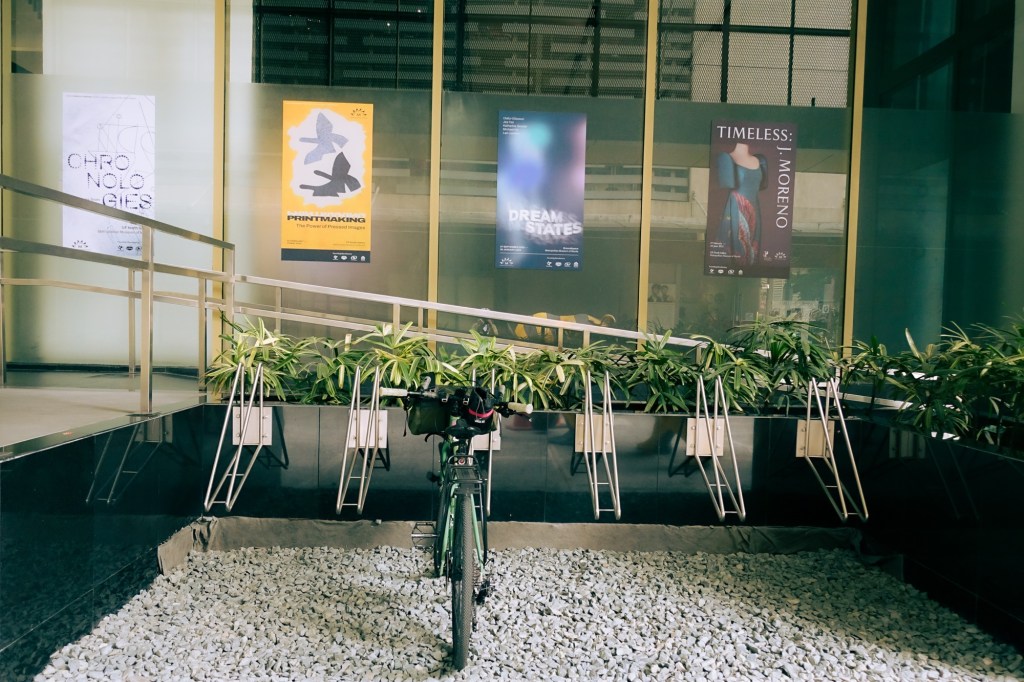
- Bike Parking: In front of the entrance
- Where I Parked: Same place, hard to lock wheelset to rack
- Guard’s Remark: No guard to assist
- Thoughts: The MET tried but it didn’t try hard enough. The bike parking doesn’t look functional. While I appreciate that it exists, it doesn’t really serve its purpose. Also, damn, this museum was hard to find!
4. Ayala Museum, Makati
Greenbelt Park, Makati Avenue, corner Dela Rosa Street, Ayala Center, Makati | https://www.ayalamuseum.org/home
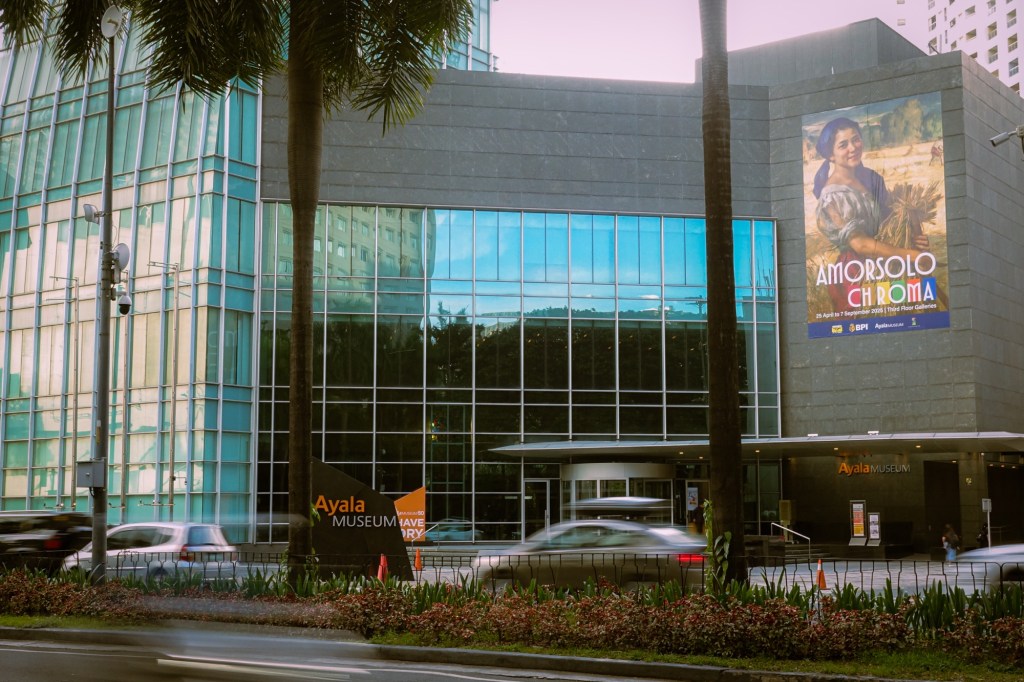
- Bike Parking: Basement parking of Greenbelt 5, or at-level parking in Landmark
- Where I Parked: Tried parking at Landmark but it’s full of bikes (which is a good sign)
- Guard’s Remark: Right now, there’s really no bike parking for guests because everyone goes to the museum by car or by walking. Bike parking in GB5 for mall/museum staff/personnel, not for guests. Park at your own risk (as always).
- Thoughts: Opportunity for bike rack at the side of the museum. So far, relatively easy to get to by walking if you’re able-bodied.
5. Yuchengco Museum, Makati
RCBC Plaza, Corner Ayala Avenue and Senator Gil J. Puyat Avenue, Makati | https://yuchengcomuseum.org/

- Bike Parking: None within the premises
- Where I Parked: Left bike at home, around 650m away from the museum, so it’s walkable for me
- Guard’s Remark: Wasn’t able to talk to the guards at RCBC Plaza because they’re mataray
- Thoughts: RCBC Plaza is located along busy thoroughfares (Buendia, Ayala Ave., and Dela Costa), but may have an opportunity for bike parking by the entrance of the museum if property management would provide courtyard access.
The Lack of Functional Bike Parking is Telling
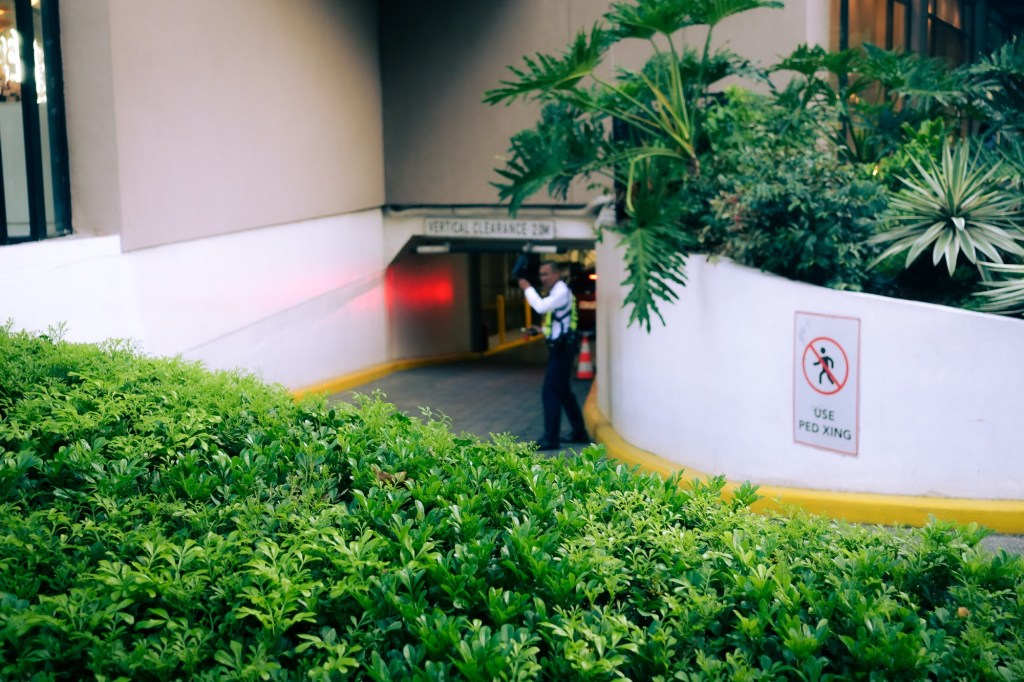
It’s sad to see that only two out of the five museums I went to had bike parking within the premises. It’s disheartening to realize that these places get technological upgrades to fit with the trends in global museum management, but something as basic and inexpensive as a bike rack is overlooked.
Because most planning still assumes cars as the primary source of foot traffic.
But the issue isn’t just about having racks: It’s about making them functional and secure.
For instance, the Mind Museum technically has parking, but it’s beside a Jollibee, a bit far from the actual museum entrance and is not well-guarded. The Metropolitan Museum also has one, but its design feels more like an art installation than a practical rack. While the gesture is appreciated, I don’t really feel confident parking my bike there for two to three hours.
I wondered about this visual and spatial disconnect as I was biking back home. Then it hit me (while I avoided getting hit by a Duramax going up 5th Ave into McKinley Rd): It’s because museums here still carry the reputation of being luxury spaces, designed for those who can afford the time and the car to get there. Then this perception bleeds into the museum’s infrastructure choices.
It’s as if bikes are seen as “low-brow” for spaces dedicated to art, science, or culture. But that assumption couldn’t be further from the truth.
If these spaces really want us to believe that they’re inclusive and accessible, they must think bigger… or rather, micro-mobile. The museum-goer isn’t always a family in a sedan or a field trip group on a bus. It’s people like me who love being in the presence of art, history, and culture, but rely on a bike as their primary mode of transport. It’s also people who want to give museum appreciation a shot, but can’t because they feel excluded.
It’s a small but significant barrier that keeps many from engaging with our cultural institutions.
But Access Isn’t Just About Bike Parking
Bike parking access is only one part of a bigger picture. If museums are to become true third places, access needs to be holistic.
This includes walkable streets, reliable public transport to and from the museum via transport hubs and MRT stations, and visible infrastructure for persons with disabilities: wider ramps, working elevators, safer routes, and, yes, secure bike parking. These shape who can show up and feel welcome.
Cost is another form of access. In Metro Manila, museum fees vary wildly. While the National Museum has no entrance fees since 2016, others like Ayala Museum and the Mind Museum charge P750 and P625, respectively, with the latter providing three-hour time limits. The MET charges P550, while Yuchengco Museum is P200. All of these have discounts for seniors, PWDs, students, and teachers.
The price points, and the amenities that come with them (or lack thereof), send subtle signals about who these spaces are for. While I do understand the rationale behind these fees, when museums are priced like luxury experiences and lack basic infrastructure, they unintentionally exclude the very public they aim to serve.
What Can Museums Do?
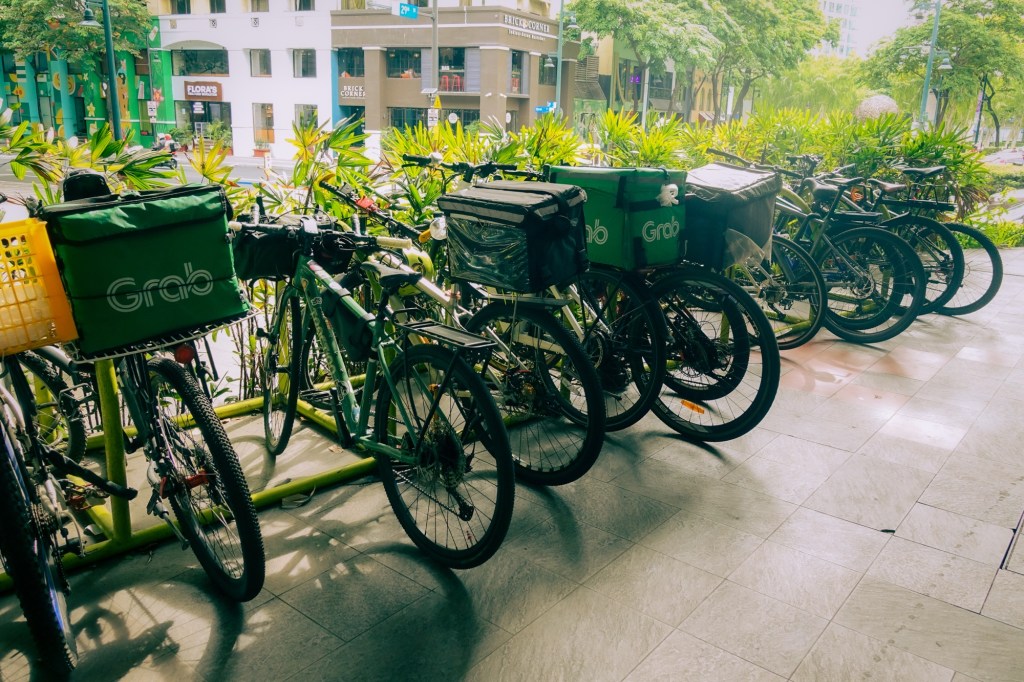
Install racks near or by the entrance of the museum. That’s it. Bonus if it’s shaded. Even better if it’s free. Best if it’s an inverted U-rack.
Museums can also partner with local bike or active transport organizations or even LGUs to create pilot bike parking areas. They can also organize micromobility days, especially in Makati and BGC where bike and e-scooter sharing is present, and provide discounts to encourage people to take a bike to them.
Heck, if I only had the energy I’d organize a Makati Museum bike tour (there’s just three museums here).
Would the presence of bike parking and other inclusive markers offset museum entrance fees? Probably. All I know is: The possibilities are ENDLESS if accessibility is visible.
A Hopeful Pedal Forward

My hope is simple: That more people, from all walks of life and all transport modes, can access museums the way I did as a child. That starts with making sure there’s somewhere safe to park a bike.
However, if people can only go to these places on four wheels, then it’s not truly open to all. And while there’s the argument that these places are walkable, it may also disregard the vulnerable members of society who have limited mobility and are forced to use the car to access the museum. And given how car-centric our pathways are… well.
We need visible and secure bike parking now. The presence or absence of one tells you whether the cyclist or any other micromobility user was considered in the planning of a space. A place to lock your bike that says: Yes, you’re welcome here.
So… are we really welcome in museums? You tell me.


Leave a Reply